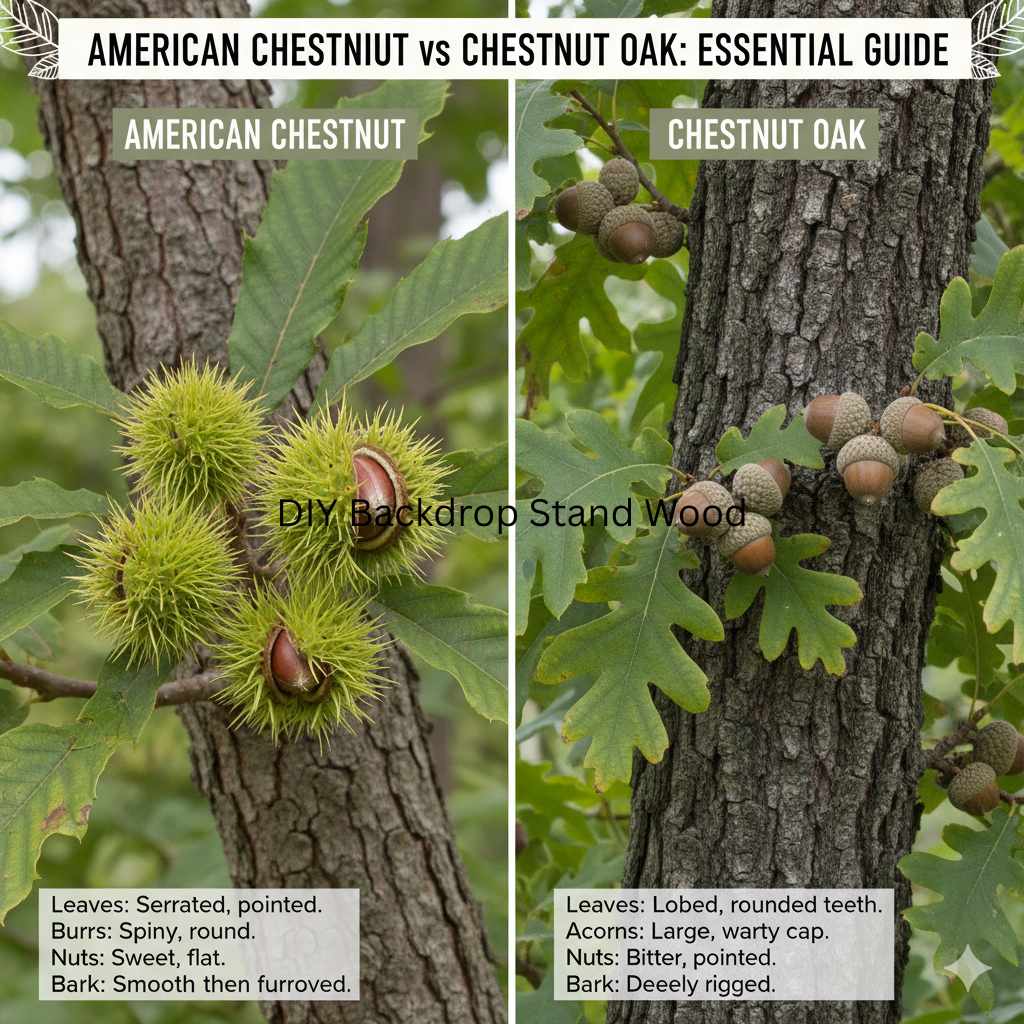
American Chestnut vs Chestnut Oak: Essential Guide
For DIYers choosing between American Chestnut and Chestnut Oak, know that American Chestnut offers a beautiful, rot-resistant wood ideal for unique furniture and outdoor projects, though it’s rare due to blight. Chestnut Oak is a more accessible, durable, and widely available hardwood, excellent for flooring, cabinetry, and general construction, providing reliable performance for many home projects.
When you’re working on a woodworking project, picking the right wood can feel like a big decision. Two types that often get confused are the American Chestnut and the Chestnut Oak. Maybe you’ve heard about the beautiful, rich color of American Chestnut, or perhaps you’ve seen Chestnut Oak used in sturdy flooring. These woods come from different trees and have distinct qualities that make them suitable for various uses. Understanding these differences will help you choose the best wood for your next creation. Don’t worry if it seems a bit tricky; we’ll break it down simply, just like we do for all our projects. Let’s figure out which wood is the right fit for you!
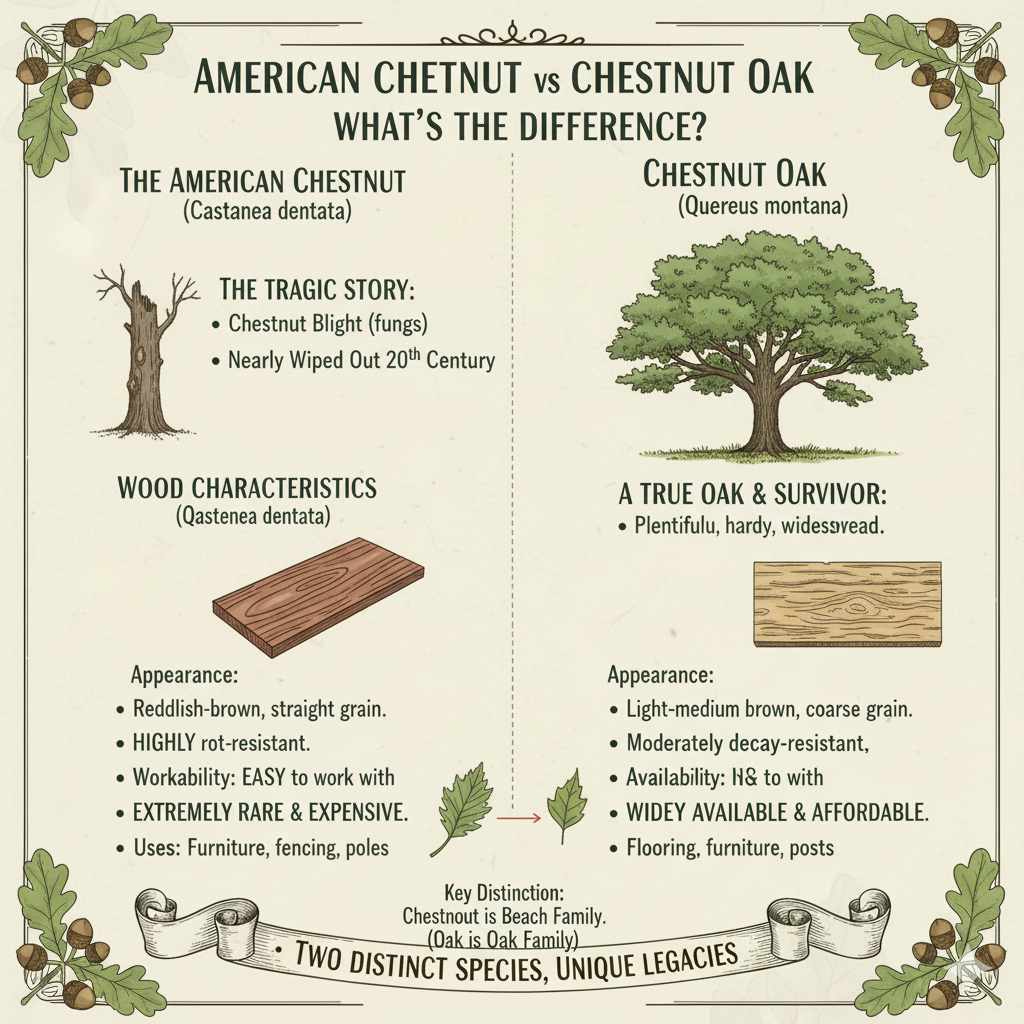
American Chestnut vs Chestnut Oak: What’s the Difference?
It’s easy to get these two names mixed up, especially since they sound so similar and both produce timber that can be used in woodworking. However, they are entirely different species with unique characteristics.
The Story of the American Chestnut (Castanea dentata)
The American Chestnut tree was once a cornerstone of eastern North American forests. It was celebrated for its excellent lumber and its abundant, delicious nuts. Sadly, a devastating fungal disease, the chestnut blight (caused by Cryphonectria parasitica), wiped out nearly all mature American Chestnut trees in the early to mid-20th century. What little lumber is available today comes from salvaged wood, old barns, or re-emerging sprouts that haven’t yet succumbed to the blight.
Key Characteristics of American Chestnut Wood:
- Appearance: Beautiful, reddish-brown heartwood with a straight grain. It’s often compared to genuine walnut for its rich color.
- Durability: Naturally resistant to rot and decay, making it a great choice for outdoor uses where moisture is a concern.
- Workability: Easy to work with both hand and power tools. It glues, stains, and finishes well.
- Rarity and Cost: Extremely rare and therefore very expensive. Availability is limited to salvaged lumber or small, often imperfect, pieces.
- Uses (Historically and Presently): Furniture, cabinetry, fencing, utility poles, railroad ties, coffins, and musical instruments. Today, its use is mostly for specialty items where its uniqueness is valued.
The American Chestnut Tree vs. The Chestnut Oak Tree
It’s important to remember that while they share the word “Chestnut” in their name, the American Chestnut is a member of the beech family (Fagaceae), not the oak family. This is a key distinction.
You can learn more about the impact of the chestnut blight and ongoing restoration efforts from the American Chestnut Foundation.
The Mighty Chestnut Oak (Quercus montana)
The Chestnut Oak, also known as Rock Oak or Tanbark Oak, is a true oak and a member of the Quercus genus. Unlike its nearly vanished namesake, the Chestnut Oak is a plentiful and hardy tree found throughout the eastern United States. Its name comes from the resemblance of its leaves to those of the American Chestnut tree, not from its wood being similar.
Key Characteristics of Chestnut Oak Wood:
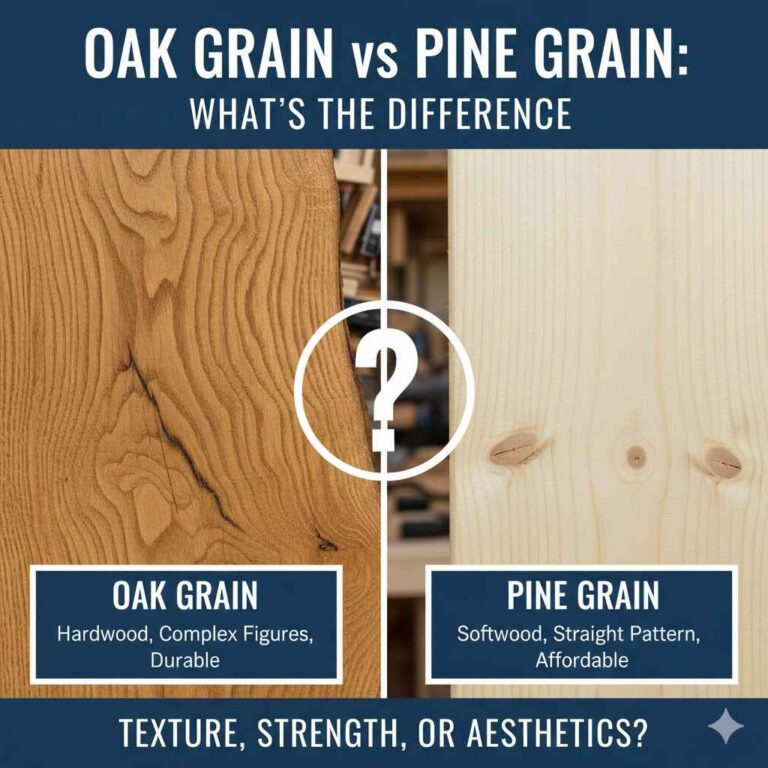
- Appearance: Light to medium brown, often with a slight reddish or grayish hue. It has a coarser grain than many other oaks and can exhibit attractive figuring.
- Durability: Strong, hard, and durable. It’s moderately resistant to decay, though not as much as genuine American Chestnut.
- Workability: Like most oaks, it can be somewhat challenging to work with due to its hardness and sometimes open grain. It glues reasonably well but requires careful finishing to fill pores.
- Availability and Cost: Widely available and moderately priced, making it a more practical choice for many projects.
- Uses: Flooring, cabinetry, furniture, construction lumber, fence posts, and traditionally, for tanning leather (hence “Tanbark Oak”).
Comparing the Woods: A Side-by-Side Look
To make the differences even clearer, let’s put them head-to-head. This table highlights the essential distinctions for a woodworker.
| Feature | American Chestnut (Castanea dentata) | Chestnut Oak (Quercus montana) |
|---|---|---|
| Wood Family | Beech Family (Fagaceae) | Oak Family (Fagaceae) |
| Color | Rich reddish-brown | Light to medium brown, sometimes with reddish/grayish tones |
| Grain Texture | Straight, finer than oak | Coarser, open grain typical of oak |
| Rot Resistance | Excellent | Moderate |
| Hardness (Janka Scale) | ~990 lbf (varies) | ~1310 lbf (similar to Red Oak) |
| Workability | Easy | Moderately difficult (due to hardness) |
| Availability | Extremely Rare, salvaged only | Widely Available |
| Cost | Very Expensive | Moderate |
| Primary Uses | Specialty furniture, decorative items, outdoor projects (where salvaged) | Flooring, cabinetry, general furniture, construction |
The Janka hardness rating gives us a general idea of how hard a wood is. American Chestnut is softer than Chestnut Oak, which often makes it easier to work but also less resistant to dents and wear over time.
Why the Name Confusion? Leaves and History
The primary reason for the confusion between these two trees is their leaves. The leaves of the American Chestnut tree are shaped very much like those of the Chestnut Oak. When settlers first arrived in North America, they encountered both trees. Those familiar with European oaks might have noted the resemblance of these native American trees’ leaves and given them descriptive names. The American Chestnut was named for its edible nuts, which were a significant food source. The Chestnut Oak, sharing that leaf resemblance, was thus named.
The Near Extinction of the American Chestnut
The story of the American Chestnut is a tragic one in ecological history. Before the blight, these trees dominated vast forests. They were prized not only for their lumber but also for their abundant crop of large, sweet nuts, which fed wildlife and humans alike.
The chestnut blight, introduced from Asia, arrived in the U.S. in the early 1900s. Lacking natural resistance, the American Chestnut trees were decimated within a few decades. This had a profound impact on forest ecosystems and the communities that relied on the trees.
You can delve deeper into this history and the ongoing efforts to bring back the American Chestnut by visiting the National Park Service’s article on Chestnut Blight.
Choosing the Right Wood for Your Project
So, when you’re standing in the lumberyard (or more likely, searching online specialty dealers for American Chestnut), how do you decide? It really comes down to your project’s needs, your budget, and what’s available.
When to Consider American Chestnut
Given its extreme rarity and cost, American Chestnut is generally reserved for very specific applications:
- Heirloom Furniture: If you need to craft a unique, high-value piece where the distinctive color and historical significance are paramount, and budget isn’t the primary concern.
- Restoration Projects: Replicating historical pieces where genuine American Chestnut would have been used.
- Decorative Accents: Small projects or inlays where a small amount of this unique wood can add significant character.
- Outdoor Elements (with caution): Its rot resistance makes it ideal for things like fence pickets or porch railings, but its cost makes this prohibitive for most.
Important Note on Salvaged Wood: If you find “American Chestnut” lumber, it’s almost certainly salvaged. Inspect it carefully for signs of rot, insect damage, cupping, or warping that often comes with old wood. Also, be aware that aged wood can contain embedded nails, staples, or other metal fragments. Always use a metal detector and wear safety glasses when milling salvaged lumber.
When to Choose Chestnut Oak
Chestnut Oak is the workhorse wood that most DIYers and woodworkers will turn to for a wide array of projects. Its robust nature and availability make it a practical and beautiful choice:
- Flooring: Its hardness and durability make it excellent for high-traffic areas.
- Cabinetry: The attractive grain and sturdy nature provide beautiful and long-lasting cabinet doors and boxes.
- Solid Furniture: Perfect for tables, chairs, bed frames, and other furniture that needs to be strong and stable.
- Stair Treads and Handrails: Its wear resistance is a significant advantage here.
- General Construction: Where strength and a decent appearance are needed, such as framing, paneling, or utility pieces.
- Outdoor Projects (less demanding): While not as rot-resistant as genuine Chestnut, it holds up reasonably well for things like garden benches or decks if properly sealed and maintained.
For a comprehensive guide on choosing wood species for different applications, the Wood Handbook by the U.S. Forest Products Laboratory is an invaluable, albeit technical, resource.
Working with Chestnut Oak: Tips for Beginners
Since Chestnut Oak is the more accessible option, let’s spend a little time on how to make working with it a breeze, even if you’re just starting out.
Safety First!
Like any woodworking project, safety is paramount. Always:
- Wear safety glasses to protect your eyes from sawdust and flying debris.
- Use hearing protection when operating loud machinery.
- Keep your work area clean and free of clutter.
- Read and understand the operating manuals for all your tools.
- Never wear loose clothing or jewelry that could get caught in machinery.
Milling and Cutting
Chestnut Oak can be relatively hard. Ensure your saw blades are sharp. For rip cuts, a table saw with a good quality ripping blade is efficient. For crosscuts, a miter saw or a table saw with a crosscut sled works well. Its open grain might mean you need to take slightly shallower passes with jointers or planers to avoid tear-out, especially if the grain is wild.
Joining Techniques
Chestnut Oak glues well, but because of its open grain, you might need to use more glue than you would with a finer-grained wood. For stronger joints, consider screws, dowels, or pocket hole joinery. Traditional joinery like mortise and tenon or dovetails will be strong but require more effort due to the wood’s hardness.
Finishing
This is where you can really make Chestnut Oak shine. Its natural color is appealing, but a good finish will protect it and enhance its beauty.
- Filling the Pores: For a smooth finish, especially on tabletops or cabinets, you’ll want to fill the open pores. A grain filler (available in many colors, or you can tint a water-based one) applied and wiped off before sealing is a great approach.
- Staining: Chestnut Oak takes stain well. A pre-stain wood conditioner can help ensure an even color, especially if your piece has areas with mixed grain patterns.
- Clear Coats: Polyurethane (oil-based or water-based), lacquer, or a good paste wax will provide protection and a desirable sheen.
For a beginner-friendly guide on wood finishing, check out resources from reputable woodworking brands. For instance, Minwax offers excellent tutorials on their website.
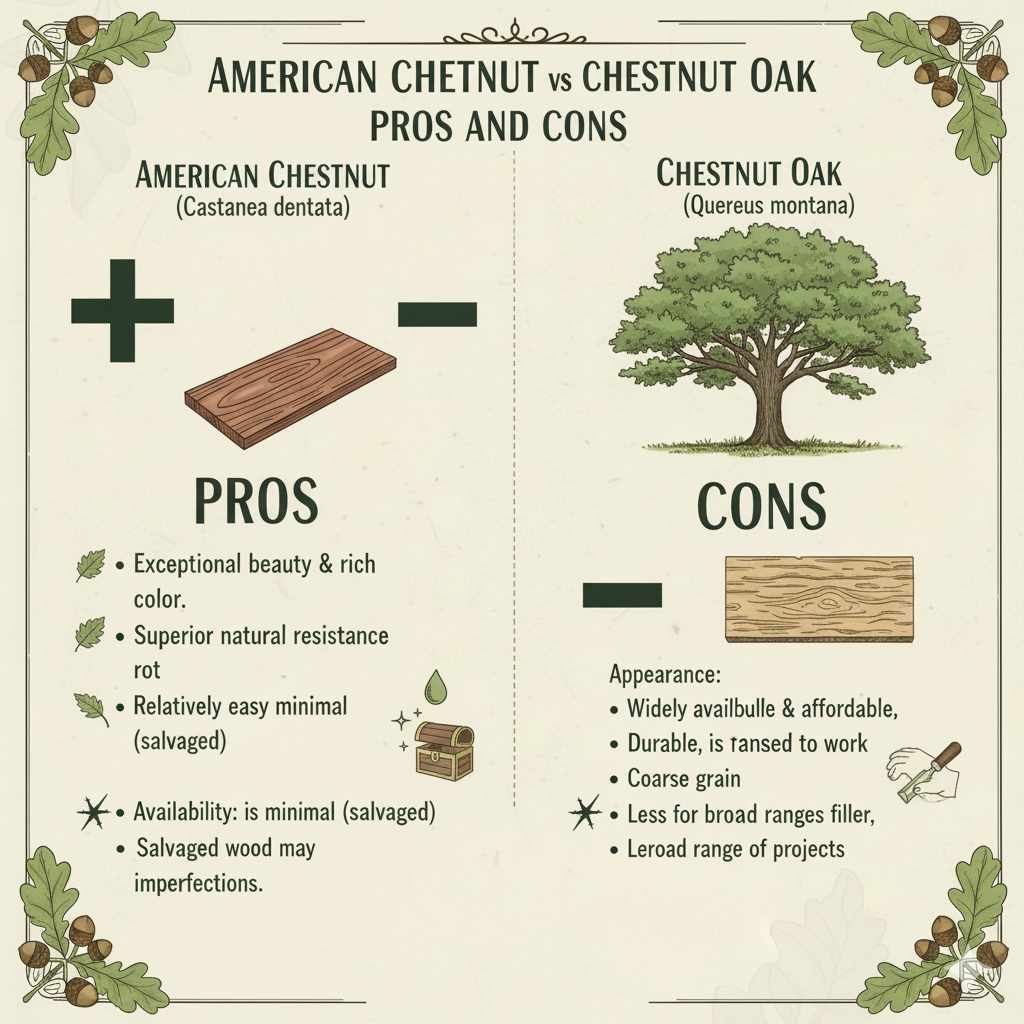
Pros and Cons at a Glance
Let’s recap the advantages and disadvantages of each wood type, making it easy to remember the key takeaways.
American Chestnut
Pros:
- Exceptional beauty and rich color.
- Superior natural resistance to rot and decay.
- Relatively easy to work with.
- Carries historical significance.
Cons:
- Extremely rare and prohibitively expensive.
- Availability is minimal (salvaged only).
- Salvaged wood may have imperfections.
Chestnut Oak
Pros:
- Widely available and affordable.
- Durable and hard, suitable for high-wear applications.
- Attractive, natural wood tones.
- Good for a broad range of projects.
Cons:
- Moderately difficult to work due to hardness.
- Grain can be coarse and open, requiring filler for smooth finishes.
- Less rot-resistant than genuine American Chestnut.
Frequently Asked Questions (FAQ) about American Chestnut and Chestnut Oak
Q1: Can I easily buy American Chestnut lumber for my projects?
A1: No, it is extremely rare. You will only find salvaged American Chestnut, typically from old buildings, barns, or fences. This wood is expensive and hard to source consistently.
Q2: What is the main reason the American Chestnut is so rare?
A2: The primary reason is a devastating fungal disease called chestnut blight, which arrived in the U.S. in the early 20th century and nearly wiped out the species.
Q3: If I can’t get American Chestnut, what is a good, widely available alternative with a similar look?
A3: While no wood perfectly replicates the rich reddish-brown of American Chestnut, woods like Black Walnut (though also pricey), some cherry varieties, or even stained red oak can offer similar visual appeals for certain projects.
Q4: Is Chestnut Oak the same as White Oak or Red Oak?
A4: No, Chestnut Oak (Quercus montana) is a distinct species within the oak family. It shares some properties with White Oak and Red Oak but has its own unique characteristics, including its distinctive leaf shape, which is similar to the American Chestnut leaf.
Q5: How does the hardness of Chestnut Oak compare to Red Oak?
A5: Chestnut Oak is generally considered to be as hard, or slightly harder, than Red Oak, with a Janka hardness rating of around 1310 lbf compared to Red Oak’s average of 1290 lbf.
Q6: Can I use Chestnut Oak for outdoor furniture?
A6: Yes, Chestnut Oak can be used for outdoor furniture, but it’s crucial to seal and maintain it properly. It is moderately rot-resistant, but for applications in constant contact with the ground or frequent moisture, other woods like cedar, redwood, or properly treated lumber are often preferred.
Conclusion
Deciding between American Chestnut and Chestnut Oak boils down to practicality, availability, and your project’s specific requirements. For most woodworking beginners and DIY enthusiasts, Chestnut Oak is the clear choice. It’s abundant, affordable, and offers a beautiful, durable hardwood perfect for everything from flooring and cabinetry to sturdy furniture. You get a reliable, strong wood that performs exceptionally well and can be finished to a high standard.
American Chestnut, on the other hand, is a legendary wood, a bit like a ghost from the forest. Its stunning appearance and historical significance make it highly desirable, but its extreme rarity and cost mean it’s typically reserved for niche, high-end projects or careful restorations where its unique story can be appreciated.
By understanding their distinct qualities, you can confidently select the right wood for your next woodworking adventure. Whether you’re aiming for the historic charm of salvaged Chestnut or the dependable strength of abundant Chestnut Oak, you’re well on your way to creating something wonderful. Happy building!