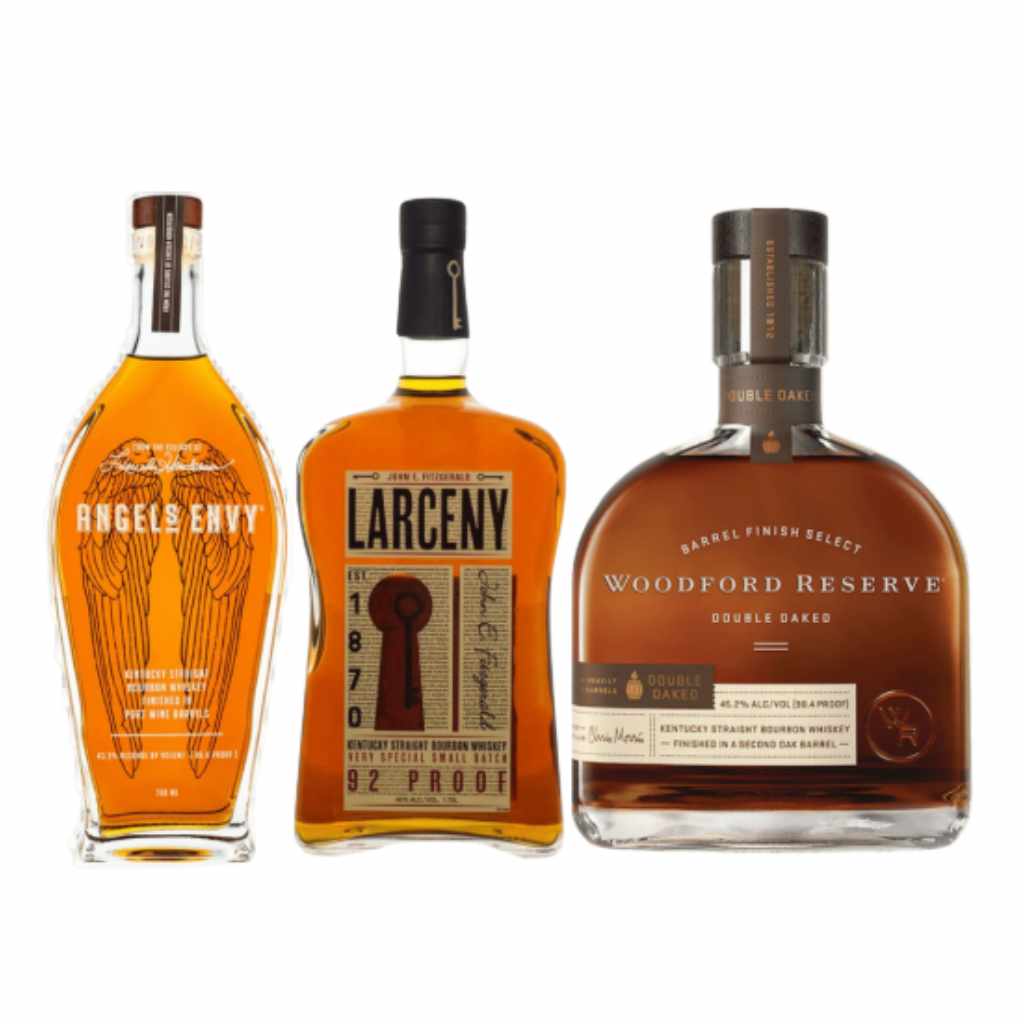
Angel’s Envy Vs Woodford Reserve Which Bourbon Wins
Picking between two amazing bourbons can be tough, especially when you’re new to trying them. Many folks wonder about Angel’s Envy vs Woodford Reserve: Which Bourbon Wins? It’s a common question because both are popular and offer something a little different. You might feel a bit lost trying to decide which one is right for you.
Don’t worry! We’ll break it down simply, step by step, so you can feel confident in your choice. We’ll look at what makes each one special and help you find your new favorite sipper.
Exploring Angel’s Envy Bourbon
Angel’s Envy is a bourbon that often catches the eye of those looking for something with a bit of an extra twist. It’s known for its unique finishing process, which gives it a distinct flavor profile. This finishing is where much of its appeal comes from, making it stand out from more traditional bourbons.
We will look at what makes Angel’s Envy a preferred choice for many and how its creation process contributes to its character.
What is Angel’s Envy Finished In
The heart of Angel’s Envy’s distinctiveness lies in its finishing. After the initial aging in new charred oak barrels, the bourbon is moved to a second barrel for additional aging. This secondary barrel is typically a port wine barrel.
This step is not just for show; it actively imparts new flavors and aromas into the bourbon. The wood from the port barrels, which have previously held sweet port wine, releases rich notes that mingle with the bourbon’s existing character. This process is known as finishing, and it’s a key technique used to add layers of complexity and depth to the spirit.
Port barrels are often chosen because they contribute notes of fruit, sweetness, and sometimes even spice. These flavors complement the inherent characteristics of bourbon, which typically include vanilla, caramel, and oak. The time spent in the port barrel can vary, but even a shorter finishing period can have a significant impact on the final taste.
This carefully controlled secondary aging allows the bourbon to absorb the nuanced flavors of the port wine, resulting in a bourbon that is both familiar and surprisingly complex.
This finishing technique is a major reason why Angel’s Envy has gained such a following. It offers a departure from the standard bourbon profile, appealing to those who enjoy a slightly sweeter or fruitier taste. The idea is to create a bourbon that is exceptionally smooth and approachable, with a flavor profile that evolves with each sip.
The makers of Angel’s Envy believe that this secondary aging is what truly sets their bourbon apart and provides a memorable drinking experience.
Flavor Profile of Angel’s Envy
When you taste Angel’s Envy, you’re greeted with a rich tapestry of flavors, largely shaped by its port barrel finish. The initial aroma might hint at the sweetness to come, with notes of vanilla and caramel that are common to many bourbons. However, the port influence quickly makes itself known.
You’ll likely detect flavors of dark fruits, such as raisins, cherries, and plums. These fruit notes are not overpowering but rather blend harmoniously with the bourbon’s core characteristics.
Beyond the fruit, there’s often a subtle spiciness, perhaps a touch of cinnamon or clove, that adds another layer of interest. The oak from the original barrel aging provides a pleasant tannic structure, preventing the bourbon from becoming too sweet. The port barrel also contributes a velvety smooth mouthfeel, making it very easy to drink.
Many describe it as having a finish that is both long and satisfying, with the fruit and oak notes lingering pleasantly on the palate.
This complex flavor profile makes Angel’s Envy a versatile choice. It’s enjoyable on its own, allowing you to savor each nuance. It also performs well in cocktails, where its rich flavors can add an interesting dimension to classic drinks like an Old Fashioned or a Manhattan.
The balance of sweet fruit, warm spice, and underlying bourbon character is what makes it a standout for many whiskey enthusiasts.
Angel’s Envy Common Varieties
While the flagship product is the Angel’s Envy Kentucky Straight Bourbon Finished in Port Wine Barrels, the brand has expanded its offerings to include other expressions. These variations allow them to explore different finishing woods and mash bills, catering to a wider range of palates and occasions. Each expression maintains the core philosophy of thoughtful secondary aging to enhance flavor.
- Angel’s Envy Rye Finished in Rum Casks: This expression takes a departure from bourbon and focuses on rye whiskey. The rye, known for its spicier character, is finished in rum casks. This pairing creates a unique interplay of flavors, with the spice of the rye complemented by the tropical or molasses notes often found in rum. It offers a different kind of complexity, showcasing how different base spirits and finishing barrels can create entirely new tasting experiences. This is a great option for those who enjoy the spicier notes of rye but are looking for a sweeter, more exotic twist.
- Angel’s Envy Cask Strength: This is a limited release that showcases Angel’s Envy at a higher proof and often with a more pronounced expression of its finishing influence. The cask strength version provides an intense flavor experience, highlighting the impact of the port barrel aging in a more powerful way. It’s generally aimed at the more experienced whiskey drinker who appreciates the bold flavors that come with higher alcohol content. These bottlings are often highly sought after due to their limited availability and exceptional quality.
- Angel’s Envy Tawny Port Finish: This is a more recent addition that specifically highlights the type of port used for finishing. By specifying Tawny Port, the brand suggests a specific flavor profile that might include notes of nuts, dried fruit, and caramel, which are characteristic of Tawny Ports. This allows consumers to have a better expectation of the flavor nuances they might encounter, adding another layer of transparency and craftsmanship to their product line.
These different expressions demonstrate Angel’s Envy’s commitment to innovation and exploration within the whiskey world. By experimenting with various finishing barrels and different base spirits, they continue to push the boundaries of what bourbon and rye can be. This variety ensures there’s an Angel’s Envy product for almost any preference, from those who prefer classic bourbon notes to those who seek more adventurous flavor profiles.
Exploring Woodford Reserve Bourbon
Woodford Reserve stands as a pillar in the bourbon industry, recognized for its consistent quality and traditional approach to whiskey making. Unlike Angel’s Envy’s distinctive finishing, Woodford Reserve focuses on a meticulously crafted mash bill and a specific distillation process to achieve its signature taste. It’s a brand that many turn to for a reliable and classic bourbon experience, embodying the heritage of Kentucky bourbon.
The Woodford Reserve Distillation Process
Woodford Reserve’s flavor profile is deeply rooted in its unique production methods. A key differentiator is its triple distillation process, a technique less common in American bourbon making. While many bourbons are double distilled, triple distillation involves an additional run through the still.
This process, inspired by Scotch whisky traditions, aims to produce a lighter, more refined spirit. The result is a spirit that is exceptionally smooth and cleaner, removing more impurities and unwanted congeners.
Another critical element is their use of copper pot stills. These are considered the workhorses of their distillery. Copper pot stills are known for their ability to impart subtle flavor characteristics into the spirit as it distills.
The interaction between the alcohol vapor and the copper is believed to contribute to the overall complexity and character of the final product. This contrasts with column stills, which are often used for higher volume production and can result in a more neutral spirit.
The grain bill, the specific mix of grains used in the mash, also plays a significant role. Woodford Reserve uses a relatively high rye content in its mash bill, which contributes to its distinctive spicy notes. The exact ratio of corn, rye, and malted barley is proprietary but is designed to create a balanced whiskey.
This combination, along with the triple distillation and pot still process, creates a bourbon that is both complex and remarkably smooth, setting the stage for its aging process.
Flavor Profile of Woodford Reserve
Woodford Reserve offers a beautifully balanced flavor profile that appeals to a wide range of bourbon drinkers. Upon first taste, you’ll likely notice the prominent notes of caramel and vanilla, classic characteristics of a well-aged bourbon. These sweet, comforting flavors are a hallmark of the brand.
The oak influence from the barrels is present, providing a pleasant dryness and structure that prevents the sweetness from becoming cloying.
What sets Woodford Reserve apart is its intricate balance. Alongside the sweetness, you’ll find distinct notes of fruit, often described as orchard fruits like apple or pear, and sometimes a hint of dried fruit. The rye in the mash bill makes its presence known through a gentle, warming spice.
This spice is not aggressive but rather adds a sophisticated complexity that complements the sweeter notes. You might also detect subtle hints of chocolate or coffee, adding further depth to the experience.
The finish is typically long and smooth, with the flavors evolving on the palate. The spice and oak notes linger, leaving a pleasant warmth. It’s a bourbon that is often described as approachable yet layered, making it suitable for sipping neat or enjoying in a well-crafted cocktail.
The consistency of its flavor profile from batch to batch is a testament to their precise production methods.
Woodford Reserve Common Varieties
Woodford Reserve offers a range of expressions that showcase their commitment to quality and variation within the bourbon category. While their flagship is the “Distiller’s Select,” they have developed several other well-regarded bourbons that cater to different preferences and highlight specific aspects of their craft.
- Woodford Reserve Double Oaked: This expression takes their classic bourbon and gives it an extra aging period in a second, heavily toasted new oak barrel. This secondary charring intensifies the oak influence, leading to a richer, deeper flavor profile. Expect more pronounced notes of caramel, vanilla, and toasted wood. The extra oak interaction can also contribute to a fuller body and a longer, more satisfying finish. This is a great choice for those who enjoy a more intense oak character in their bourbon.
- Woodford Reserve Rye: While not a bourbon, their Rye is a significant offering for fans of the grain. Made with a mash bill of at least 51% rye, this whiskey delivers a spicier, more peppery profile than their bourbon. It still maintains that characteristic Woodford Reserve balance, with notes of fruit and oak complementing the assertive rye spice. It’s a complex and flavorful rye that stands on its own and is excellent in cocktails, especially those that benefit from a spicy kick.
- Woodford Reserve Wheat: This expression highlights the role of wheat in the mash bill. Wheat is often used as a secondary grain in bourbon to impart a softer, sweeter character, sometimes referred to as a “wheated bourbon.” Woodford Reserve’s Wheat expression leans into this, offering a smoother, more delicate profile with notes of honey, dried fruit, and a pleasant sweetness. It’s a good choice for those who find traditional rye-heavy bourbons a bit too spicy.
- Woodford Reserve Barrel Proof: Similar to Angel’s Envy Cask Strength, this is a high-proof offering that showcases the bourbon without dilution. This allows the full intensity of the flavors to come through. Barrel proof bourbons often exhibit a richer mouthfeel and a more potent expression of oak, spice, and fruit notes. It’s an experience for those who appreciate the unadulterated power of well-crafted bourbon.
These variations allow Woodford Reserve to demonstrate the versatility of their distillery and their expertise in crafting different whiskey styles. Each bottling is a testament to their dedication to quality, from the careful selection of grains to the precise distillation and aging processes. They provide excellent opportunities to explore the nuances of bourbon and rye whiskey.
Angel’s Envy vs Woodford Reserve Which Bourbon Wins
Deciding between Angel’s Envy and Woodford Reserve often comes down to personal preference and what you seek in a bourbon. There isn’t a single “winner” as both are excellent, but they cater to different palates and occasions. Think of it not as a competition to be won, but as a choice between two distinct experiences.
Understanding their core differences will help you make the right selection for you.
Key Differences to Consider
The most significant difference lies in their production and flavor profiles. Angel’s Envy is defined by its port barrel finishing, which introduces distinct fruit and sweet notes. Woodford Reserve, on the other hand, relies on its triple distillation and a carefully balanced mash bill, often with a notable rye presence, to create a more traditional, complex, yet smooth bourbon.
This fundamental difference shapes everything about how each whiskey tastes and feels.
Consider the sweetness factor. Angel’s Envy tends to be sweeter due to the port wine influence, offering notes of raisins, cherries, and a velvety texture. Woodford Reserve offers a more balanced sweetness, with caramel and vanilla, but it’s counteracted by a noticeable spice from the rye and the structure from oak.
If you prefer your bourbon with prominent fruit notes and a slightly sweeter disposition, Angel’s Envy might be your preference. If you enjoy a more complex interplay of sweet, spicy, and oaky flavors with a smoother finish, Woodford Reserve might be a better fit.
The texture and mouthfeel also differ. Angel’s Envy’s port finish often results in a richer, sometimes slightly syrupy mouthfeel. Woodford Reserve, with its triple distillation and rye spice, often presents a more refined, perhaps slightly drier, yet still smooth mouthfeel.
Both are very drinkable, but the sensation in your mouth will be distinct. It’s about what kind of sensory experience you are looking for when you take a sip.
Taste Comparison Chart
To help visualize the differences, here’s a comparative chart of their flagship products:
| Feature | Angel’s Envy Bourbon | Woodford Reserve Distiller’s Select |
|---|---|---|
| Finishing Barrel | Port Wine Barrels | New Charred Oak Barrels (no secondary finishing) |
| Dominant Flavor Notes | Dark Fruits (raisin, cherry), Vanilla, Caramel, Subtle Spice | Caramel, Vanilla, Oak, Spice (from rye), Orchard Fruits |
| Sweetness Level | Moderately Sweet | Balanced Sweetness |
| Mouthfeel | Rich, Velvety, Smooth | Smooth, Balanced, Slightly Dry |
| Primary Appeal | Unique flavor from finishing, Approachable fruitiness | Traditional bourbon character, Balanced complexity, Smoothness |
This table highlights the core distinctions. Angel’s Envy’s innovation through finishing is clear, while Woodford Reserve emphasizes a classic, well-executed bourbon profile. Both offer high quality, but the journey to that quality and the resulting taste are quite different.
When to Choose Which Bourbon
When you’re deciding between Angel’s Envy and Woodford Reserve, consider the situation and your mood. If you’re looking for something a bit different, a bourbon that offers a unique flavor profile with noticeable fruitiness and a touch of sweetness, Angel’s Envy is an excellent choice. It’s perfect for sipping after dinner or when you want to try something that stands out from the crowd.
It’s also a great conversation starter, as its finishing process is a talking point.
On the other hand, if you’re in the mood for a classic, reliable, and elegantly balanced bourbon, Woodford Reserve is hard to beat. It’s a fantastic everyday sipper, ideal for enjoying neat or on the rocks. It also shines in cocktails, providing a solid foundation for any mixed drink.
If you appreciate the traditional characteristics of bourbon – the caramel, vanilla, oak, and a touch of spice – and want a consistently high-quality experience, then Woodford Reserve is likely your go-to.
For beginners, both are accessible, but they offer different entry points into the world of bourbon. Angel’s Envy introduces the concept of finishing and its impact on flavor, which can be very appealing. Woodford Reserve offers a masterclass in balanced, traditional bourbon making.
Trying both, perhaps side by side, is the best way to discover your personal favorite. You might find you enjoy different bourbons for different reasons.
Real-Life Bourbon Experiences
Hearing about what others have experienced can offer valuable insight. Many bourbon enthusiasts enjoy comparing these two popular brands and have shared their preferences and tasting notes. These real-world encounters can help you relate the descriptions to actual sipping experiences and understand how different palates perceive these bourbons.
Tasting Notes from Enthusiasts
Many bourbon bloggers and reviewers often highlight the distinctiveness of each. For Angel’s Envy, common notes include a “jammy” fruit quality, describing the concentrated dark fruit flavors as reminiscent of fruit preserves. They often praise its smoothness and how the port finish doesn’t overpower the underlying bourbon character, but rather enhances it.
One reviewer noted, “Angel’s Envy is like a warm hug with a fruity kiss,” appreciating its comforting yet intriguing profile.
Woodford Reserve, conversely, is frequently lauded for its “sophistication” and “balance.” Reviewers often comment on the pleasant interplay of sweetness and spice. Phrases like “a symphony of flavors” are common, emphasizing how the different components—caramel, oak, rye spice, and fruit—work together seamlessly. A typical comment might be, “Woodford Reserve is my go-to for a reason; it’s consistently excellent and always delivers that perfect bourbon character without being too much of one thing.”
Comparisons often come down to the finishing versus the traditional method. Those who appreciate innovation and a fruit-forward profile lean towards Angel’s Envy. Those who value time-tested bourbon craftsmanship and a more complex, layered traditional taste often favor Woodford Reserve.
Ultimately, the “winner” depends entirely on what you prioritize in a bourbon.
Cocktail Comparisons
Both Angel’s Envy and Woodford Reserve can be excellent in cocktails, but they lend different qualities to mixed drinks. In an Old Fashioned, Angel’s Envy’s inherent sweetness and fruit notes can create a richer, more dessert-like cocktail. It can make the drink feel smoother and add a distinct fruit complexity that might require less sugar or bitters.
The port influence can bring out notes of cherry and plum in the drink.
Woodford Reserve, with its balanced profile and rye spice, provides a more traditional and robust backbone for an Old Fashioned. It allows the classic elements of sugar and bitters to shine while adding its own layers of caramel and oak. The rye spice in Woodford Reserve can also cut through richer ingredients, making it a versatile choice for many cocktails, from Manhattans to Sazeracs.
It often provides a cleaner, more spirited base for drinks where you want the bourbon’s character to be present but not overwhelming.
For a Whiskey Sour, Angel’s Envy might offer a fruitier, sweeter rendition, while Woodford Reserve could provide a more balanced, slightly spicier profile. The choice often depends on whether you want your cocktail to lean more towards a fruit-forward profile or a more classic, spirit-forward taste. Both can excel, but they will produce different results.
Frequently Asked Questions
Question: Which bourbon is sweeter Angel’s Envy or Woodford Reserve
Answer: Angel’s Envy is generally considered sweeter due to its finishing in port wine barrels, which imparts fruitier and richer notes. Woodford Reserve has a balanced sweetness with caramel and vanilla, complemented by rye spice, making it less overtly sweet.
Question: Is Angel’s Envy finished in the same barrels as Woodford Reserve
Answer: No, Angel’s Envy bourbon is finished in port wine barrels. Woodford Reserve Distiller’s Select is aged in new charred oak barrels and does not undergo a secondary finishing process with port wine barrels.
Question: Is Woodford Reserve a rye whiskey or a bourbon
Answer: Woodford Reserve Distiller’s Select is a bourbon. They also produce a separate Woodford Reserve Rye whiskey expression.
Question: Which bourbon is better for beginners
Answer: Both are good for beginners, but Angel’s Envy’s approachable fruitiness and smoothness might be slightly more inviting for those new to bourbon. Woodford Reserve offers a great introduction to balanced bourbon flavors.
Question: Can I use Angel’s Envy or Woodford Reserve for cocktails
Answer: Absolutely! Both bourbons are excellent for cocktails. Angel’s Envy can add a unique fruitiness and sweetness, while Woodford Reserve provides a classic, balanced bourbon character that works well in a wide variety of drinks.
Final Thoughts
Exploring the world of bourbon is an exciting adventure, and understanding the nuances between different brands like Angel’s Envy and Woodford Reserve is part of that discovery. Angel’s Envy brings an innovative approach with its port barrel finishing, offering a bourbon rich in fruit flavors and a velvety smoothness that many find incredibly appealing. It’s a choice for those who enjoy a touch of sweetness and a unique twist on traditional bourbon.
Woodford Reserve, on the other hand, represents the pinnacle of traditional bourbon craftsmanship. Its balanced mash bill, triple distillation, and the careful aging process result in a complex yet remarkably smooth whiskey. It’s a bourbon that consistently delivers classic notes of caramel, vanilla, oak, and a pleasant spice, making it a reliable and sophisticated choice for any occasion.
Whether you prefer the innovative fruitiness of Angel’s Envy or the balanced complexity of Woodford Reserve, the best way to find your favorite is to taste them for yourself.
Consider trying both their flagship products side-by-side. Pay attention to the aromas, the initial taste on your palate, how the flavors develop, and the lingering finish. Think about the times you typically enjoy a bourbon—perhaps a quiet evening at home, a gathering with friends, or as a base for your favorite cocktail.
Your personal experiences and preferences will guide you to the bourbon that best suits your taste. Don’t be afraid to experiment with other expressions from both brands as well, as they offer a variety of experiences that can broaden your bourbon appreciation.