Are Black Walnut Trees Valuable? Essential Guide
Black walnut trees are extremely valuable, prized by woodworkers for their deep color, straight grain, and exceptional strength, making them one of the most sought-after domestic fine hardwoods for high-end furniture and veneers.
Have you ever looked at a towering black walnut tree and wondered if it’s worth more than just summer shade? Many new woodworkers and homeowners see these majestic trees in their yard and immediately think about potential profit or beautiful lumber. It’s tough to know exactly how much value is hiding in that dark bark! Don’t worry; figuring out the value of black walnut is easier than you think. We will walk through exactly what makes this wood so special, how to assess its worth, and the simple steps others take to cash in on their gorgeous trees.
If you’re stepping into the world of woodworking or simply curious about the assets on your property, understanding the value of Black Walnut (Juglans nigra) is crucial. The short answer is yes—they are incredibly valuable. But value isn’t just about size; it depends on quality, location, and how you plan to use the timber.
As a woodworker and a DIY enthusiast, I’ve learned that nature provides some of the best materials, and Black Walnut is the undisputed king of domestic furniture woods. For beginners, understanding this value helps you appreciate the material even if you plan to use it in small DIY projects later on.
Why Black Walnut Sits at the Top of the Value Chain
What gives Black Walnut its premium price tag? It comes down to a perfect combination of aesthetics, workability, and rarity compared to common woods like pine or oak. When you look at a piece of walnut furniture, you are seeing decades of growth preserved in a durable, beautiful medium.
The Look: Color and Grain
Black Walnut is famous for its rich, chocolate-brown to dark purple heartwood. This deep, contrasting color is highly desirable for luxury items. It doesn’t need much staining to look fantastic.
- Heartwood: Deep, luxurious brown colors, often with lighter sapwood bands (which some people leave in for contrast).
- Grain Pattern: Typically straight, but it can feature beautiful, wild curls or burls that significantly increase value.
- Stability: It dries down well and shrinks less than many other hardwoods, meaning your finished projects are less likely to warp or crack over time.
The Feel: Strength and Workability
While prized for looks, Walnut is also a fantastic workhorse. It’s strong enough for demanding applications without being overly difficult to cut or shape, which is a huge bonus for those still mastering their table saw settings.
- Durability: It holds up well against wear and tear, making it excellent for flooring, cabinetry, and tabletops.
- Accepts Finish Well: Whether you use oil, lacquer, or varnish, Walnut takes the finish beautifully, resulting in a deep, glossy sheen.
- Relatively Easy to Machine: Unlike very hard woods like Hickory, Walnut machines cleanly with sharp tools, reducing tear-out for beginners.
Rarity and Demand
The demand for high-quality, domestic hardwood like Black Walnut consistently outstrips the supply. While many trees grow, only a fraction of those reach the size and quality required for high-grade lumber. This scarcity drives prices upward, often making it one of the most expensive domestic woods you can buy. For serious woodworkers, knowing how to properly source and mill this wood can make or break a budget-conscious project.
Assessing Your Tree: Key Factors That Determine Value
If you have a Black Walnut tree on your property, its raw potential is excellent, but its final value as lumber depends on several measurable factors. Think of this like evaluating a potential building site—the foundation matters most.
1. Diameter at Breast Height (DBH)
This is the number one measurement loggers and sawyers look for. DBH is taken 4.5 feet above the ground. Generally, the bigger the diameter, the larger the clear, straight boards you can get from the trunk, which equals more money or more usable material for your shop.
Rule of Thumb: Trees under 12 inches DBH are usually too small to mill profitably for sale, though they are still great for turning blanks or small projects.
2. Trunk Straightness and Clear Length
Wavy trunks, leans, or trees with too many branches low down reduce value dramatically. Sawyers want a long, straight cylinder of wood with minimal knots.
- Clear Length: This is the run of straight, knot-free trunk before the first major limb branches off. A 16-foot clear run is highly desirable.
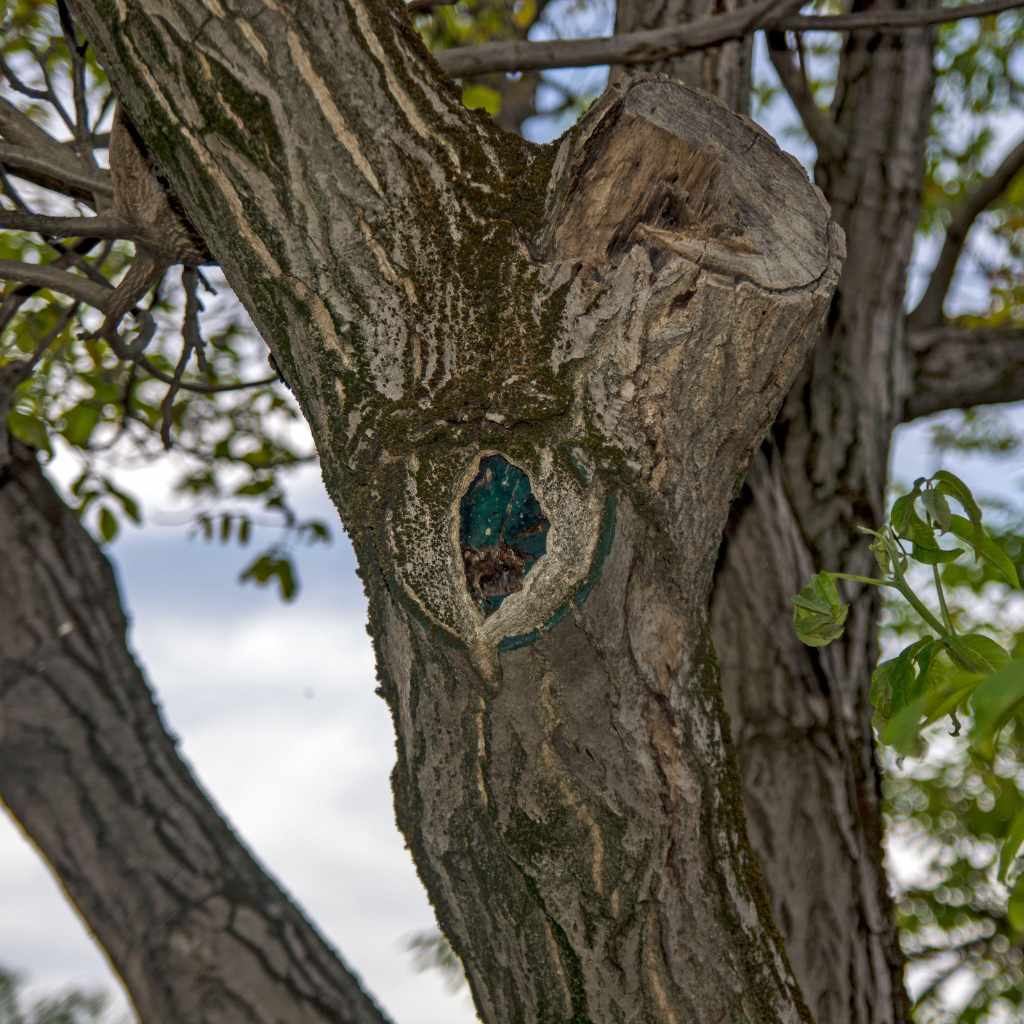
- Defects: Large, visible scars, lightning strikes, or evidence of internal rot (like conks or mushrooms) can immediately decrease or even eliminate commercial value for high-grade lumber.
3. Tree Health and Species Verification
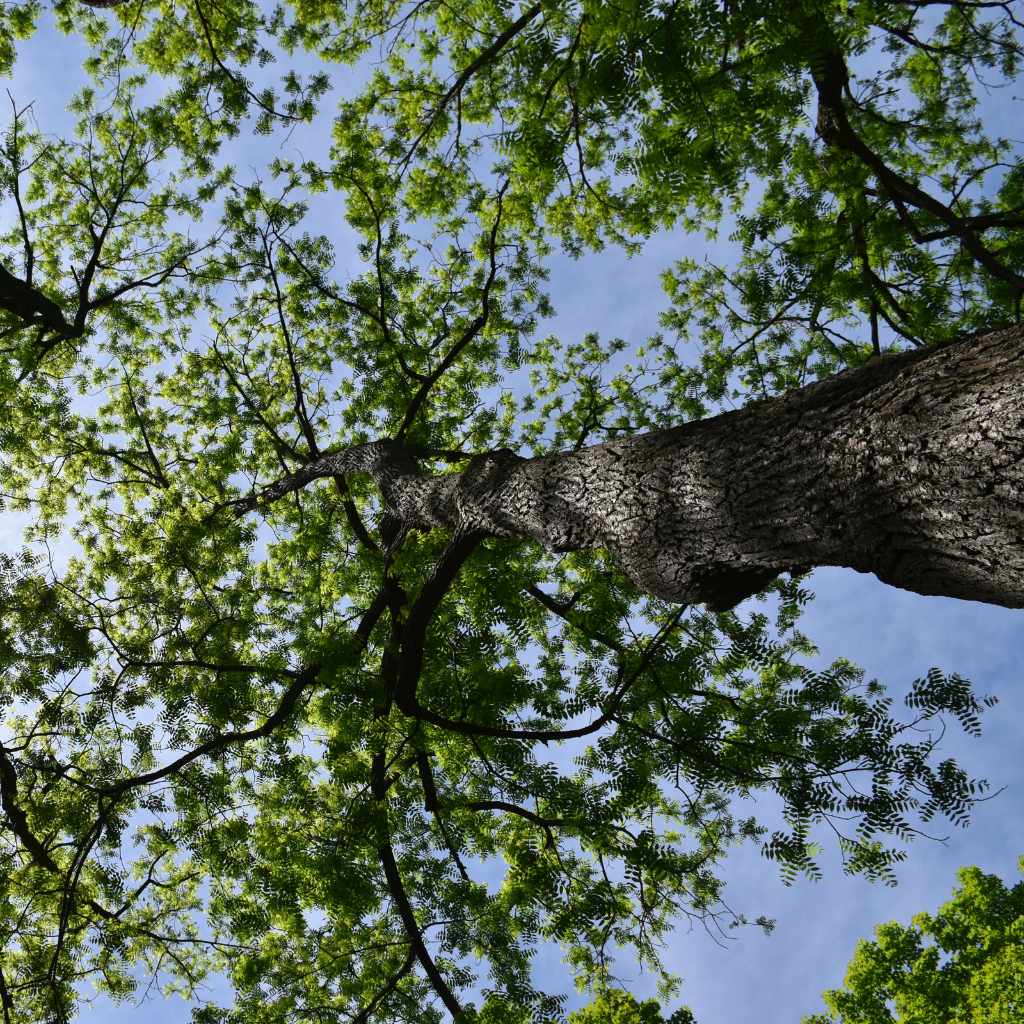
It must be true Black Walnut (Juglans nigra). Other walnuts exist, but they don’t have the same desirable color or strength. Ensure the tree is healthy. Stressed or dying trees can have discolored or brittle wood.
For serious logging inquiries, professional verification might be necessary. For homeowners, simply confirming the compound leaves and dark, deeply furrowed bark usually suffices for initial interest.
Table 1: General Value Comparison for Walnut Lumber Grades (Relative)
This table helps you understand how quality dictates price at the lumberyard. Remember, these are generalizations; actual pricing is set by local markets.
| Lumber Grade | Primary Use | Value Implication |
|---|---|---|
| Clear Grade (FAS/Select) | High-end furniture, veneers | Highest Value – must be virtually clear of defects. |
| No. 1 Common | Smaller furniture components, shelving | Good Value – allows for some smaller knots or discoloration. |
| No. 2 Common | Cabinetry, rustic projects | Moderate Value – more knots, usable for functional pieces. |
| Culls/Slabs (Irregular) | Smaller DIY projects, turning blanks | Lowest Commercial Value – often sold cheaply or processed for firewood. |
How Are Black Walnut Trees Valued Commercially?
If you are considering selling a tree to a logger or sawyer, they use different metrics than a woodworker buying rough-sawn boards. They look at the tree as a standing asset. This process requires careful measurement and evaluation, sometimes requiring specialized software or a trained forester.
Board Footage Calculation
Commercial value is almost always calculated based on “board footage.” One board foot is a measure equating to a piece of wood one foot by one foot by one inch thick. Loggers estimate how many usable board feet they can extract from the trunk.
The standard formula often used for estimating log volume is the Doyle Rule or the Scribner Decimal C Rule. While you don’t need to master these complex formulas, knowing they exist helps you understand why a logger’s estimate might differ from yours.
The Market Factor
The market price for raw logs changes based on current demand. Good times or high demand for custom cabinetry will push log prices up. You can get a rough idea by checking current hardwood market reports, though contacting local sawmills directly is best for an accurate local quote. For example, the USDA Natural Resources Conservation Service often provides regional forestry data that can hint at lumber demand trends.
The Importance of Sawing Decisions
A major factor in your tree’s ultimate value is whether it is sold as a standing tree (stumpage) or if you arrange to have it milled. If you sell it standing, the logger assumes the risk and cost of felling, transporting, and sawing. If you arrange milling yourself, you might get a higher return on the raw lumber, but you absorb all the labor, drying time, and storage costs.
Is My Backyard Walnut Tree Worth Milling For My Own Projects?
For the home woodworker, “value” often means “how much usable wood can I get for my own shop?” This shifts the focus from commercial log prices to practical board feet harvested after milling and drying.
Step-by-Step: Turning a Tree into Usable Lumber
If you decide to keep the wood, follow these critical steps to ensure you don’t waste your precious walnut.
- Felling and Bucking: Safely fell the tree. Immediately cut the main trunk into manageable lengths (often 8 to 16 feet logs). This is dangerous work; please seek professional help if you are unsure about safe felling techniques.
- Log Preparation: Remove the bark to prevent insects from boring into the wood while it waits for milling. End-coat the logs with a heavy sealing paint (like thick latex paint) to slow down moisture loss and prevent end-checking (cracks forming at the ends).
- Milling (Sawing): Hire a local portable sawmill operator. They bring the bandmill to your site, which is usually much cheaper than transporting massive logs. Tell them you want maximum yield for your own shop use, focusing on specific thicknesses (e.g., 4/4 or 8/4 board).
- Stacking for Air Drying: This is where patience is key. Stack the green boards on stickers—thin, dry pieces of wood placed perpendicular between board layers (usually 1/2 inch thick). This allows air to flow around every surface. Place stickers directly over the support beams below.
- Covering and Protection: Cover the top of the stack completely to keep rain and direct sun off the wood. Allow the stack to dry for about one year per inch of thickness (so a 2-inch thick board needs at least 2 years). Walnut dries fairly well, but rushing it leads to warped boards.
- Final Conditioning: Once air-dried, the wood can often be moved into your controlled shop environment for a few months to equalize moisture content before you begin building projects.
The Sapwood Dilemma
Black Walnut heartwood is deep brown. The outer layer, the sapwood, is creamy white or pale yellow. While commercial lumber mills often trim sapwood off high-grade boards, for DIY use, it can be stunning.
Many woodworkers intentionally leave contrasting bands of sapwood on small projects like cutting boards or jewelry boxes. It adds a unique, two-tone effect that high-end yards often discard because it’s not uniform. If you mill it yourself, don’t automatically toss the sapwood!
When is Walnut NOT Valuable? Common Pitfalls
Not every walnut tree is lumber gold. Recognizing the duds early saves a lot of time and firewood processing later.
- Too Small: As mentioned, trees under 12 inches DBH yield very little usable lumber once defects are cut away.
- Excessive Forking or Twisting: If the trunk branches low (e.g., under 10 feet) or twists significantly in the first 20 feet, the resulting boards will be short or full of tight curves, severely limiting their utility for standard furniture pieces. They become good for small craft items only.
- Pests or Disease: Look for evidence of borers (small, perfectly round exit holes) or fungal growth. Heavy infestation means the wood might be punky, weak, or riddled with tunnels.
- Proximity to Concrete or Metal: If the tree has swallowed fence wire, nails, or has grown right up against a foundation wall, the presence of metal contaminates the wood. Metal hitting a saw blade creates sparks, damages teeth, and is extremely dangerous. Loggers will usually refuse logs with known metal contamination.
Alternatives to Selling: Non-Lumber Value Streams
If the tree isn’t big enough for a commercial logger, or you simply can’t part with it, there are still ways to extract value from Black Walnut.
1. Wood Turning and Craft Blanks
The crook of the tree, the roots, and smaller branches often yield gnarly, strangely shaped pieces that are worthless as straight lumber but priceless for turners.
These pieces are perfect for:
- Bowl blanks for woodturning.
- Pen blanks for making custom pens.
- Small handle blocks for knives or tools.
These products command high prices per pound because the unique figure in these sections is rare.
2. Firewood (The Last Resort)
Even Black Walnut, while hard and dense, is not the best firewood (Oaks and Maples often burn hotter). However, it’s excellent for smoking meats due to its mild, rich flavor profile. If you are a BBQ enthusiast, high-quality, seasoned walnut chunks are more valuable to you than standard firewood.
3. Selling Smaller Slabs to Local Artisans
If you mill the sections yourself, don’t throw away the large cross-sections (cookies) or wider, lower-grade boards. Many local epoxy river table makers or countertop fabricators actively seek 2-inch thick slabs of walnut, even if they have defects, as they often cut around the imperfections during their design process. Check local artisan Facebook groups or woodworking supply forums.
Tips for Safe Removal and Processing
Safety is always the most important tool in the workshop and when dealing with large trees. Never try to fell a tree near power lines or structures unless you are a certified, insured professional. When processing logs, remember:
- Log Weight: Logs are incredibly heavy. Use a tractor, chain hoist, or proper cant hooks to move them, never your back.
- Handling Tools: Always use sharp blades when cutting or milling. Dull tools require more force, increasing the chance of kickback or injury.
- Hearing Protection: Milling timber is loud. Wear high-quality hearing protection throughout the cutting, loading, and sawing process.
When dealing with professionals, check their insurance. If a logger damages your property during removal, you want to ensure they are covered. This due diligence protects your investment.
Frequently Asked Questions (FAQ) About Black Walnut Value
Q1: How much money can I get for one large standing Black Walnut tree?
The price varies wildly based on location and quality, but a large, healthy 24-inch diameter tree with 16 feet of clear trunk can easily fetch anywhere from $300 to over $1,000 in stumpage value, sometimes more in high-demand areas.
Q2: Is it better to sell my tree to a logger or mill it myself?
Selling standing (stumpage) is easiest and least physical effort, but you get the lowest price. Milling it yourself offers the highest potential value, but requires significant time, space for drying, and upfront costs for the mill service.
Q3: How long does Black Walnut wood need to dry before I can use it?
For air drying, the standard rule is one year per inch of thickness. So, a common 1-inch thick board needs about 12 months in a properly stickered stack before it reaches a safe moisture content (around 12-15%) for indoor projects.
Q4: What is the difference between sapwood and heartwood in Walnut?
Heartwood is the dense, dark brown core, which is the most valuable part for its color. Sapwood is the softer, outer layer, which is white or pale yellow. Sapwood is perfectly strong but lacks the signature deep color.
Q5: Do I need to worry about wood borers if I leave my logs outside?
Yes, absolutely. Insects love freshly felled logs. You must bark the logs and “end-coat” the surfaces immediately after cutting to slow down rapid drying, which generally deters borers, and to discourage fungal growth.
Q6: Can I use Black Walnut for outdoor projects?
No, Black Walnut is not naturally insect or rot-resistant enough for prolonged outdoor exposure (like decks or fence posts). It belongs indoors for fine furniture, cabinets, and decorative items where its beautiful grain can be protected.
Q7: Where can I find local sawmills for custom work?
Start by searching online for “portable sawmill services near me” or ask at your local building supply store or reputable lumberyard. Professional organizations, like the WoodWeb forum, often have directories or regional classifieds.
The Takeaway: Value That Grows on Trees (Literally)
Black Walnut trees are undeniably valuable, whether you view them through the lens of a homeowner looking to clear property or a woodworker dreaming of their next masterpiece. Their value isn’t just abstract; it’s measurable in density, color, and market demand.