Acorn vs Walnut Wood Stain: How to Tell the Colors Apart
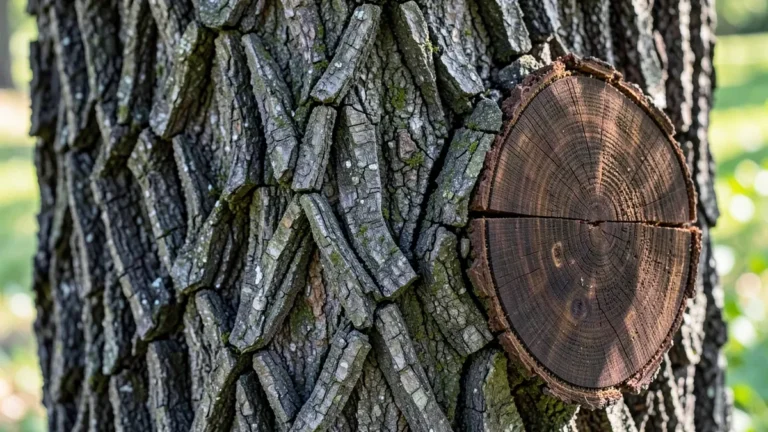
Walnut wood color runs dark with purplish-gray undertones, while acorn is a warmer, more muted tan-brown stain color – the two get confused because both read as “medium-to-dark brown” from across a room, but side by side the difference is obvious once you know what to look for. Acorn is also not a tree species; it is a commercial stain-color name (used by Minwax, Varathane, and other finish makers) meant to mimic the color of an oak acorn cap, while walnut usually refers either to the actual heartwood of the Black Walnut tree or to a stain designed to copy it.
Below is a side-by-side breakdown of both colors, a real product you can buy to test the walnut side of this comparison yourself, and the wood-species factors that change how either stain actually looks once it is on your project.
Acorn vs Walnut Wood Color: Quick Comparison
Here is the short version before we get into the details.
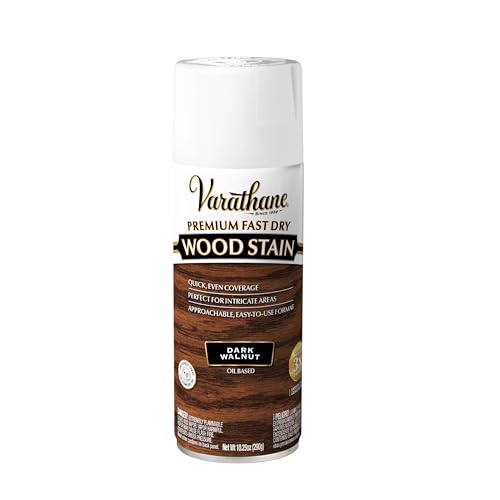
Editor’s Pick for Testing the Walnut Side
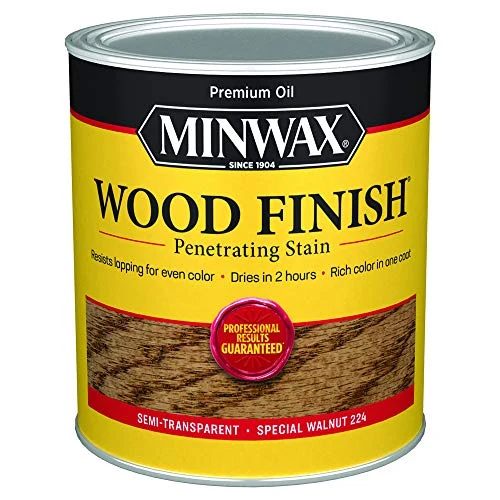 |
Minwax Wood Finish, Special Walnut, 1 Quart – $13.88 Minwax’s Special Walnut was named the brand’s 2026 Color of the Year and is the most common real-world ‘walnut’ stain color referenced in this comparison.
|
| Feature | Walnut Wood Color (Heartwood/Stain) | Acorn Wood Color (Stain) |
|---|---|---|
| General Value (Light/Dark) | Dark to very dark brown | Medium brown to light tan-brown |
| Dominant Undertones | Purple, gray, or deep reddish-brown | Yellow or golden brown |
| Richness/Depth | Rich and complex, high color variation | Earthy and uniform |
| Source | Black Walnut (Juglans nigra) heartwood, or a stain copying it | Almost always a stain name, not a real species |
| Sapwood Contrast | Prominent pale sapwood often visible next to dark heartwood | No sapwood contrast – it’s a finish, not a natural grain pattern |
Walnut Wood Color, in Detail
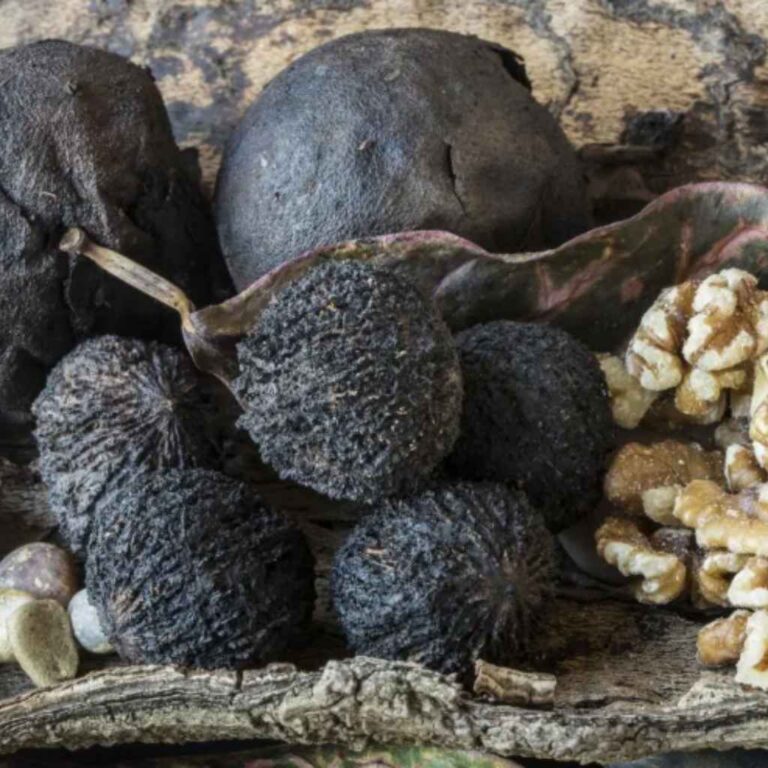
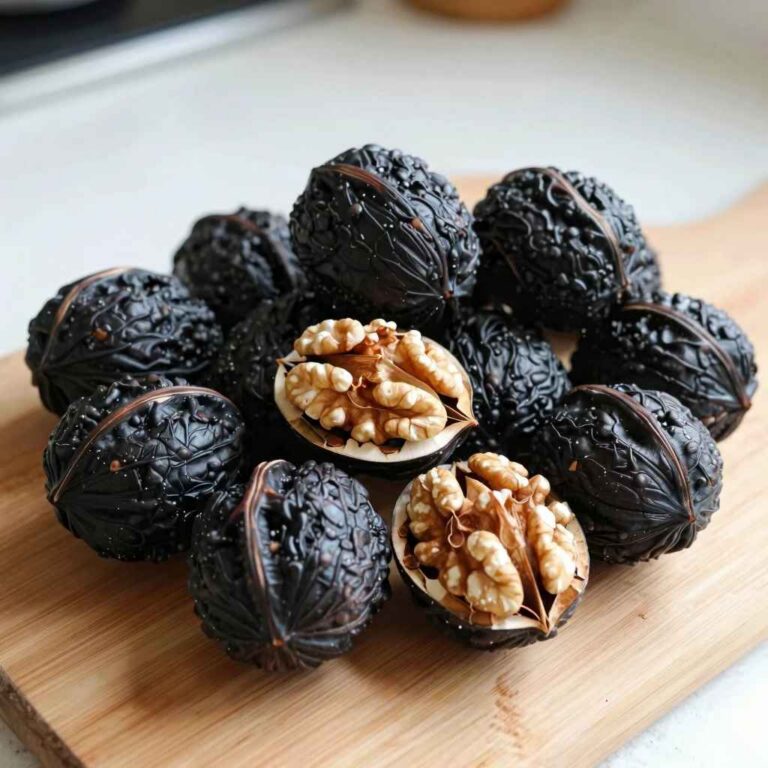
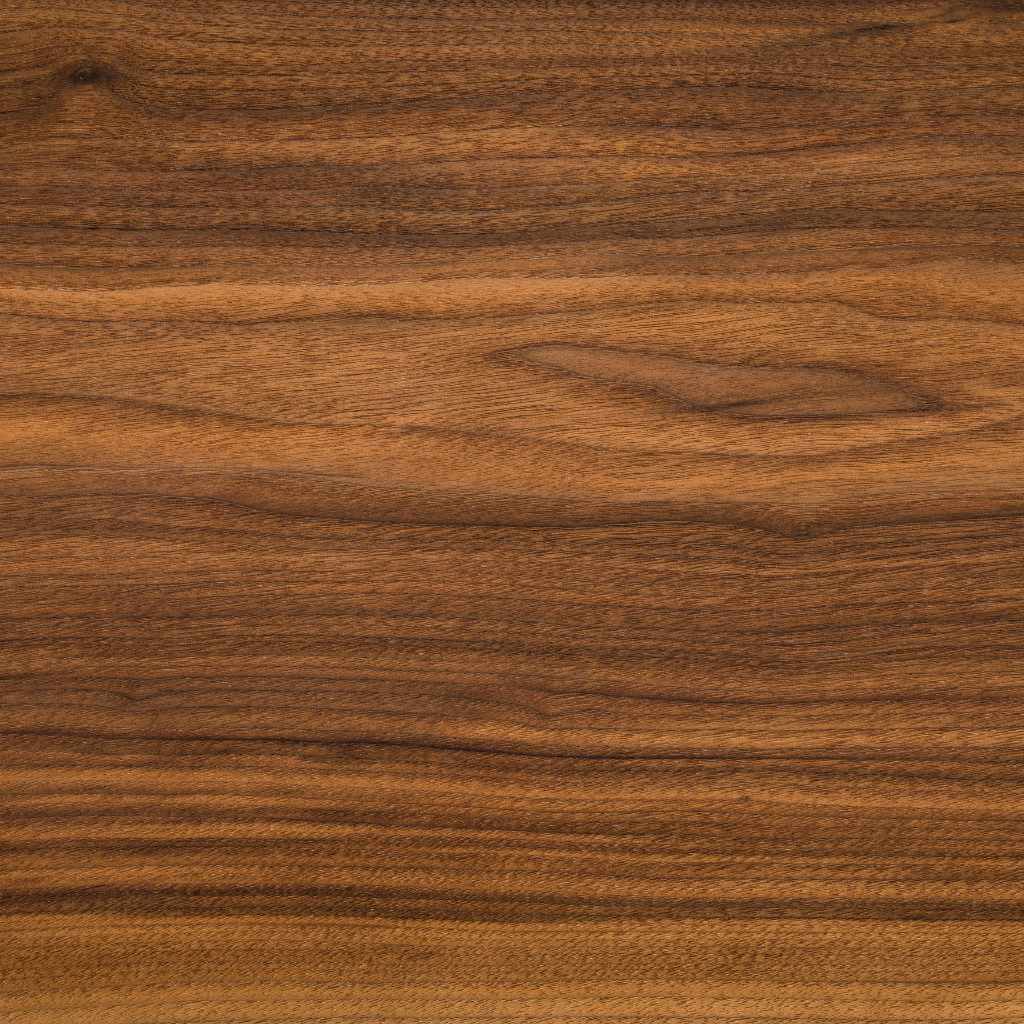
Walnut – almost always referring to Black Walnut (Juglans nigra) in North America – is one of the few hardwoods where color alone accounts for a big share of its market value. Its heartwood ranges from a warm chocolate brown to a color so dark it can look almost black, frequently carrying visible purple, gray, or reddish undertones that give it a “complex” look rather than a flat brown. That complexity is also why walnut boards can vary a lot from plank to plank; the pale cream-to-yellow sapwood sits right next to the dark heartwood, and many woodworkers either cut around it or deliberately keep it for contrast.
As a stain color name (rather than the real wood), “walnut” isn’t standardized between brands. Minwax’s own Special Walnut is actually its single best-known color – it was named Minwax’s 2026 Color of the Year for splitting the difference between a true walnut tone and something warm enough to work on oak, maple, or pine. Minwax also sells a separate, noticeably darker “Dark Walnut,” so when a project calls for “walnut stain,” always check which specific can you’re buying – the name alone can mean two different colors within the same product line.
Acorn Wood Color, in Detail
“Acorn” in a woodworking context is almost never a tree species – it’s the name finish makers give to a specific warm, mid-range brown stain. The idea is to mimic the color of an oak acorn’s cap: an earthy, medium brown that sits comfortably between light tan and dark walnut, with undertones that lean yellow or golden rather than the purple/gray cast typical of walnut. Because it’s a stain rather than a natural heartwood color, an acorn-labeled product also applies more consistently across different boards than natural walnut does – there’s no sapwood/heartwood contrast to work around.
Value-wise, acorn sits in the middle: dark enough to look intentional and finished, light enough that fine grain detail still shows through underneath. In practice, “Acorn” as a name shows up most often in Varathane’s stain lineup, where it’s a popular mid-brown choice for pine and oak furniture; Minwax doesn’t currently sell a color under that exact name, which is a common point of confusion when people search for “Minwax Acorn” and can’t find it – you’re more likely looking for Special Walnut, Early American, or Provincial depending on how warm or dark you want the result.
What About Pecan? A Common Third Comparison
If you searched for this comparison, there’s a good chance pecan wood color came up too – it’s a frequent third option people cross-reference against both acorn and walnut. Pecan sits closer to acorn than to walnut: it’s a lighter, warmer honey-to-medium-brown with a straighter, more uniform grain pattern (pecan is in the hickory family), and it lacks walnut’s dark, purple-toned complexity entirely. If you’re deciding between all three for a stain or a lumber choice, think of it as a spectrum: pecan and acorn both land on the lighter, warmer end, while walnut anchors the dark, cool-toned end.
When to Choose Walnut
Lean toward walnut – the real wood or a stain that copies it – when your project calls for:
- A formal, higher-end look: walnut reads as classic and expensive, which is why it shows up so often in fine furniture, display cabinets, and built-ins.
- Dramatic figure or contrast: if the board has crotch or burl figure, walnut’s dark field color makes the lighter swirls pop far more than a mid-tone stain would.
- Minimal staining: you’d rather let the wood’s own richness show through than layer heavy pigment over it.
Genuine walnut lumber isn’t cheap. If you like the look but not the price, staining a less expensive, tight-grained wood like soft maple or poplar with a quality walnut-toned stain is a reasonable workaround – just test it first, since maple is prone to blotching and won’t take a dark stain as evenly as walnut itself does.
When to Choose Acorn
An acorn-toned finish makes more sense when you want:
- Warmth without heaviness: acorn brings a welcoming, sunny tone that suits casual pieces like coffee tables or kitchen islands better than a dark, formal walnut would.
- Easier board-to-board matching: since it’s a stain applied evenly to common woods, the finished color is far more consistent across boards than natural walnut’s heartwood/sapwood variation.
- A forgiving first project: lighter, more uniform colors like acorn hide small application mistakes far better than a deep, dramatic walnut stain, which highlights every missed spot or lap mark.
Why the Wood Underneath Changes Everything
This is the part that trips up a lot of beginners: the same can of stain will not look the same on every wood. The species underneath the finish matters as much as the stain name on the label.
- Open-grain woods (oak, ash): these have large, deep pores that soak up stain heavily, so the same acorn or walnut stain looks darker and more textured than it does on a tighter-grained wood. Uneven sanding can also cause raised grain after the water or solvent in the stain swells the fibers.
- Closed-grain woods (maple, birch, pine): these absorb stain unevenly, which causes blotching. A light stain like acorn can look patchy or paler than expected, while a dark stain can go almost black in spots where pigment sits on the surface instead of soaking in evenly.
True walnut is a medium-to-closed-grain wood, so it takes most finishes fairly evenly on its own. If you’re trying to fake the look of walnut on a cheaper wood instead, always test on scrap from the same batch first – grain and porosity can vary even within one species.
Testing Your Stain Color Before You Commit
Never trust the color on the can lid. Lighting, the wood species, and even the topcoat you use afterward all shift the final color, sometimes significantly. Before staining the actual project, test on scrap wood from the same batch:
- Prep identical scraps: cut three small pieces from the exact wood you’re using for the real project.
- Sand uniformly: take all three through the same grit sequence (for example, 80, 120, 220) so absorption is comparable.
- Apply test coats: walnut stain on one piece, acorn on the second, and a clear coat with no stain on the third as a baseline.
- Let it dry fully: stains often shift slightly in color as they cure, so don’t judge the color while it’s still wet.
- Apply your actual topcoat: a polyurethane or oil finish over the dried stain often deepens or warms the color noticeably, so this step matters more than people expect.
If you want to go further, understanding how stain pigments interact with a wood’s natural tannins is genuinely useful background – for example, a vinegar-and-steel-wool solution reacts with tannins to darken wood without any pigment at all. University extension services and USDA-affiliated research centers publish accessible background on wood chemistry if you want to read more.
How the Topcoat Changes the Final Color
Once you’ve picked between walnut’s depth and acorn’s warmth, the topcoat you apply over the stain acts like a filter and shifts the final result:
- Oil-based finishes: these amber and yellow slightly over time, which pushes an acorn finish even warmer and can add a faint reddish cast to walnut.
- Water-based finishes: these stay clear and cooler, holding the original stain color more accurately – the better choice if you want walnut to stay gray-toned rather than warming up over the years.
On genuine walnut, a clear oil finish like tung oil brings out the natural depth without adding the yellowing an oil-based poly can introduce.
Which Color Fits Your Project?
| Desired Look | Color Recommendation | Why It Works |
|---|---|---|
| Formal, traditional library or study | Deep walnut lumber or stain | Maximum contrast and a sense of luxury |
| Modern farmhouse kitchen | Warm acorn stain on maple or poplar | Keeps the space bright while staying warm and durable |
| Arts & Crafts / Mission style | Medium walnut stain | Balanced tone that respects this style’s grain complexity |
| Budget-friendly accent piece | Acorn stain on pine | An affordable base wood that takes a warm, even stain color well – see our full Minwax color chart or Varathane color chart for more options in this range |
Frequently Asked Questions
Can I make cheap pine look like walnut?
Yes. Pine needs a pre-stain wood conditioner first since it absorbs stain unevenly. Apply a quality dark walnut stain in multiple thin coats, wiping off the excess between coats until you reach the depth of color you want.
Does natural walnut wood always look the same color?
No. Natural walnut varies significantly board to board. The heartwood (center) is dark brown, while the sapwood (outer edge) is pale cream, so you’ll need to decide whether to cut around the sapwood or keep it in for contrast.
Is Acorn a Specific Type of Tree?
No. Acorn is almost always the name of a pre-mixed stain color designed to give an earthy, medium nutty-brown tone, not a reference to an actual acorn-bearing tree’s own wood.
Which stain color, acorn or walnut, is easier to fix if I mess up?
Acorn usually is. Because it’s lighter, small mistakes or missed spots are far less noticeable than on a deeply saturated dark walnut, where every missed patch stands out.
Will sunlight change the color of my finished piece?
Yes, but differently for each. Dark walnut can fade or look bleached where sunlight hits it directly, while a well-pigmented acorn finish tends to show less fading but may shift slightly more yellow over time.
Should I use a stain or a dye to match these colors?
If you’re darkening a light wood to imitate walnut, a pigment-based stain gives better coverage. If you’re deepening a naturally rich wood like real walnut without hiding the grain, a dye offers a more transparent result.
How does pecan wood color compare to acorn or walnut stains?
Pecan is closer to acorn: a lighter, warmer honey-brown with a straight, uniform grain, and none of walnut’s dark, purple-toned complexity. If you’re choosing between all three, pecan and acorn sit on the light, warm end of the range, while walnut anchors the dark end.
Choosing With Confidence
The real decision between acorn and walnut usually comes down to depth versus warmth, and complexity versus uniformity. Walnut brings dark, complex, higher-end color at a higher material cost (or a more demanding stain job); acorn brings an easier, warmer, more forgiving result that works well for casual pieces and first-time stainers alike.
Whichever you pick, test it on real scrap from your actual project wood before committing the whole piece – the species underneath the stain changes the outcome more than the name on the can does.
Sponsored / affiliate links. As an Amazon Associate I earn from qualifying purchases. I may earn additional commission from eligible campaigns.