How Long Does Fence Stain Need to Dry Before Rain?
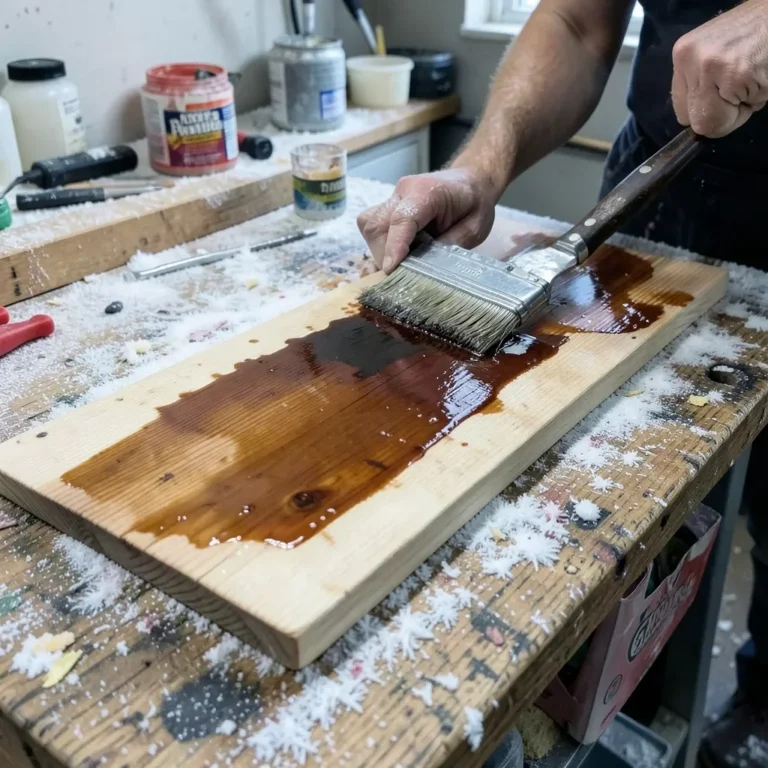
Fence stain needs 24 to 48 hours to dry before it can safely handle rain, though fast-curing water-based formulas can be rain-safe in as little as 2 to 4 hours per manufacturer labels. Rain within the first 12 hours can wash pigment straight off the wood, forcing a full reapplication. This guide breaks down drying times by stain type, the exact timing zones where rain does the most damage, and what to do if rain catches your fence too soon.
Insert your Affiliate Disclosure reusable block here
How Long Fence Stain Takes to Dry, by Type
Best Moisture Meter Pick

General Tools MMD4E Moisture Meter for Wood, Walls & Water Leak Detection
A pin-type meter that reads wood moisture directly instead of guessing from a touch test.
- Best for: Confirming a stain coat is fully cured, not just surface-dry
- Why we picked it: Wide 5–50% wood range and a backlit display for shaded fence sections
- Main drawback: Pins leave tiny marks — test on an unfinished edge or the back of a board
Compare more wood moisture meter options
 Option 1 Klein Tools ET140 Pinless Moisture Meter
|
 Option 2 Dr.meter 2-in-1 Pin & Pinless Wood Moisture Meter
|
 Option 3 General Tools MMP100 Compact Digital Moisture Meter
|
As an Amazon Associate we earn from qualifying purchases.
Drying time depends on whether your stain is oil-based, water-based, or a fast-cure exterior blend — the gap between “dry to the touch” and “safe from rain” is bigger than most labels make clear.
Semi-transparent exterior stain is the most common choice for fences, and its dry time sits between the two extremes below. Oil-based formulas penetrate deeper and take longer to off-gas; water-based formulas dry fast on the surface but still need time underneath before they can shrug off a downpour. Solid-color options and wood fence paint follow different cure rules entirely, since a film-forming finish needs a full dry film before it can handle rain.
| Stain Type | Dry to Touch | Safe From Light Rain | Fully Cured |
|---|---|---|---|
| Oil-based | 6–24 hrs | 12–24 hrs | 24–72 hrs |
| Water-based | 1–2 hrs | 12–24 hrs | 24–72 hrs |
| Fast-cure exterior blends (e.g. Ready Seal) | 2–4 hrs | 2–4 hrs | 24–48 hrs |
Ranges compiled from exterior stain manufacturer drying guidance, including Ready Seal’s published dry-time data. Always confirm against your specific product label — additives and coat thickness shift these numbers.

What Happens If Rain Hits Too Soon
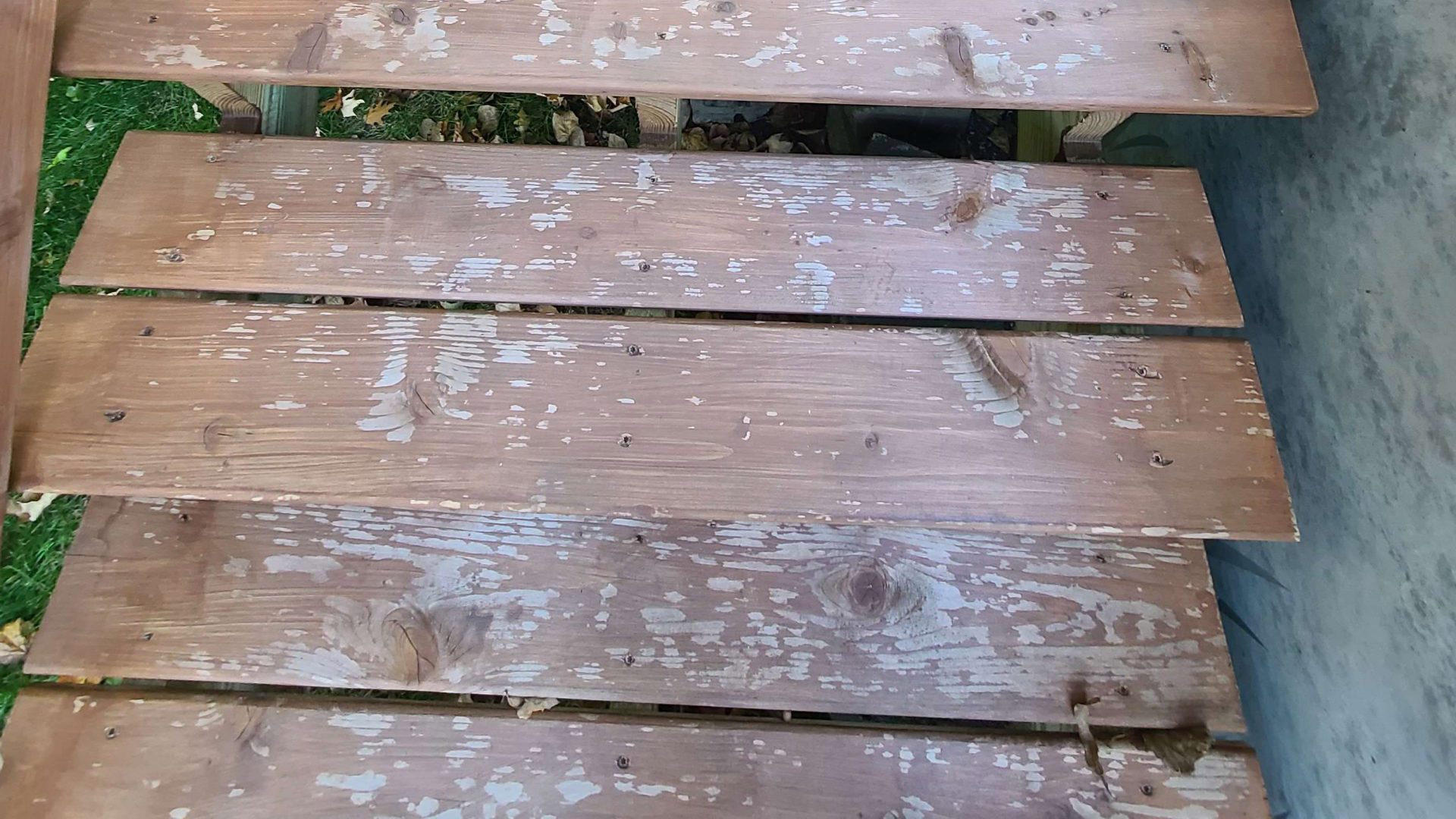
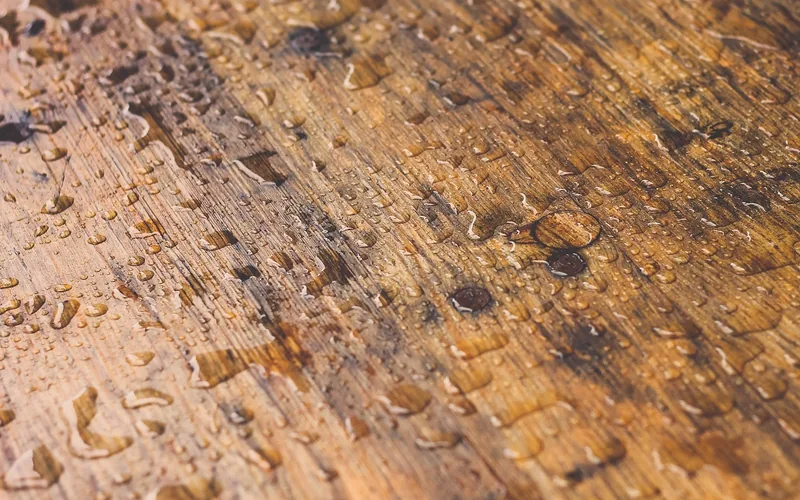
Rain in the first 12 hours after staining causes the most damage. The stain hasn’t bonded to the wood fibers yet, so water can lift pigment straight off the surface, leaving blotches, streaks, or bare wood that needs full reapplication.
📊 0–12 hours after staining is the highest-risk window for complete stain failure. By 12–24 hours most stains are touch-dry but can still “bead” and leave light spots under a hard rain; by 24–48 hours most formulas are cured enough to shrug off a normal shower. — Source: compiled from exterior stain manufacturer drying guidelines, including Ready Seal technical data.
Between 12 and 24 hours, the stain is usually touch-dry on the surface but not fully cured underneath. A hard rain here won’t always wash the stain off, but it can cause beading — small water droplets that leave light, uneven spots once they evaporate. After 24 to 48 hours, most stains have cured enough that a normal rain shower won’t affect the finish at all.
“The fastest way to ruin a stain job is trusting a quick touch-dry check under 24 hours. A light rain that beads and rolls right off can still leave faint water spots or lighten the color if the coat underneath hasn’t cured — even when the surface feels completely set.”
How to Tell When Fence Stain Is Fully Dry
Dry stain looks even and matte, with no sticky spots or shine. Run a finger over a low-visibility spot — if any color transfers or the surface feels tacky, it needs more time, even if it looked dry an hour ago.
- Even, matte color across the whole board — no shiny or wet-looking patches
- No color transfer when you press a finger against the wood
- No tacky or sticky feel, especially in shaded areas that dry slower
- Consistent tone board to board — dark, uneven patches usually mean a spot is still wet underneath
The touch test only confirms the surface, not the full cure underneath. A pin-type wood moisture meter gives a more reliable read: press the pins into an unfinished edge or the back of a board, and a reading at or near the surrounding wood’s normal moisture content confirms the stain has fully cured, not just dried on top.
Factors That Affect Drying Time
Weather Conditions
Aim for a temperature between 50°F and 85°F with humidity under 50% — that combination gives the fastest, most even dry. Direct sun speeds up drying but can cause the stain to set unevenly on hot surfaces; a bright, mild day with a light breeze is closer to ideal than full midday sun. Cold, still, or humid air slows drying the most, sometimes doubling the wait before a coat is rain-safe.
Type of Stain
Oil-based stains penetrate deeper and dry slower because the solvent has to fully evaporate before the finish cures. Water-based stains dry fast on the surface but still need up to 24 hours before they’re fully cured underneath. If you want the shortest rain-safe window, check the label for a fast-cure exterior blend — some are rain-ready in 2 to 4 hours, versus 12-plus hours for standard formulas. If you’re working on a horizontal surface instead of a fence, see our guide to wood deck stain and sealer — pooling water changes the timing math. For more on drying and staining in general, browse our full wood stain guide hub.
How to Protect Fresh Stain From Rain
Check the forecast for a two-day dry window before you start, not just the day of. This gives the stain enough time to dry even if conditions run slower than expected.
If rain shows up in the forecast sooner than planned, cover the fence with a waterproof tarp secured with ropes or weights so wind can’t pull it loose. Leave a few inches of gap between the tarp and the stained surface where possible — a tarp pressed flat against wet stain can trap moisture and smear the finish instead of protecting it.
How to Fix It If Rain Hits Before the Stain Is Dry
Rain on fresh stain doesn’t always mean starting over — how bad it is depends on how much time the coat had before the rain hit.
- Let it dry completely before judging the damage: Wet stain always looks worse than it is. Wait the full 24–48 hours before deciding whether to fix anything.
- Check for washout versus beading: Run a hand over the board once it’s dry. Streaks, bare wood, or a patchy loss of color mean the stain washed off. Small light spots with the color otherwise intact usually mean only beading occurred.
- Light beading — leave it or lightly re-coat: If the color is even and only a few faint spots remain, a single light re-coat over the whole board blends it back in. Spot-fixing just the light areas usually leaves a visible patch.
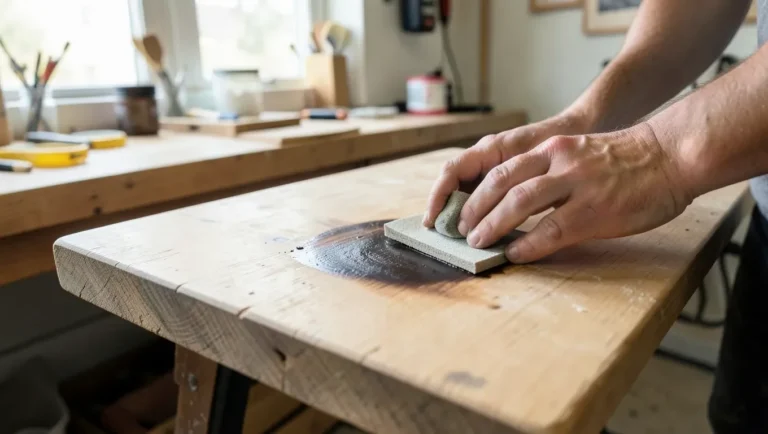
- Washout — sand, clean, and reapply: Lightly sand the affected boards to remove any raised grain or residue, wipe away dust, let the wood dry fully, and reapply stain to the whole board — not just the bare patch — for an even finish.
- Check the drying window before recoating: Don’t restain until you again have a 24–48 hour dry forecast. Restaining into another rain risk just repeats the problem.
Common Mistakes to Avoid
- Staining a wet or damp fence — wood absorbs stain poorly when it’s not fully dry, and the coat can peel or blotch later
- Trusting a touch-dry surface as proof the coat is fully cured underneath
- Applying stain in thick coats to “save a trip” — thick coats trap solvent and roughly double the cure time
- Skipping the forecast check and starting late in the day, leaving too few daylight hours before evening dew sets in
- Restaining a rain-damaged section without sanding and cleaning it first, which just seals moisture and old residue under the new coat
Frequently Asked Questions
What happens if it rains right after I stain my fence?
Rain within the first 12 hours can wash the stain off before it bonds, causing blotches, streaks, or bare patches. Let the fence dry completely, check for washout versus light beading, and reapply only the affected boards if the color is uneven.
Will light rain ruin fresh fence stain?
Not always. Light rain after 12 to 24 hours usually just causes minor beading, not a full washout. Light rain in the first few hours after staining can still lift pigment, especially with slow-curing oil-based stains.
Can I apply a second coat of fence stain the next day?
Yes, for most water-based stains, since they’re usually recoat-ready within 24 hours. Oil-based stains often need the full 24–48 hour window between coats — recoating too soon traps solvent underneath and leaves a soft, tacky film. Check your product label for the exact recoat time.
Do fences dry faster than decks?
Usually, yes. Fences are vertical, so rain and moisture run off instead of pooling the way they do on a horizontal deck surface. That makes fences somewhat more forgiving of an early rain, though the same drying-time ranges by stain type still apply.
Can you stain a fence while it’s wet?
No. Wood absorbs stain poorly when it’s damp, which leads to uneven color and a coat that wears off faster. Wait until the wood is fully dry, not just rain-free, before staining — that can take a full day after a heavy rain depending on wood density and sun exposure.
Conclusion
Most fence stains need 24 to 48 hours to fully cure against rain, though fast-cure blends can be rain-safe in 2 to 4 hours and water-based stains dry to the touch in 1 to 2. Check the label for your specific product, plan around a two-day dry window, and if rain does catch you early, let the fence dry fully before deciding whether it needs a light re-coat or a full sand-and-restain. If you’re still deciding on a product, our guide to the best fence stain covers which type fits your fence and climate.
Sponsored / affiliate links. As an Amazon Associate I earn from qualifying purchases. I may earn additional commission from eligible campaigns.