Are Cedar Trees Evergreen? Only 4 Species Are True Cedars
Cedar trees are evergreen conifers — they keep their needle-like foliage year-round, with no seasonal exception. But only four species worldwide are true cedars (genus Cedrus); familiar “cedars” like Eastern and Western Red Cedar are actually junipers and thujas, evergreen too but a different genus. This guide covers how true cedars stay green, why some turn reddish-brown in winter, and how to tell a real cedar from a look-alike.
Note: this article covers Cedrus (true cedar) alongside the juniper and thuja species commonly nicknamed “cedar” in North America, since that’s what most searchers mean by the word. Browse our full cedar tree and cedar wood library for species guides, or jump straight to finishing cedar wood.
What Makes a Tree “Evergreen”?
Best Evergreen Cedar Privacy Pick
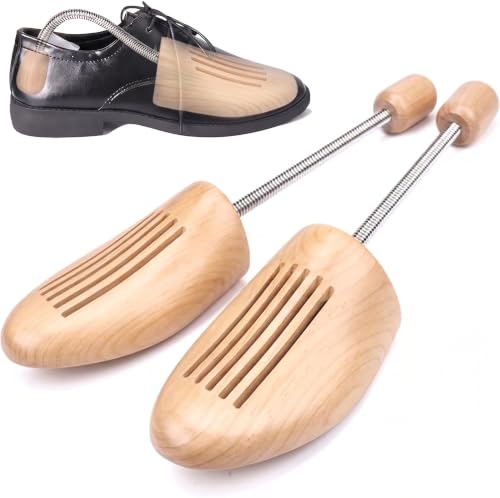
2 Eastern Red Cedar Trees — 12-18″ Live Privacy Screen Shrubs (Juniperus virginiana)
A true evergreen juniper “cedar” — keeps foliage year-round and grows dense enough for a living privacy screen.
- Best for: starting a year-round privacy hedge or windbreak
- Why we picked it: ships as a 2-pack, so you can start a screen without buying single trees repeatedly
- Main drawback: young trees take a few seasons to fill in as a solid screen
Compare more evergreen cedar options
 Option 1 Eastern Red Cedar — Single 10-16″ Live Plant
|
 Option 2 Western Red Cedar — 4-Pack Bare Root
|
 Option 3 Eastern Red Cedar Seeds — Pack of 35
|
As an Amazon Associate we earn from qualifying purchases.
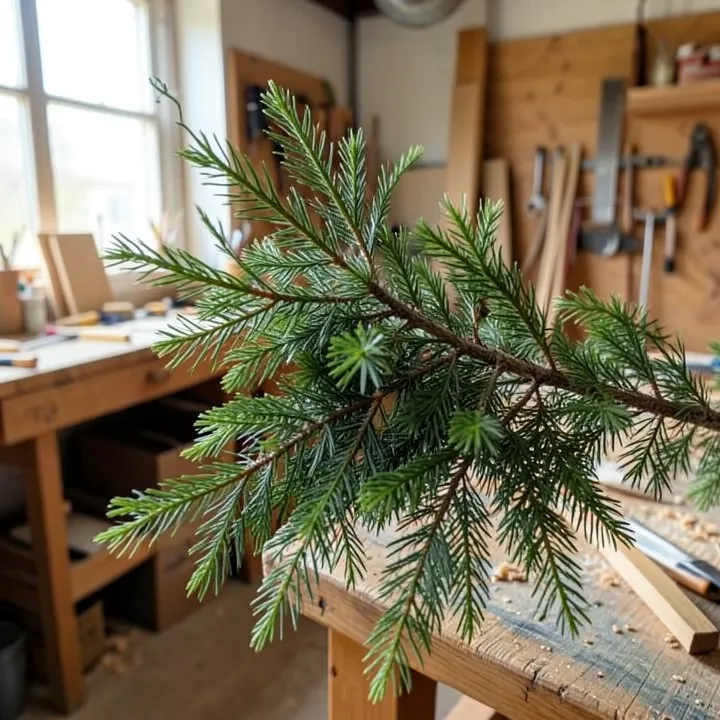
Evergreen describes a tree that keeps foliage on its branches through every season, shedding old needles gradually and continuously rather than dropping them all at once in fall. That’s different from “conifer,” which just means the tree produces cones — most conifers are evergreen, but not all of them. Larch, bald cypress, and dawn redwood are cone-bearing conifers that lose their needles completely every autumn, just like a maple loses its leaves. Cedars, both the true Cedrus species and the North American junipers and thujas nicknamed “cedar,” don’t do this — they hold their foliage year-round.
True Cedars vs. the Trees Americans Call “Cedar”
Botanically, a true cedar belongs to the genus Cedrus, and there are only four recognized species: Lebanon cedar (Cedrus libani), Atlas cedar (Cedrus atlantica), Deodar cedar (Cedrus deodara), and Cyprus cedar (Cedrus brevifolia). None of them are native to North America — they come from the Mediterranean, North Africa, and the Western Himalayas.
Nearly every “cedar” native to the United States — Eastern Red Cedar, Western Red Cedar, Northern White Cedar, Southern Red Cedar — is actually a juniper (Juniperus) or a thuja/arborvitae (Thuja). Both groups are evergreen and aromatic, which is exactly why early American settlers called them cedars, but they aren’t in the Cedrus family tree. Our cedar vs. juniper comparison breaks down the wood and foliage differences in more depth.
| Genus | Common Name Examples | Native Range | Evergreen? |
|---|---|---|---|
| Cedrus (true cedar) | Lebanon, Atlas, Deodar, Cyprus cedar | Mediterranean, Himalayas | Yes, all 4 species |
| Juniperus | Eastern Red Cedar, Southern Red Cedar | North America | Yes |
| Thuja | Western Red Cedar, Northern White Cedar (arborvitae) | North America | Yes |
How to Tell True Cedar From a Look-Alike
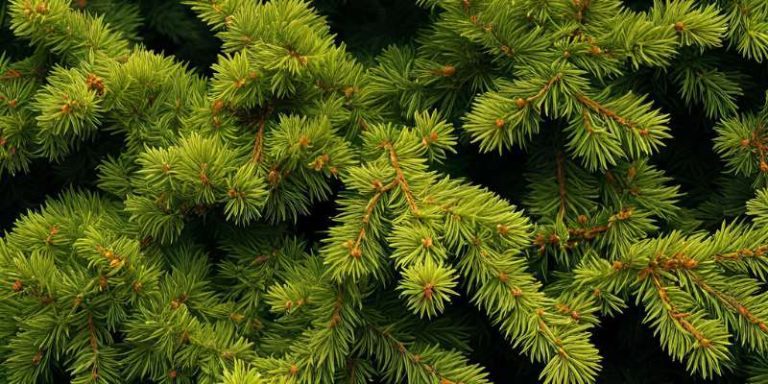
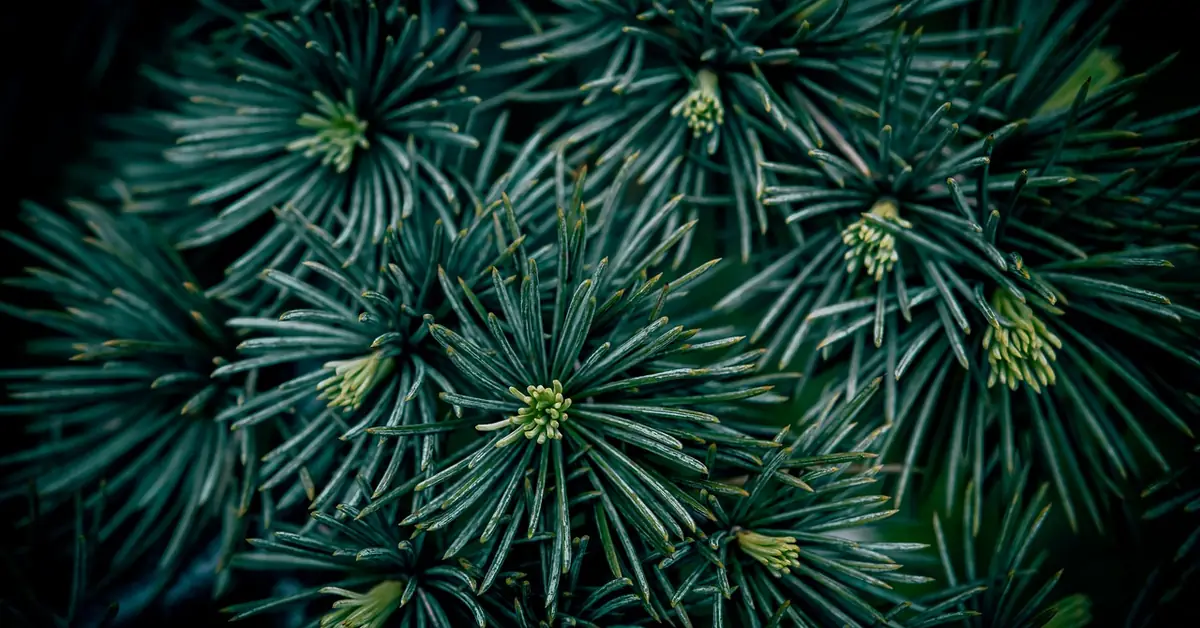
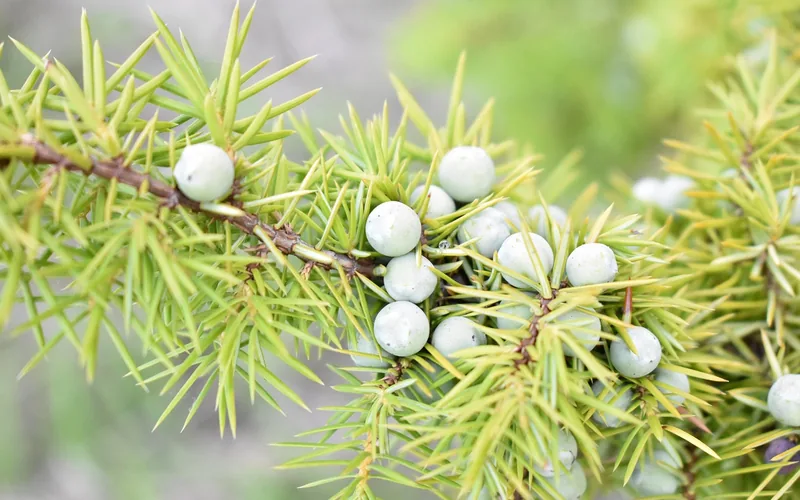
- Needle shape: True cedar needles are soft, grow in dense clustered rosettes on short spur shoots, and are 1–2 inches long. Junipers have sharp, awl-shaped needles or flat overlapping scales, not clustered rosettes.
- Cones: True cedar cones are upright, barrel-shaped, and woody — they sit on top of the branch and disintegrate scale by scale as they mature. Juniper “cones” are small, round, and berry-like (they’re actually fused fleshy scales).
- Bark and form: Cedrus species grow into wide, flat-topped, tiered crowns with age. Junipers and thujas tend to stay conical or columnar.
Do All Cedar Species Stay Green Every Season?
Yes — every true Cedrus species and every North American juniper or thuja nicknamed “cedar” keeps its foliage year-round. None of them are seasonally deciduous. That’s a real distinction worth knowing, because a handful of other conifers — larch, bald cypress, dawn redwood — do lose their needles every fall despite also producing cones, so “conifer” alone never guarantees evergreen. Cedar, in every sense of the word used on this site, does not have that exception.
Why Some Cedars Turn Reddish-Brown in Winter
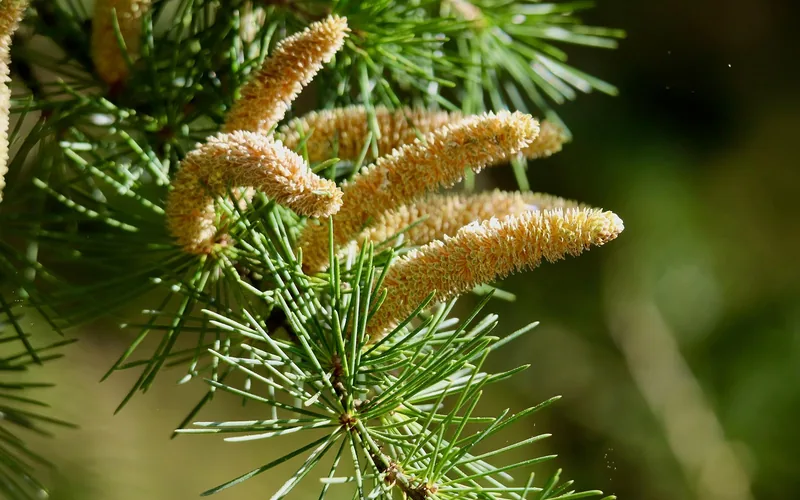
Western Red Cedar (Thuja plicata) is the one that confuses people most, because its foliage visibly bronzes each winter without actually dying or dropping. The color shift comes from rhodoxanthin, a carotenoid pigment the tree produces as daylight and temperatures drop. Rhodoxanthin absorbs excess light energy and dissipates it as heat, which protects the chlorophyll-bearing tissue underneath from cold and UV damage. The foliage greens back up on its own as spring growth resumes — it’s a seasonal pigment shift, not needle death, and pruning it off isn’t necessary.
True winter damage looks different: individual branch tips turning uniformly brown and staying brittle and dry into spring usually means desiccation from wind or drought, not rhodoxanthin. If only the interior, oldest needles brown and drop while the branch tips stay green, that’s normal seasonal needle shedding — every evergreen replaces its oldest needles this way, just gradually instead of all at once.
Why Cedar’s Evergreen Habit Matters for Woodworkers and Gardeners
The same year-round foliage that makes cedar a reliable privacy screen or windbreak also concentrates the aromatic oils (thujaplicins and cedrol) that give cedar heartwood its natural rot- and insect-resistance — the reason cedar shows up so often in fence boards, closet lining, and outdoor furniture. If you’re planting rather than building, live cedar saplings establish fastest in well-drained soil with full sun, and most Eastern Red Cedar cultivars tolerate drought and poor soil far better than the true Mediterranean Cedrus species, which need milder, wetter winters to thrive outside their native range. See our guides on where different cedar species grow and whether cedar trees can grow in pots for more on getting one established.
Mistakes People Make Identifying Cedar Trees
- Assuming “cedar” means one species. The name covers at least three unrelated genera in common US usage (Cedrus, Juniperus, Thuja) — always check the botanical name if the species matters for a project.
- Mistaking winter bronzing for a dying tree. Rhodoxanthin discoloration on Western Red Cedar reverses in spring; cutting the branches out isn’t needed unless they’re also brittle and dry.
- Confusing arborvitae with true cedar. Arborvitae is the common name for Thuja species — evergreen and cedar-scented, but not a Cedrus.
Frequently Asked Questions
Do cedar trees lose their leaves in winter?
No. Cedar trees — true Cedrus species and the North American junipers/thujas nicknamed cedar — are evergreen and keep their foliage all winter. They shed individual old needles gradually year-round rather than dropping them all at once in fall.
Are all cedar trees true cedars?
No. Only four species in the genus Cedrus — Lebanon, Atlas, Deodar, and Cyprus cedar — are true cedars. Most North American “cedars,” including Eastern Red Cedar and Western Red Cedar, are junipers or thujas that share the evergreen habit and aromatic wood but not the genus.
Why do some cedar trees turn brown or reddish in winter?
Western Red Cedar produces rhodoxanthin, a carotenoid pigment, in its foliage during winter. It causes a bronze or reddish-brown tint that protects the needles from cold and UV damage, then fades back to green as new growth starts in spring.
Are juniper and cedar trees the same?
No, but they’re closely related in common usage. Junipers belong to the genus Juniperus, distinct from true cedars in Cedrus. Many North American junipers, like Eastern Red Cedar (Juniperus virginiana), are simply called “cedar” by tradition.
Is arborvitae a cedar?
Not botanically. Arborvitae is the common name for Thuja species, including Western Red Cedar and Northern White Cedar. They’re evergreen and cedar-scented, which is why they’re nicknamed cedar, but they belong to a separate genus from true Cedrus.
Are cedar trees good for anything?
Yes. Cedar heartwood’s natural oils make it rot- and insect-resistant, which is why it’s used for fencing, closet lining, and outdoor furniture. Cedar tea made from the leaves and bark has traditional uses for colds and mild pain relief, and the aromatic wood is a long-standing natural insect repellent.
Conclusion
Cedar trees are evergreen with no seasonal exception — true Cedrus species and the North American junipers and thujas nicknamed “cedar” all keep their foliage year-round. The winter bronzing some Western Red Cedars show is a protective pigment shift, not a sign of a dying tree. Knowing the difference between a true cedar and a look-alike matters if you’re buying wood, planting a hedge, or just trying to identify what’s growing in your yard.
Sponsored / affiliate links. As an Amazon Associate I earn from qualifying purchases. I may earn additional commission from eligible campaigns.