Do Termites Like Cedar Wood? What Every Homeowner Should Know
It’s a common question many homeowners ponder. You’re building a deck, fencing, or perhaps doing some interior remodeling. You want materials that last, that look good, and that don’t invite pests.
Before you decide whether cedar is right for your outdoor project, check out our guide on whether cedar attracts or repels bugs — including which insects cedar actually deters and which ones it doesn’t.
Cedar wood often comes up as a premium choice. It smells wonderful and seems sturdy. But does this beautiful wood stand a chance against the tiny, destructive force of termites?
This is a worry that can keep you up at night, imagining tiny jaws chewing through your investment. Let’s break down this concern with clear, simple terms.
The simple answer is that termites generally do not prefer cedar wood over other types of lumber. While cedar does contain natural oils that can be somewhat repellent, it is not completely immune to termite infestation. Several factors influence a termite’s choice, including availability, moisture, and soil contact.
Understanding Termite Preferences and Cedar Wood
Termites are drawn to wood for food. They need the cellulose found in wood to survive. Different types of wood have different properties.
Some are more appealing to termites than others. This is where cedar wood becomes interesting. Cedar trees have natural defenses.
These are like their own little bug sprays.
Worth noting: despite the name, cedar elm is not a true cedar at all — it is a separate hardwood in the elm family with its own natural decay resistance and a much higher Janka hardness rating.
These natural oils are called extractives. They are found in the heartwood of the cedar tree. The heartwood is the denser, darker center part of the wood.
These oils can give cedar its distinct smell. That smell is also a warning to many insects. It can make the wood taste or smell bad to them.
This is a key reason why cedar is often chosen for outdoor projects. People hope it will keep bugs away.
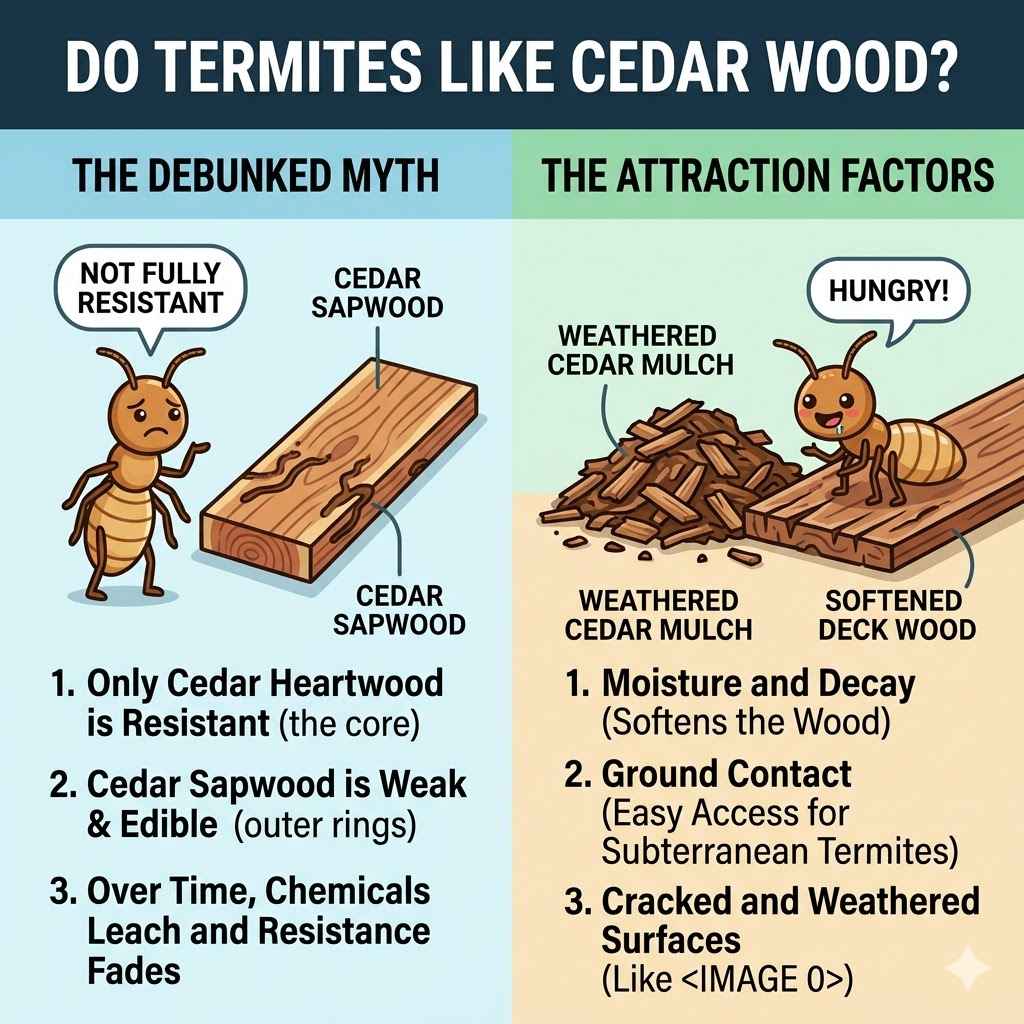
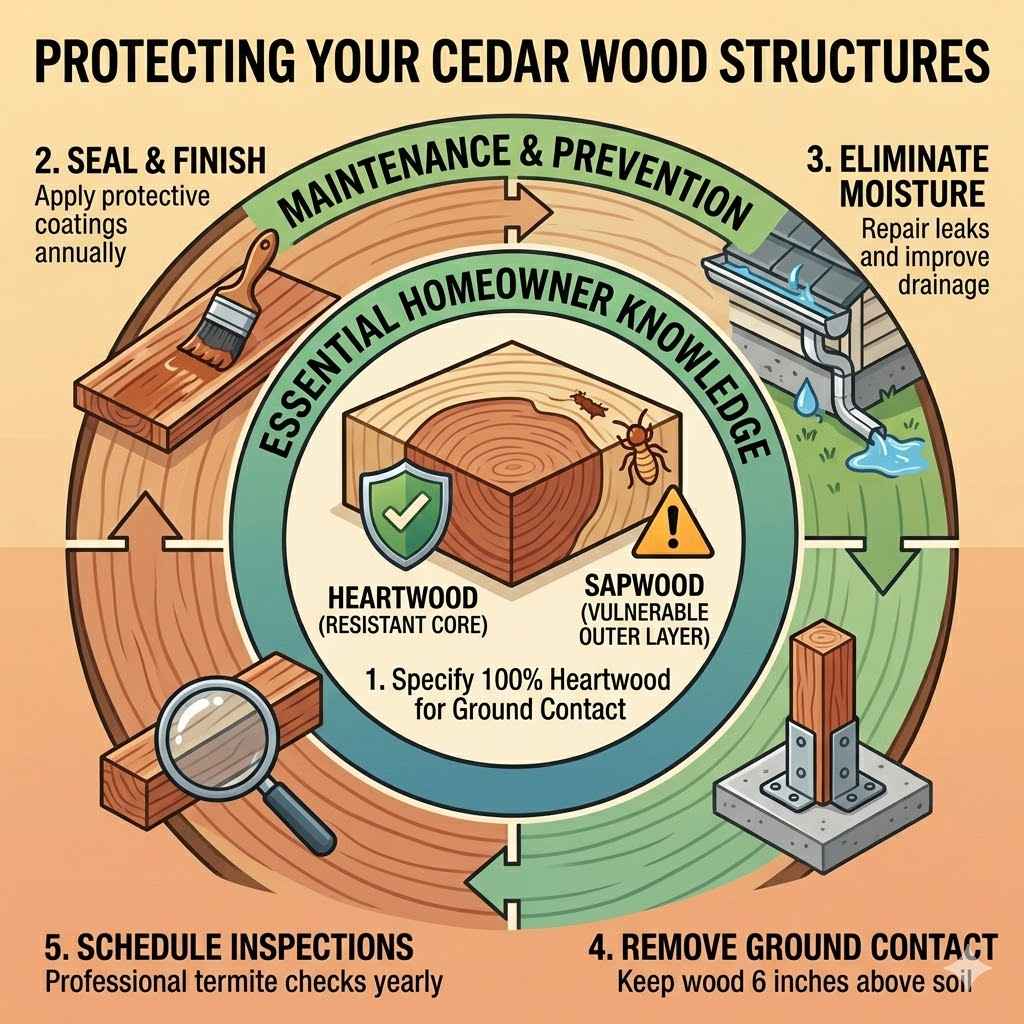
However, it’s important to know that not all parts of a cedar log are equally protected. The outer sapwood is much softer. It doesn’t have as many of those protective oils.
Termites might find the sapwood more attractive. Also, the concentration of these oils can vary. It depends on the species of cedar and how the wood was treated or aged.
The species of termite also matters. Different termite species have different levels of pickiness. Some are more aggressive.
Others are more likely to try wood even if it’s a bit less tasty. The idea that cedar is “termite-proof” is a myth. It’s more like “termite-resistant” to a degree.
This resistance is not a foolproof barrier.
A Personal Encounter with Wood and Worry
I remember a homeowner, let’s call her Sarah, reaching out. She had just bought a beautiful older home in North Carolina. It had a lovely porch with cedar railings and trim.
She was so proud of it. Then, one humid summer evening, she saw a swarm of what she thought were ants flying around her porch light. Panic set in.
Were these termites? Was her beautiful cedar being eaten alive? She immediately jumped online, searching for answers, her heart pounding.
She had heard cedar was good for keeping bugs away. Now she wasn’t so sure. She described the panic, the feeling of helplessness.
It’s a feeling many homeowners get when they see something that threatens their home. That initial fear can be overwhelming. You imagine the damage, the cost, the sheer mess of it all.
For Sarah, the thought of losing that classic cedar charm was a real blow. She felt like she had made a mistake by not using something else, something “guaranteed” pest-proof.
Her worry was about the unknown. What if it was already too late? What if the termites had moved from the cedar to the main structure of her home?
This is the fear that drives many homeowners to seek information. They want clarity. They want to know if their specific situation is a problem.
It’s about feeling in control of their home’s safety.
Cedar Wood Types and Their Resistance
Western Red Cedar: Known for its excellent natural resistance. Its oils are potent. It’s a top choice for durability.
Eastern Red Cedar: Also resistant, often used for chests and closets. It has a strong, pleasant scent.
Northern White Cedar: Offers good resistance but may not be as durable as Western Red.
Incense Cedar: Used widely for shingles and siding. It provides fair resistance.
Real-World Factors Favoring Termites
Even with cedar’s natural oils, termites can still find a way. Several conditions make cedar wood more inviting to them. One of the biggest factors is moisture.
Termites need water to survive. They are often found in damp environments. If your cedar wood is constantly wet, the natural oils might not be enough.
Think about a fence post that sits in soggy ground. Or a deck that never dries out due to poor drainage. These are prime spots for termites to get a foothold.
The moisture can dilute the oils. It can also make the wood softer and easier to chew. In regions with high humidity, like parts of the Southern U.S., this is a constant concern.
Another major issue is soil contact. Many common termite species, like the subterranean termite, build mud tubes. These tubes connect their underground nests to wooden structures.
If your cedar wood is touching the soil, it’s like building a direct bridge for them. They don’t even need to walk across the open ground. This direct connection bypasses many natural defenses.
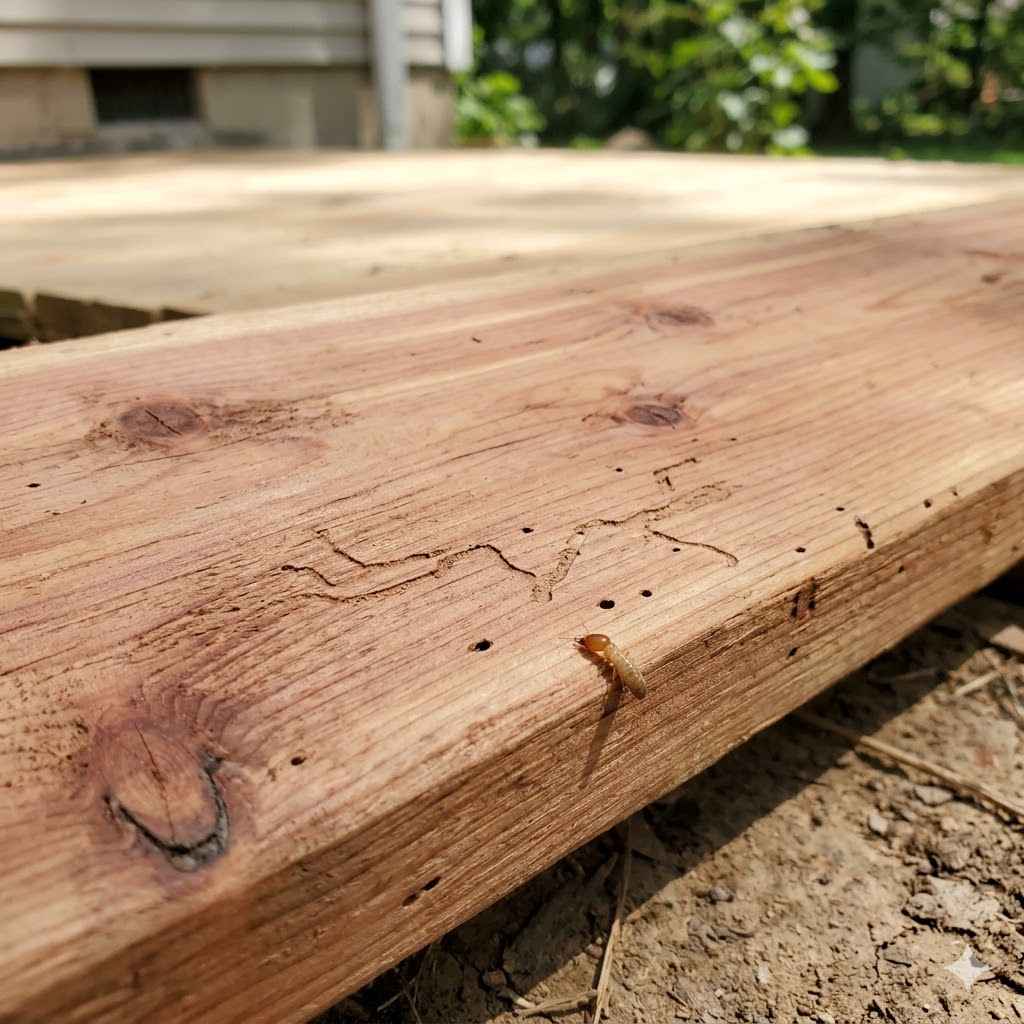
The age and condition of the cedar wood also play a role. Over time, the natural oils can diminish. The wood can become weathered and softer.
This makes it more appealing to termites. Also, if the cedar is painted or stained, it can sometimes seal in the wood. This might trap moisture.
Or it might just be a surface termites can work around.
Finally, sometimes it’s just about availability. If a termite colony is already established nearby, and there’s other, less resistant wood available, they might go for that first. But if that wood is gone, or if the colony is large and hungry, they might just decide to try the cedar.
They are opportunistic creatures.
Termite Bait Systems: A Proactive Approach
How they work: These systems use wood or cellulose as an attractant. They contain a slow-acting poison.
What happens: Termites eat the bait. They carry it back to the colony. The poison then affects the entire colony.
When to use: Good for early detection or as a long-term defense.
What This Means for Your Home
So, if you have cedar in your home, is it a ticking time bomb? Not necessarily. The key is understanding when cedar might be at risk.
It’s when the natural defenses are compromised. This usually happens due to environmental factors.
When it’s normal: If your cedar is well-maintained, painted or sealed properly, and has no direct contact with soil, it’s likely quite safe. Cedar siding that is a foot or more off the ground is generally low risk. Cedar decks with proper ventilation and drainage are also less likely to be targeted.
When to worry: You should be more concerned if your cedar elements are:
- Constantly wet or in damp areas.
- Touching the ground or covered in soil.
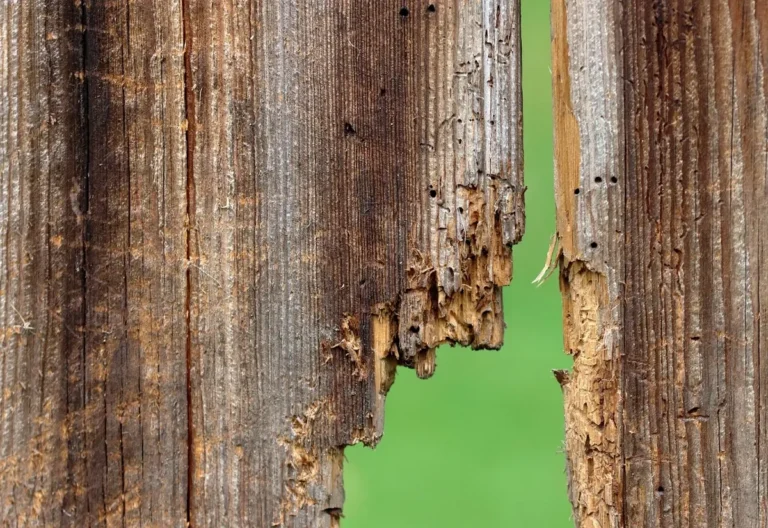
- Showing signs of rot or decay.
- Located in an area known for high termite activity.
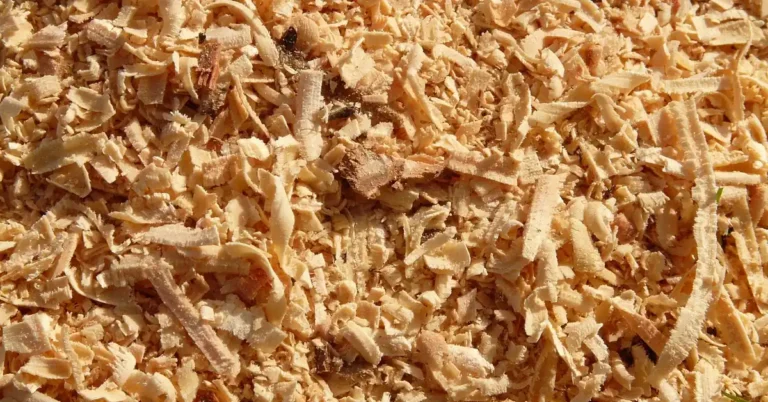
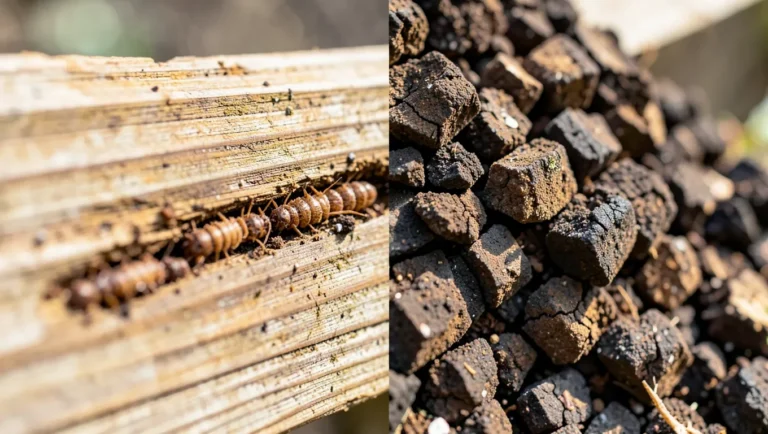
Simple checks: Regularly inspect your cedar wood. Look for mud tubes, small holes, or sawdust-like piles (frass). Tap on the wood.
Does it sound hollow? This could indicate damage. Check around the base of posts and the edges of boards that meet the ground.
Look for any signs of insect activity.
In my experience, the most successful defenses are often the simplest. Good building practices go a long way. Keeping wood dry and off the ground is crucial.
It’s not about the wood type alone. It’s about the conditions you create around it.
Contrast Matrix: Cedar vs. Other Woods
Myth: Cedar is completely termite-proof.
Reality: Cedar is naturally resistant due to its oils, but not immune. Other woods like redwood and cypress also offer resistance.
Myth: All cedar is equally resistant.
Reality: The heartwood is more resistant than the sapwood. Species vary in oil content.
Myth: Termites will never attack cedar.
Reality: Termites will attack cedar if conditions are right (moisture, soil contact, lack of other food).
Quick Tips for Protecting Your Cedar
If you have cedar elements on your home, or are planning to use them, here are some simple guidelines. These are not guaranteed fixes but are smart practices. They help reduce the risk of termite attraction.
- Keep it Dry: Ensure good drainage around your home. Fix any leaky pipes or faucets that might wet the wood. Allow for plenty of airflow to help wood dry out.
- Stay Off the Ground: For any cedar posts or structures, make sure they are elevated. Use concrete footings or metal post bases. This keeps the wood from touching the soil directly.
- Seal and Paint: Properly applied paint or sealant can add a layer of protection. Make sure to reapply as needed. This helps maintain the wood’s integrity.
- Regular Inspections: Make it a habit to look for any signs of trouble. A few minutes a year can save you a lot of heartache.
- Remove Debris: Don’t let wood debris or mulch pile up against cedar siding or fences. This creates a damp, hidden environment perfect for pests.
- Choose Heartwood: When purchasing cedar, try to get wood that is primarily heartwood. It will be more naturally resistant.
Quick-Scan Table: Cedar & Termite Factors
| Factor | Impact on Termite Attraction |
|||
| Moisture | High: Damp wood is more attractive. |
| Soil Contact | Very High: Direct access makes infestation easier. |
| Natural Oils | Medium: Repellent, but not always sufficient. |
| Wood Age/Condition | Medium: Older, softer wood is more vulnerable. |
| Species of Cedar | Low-Medium: Varies, but heartwood is key. |
| Species of Termite | Low-Medium: Some termites are more persistent. |
Frequently Asked Questions About Termites and Cedar
Are termites attracted to the smell of cedar?
Termites are not typically attracted to the smell of cedar. In fact, the natural oils in cedar wood often give it a scent that can be repellent to them. However, they can be attracted to the wood itself if other conditions are favorable.
Can termites eat through a cedar fence?
Yes, termites can eat through a cedar fence, especially if the fence is in contact with the soil or is consistently wet. While cedar is somewhat resistant, it’s not completely immune to termite damage.
Is cedar furniture safe from termites indoors?
Cedar furniture indoors is generally safer than outdoor cedar structures. The dry, indoor environment and lack of soil contact reduce the risk. However, if termites get inside the home, they can still attack any accessible wood, including cedar furniture.
Does treated cedar wood offer more protection?
Cedar wood is often naturally resistant. Treatment can add another layer of protection against pests and decay, but the primary resistance comes from the wood’s natural oils.
What are the signs of termites in cedar wood?
Signs include mud tubes, small holes in the wood, discarded wings (resembling ant wings but without a defined “waist”), and a hollow sound when tapped. You might also see piles of sawdust-like frass.
Should I use cedar for any part of my home’s structure?
Cedar is excellent for exterior cladding, shingles, or decorative elements. For structural components deep within the home, other materials might be more common due to cost and specific engineering needs. Always follow building codes.
Final Thoughts on Cedar and Termites
Cedar wood offers a beautiful and naturally resistant option for many home projects. It’s not a magic shield against termites, but it’s a good starting point. Understanding the factors that can make any wood vulnerable is key.
Keep your cedar dry, off the ground, and well-maintained. Regular checks will give you peace of mind. You can enjoy your cedar elements knowing you’ve taken smart steps to protect them.
Sponsored / affiliate links. As an Amazon Associate I earn from qualifying purchases. I may earn additional commission from eligible campaigns.