Can I Eat Russian Cherry Directly Off The Tree? Find Out
You found some lovely-looking cherries that you think might be Russian varieties. You’re curious if they’re safe to eat right off the branch. That’s a common question!
Many fruits are best enjoyed fresh. Let’s find out about Russian cherries and if eating them directly from the tree is a good idea.
While some cherries are safe to eat directly off the tree, Russian cherry varieties may have specific considerations. It’s important to understand their typical characteristics and any potential concerns before taking a bite. Always ensure fruits are ripe and properly identified.
Understanding Russian Cherry Varieties
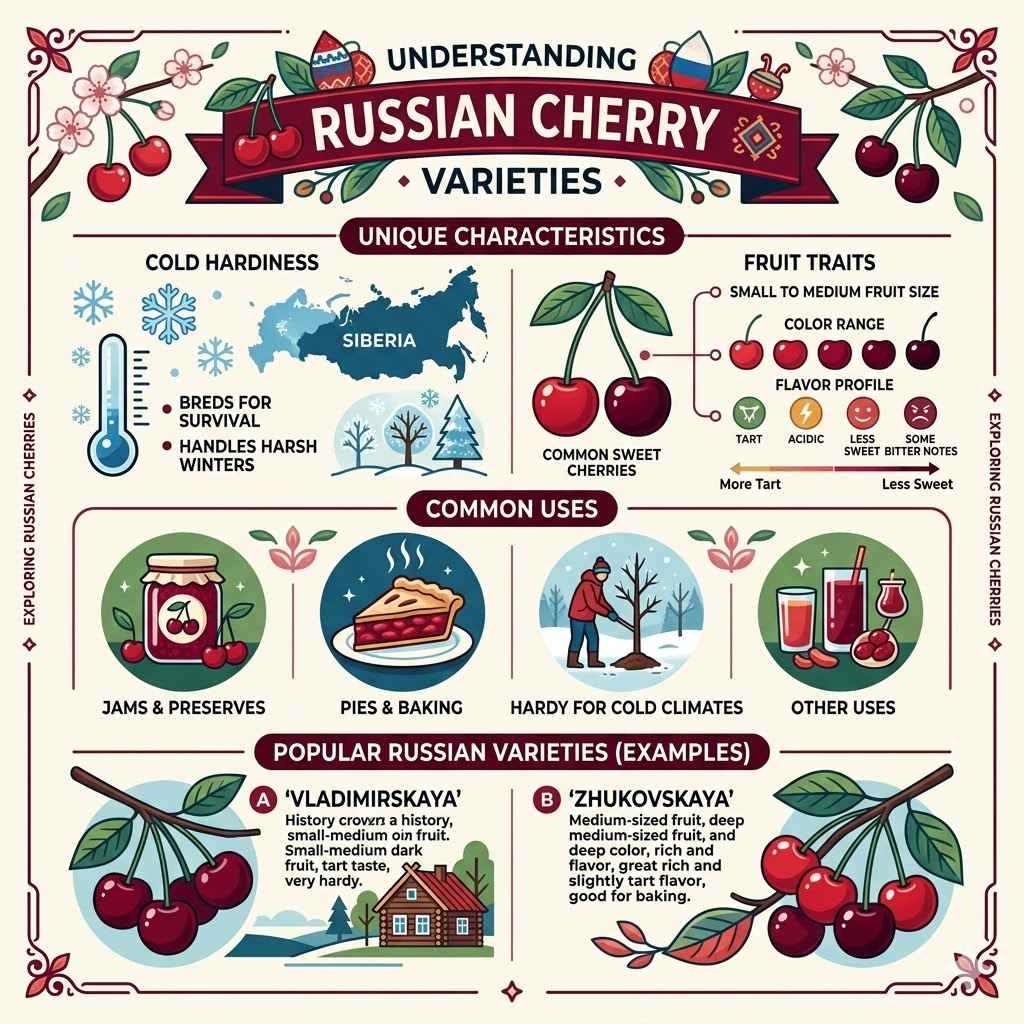
Russian cherries are a bit different. They often grow in colder places. This means they are usually very tough.
They can handle cold winters. Many types come from places like Siberia. These trees are bred for survival.
They are not always the same as sweet cherries you might know.
Think about what makes a cherry good to eat. It needs to be sweet. It should be juicy.
The skin should be nice. Russian cherries are often grown for other reasons too. They might be for jams.
They might be for pies. Or they might be to make them hardy for cold climates. Their taste can be more tart.
Some might have a bitter note.
It’s helpful to know the exact type. Many names exist. Some are more common in Russia and parts of Europe.
You might hear names like ‘Zhukovskaya’ or ‘Vladimirskaya’. These names hint at their origin. They are hardy types.
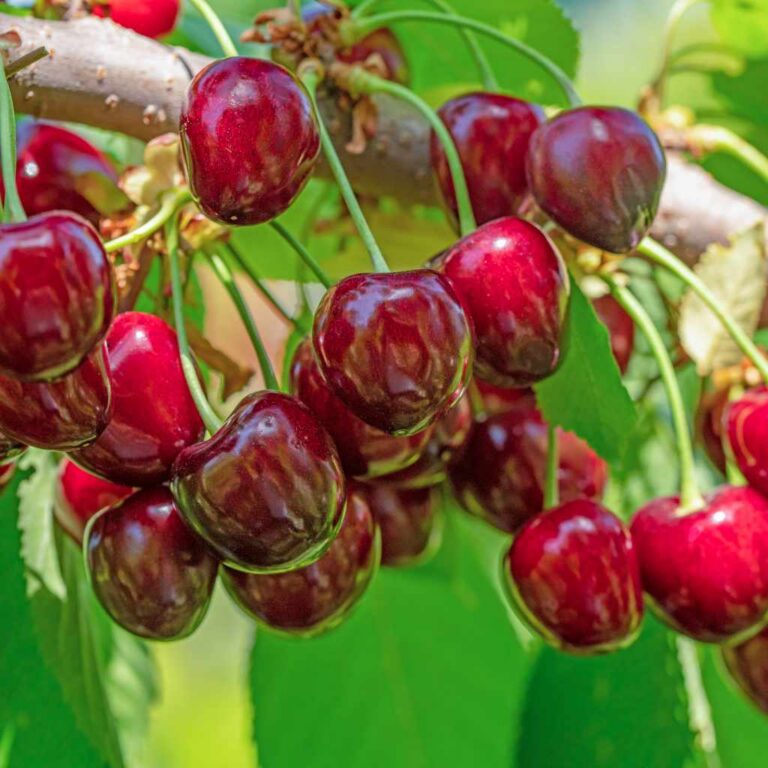
They often produce small to medium fruits. The color can range from bright red to deep dark red.
Personal Experience: A Cherry Surprise
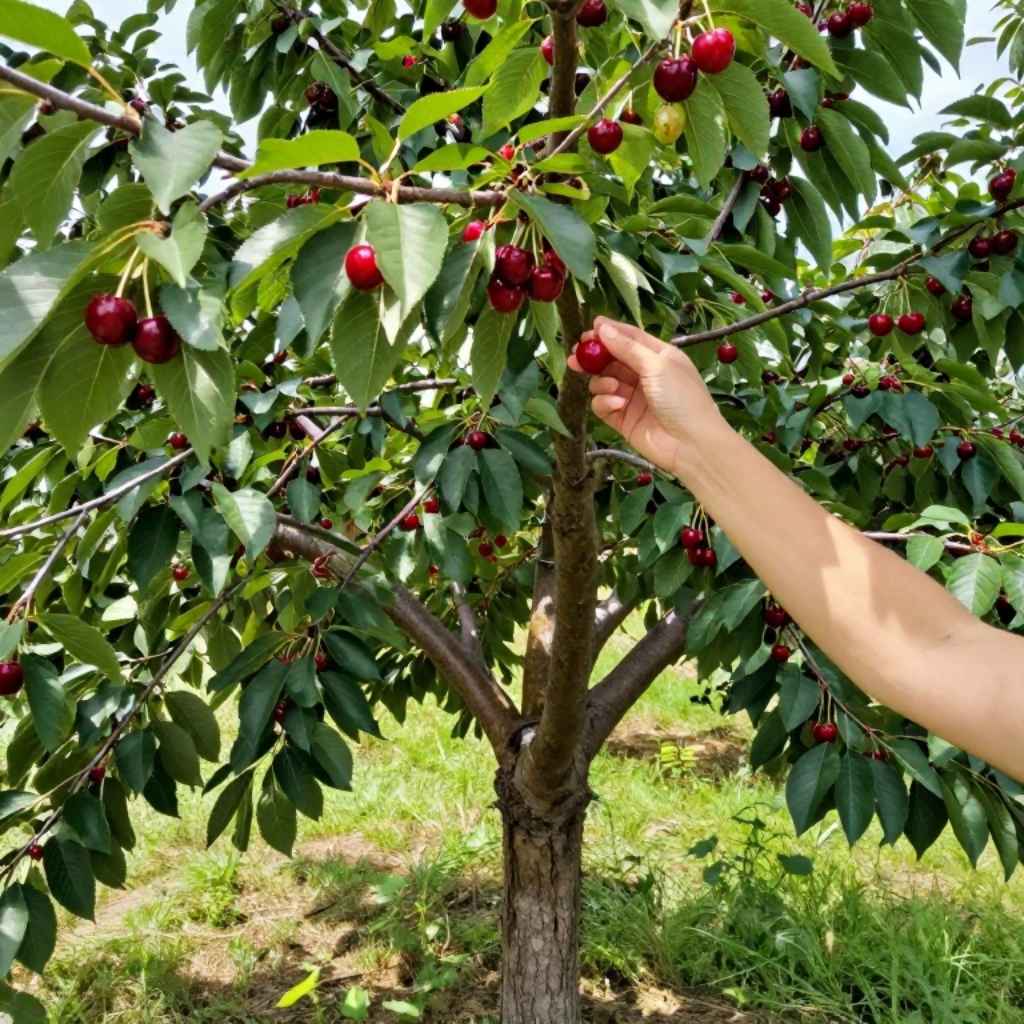
I remember visiting a friend’s orchard one summer. They had all sorts of fruit trees. I saw a tree with bright red cherries.
They looked so inviting. I asked what kind they were. My friend said, “Oh, those are an old Russian variety my grandmother planted.” My eyes lit up.
I thought, “Perfect! Fresh cherries!”
I walked over and plucked one. It was a pretty color. It felt firm in my hand.
I popped it into my mouth, expecting that familiar sweet burst. But whoa. It was a shock.
It was super tart. Not just a little tart, but puckeringly sour. There was a strange, almost medicinal aftertaste.
I made a face. My friend chuckled.
She explained that those cherries were never meant to be eaten fresh. They were perfect for making a strong, flavorful jam. Or for a potent liqueur.
Eating them straight off the tree was not the best experience. It taught me a valuable lesson. Not all cherries are created equal.
You really need to know what you’re picking.
Russian Cherry Characteristics
Hardiness: Bred to survive cold winters. Very tough trees.
Taste: Often tart or sour. Not typically sweet like Bing cherries.
Use: Best for cooking, baking, jams, or preserves. Less ideal for fresh eating.
Size: Fruits are usually small to medium.
Why Some Cherries Aren’t for Direct Eating
So, why would a cherry not be good to eat right away? It comes down to a few things. The first is taste.
Some cherries are naturally more sour. This is due to higher levels of acids. It’s not a sign of being bad.
It’s just how the plant grew.
Then there’s ripeness. Cherries need time on the tree. They need sunshine and warmth.
This helps them develop sugars. It makes them sweeter. It also makes them softer.
Some Russian varieties might ripen quickly. But they might not get super sweet. They might stay tart for longer.
Another factor is the pit. Most cherry pits are not edible. They contain a compound called amygdalin.
This can turn into cyanide. You should never eat cherry pits. This is true for all cherry types.
But it’s a good reminder for any fruit you try.
Some very old or wild varieties might have different properties. They might not be as appealing. They might not be as safe.
It’s always best to know the plant. Especially if you didn’t grow it yourself. Identification is key.
Taste Vs. Safety: What’s the Difference?
Taste: This is about preference. A tart cherry is safe but might not taste good to you raw. Think of lemons.
They are safe but very sour.
Safety: This is about whether the fruit is harmful. For cherries, the main concern is the pit. The flesh of a ripe cherry is usually safe.
Russian Cherry Focus: Most Russian varieties focus on hardiness. Their taste is often a secondary concern. They are bred to survive, not necessarily to be a sweet snack.
Identifying Russian Cherries in the U.S.
Finding true Russian cherry varieties in the United States can be tricky. They are not as common as other types. You are more likely to find them in specialized orchards.
Or if someone has an old family tree. Most garden centers sell popular sweet or sour cherry types.
If you suspect you have a Russian cherry tree, look closely at the leaves. Look at the bark. The shape of the tree matters too.
Russian varieties are often smaller trees. They might be more shrub-like. This helps them shed snow in winter.
The fruit itself is a big clue. Are they very small? Are they a deep, dark color?
Do they have a very firm skin? If they are extremely tart, that’s a strong sign. They might be a sour or a Russian type.
The best way to be sure is to ask the grower. If you bought the tree, check the label. If it’s a surprise tree, try to get a sample of the fruit.
Take pictures. You can ask local nurseries or agricultural extension offices. They might help you identify it.
Quick Identification Tips
- Tree Shape: Often smaller, more shrub-like.
- Fruit Size: Small to medium.
- Fruit Color: Deep red to nearly black.
- Fruit Texture: Firm skin, dense flesh.
- Taste: Very tart or sour, sometimes with a unique aftertaste.
What About the Pits?
We touched on this, but it’s worth repeating. The pits of all cherries are not meant to be eaten. This includes Russian cherries.
The pits contain natural compounds that are harmful if you eat too many.
These compounds are called cyanogenic glycosides. In your body, they can break down. They can create cyanide.
Cyanide is a poison. Eating a few pits by accident is unlikely to cause serious harm. Especially if they are swallowed whole.
But you should never deliberately eat them.
So, when you eat a cherry, spit out the pit. Or remove it before eating. This is standard practice for most cherries.
It’s a simple step to stay safe. Russian cherries are no exception to this rule.
The Role of Ripeness
Ripeness is super important for cherries. A cherry that is not ripe will be hard. It will be sour.
It will not be very juicy. It will taste like a green fruit. It is safe to eat, but not enjoyable.
A ripe cherry is soft. It is full of juice. It is sweet.
For most sweet cherries, this is a beautiful experience. You can eat them right off the tree. They are perfect for snacking.
Russian cherries might ripen differently. They might turn red. But they may not reach peak sweetness.
They might stay tart. This is their natural profile. So, even if a Russian cherry looks ripe (red and plump), it might still be too sour for your liking.
How do you know if a Russian cherry is “ripe” enough to eat raw? It’s a bit of a gamble. If you like very tart flavors, you might enjoy it.
If you expect sweet, you will be disappointed. Some people describe the taste as “complex.” It can have floral or even spicy notes.
Ripeness Check for Any Cherry
Color: Look for a deep, uniform color. For red cherries, this means a rich red. For dark cherries, it means very dark, almost black.
Firmness: A ripe cherry should be firm but yield slightly to gentle pressure. Too hard means underripe. Too soft means overripe or damaged.
Stem: The stem should be green and fresh-looking, not dry or brittle.
Taste Test: The best way is often a small taste. If it’s enjoyable, it’s ripe for eating!
When Are Cherries Best Eaten?
Most cherries are best eaten when they are perfectly ripe. This is when their sugars are highest. Their flavors are most developed.
For many sweet cherry varieties, this means eating them fresh.
Think of cherries you buy at the store. The best ones are plump and shiny. They have a good aroma.
They taste wonderful when you bite into them. These are the ones that are great right off the tree.
However, not all cherries are meant to be eaten that way. Many sour cherries are too tart for snacking. They are wonderful in baking.
They make pies sing. They are also great for jams and preserves. These fruits are designed for processing.
Russian cherries often fall into this latter category. Their appeal is not usually in their raw sweetness. It’s in their ability to add a unique flavor to cooked dishes.
Or their hardiness as a tree. So, while you can technically eat them raw, it might not be the best experience.
What This Means for You
If you have a tree you think is a Russian cherry, proceed with caution. You can certainly try one. But have low expectations for sweetness.
Think of it as an experiment. Is it safe? Yes, the flesh of a ripe cherry is safe to eat.
Just avoid the pit.
Is it going to be delicious like a store-bought Bing cherry? Probably not. It will likely be much tarter.
It might have a flavor you’re not used to.
When is it normal to eat these cherries raw? If you grow them yourself and know they have a taste you enjoy. Or if you are a fan of very tart fruits.
For most people, it’s better to use them for cooking.
When should you worry? You should only worry if the fruit looks bad. If it’s moldy.
If it has strange spots. Or if the tree itself looks sick. The taste of a tart cherry is not a worry.
It’s just its nature.
Normal vs. Concerning Cherry Signs
Normal:
- Tart or sour taste
- Small to medium fruit size
- Deep red or dark color
- Firm texture
Concerning:
- Mold or fuzzy spots on the fruit
- Unusual, foul smells
- Soft, mushy spots indicating rot
- The presence of many insects or worms inside the fruit
Best Ways to Use Russian Cherries
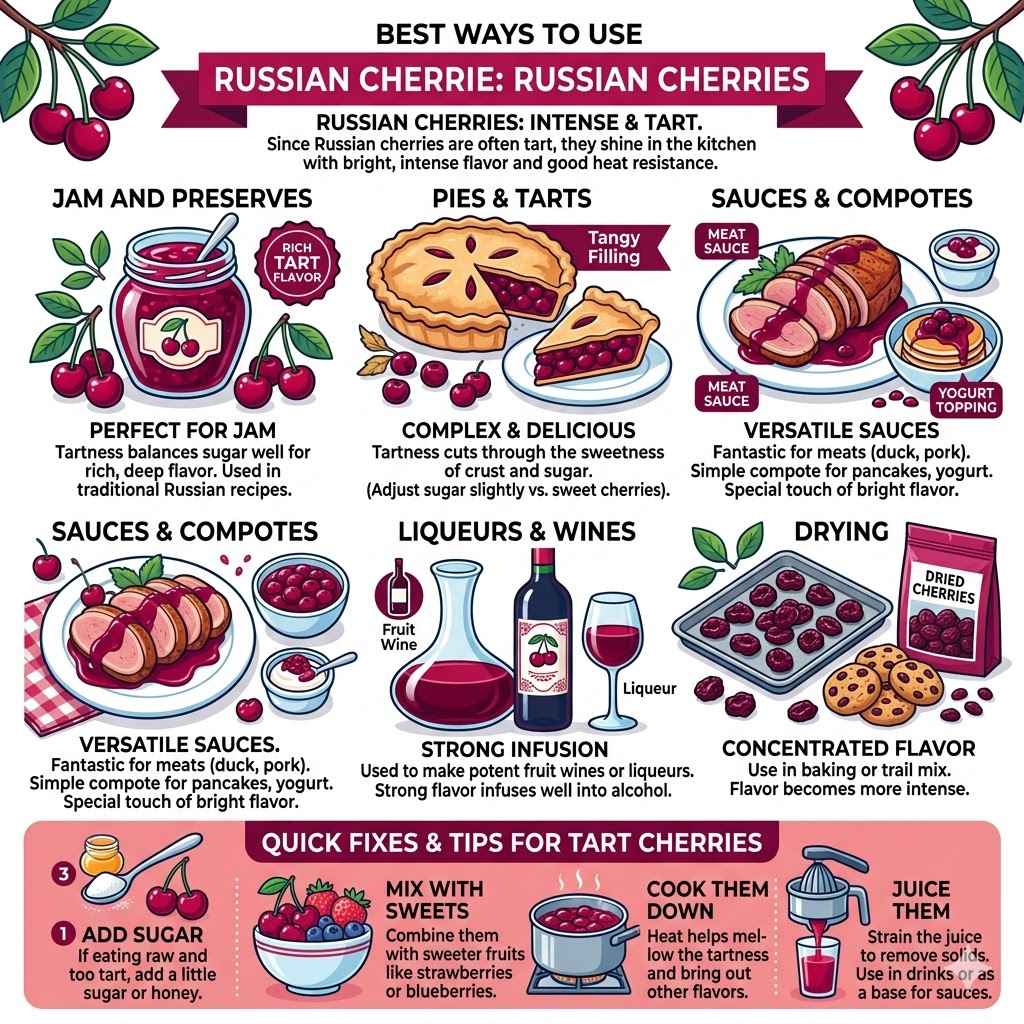
Since Russian cherries are often tart, they shine in the kitchen. They bring a bright, intense flavor. They also hold up well to heat.
This makes them great for many recipes.
Jam and Preserves: Their tartness is perfect for jam. It balances the sugar well. You get a rich, deep flavor.
Many traditional Russian recipes use these cherries for jam.
Pies and Tarts: The tartness cuts through the sweetness of the crust and sugar. It gives the filling a lovely tang. You might need to adjust the sugar slightly compared to sweet cherries.
But the result is often more complex and delicious.
Sauces and Compotes: They make a fantastic sauce for meats like duck or pork. Or a simple compote for pancakes or yogurt. The bright flavor adds a special touch.
Liqueurs and Wines: In some cultures, these tart cherries are used to make potent fruit wines or liqueurs. The strong flavor infuses well into alcohol.
Drying: You can also dry them. Dried cherries can be used in baking or trail mix. Their flavor becomes more concentrated.
Quick Fixes & Tips for Tart Cherries
- Add Sugar: If eating raw and too tart, add a little sugar or honey.
- Mix with Sweets: Combine them with sweeter fruits like strawberries or blueberries.
- Cook Them Down: Heat helps mellow the tartness and bring out other flavors.
- Juice Them: Strain the juice to remove solids. Use the juice in drinks or as a base for sauces.
Frequently Asked Questions About Eating Russian Cherries
Are Russian cherries safe to eat off the tree?
Yes, the flesh of ripe Russian cherries is generally safe to eat directly off the tree. The main concern with any cherry is to avoid eating the pit, which contains compounds that can be harmful. Their taste is often very tart, which is a characteristic, not a safety issue.
What do Russian cherries taste like?
Russian cherries typically have a very tart or sour taste. They are often more acidic than sweet cherries. Some people describe them as having a complex flavor profile, which can include floral or slightly bitter notes.
They are not usually eaten fresh for their sweetness.
How can I tell if a cherry is Russian?
Russian cherry trees are often hardier and may appear more shrub-like. The fruits tend to be small to medium-sized, with a deep red to dark color and firm skin. Their intense tartness is a key indicator.
If you’re unsure, consulting local agricultural resources can help with identification.
Can I eat the pits of Russian cherries?
No, you should never eat the pits of any cherry, including Russian varieties. Cherry pits contain amygdalin, which can break down into cyanide in your body. While swallowing a few whole pits is unlikely to cause harm, it’s best to always remove and discard them.
What is the best way to use tart Russian cherries?
Tart Russian cherries are excellent for cooking and baking. They are ideal for making jams, pies, tarts, compotes, and sauces. Their tartness balances sweetness well and adds a unique flavor complexity.
They can also be used for liqueurs or dried for later use.
Are all cherries safe to eat raw from the tree?
Most commonly cultivated sweet cherry varieties are safe and delicious to eat raw when ripe. However, many sour cherries and some less common or wild varieties may be too tart for raw consumption. Always confirm the type of cherry and its ripeness.
Conclusion
So, can you eat Russian cherries directly off the tree? The short answer is yes, you can. The flesh is safe if the fruit is ripe.
However, be prepared for a very tart taste. These cherries are usually bred for hardiness and flavor in cooking. They aren’t typically sweet snacks.
Enjoy experimenting with them, especially in your favorite baked goods!
Sponsored / affiliate links. As an Amazon Associate I earn from qualifying purchases. I may earn additional commission from eligible campaigns.