Are Cherry Trees Easy to Grow A Beginner Guide
Imagine biting into a sweet, juicy cherry picked right from your own backyard. For many home gardeners, this dream seems a bit out of reach, perhaps thinking it requires a green thumb of legendary proportions. But what if I told you that growing your own cherry tree might be more achievable than you think?
This guide is here to demystify the process, showing you exactly what’s involved. By the end, you’ll know if cherry trees fit your gardening plans and how to set yourself up for success. Let’s discover how easy it can be to grow your own delicious cherries.
Are Cherry Trees Easy to Grow A Beginner Guide
The allure of fresh, homegrown cherries is undeniable. For many, the idea of cultivating these delightful fruit trees sparks curiosity, often accompanied by a question: Are cherry trees easy to grow? The answer is a hopeful yes, with a few important considerations.
This guide is designed for anyone looking to add a cherry tree to their landscape, whether you’re a seasoned gardener or just starting out. We’ll explore the factors that contribute to successful cherry tree cultivation, helping you make informed decisions and enjoy a rewarding harvest.
Choosing the Right Cherry Tree for Beginners
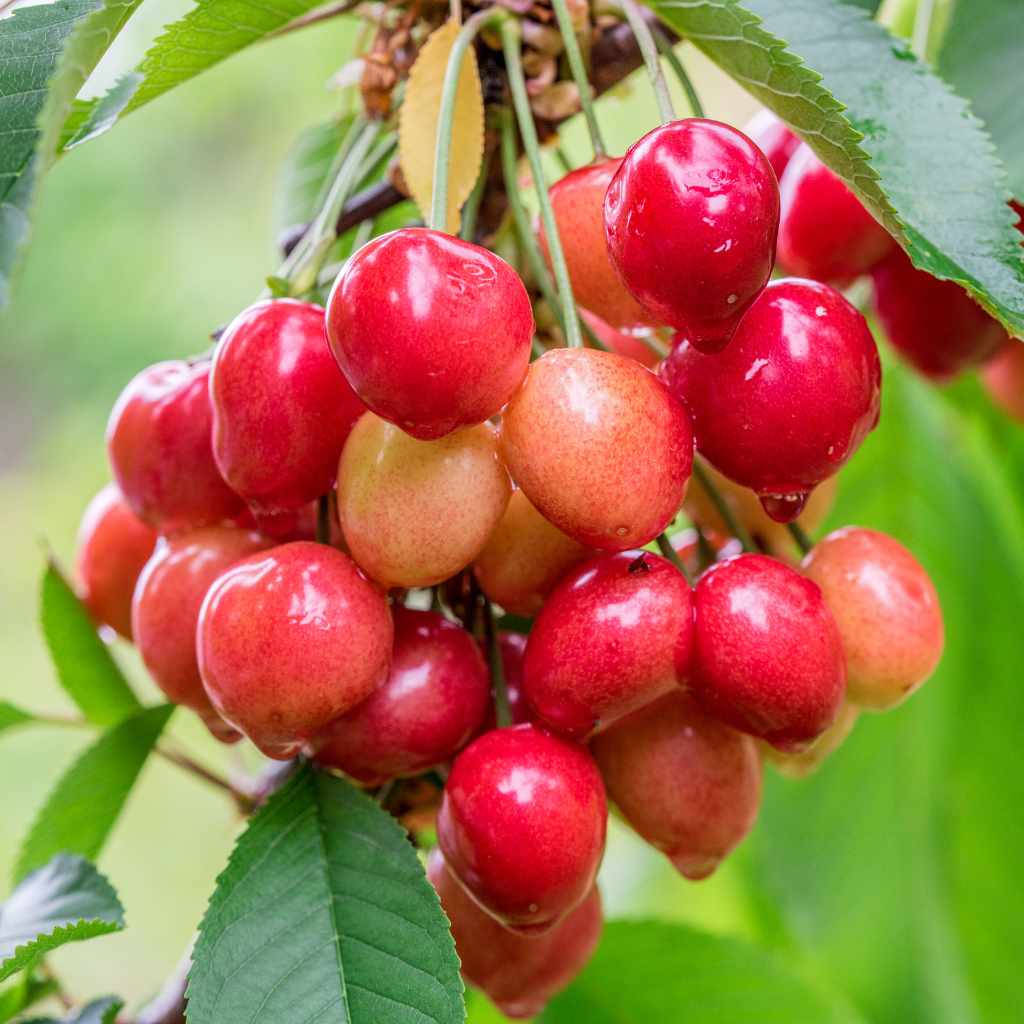
Not all cherry trees are created equal when it comes to ease of care. For beginners, selecting the right variety is a key step. Sweet cherries (Prunus avium) tend to be a bit more finicky than sour cherries (Prunus cerasus).
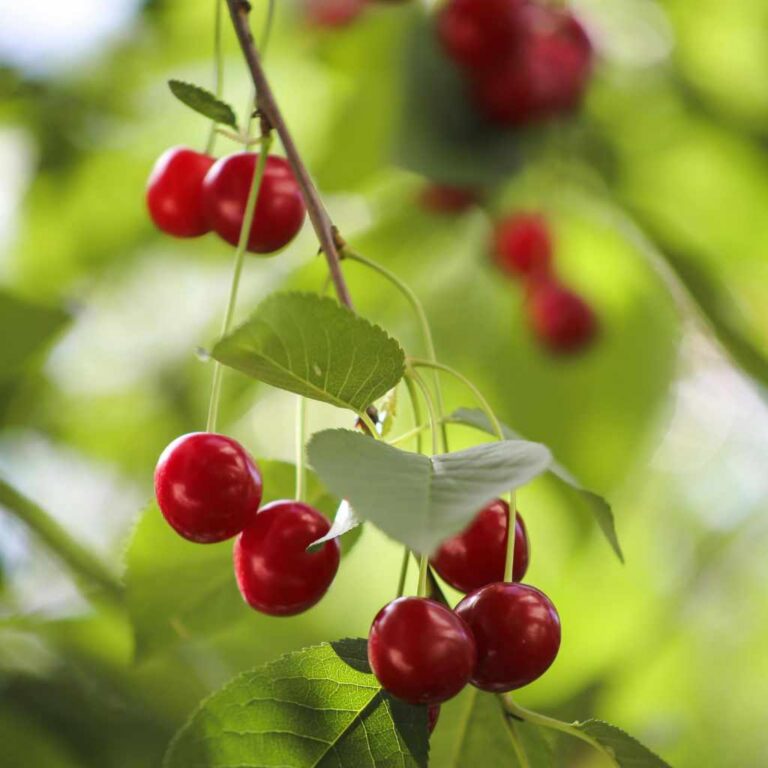
Sour cherry varieties, like ‘Montmorency’ or ‘Morello’, are generally more cold-hardy and disease-resistant, making them a more forgiving choice for new growers. They also have the advantage of being self-pollinating, meaning you only need one tree to get fruit. Sweet cherries, on the other hand, often require a compatible pollinator tree nearby and can be more susceptible to certain pests and diseases.
When choosing a tree, consider your local climate. Are you in a region with harsh winters or mild temperatures? Dwarf or semi-dwarf rootstocks are also excellent options for beginners.
These trees stay smaller, making them easier to manage, prune, and harvest from. They also tend to fruit sooner than their standard-sized counterparts.
Site Selection and Soil Preparation
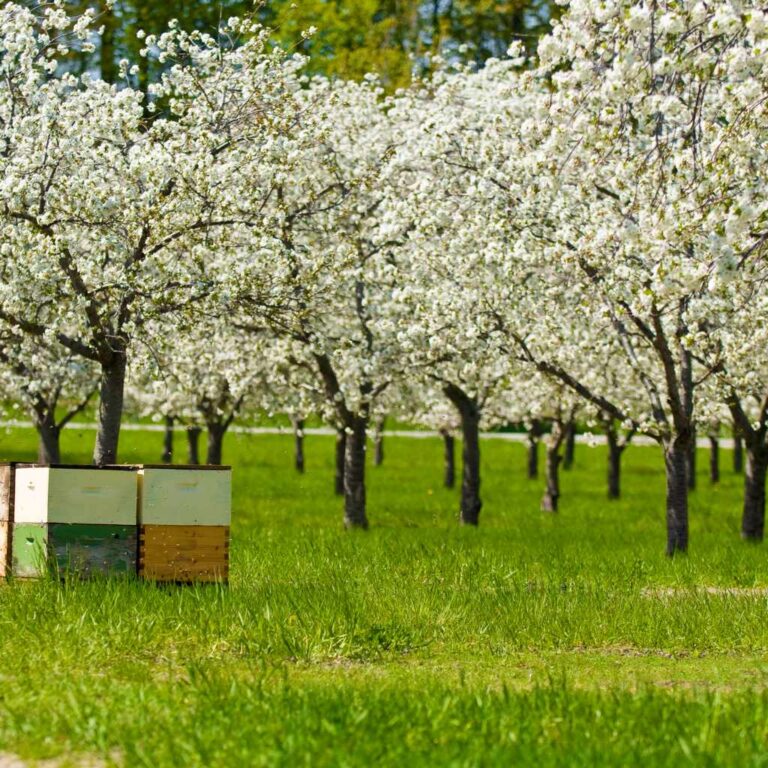
Sunlight is paramount for fruit production. Cherry trees thrive in full sun, meaning at least six to eight hours of direct sunlight per day. A location that receives morning sun is ideal, as it helps to dry dew from the leaves, reducing the risk of fungal diseases.
Avoid planting your cherry tree in low-lying areas where frost can settle or where water tends to collect, as cherries do not tolerate waterlogged soil well.
Soil drainage is crucial. If you have heavy clay soil, consider amending it with organic matter like compost or well-rotted manure to improve its structure and drainage. You can also create a raised planting bed to ensure excess water drains away freely.
The ideal soil pH for cherry trees is slightly acidic to neutral, typically between 6.0 and 7.0. A simple soil test can help you determine your current pH and whether any adjustments are needed.
Planting Your Cherry Tree
The best time to plant a bare-root cherry tree is in late winter or early spring while it is dormant. Container-grown trees can be planted throughout the growing season, but spring or fall are still preferred to allow the roots to establish before extreme heat or cold. Dig a hole that is as deep as the root ball and about twice as wide.
This gives the roots plenty of room to spread out.
When placing the tree in the hole, ensure the graft union (the swollen knot where the scion meets the rootstock) is at least 2-3 inches above the soil line. This prevents the scion from rooting itself. Backfill the hole with the original soil, gently firming it around the roots to eliminate air pockets.
Water thoroughly after planting to settle the soil and help the roots make good contact with the earth. Apply a layer of mulch around the base of the tree, keeping it a few inches away from the trunk, to help retain moisture and suppress weeds.
Watering and Fertilizing Needs
Consistent watering is essential, especially during the first few years as the tree establishes its root system. Aim to keep the soil consistently moist but not soggy. Water deeply when the top inch or two of soil feels dry.
This might mean watering a few times a week during hot, dry periods. Once established, cherry trees are somewhat drought-tolerant, but will benefit from supplemental watering during dry spells, particularly when the fruit is developing.
Fertilizing should be done judiciously. Over-fertilizing can lead to excessive leafy growth at the expense of fruit production and can make trees more susceptible to disease. A light application of a balanced, slow-release fertilizer in early spring, before growth begins, is usually sufficient.
Avoid fertilizers with high nitrogen content. For young trees, a ¼ to ½ pound of fertilizer per year of age, up to a maximum of 5 pounds, is a good guideline.
Pruning for Health and Productivity
Pruning is vital for maintaining the health, shape, and productivity of your cherry tree. The primary pruning season for most cherry trees is in late winter or early spring, while the tree is dormant. This allows you to see the tree’s structure clearly and helps wounds heal quickly.
You’ll want to remove any dead, damaged, or diseased branches. Also, prune out any branches that are crossing or rubbing against each other, as these can create entry points for disease.
When pruning, aim to create an open, vase-shaped canopy. This allows sunlight and air to penetrate the tree, promoting fruit development and reducing disease risk. For young trees, focus on establishing a strong central leader or a well-balanced scaffold branch system.
As the tree matures, your pruning will focus on thinning out crowded branches and maintaining its size and shape. Summer pruning can sometimes be done to control growth or remove water sprouts, but it’s generally less critical than winter pruning.
Pest and Disease Management
While generally not overly problematic if the right conditions are met, cherry trees can face a few common pests and diseases. Bird damage is perhaps the most common issue for fruit-setters. Netting your trees as the fruit begins to ripen is an effective way to protect your harvest.
Other common pests include cherry fruit flies, aphids, and Japanese beetles. Regular monitoring of your tree can help you identify problems early.
Diseases like brown rot and leaf spot can also affect cherry trees. Good air circulation, proper pruning, and avoiding overhead watering can help prevent many fungal issues. If a specific pest or disease becomes a significant problem, there are organic and conventional control methods available.
Choosing disease-resistant varieties and maintaining tree health through proper care are your best defenses.
Harvesting Your Cherries
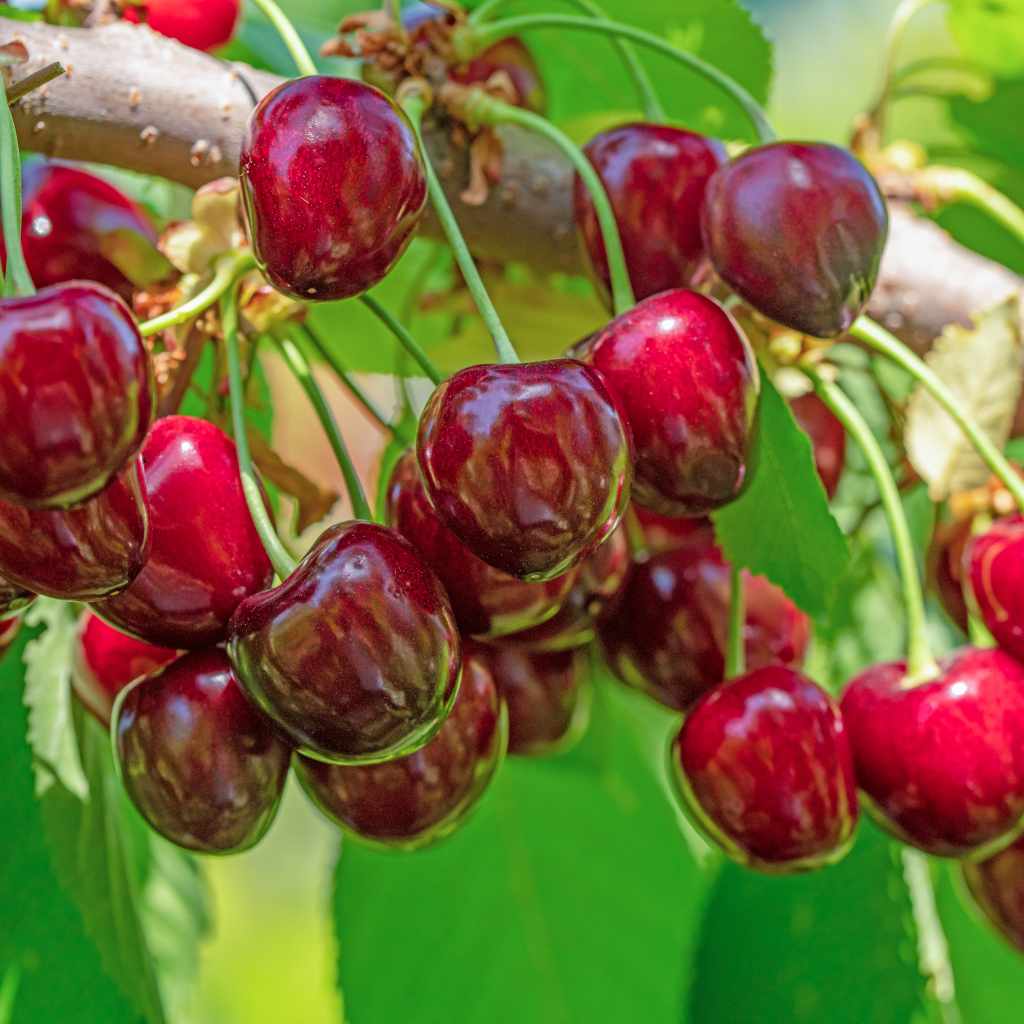
The timing of your cherry harvest depends on the variety you’ve planted, but most cherries ripen in late spring or early summer. You’ll know your cherries are ready when they have developed their full color and have a slightly softened feel. Taste is the ultimate test; a sweet cherry should be sweet and juicy, while a sour cherry will have a tart flavor perfect for baking or preserves.
Harvesting is best done on a dry day to minimize spoilage. Gently pull the cherries from the stems, or use clean pruning shears to snip the stem close to the fruit. Avoid bruising the fruit, as this can reduce its shelf life.
Cherries are best enjoyed fresh but can be stored in the refrigerator for a few days. If you have a surplus, consider freezing, canning, or making them into jams and pies.

Frequently Asked Questions
Question: Can I grow a cherry tree in a small garden?
Answer: Yes, dwarf or semi-dwarf cherry trees are excellent choices for small gardens. They are grafted onto rootstocks that naturally limit their size, making them more manageable in confined spaces. You can also grow cherry trees in large containers, provided they have adequate drainage and receive enough sunlight.
Question: How long does it take for a cherry tree to produce fruit?
Answer: Fruit production can vary depending on the variety and rootstock. Dwarf trees often begin bearing fruit within 2-3 years, while standard-sized trees might take 5-7 years. Proper care, including adequate sunlight, water, and occasional pruning, will encourage earlier and more consistent fruiting.
Question: Do I need two cherry trees to get fruit?
Answer: It depends on the type of cherry tree. Sour cherry varieties are typically self-pollinating, meaning one tree can produce fruit on its own. Many sweet cherry varieties, however, are not self-pollinating and require a compatible pollinator tree of a different variety planted nearby to ensure fruit set.
Always check the specific pollination requirements for the variety you choose.
Question: What are the most common problems with growing cherry trees?
Answer: The most common issues include birds eating the fruit, fungal diseases like brown rot and leaf spot, and pests such as aphids and cherry fruit flies. Proper site selection with good air circulation, choosing disease-resistant varieties, vigilant monitoring, and appropriate management techniques can help mitigate these problems.
Question: How much sunlight does a cherry tree need?
Answer: Cherry trees require full sun to thrive and produce abundant fruit. This means they need at least six to eight hours of direct sunlight each day. Planting your tree in an open location with good sun exposure, especially during the morning, is key to its health and productivity.
Final Thoughts
So, are cherry trees easy to grow? With careful selection and consistent care, the answer leans towards yes, especially for the beginner gardener. Focusing on self-pollinating sour cherry varieties or dwarf sweet cherries offers a more forgiving entry point.
Ensuring your chosen spot receives plenty of sun and has well-draining soil sets a strong foundation. Planting correctly, providing adequate water, and practicing light, timely pruning are manageable steps that contribute significantly to the tree’s health and fruitfulness. While pests and diseases can occur, they are often manageable with observation and appropriate action, and the reward of homegrown cherries often outweighs these challenges.
The joy of tasting a cherry you’ve nurtured from a young tree makes the effort worthwhile. Don’t hesitate to give it a try; the satisfaction of a successful harvest is a wonderful gardening experience.