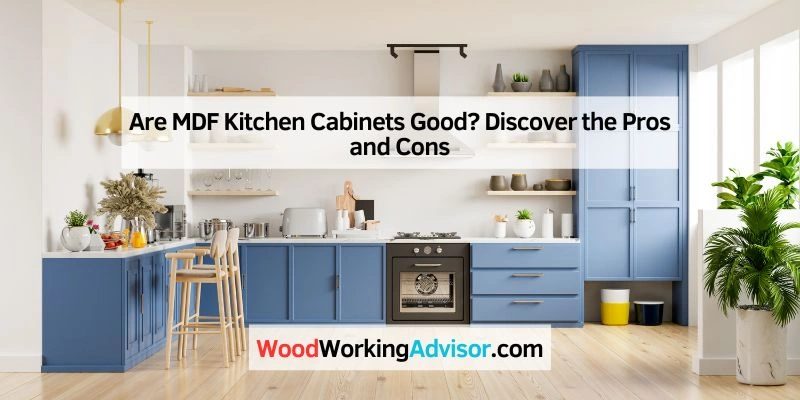
Are MDF Kitchen Cabinets Good? Discover the Pros and Cons
MDF kitchen cabinets are popular. Are they good?
Yes, they are strong and budget-friendly. MDF, or Medium-Density Fiberboard, is an engineered wood product. It is made from wood fibers and resin, then pressed into sheets. Many homeowners choose MDF for their kitchen cabinets. Why? It is less expensive than solid wood and can be painted easily.
MDF cabinets offer a smooth surface and resist cracking. But, are they the right choice for your kitchen? In this blog post, we will explore the pros and cons of MDF kitchen cabinets. By the end, you will know if MDF suits your needs. Let’s dive in and find out more!
Introduction To MDF Kitchen Cabinets
When it comes to remodeling your kitchen, choosing the right cabinets is crucial. One popular option that has been gaining attention is MDF kitchen cabinets. But what exactly are they, and why are they becoming so popular in modern kitchens? Let’s dive in to find out more.
What Is MDF?
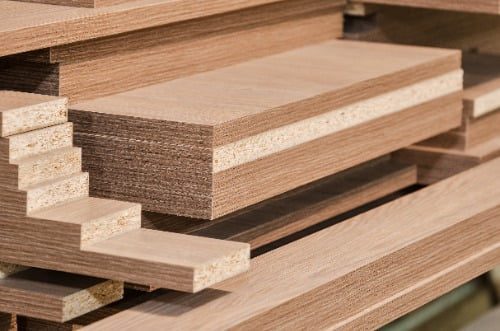
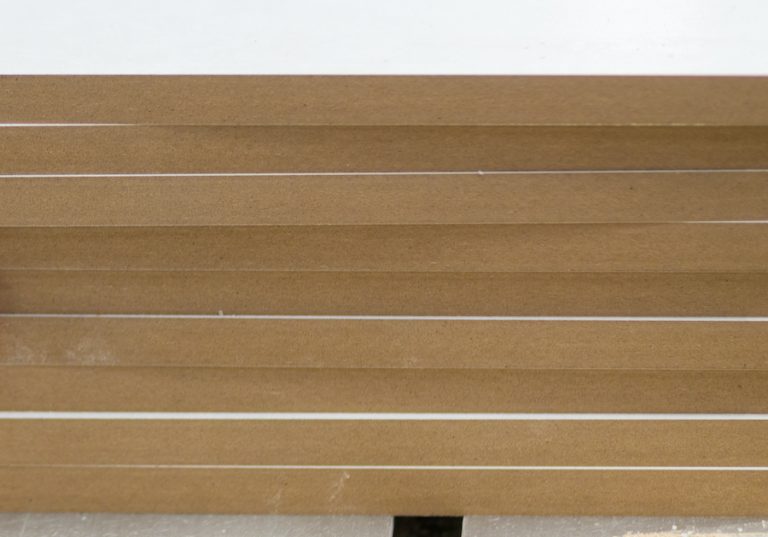
MDF stands for Medium-Density Fiberboard. It is an engineered wood product made by breaking down hardwood or softwood residuals into wood fibers. These fibers are then combined with wax and a resin binder and formed into panels by applying high temperature and pressure. The result is a smooth, dense, and durable material that is commonly used in furniture and cabinetry.
MDF is known for its uniformity and versatility. Unlike natural wood, it does not have knots or rings, which makes it easier to cut, shape, and finish. This makes MDF a preferred choice for many woodworkers and cabinet makers.
Popularity In Modern Kitchens
Why are MDF kitchen cabinets becoming a go-to choice for homeowners and designers? There are several reasons:
- Cost-Effective: MDF is typically less expensive than solid wood, making it a budget-friendly option for kitchen renovations.
- Customizable: MDF can be easily painted and finished in a variety of colors and styles. This allows for greater customization to match any kitchen decor.
- Durable: When properly sealed and finished, MDF can be very durable and resistant to warping and cracking. This makes it an excellent choice for the kitchen environment.
Moreover, MDF cabinets offer a sleek and modern look that fits well with contemporary kitchen designs. They provide a smooth surface that can be easily cleaned and maintained, which is a huge plus for busy households.
So, are MDF kitchen cabinets good? The answer largely depends on your specific needs and preferences. If you are looking for a cost-effective, customizable, and durable option, MDF might just be the perfect choice for your kitchen.
Stay tuned for the next sections where we will delve deeper into the pros and cons of MDF kitchen cabinets, and how to properly care for them to ensure they last for years to come.
Advantages Of MDF Cabinets
When it comes to choosing kitchen cabinets, MDF (Medium Density Fiberboard) is a popular choice for many homeowners. But why is it so favored? Here, we explore the key advantages of MDF cabinets that make them a smart option for your kitchen.
Affordability
One of the most attractive features of MDF cabinets is their affordability. Let’s be honest, kitchen remodels can get expensive quickly. MDF offers a budget-friendly alternative without compromising on quality. It’s less expensive than solid wood, yet still provides a durable and stylish solution for kitchen cabinetry.
But don’t just take my word for it. Consider this: MDF’s cost-effectiveness means you can allocate more of your budget to other areas of your kitchen, like those fancy new appliances you’ve been eyeing. Plus, who doesn’t love saving a few bucks?
Smooth Surface For Painting
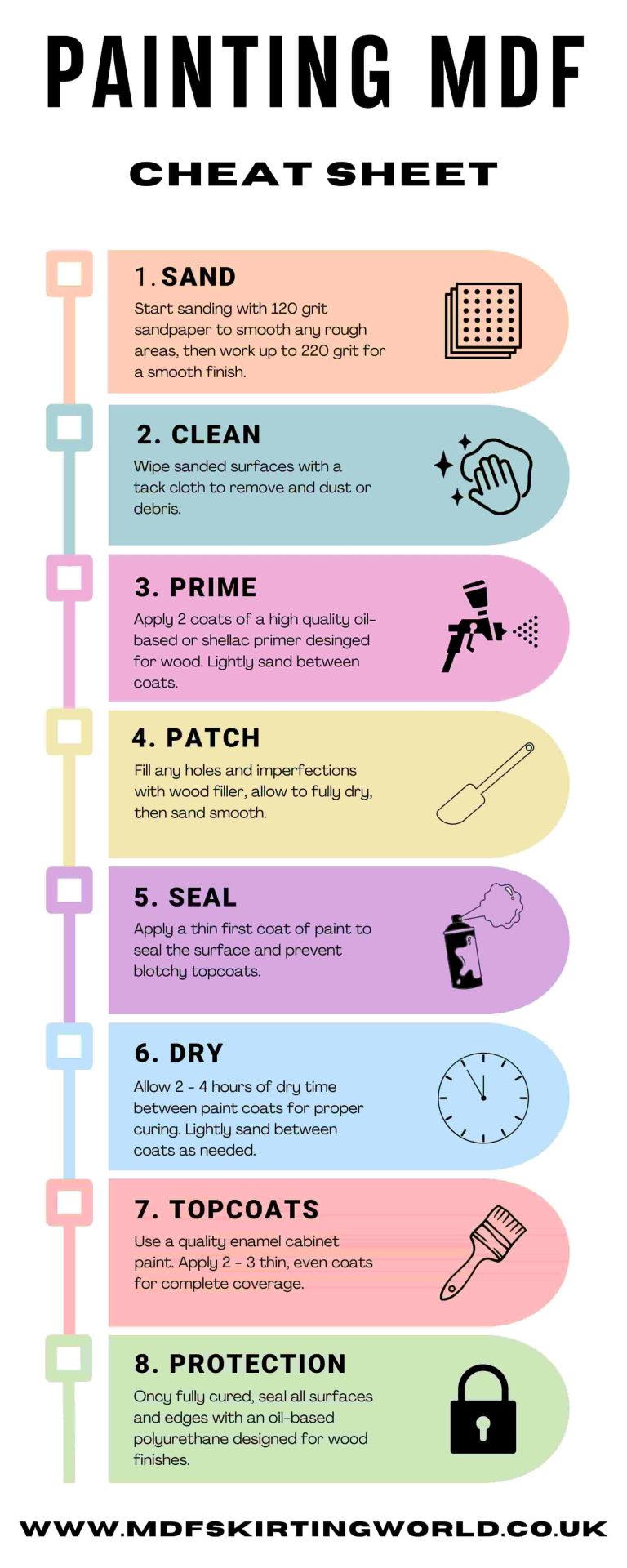
If you have a flair for DIY projects, MDF cabinets will be your best friend. The smooth surface of MDF makes it an excellent candidate for painting. Unlike solid wood, which can have knots and grain patterns that show through paint, MDF provides a flawless finish.
Imagine this: You decide to repaint your kitchen cabinets a vibrant new color. With MDF, you won’t have to worry about sanding down imperfections or dealing with an uneven texture. The result? A sleek, modern look that elevates your entire kitchen.
| Feature | Solid Wood | MDF |
|---|---|---|
| Cost | High | Low |
| Surface | Grainy | Smooth |
| Painting | Requires prep | Easy |
In conclusion, MDF kitchen cabinets offer a great combination of affordability and ease of customization. Whether you’re on a tight budget or simply want a smooth, paint-ready surface, MDF has got you covered. So, why not give it a try and see how it can transform your kitchen? Remember, a beautiful kitchen doesn’t have to break the bank!
Durability Of MDF Cabinets
MDF kitchen cabinets are known for their durability. They are made from fine wood fibers mixed with resin. This combination creates a strong material. Many homeowners choose MDF for its reliability.
Resistance To Warping
MDF cabinets resist warping better than solid wood. Solid wood can bend and twist. This happens when exposed to moisture. MDF stays straight and firm. This makes it a great choice for kitchen cabinets. Your cabinets will look good for years.
Longevity In Humid Conditions
MDF performs well in humid conditions. Kitchens often have a lot of moisture. Cooking and washing dishes create steam. MDF cabinets handle this humidity well. They do not swell or crack easily. This means they last longer. Your kitchen stays beautiful and functional.
Design Versatility
Design versatility is one of the main attractions of MDF kitchen cabinets. These cabinets offer a wide range of styles and finishes. This makes them suitable for any kitchen decor. Whether you prefer a modern look or a classic style, MDF cabinets can meet your design needs.
Customization Options
MDF kitchen cabinets are highly customizable. They can be cut, shaped, and painted to match your vision. You can choose the size, shape, and color. This flexibility allows for unique, personalized designs. MDF’s smooth surface is perfect for intricate details and carvings.
Variety Of Finishes
MDF cabinets come in a variety of finishes. You can choose from paint, veneer, or laminate. Painted finishes offer a clean, smooth look. Veneers provide a natural wood appearance. Laminates are durable and come in many colors and patterns. This variety ensures that your cabinets match your kitchen’s style.
Environmental Considerations
When considering new kitchen cabinets, you might be wondering about the environmental impact of your choices. Are MDF kitchen cabinets good for the environment? Let’s delve into some key environmental considerations, so you can make an informed decision.
Eco-friendly Materials
MDF, or Medium-Density Fiberboard, is often touted for its eco-friendliness. Why? Because it’s made from recycled wood fibers. Instead of using whole trees, MDF utilizes wood scraps and by-products from other manufacturing processes. This means fewer trees are cut down specifically for cabinet production. Pretty neat, right?
Additionally, MDF can be sourced from sustainably managed forests. Always check for certifications like the Forest Stewardship Council (FSC) to ensure the MDF you’re considering is truly eco-friendly.
Sustainability
When it comes to sustainability, MDF shines in several ways. Firstly, it’s incredibly durable. With proper care, MDF kitchen cabinets can last for years, reducing the need for frequent replacements.
- Longevity: High-quality MDF doesn’t warp or crack easily, even in humid environments like kitchens.
- Recyclability: At the end of their lifecycle, MDF cabinets can often be recycled, reducing landfill waste.
- Energy Efficiency: The production of MDF uses less energy compared to solid wood. This lower energy consumption translates to a smaller carbon footprint.
Moreover, many manufacturers are now using low-emission adhesives to bind the wood fibers, which significantly reduces the release of harmful VOCs (Volatile Organic Compounds) into the air.
So, are MDF kitchen cabinets good for the environment? In many ways, yes. They offer a practical, sustainable option for eco-conscious homeowners. Next time you’re remodeling your kitchen, consider the environmental benefits of MDF.
If you’re still on the fence, consider this: Wouldn’t it be nice to enjoy a beautiful kitchen while knowing you’re doing your part for the planet? It’s a win-win!
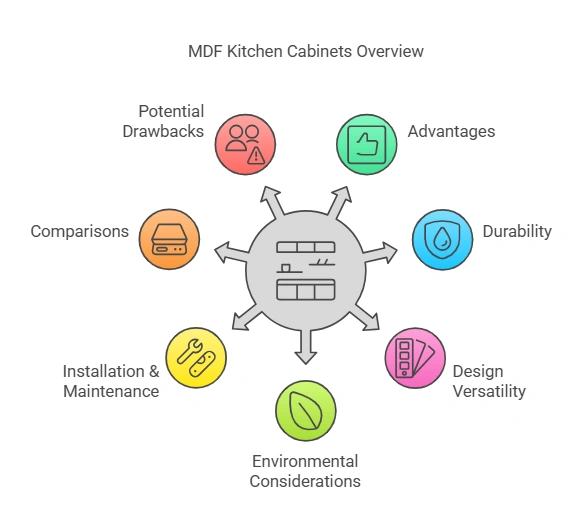
Installation And Maintenance
When considering MDF kitchen cabinets, understanding their installation and maintenance is vital. This section explores the ease of installation, cleaning, and general upkeep of MDF kitchen cabinets.
Ease Of Installation
MDF kitchen cabinets are lightweight. This makes them easier to handle and install. Many homeowners find the installation process straightforward. The material is flexible, allowing for precise cuts and adjustments. Even beginners can achieve professional results with MDF. The cabinets come with pre-drilled holes and instructions. This simplifies the setup process.
Cleaning And Upkeep
Maintaining MDF kitchen cabinets is easy. They have a smooth surface, which resists stains and dirt. To clean, use a damp cloth with mild soap. Avoid abrasive cleaners, as they can damage the finish. Regular dusting helps keep them looking new. Address spills and stains quickly to prevent damage.
With proper care, MDF cabinets can last many years. They are a practical choice for those seeking low-maintenance options.
Comparing MDF To Other Materials
When it comes to choosing the right material for your kitchen cabinets, it’s vital to understand the differences between the options available. Medium-Density Fiberboard (MDF) often stands out due to its affordability and versatility. But how does it compare to other materials like solid wood and plywood? Let’s dive into these comparisons to help you make an informed decision.
MDF Vs. Solid Wood
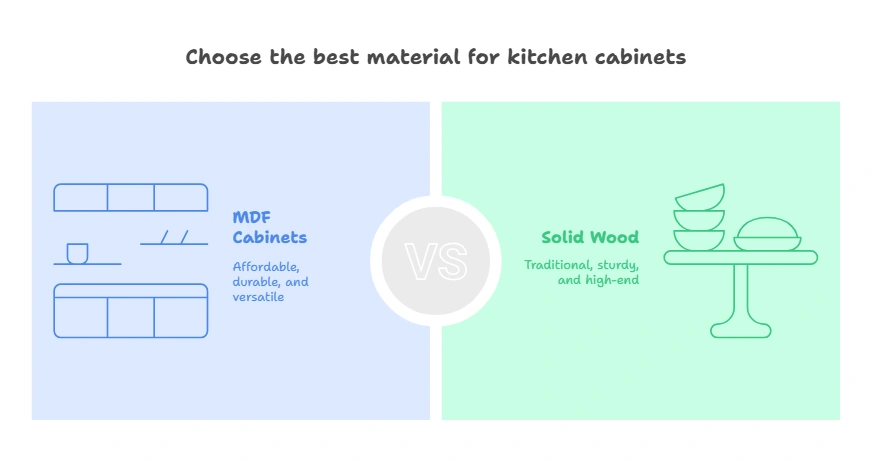
Solid wood cabinets have long been a favorite for their natural beauty and durability. However, MDF has its own set of advantages:
- Cost: MDF is generally more affordable than solid wood, making it a budget-friendly option without compromising on quality.
- Appearance: While solid wood showcases natural grain patterns, MDF provides a smooth and uniform finish, perfect for painted cabinets.
- Durability: MDF is less prone to warping and cracking compared to solid wood, especially in humid environments.
On the flip side, solid wood is often preferred for its strength and traditional aesthetic. However, it requires more maintenance and care to keep it looking pristine.
MDF Vs. Plywood
Plywood, another popular choice for kitchen cabinets, also presents a good comparison with MDF:
| Aspect | MDF | Plywood |
|---|---|---|
| Structure | Made from wood fibers bonded with resin | Layers of wood veneers glued together |
| Strength | Strong but can be heavy | Lightweight and robust |
| Moisture Resistance | Can swell with water exposure | Better moisture resistance |
| Cost | More affordable | Generally higher cost |
Plywood’s layered structure provides superior strength and moisture resistance, making it ideal for kitchen environments. However, MDF’s smooth surface and affordability make it a strong contender, especially when painted finishes are desired.
In conclusion, both MDF and its counterparts—solid wood and plywood—have their own unique strengths. Your choice ultimately depends on your specific needs, budget, and the aesthetic you’re aiming for. Are you looking for a seamless finish, or do you prefer the natural charm of wood? Understanding these differences can guide you toward the perfect kitchen cabinets for your home.
Potential Drawbacks
When considering new kitchen cabinets, MDF (Medium-Density Fiberboard) often comes up as an affordable and versatile option. However, like any material, MDF has its potential drawbacks. Let’s delve into some of these concerns to help you make a more informed decision.
Susceptibility To Water Damage
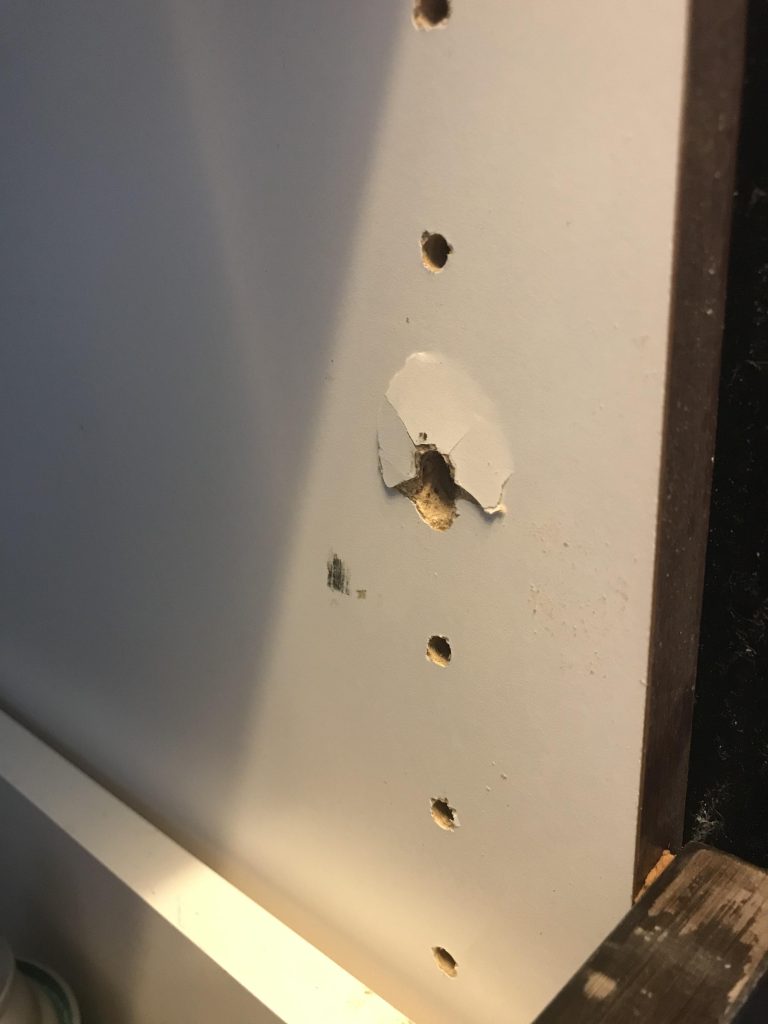
MDF is notorious for its vulnerability to water. Unlike solid wood, which can resist moisture to some extent, MDF tends to absorb water quickly. This can lead to swelling and warping, which might ruin the look and functionality of your kitchen cabinets. Have you ever spilled water and watched it disappear into a sponge? That’s MDF around moisture. If your kitchen is prone to spills or high humidity, this might be a big concern.
Possible Emission Of Vocs
Another issue with MDF is the potential emission of Volatile Organic Compounds (VOCs). These are chemicals that can evaporate into the air and may affect indoor air quality. Formaldehyde, often used in the manufacturing of MDF, is one of the VOCs that might be emitted. While manufacturers have made strides in reducing these emissions, it’s something to consider, especially if you or your family are sensitive to air quality. Think of it like a new car smell – pleasant at first, but potentially harmful in the long run.
In conclusion, while MDF kitchen cabinets offer numerous advantages, understanding these potential drawbacks is crucial. Weighing the pros and cons can help you make the best choice for your home.
Frequently Asked Questions
Is It Ok To Use MDF For Kitchen Cabinets?
Yes, MDF is suitable for kitchen cabinets. It offers smooth finishes, affordability, and durability. Ensure proper sealing to prevent moisture damage.
Is MDF Better Than Wood For Kitchen Cabinets?
MDF offers a smooth finish and is more affordable than wood. Wood is durable and has a natural look. Choose based on budget and style preference.
How Long Will Mdf Kitchen Cabinets Last?
MDF kitchen cabinets can last 10-15 years with proper care. Their lifespan depends on usage, maintenance, and environmental factors.
What Are The Disadvantages Of MDF Kitchens?
MDF kitchens can be less durable than solid wood. They are prone to moisture damage and can swell. They may also chip or crack easily.
Conclusion
MDF kitchen cabinets offer great value for their price. They are durable and stylish. Many homeowners appreciate their smooth finish and versatility. These cabinets can fit various kitchen designs. They also resist warping better than solid wood. Easy to paint or customize, MDF cabinets provide flexibility.
For budget-conscious individuals, they are a smart choice. Always consider your specific needs and preferences. MDF kitchen cabinets can be a practical and attractive option for many. Choose wisely to enhance your kitchen’s look and functionality.