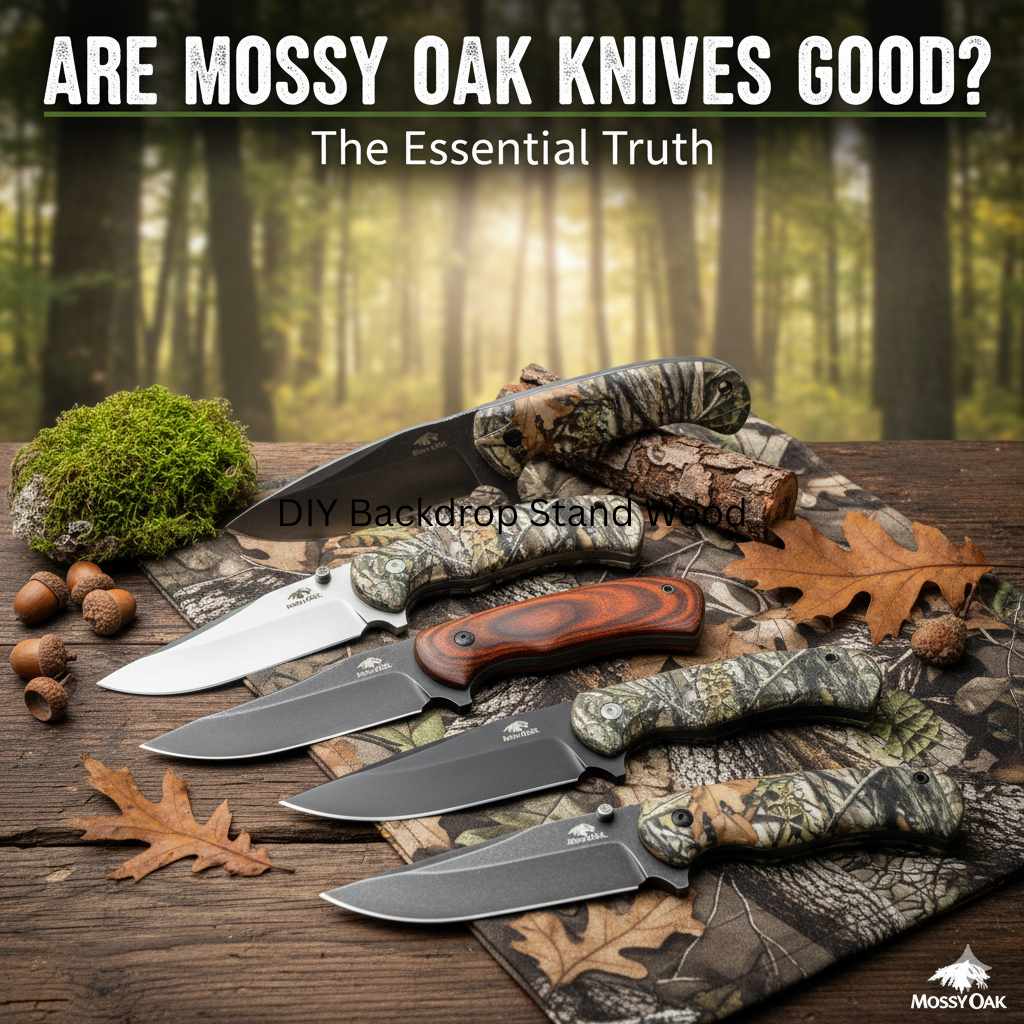
Are Mossy Oak Knives Good: The Essential Truth
Yes, Mossy Oak knives can be a good, reliable choice, especially for beginners and outdoor enthusiasts looking for decent quality at an affordable price. They offer a good balance of functionality and value, suitable for general-purpose tasks, camping, and everyday carry needs.
Choosing the right knife can feel a bit overwhelming, especially when you’re just starting out with outdoor adventures or DIY projects. You want something dependable, something that won’t let you down when you need it most, but you also don’t want to break the bank. This is where brands like Mossy Oak often come into the picture. Many folks wonder, “Are Mossy Oak knives actually any good?” It’s a fair question, and the answer often depends on what you’re looking for in a blade. In this guide, we’ll dive into what makes Mossy Oak knives tick, their strengths, potential weaknesses, and where they really shine. By the end, you’ll have a clear picture to decide if a Mossy Oak knife is the right tool for your needs.
Unpacking the Mossy Oak Brand: More Than Just a Logo?
When you see the Mossy Oak logo, you probably think of camouflage, hunting, and the great outdoors. That’s no accident! Mossy Oak is a well-established brand synonymous with the outdoor lifestyle. While they are most famous for their camouflage patterns, they’ve expanded into a wide array of outdoor gear, including knives. This means their knives are designed with outdoor use in mind, which can be a big plus for campers, hikers, hunters, and even backyard DIYers who enjoy working with their hands.
But what does this mean for the actual knives? It suggests a focus on durability and practicality. The brand likely partners with manufacturers who understand these needs. For beginners, this can be reassuring – you’re not just buying a random knife; you’re buying into a brand that aims to serve the outdoor community. We’ll explore several models and their features to give you a clearer understanding.
What to Expect from Mossy Oak Knives: Materials and Construction
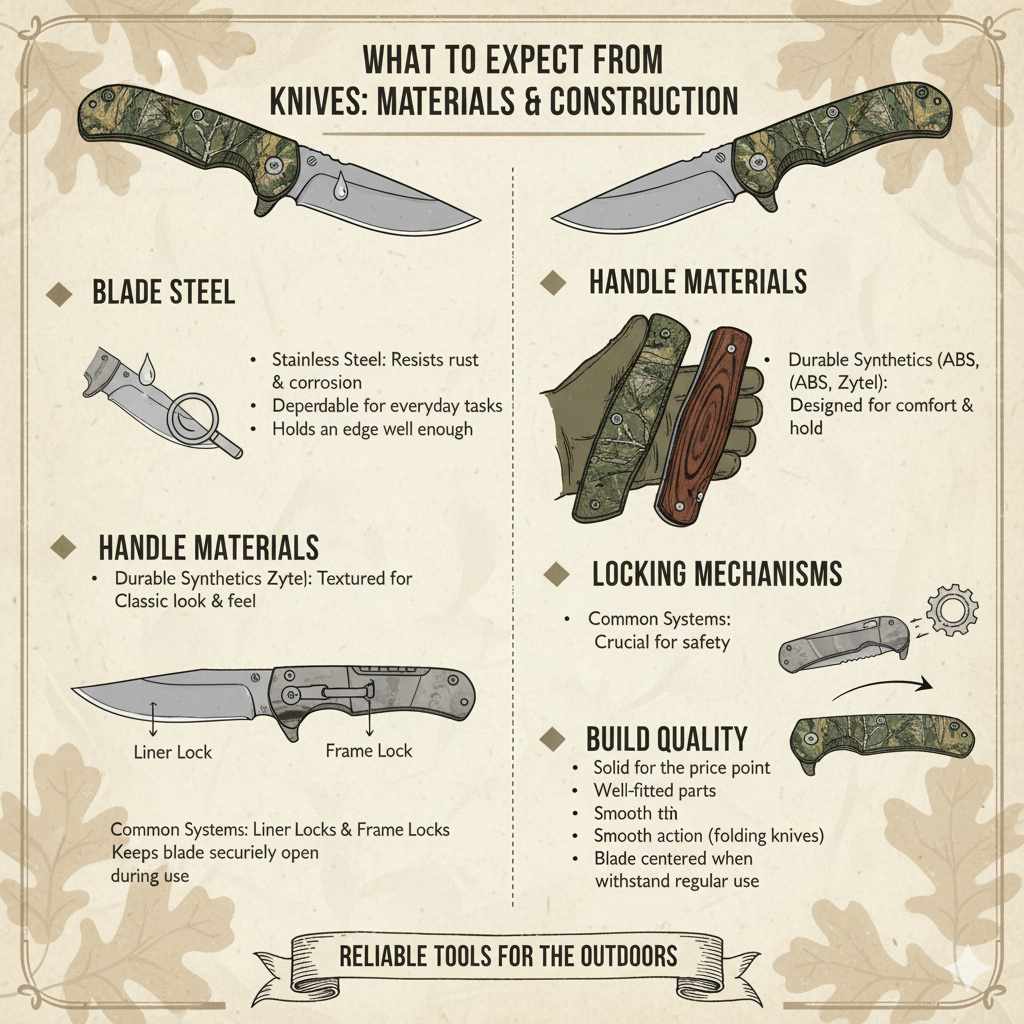
The quality of any knife largely comes down to the materials used and how it’s put together. For Mossy Oak knives, you’ll often find a few common characteristics:
- Blade Steel: Many Mossy Oak knives feature blades made from stainless steel. Stainless steel is popular because it resists rust and corrosion, which is incredibly important if you’re using your knife in damp environments or washing it frequently. While top-tier knives might use exotic steels, stainless steel is a great all-around choice for dependability and ease of maintenance. It generally holds an edge well enough for everyday tasks.
- Handle Materials: Handles can vary widely. You might see them made from durable synthetic materials like ABS or Zytel, which are often textured for a good grip even when wet. Some higher-end Mossy Oak models might incorporate wood or composite materials, offering a more classic look and feel. The key here is that the handles are usually designed for comfort and a secure hold, minimizing the chance of slips.
- Locking Mechanisms (for folding knives): If you’re looking at a folding knife, the locking mechanism is crucial for safety. Mossy Oak folding knives typically use reliable locking systems like liner locks or frame locks. These are designed to keep the blade securely open during use, preventing accidental closing.
- Build Quality: The overall construction is generally solid for the price point. You can expect well-fitted parts, a smooth action on folding knives, and a blade that’s centered when closed. While they might not have the ultra-precise tolerances of knives costing several times more, they are built to be functional and withstand regular use.
Mossy Oak Knife Types and Their Best Uses
Mossy Oak offers a range of knife styles, each suited for different tasks. Understanding these can help you pick the perfect blade:
Fixed Blade Knives
These knives have a blade that is permanently attached to the handle, creating a single, strong unit. They are often considered more robust than folding knives because there are fewer moving parts.
- Trail/Utility Knives: Great for general outdoor tasks like preparing food, cutting cordage, light chopping, or splitting small pieces of wood (batoning). Their sturdy construction makes them reliable workhorses.
- Skinning Knives: Designed specifically for field dressing and skinning game with a curved blade for precision.
Folding Knives (Pocket Knives)
These knives fold into their handles, making them compact and easy to carry in your pocket or on a belt. They are versatile for everyday carry (EDC) and a variety of tasks.
- Everyday Carry (EDC) Knives: Lightweight and pocket-friendly, perfect for opening packages, trimming fishing line, or quick repairs.
- Multi-tools: Some Mossy Oak folding knives incorporate additional tools like screwdrivers, bottle openers, or even small saws, making them highly versatile for camping or around the house.
Specialty Knives
Mossy Oak also produces knives for specific purposes, such as:
- Caping Knives: Smaller, more precise blades for detailed work, often used in taxidermy or intricate carving.
- Gut-Hook Knives: Often found on hunting knives, a gut hook allows for easy opening of an animal’s abdominal cavity without piercing the intestines.
Are Mossy Oak Knives Good for Beginners?
Absolutely! Mossy Oak knives are often an excellent starting point for several reasons:
- Affordability: They won’t empty your wallet. This is ideal for beginners who are still figuring out precisely what features they prioritize in a knife. You can get a functional, reliable tool without a huge investment.
- Durability: Built to handle general outdoor and everyday tasks, they can withstand a good amount of use and abuse that a beginner might put them through as they learn.
- Ease of Maintenance: The use of stainless steel means they are less prone to rust, making them forgiving if you forget to dry them off immediately or if they get a little wet.
- Availability: Mossy Oak knives are widely available in sporting goods stores, department stores, and online, making them easy to find and purchase.
- Variety: With so many styles available, you can find a Mossy Oak knife that suits a specific interest, whether it’s camping, fishing, or just having a handy pocket knife.
For instance, a simple Mossy Oak folding knife with a stainless steel blade and a comfortable, textured handle is a great companion for a first camping trip or for general chores around the house and yard. It’s a tool you can learn to use and maintain with confidence.
Pros and Cons of Mossy Oak Knives
Like any product, Mossy Oak knives have their high points and areas where they might not excel compared to premium brands.
Pros:
- Excellent Value for Money: You get a decent quality knife for a very competitive price, making them highly accessible.
- Good for Beginners: Easy to use, maintain, and won’t cause panic if lost or damaged during initial learning phases.
- Durable Construction: Generally built to be sturdy and reliable for everyday and outdoor tasks.
- Corrosion Resistance: Stainless steel blades are a hallmark, providing good protection against rust.
- Wide Availability: Easy to find in most outdoor and general merchandise stores.
- Variety of Styles: Offers options for different needs and preferences, from simple folders to more specialized blades.
Cons:
- Blade Steel is Often Basic: While stainless steel is good, it’s typically not the high-end, edge-retention-champion steel found on expensive knives. They may require more frequent sharpening.
- Fit and Finish: The precision and refinement might not match that of higher-priced competitors. Minor cosmetic imperfections or less precise tolerances can sometimes be present.
- Not for Extreme Demands: For heavy-duty survival or demanding professional use, they might not hold up as well as knives specifically designed for those rigorous applications.
- Limited Customization/High-End Features: You won’t find features like premium handle materials, complex locking mechanisms, or specialized blade grinds on most models.
Comparing Mossy Oak Knives to Other Brands
It’s helpful to see where Mossy Oak stands in the broader knife market. When you compare them to:
- Budget Brands (e.g., Old Timer, Uncle Henry): Mossy Oak often competes directly in this space, offering similar levels of durability and everyday utility at comparable price points. Some might find Mossy Oak’s designs more modern or appealing depending on personal taste.
- Mid-Tier Brands (e.g., Kershaw, Gerber, Buck): This is where the distinction becomes clearer. Brands like Kershaw and Gerber often offer models with better steel, more refined construction, and a wider range of innovative designs at higher price points. A Buck knife, for example, is renowned for its classic designs and lifetime warranty, often at a higher cost than typical Mossy Oak offerings.
- High-End/Premium Brands (e.g., Benchmade, Spyderco, ZT): There’s a significant leap in materials (super steels like S30V, Elmax), manufacturing precision, ergonomics, and overall performance. These knives are built for enthusiasts and professionals and come with a much steeper price tag. Mossy Oak knives are not aiming for this segment.
Here’s a quick look at how Mossy Oak generally stacks up:
| Feature | Mossy Oak Knives | Mid-Tier Brands (Kershaw, Gerber) | Premium Brands (Benchmade, Spyderco) |
|---|---|---|---|
| Price Range | $15 – $75 | $40 – $150+ | $100 – $400+ |
| Blade Steel | Primarily Stainless Steel (e.g., 440, 8Cr13MoV) | Good Quality Stainless Steels (e.g., Sandvik 14C28N, CPM-154) | High-Performance Steels (e.g., CPM-S30V, M390, K390) |
| Durability | Good for general use, decent toughness | Very Good, solid construction for demanding tasks | Excellent, built for extreme abuse and longevity |
| Edge Retention | Average, needs frequent sharpening | Good to Very Good, holds edge longer | Excellent, holds edge for extended periods |
| Grip/Ergonomics | Generally good; often textured synthetics | Often superior materials and thoughtful design | Among the best, highly refined ergonomics |
| Fit & Finish | Decent, functional | Very good to excellent, precise | Exceptional, near-perfect tolerances |
| Best For | Beginners, casual outdoor, budget-conscious users | Enthusiasts, everyday carry, demanding tasks | Collectors, professionals, critical applications |
As you can see, Mossy Oak occupies a valuable segment of the market by offering accessible tools for those who need a reliable blade without a significant financial commitment. For tasks related to general woodworking or DIY where you might need to cut cardboard, string, or other light materials, a Mossy Oak knife will serve you well.
Maintaining Your Mossy Oak Knife for Longevity
Even with affordable knives, proper care ensures they last and perform their best. A little maintenance goes a long way:
- Cleaning: After each use, especially if exposed to dirt, moisture, or sap, clean your knife. For folding knives, open the blade and use a soft brush or cloth to remove debris from the pivot and crevices. Wash with mild soap and water if necessary, but avoid submerging.
- Drying: This is crucial for stainless steel too, as prolonged moisture can still cause marks or minor corrosion. Dry the blade and handle thoroughly with a soft cloth. For folding knives, open the blade to ensure the inside of the handle and the pivot area dry completely.
- Oiling: A drop of light mineral oil or a specialized knife pivot lubricant applied to the pivot of a folding knife will keep the action smooth. You can also apply a thin coat of oil to the blade, especially if storing for a long time, to provide an extra layer of protection.
- Sharpening: Mossy Oak knives will need sharpening periodically. You can use a simple sharpening stone, a pull-through sharpener, or a sharpening system. For beginners, a pull-through sharpener is often the easiest way to get a usable edge back quickly. Aim for a consistent angle to create a sharp, functional edge. Learning to sharpen properly is a valuable skill for any knife owner; resources like those from the Sharpening Supplies Company can offer great tips.
- Inspecting: Periodically check your knife for any loose screws, damage to the handle, or issues with the locking mechanism. Tighten screws as needed.
By following these simple steps, you can significantly extend the life of your Mossy Oak knife and ensure it remains a reliable tool for years to come.
Are Mossy Oak Knives Good in Specific Scenarios?
Let’s consider how Mossy Oak knives perform across different activities:
For Camping and Hiking
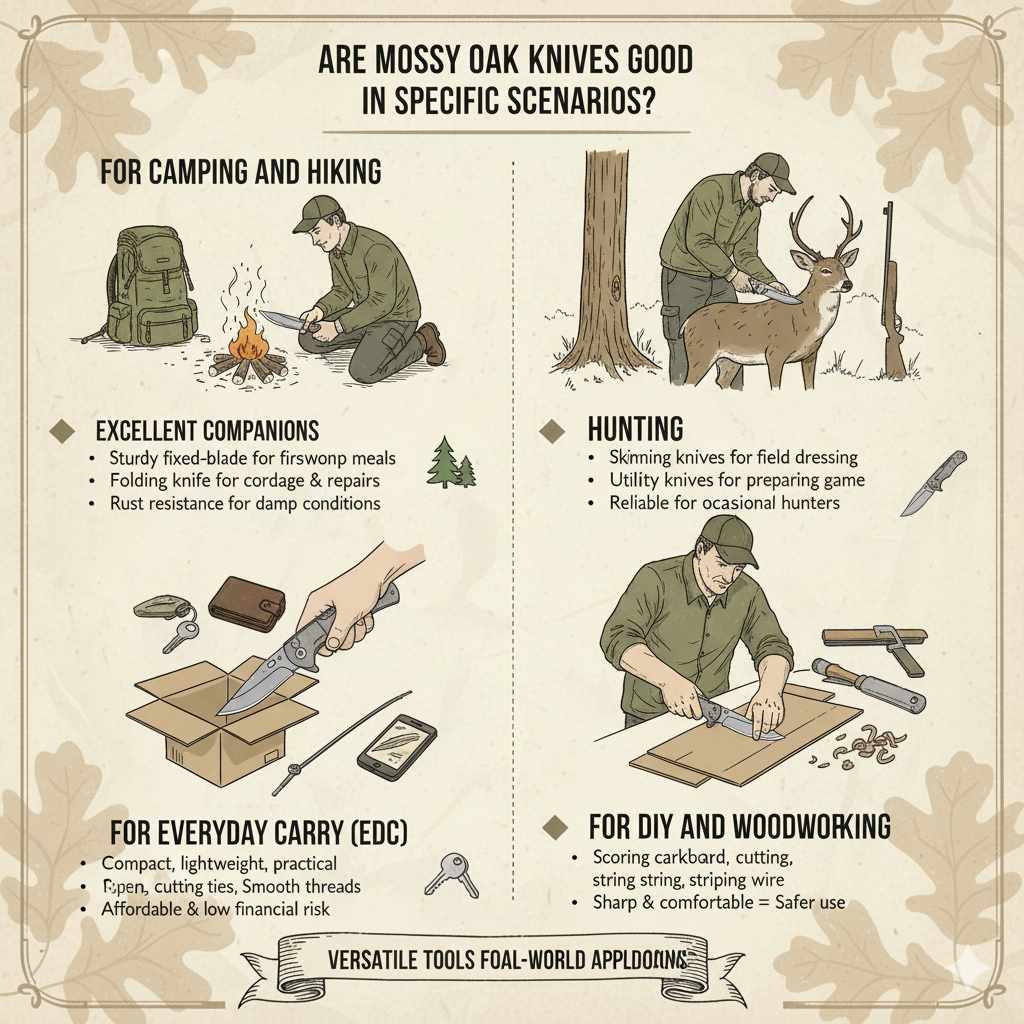
Mossy Oak knives are excellent companions for campers and hikers. A sturdy fixed-blade utility knife is great for processing firewood (small kindling), preparing camp meals, and general campsite chores. A folding knife is perfect for clipping into a pocket for easy access to open food packages, cut cordage, or make minor repairs. Their rust resistance is a big plus in potentially damp wilderness conditions.
For Hunting
While not usually considered high-end hunting knives, many Mossy Oak models are perfectly adequate for the task. Skinning knives with suitable blade shapes can handle field dressing, and utility knives can assist with preparing game. For serious hunters who process a lot of game regularly, they might eventually look into more specialized blades, but for the occasional hunter, a Mossy Oak can do the job reliably.
For Everyday Carry (EDC)
This is where many Mossy Oak folding knives truly shine. They are often designed to be compact, lightweight, and practical. If you need a knife for opening mail, cutting through zip ties, trimming loose threads, or other common daily tasks, a Mossy Oak folding knife offers fantastic value. They are affordable enough that carrying one daily doesn’t add significant financial risk.
For DIY and Woodworking Projects
As a woodworking mentor, I often get asked about knives for projects. For beginner DIYers, a sharp Mossy Oak knife is great for tasks like scoring cardboard for templates, cutting string or twine, stripping wire insulation, or making very light shaving for kindling if you’re working outdoors. For actual woodworking, like carving or making fine cuts in wood, you’ll likely need tools specifically designed for that purpose (like carving knives or chisels). However, for general utility around the workshop or for lighter cutting tasks, a Mossy Oak knife is perfectly capable.
It’s important to remember that for safety and efficiency in woodworking, precision tools are best. However, for many ancillary tasks, a good utility knife is invaluable. The Occupational Safety and Health Administration (OSHA) emphasizes safe tool use, and a knife that is sharp and comfortable to hold, like many Mossy Oak models, contributes to safer operation than a dull or poorly designed one.
Frequently Asked Questions (FAQ) about Mossy Oak Knives
Are Mossy Oak knives made in the USA?
Generally, Mossy Oak knives are manufactured overseas, often in China, where manufacturing costs are lower, which contributes to their affordability. While they carry the Mossy Oak brand, the production is typically outsourced to specialized knife makers.
How well do Mossy Oak knives hold an edge?
Mossy Oak knives typically use basic stainless steel that holds an edge reasonably well for general use. However, they are not made with premium steels known for extreme edge retention. This means they might require more frequent sharpening compared to higher-end knives, but they are usually easy to sharpen back to a functional sharpness.
Are Mossy Oak knives good for survival situations?
For basic survival needs like cutting cordage, preparing tinder, or light food preparation, a sturdy Mossy Oak fixed-blade knife can certainly be useful. However, for extreme, long-term survival where a knife is a critical tool for heavy-duty tasks (like significant wood processing or prying), a more robust, higher-quality survival knife might be a better investment.