Oak Wood Texture Ideas for Interior Design (Grain, Grades & Care)
Oak wood texture works in almost every room because its grain reads warm without looking heavy — but red oak and white oak show that grain differently, and the wrong pick is why some oak rooms feel busy, not calm. White oak now leads 51% of professional cabinet specs for that reason (NKBA, 2026). This guide covers room-by-room oak texture ideas, how to tell red oak from white oak, and how to keep the grain from going flat.
Quick Answer
Oak wood texture works in living rooms, kitchens, bedrooms, and floors because its grain reads warm in almost any style. Red oak has a bolder, open grain in warm pink-red tones; white oak is tighter and more neutral, and now leads most 2026 cabinet specs. Use light oak in small rooms, dark oak in rustic ones, and condition the grain every few months.
What Is Oak Wood Texture? Red Oak vs. White Oak Grain
Best Oak Wood Conditioner Pick
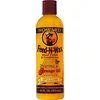
Howard Feed-N-Wax Wood Polish & Conditioner – $11.48
A beeswax-and-oil blend that works into oak’s open pores instead of sitting on the surface — matches the every-3-to-6-months conditioning schedule this guide recommends for keeping oak texture from going patchy.
- Best for: Oak furniture, cabinets, and paneling that have started to look dull or chalky
- Why we picked it: Beeswax fills the open grain rather than just coating the surface, which is what actually protects oak’s texture
- Main drawback: Needs reapplication every few months — it’s maintenance, not a one-time fix
Compare more oak wood conditioner options
 Option 1 Watco Danish Oil Wood Finish, Natural – $15.98
|
 Option 2 Furniture Clinic Teak Oil – $17.95
|
 Option 3 Parker & Bailey Orange Oil Polish – $13.97
|
As an Amazon Associate we earn from qualifying purchases.
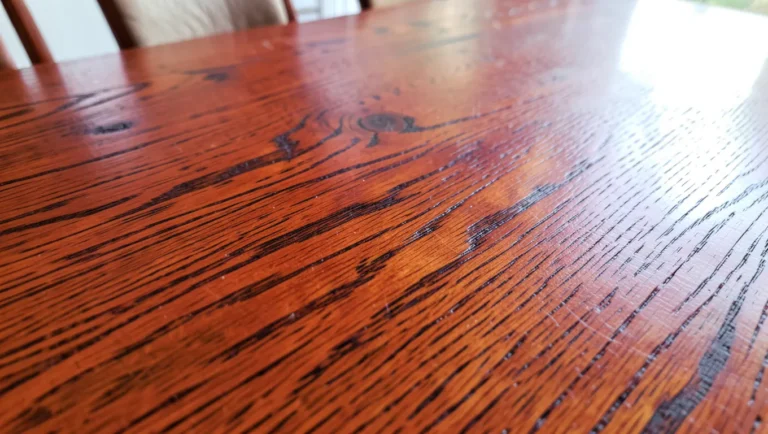
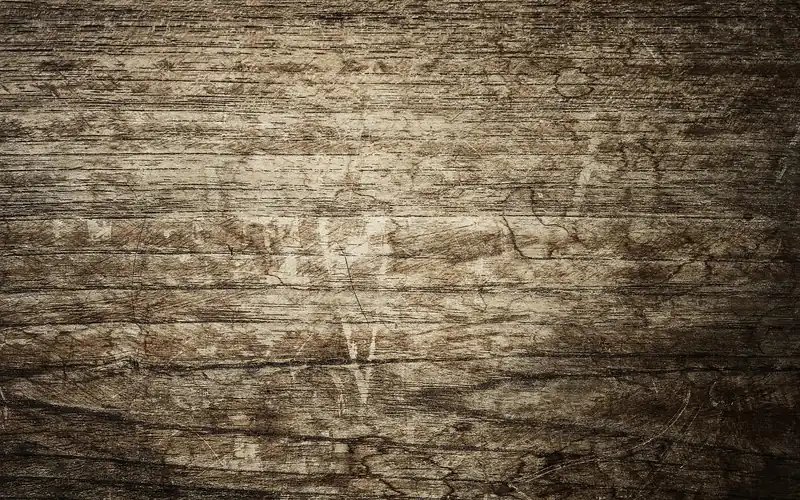
Oak wood texture is the visible and tactile grain pattern created by oak’s open-pore cell structure — the straight lines, flecks, and rays you see on any cut or finished surface. It isn’t a stain color or a finish; it’s the wood’s actual surface structure, which is why the same stain color can look completely different on red oak versus white oak. Nearly every “oak” product sold in the US is one of these two species, and they read as different textures even side by side in the same room.
If you’re weighing oak against another species for a specific piece, our walnut wood texture ideas guide covers the closest warm-toned alternative.
| Trait | Red Oak | White Oak |
|---|---|---|
| Grain pattern | Bold, open grain with visible pores | Tighter, more uniform, closed grain |
| Color | Warm pink-to-reddish brown | Neutral tan to olive-brown |
| Surface feel | Coarser, more pronounced ridges | Smoother, more consistent surface |
| Janka hardness | 1,290 lbf | 1,360 lbf (about 5% harder) |
| Best for | Traditional, rustic, warm-toned rooms | Modern, Scandinavian, minimalist rooms |
Oak flooring and paneling are also sold by grade, not just species — Prime grade selects boards for uniform, straight grain with almost no knots, while Natural and Rustic grades keep the knots, mineral streaks, and grain variation in. Neither grade is stronger; a Rustic-grade white oak floor has the same 1,360 Janka rating as a Prime-grade board cut from the same species. Grade only changes how busy the texture looks, not how it performs. See our full types of wood hub for how oak’s grain compares to hardwoods and softwoods outside the oak family.
📊 White oak now accounts for 51% of professional kitchen cabinet specifications, and wood-cabinet adoption overall rose 6 percentage points year-over-year to 29% — the first time in nearly a decade wood has outpaced white cabinetry. Source: NKBA 2026 Kitchen Trends Report, via Redesign Daily
Caring for Oak Wood Texture (What Actually Protects the Grain)
Oak’s open pores absorb and release moisture faster than tighter-grained woods like maple or cherry, which is why unconditioned oak furniture and paneling can look patchy or dull within a single season instead of holding its finish for years. Condition oak furniture, cabinets, and paneling every 3 to 6 months with a beeswax or oil-based wood conditioner, and reapply sooner during dry winter months when indoor heating pulls moisture out of the grain faster.
“Oak’s open grain is forgiving to work with, but it telegraphs everything you skip. If you don’t fill the grain or condition it evenly, you’ll see blotching within a season — not years down the line.”
A wood conditioner works into the open pores of the grain rather than just sitting on top, which is the difference between oak that looks fed and oak that looks chalky. For an already-finished piece that just looks dull rather than dry, polishing with rottenstone can restore shine without a full re-conditioning. Here’s what we’d reach for when the grain actually needs feeding:
Rustic Living Room Designs
A rustic living room built around oak wood texture leans on real grain instead of a glossy finish. Modern farmhouse and vintage-accent looks both use that texture, just in different ways.
Modern Farmhouse Style
Modern farmhouse blends clean lines with oak’s coarser texture instead of hiding it. A light oak finish keeps the grain visible without darkening the room — a round white oak and marble coffee table is a common way to anchor the look.
- Light oak wood beams on the ceiling
- Oak wood coffee table with a distressed finish
- White walls to keep focus on the oak grain
- Soft, neutral-colored furniture
Keep the rest of the room simple — a few functional pieces let the oak texture do the visual work instead of competing with it. If the room also has carpet, see our guide to pairing carpet with wood flooring so the two textures don’t clash.
Vintage Accents
Vintage oak pieces show more texture than new oak because decades of handling and light exposure open the grain further.
- Antique oak wood furniture, such as armoires or side tables
- Reclaimed oak wood floors for an aged, timeless look
- Vintage oak wood picture frames
- Classic oak wood rocking chair
| Element | Description |
|---|---|
| Antique Furniture | Gives a sense of history and charm |
| Reclaimed Floors | Offers an aged, timeless appearance |
| Vintage Frames | Adds character to walls |
| Rocking Chair | Classic and comfortable seating option |
Mixing vintage oak pieces with modern furniture keeps the room from feeling like a period set — the oak texture is what ties the eras together. A rocking chair is one of the easier ways in; see how a wood rocking chair is bent and built if you want to understand what you’re buying.
Elegant Bedroom Concepts
Oak wood texture works in a bedroom because its warm, matte grain doesn’t compete with soft bedding or low lighting the way a glossy finish can.
Warm Tones
Warm oak tones read as golden rather than red under low bedroom lighting. Pair with neutral bedding, oak flooring, and matching bedside tables and dressers for a seamless look. Woven rugs soften the texture underfoot.
Luxurious Finishes
A polished oak finish reflects more light than a matte one, which brightens a bedroom without adding fixtures. A statement oak headboard, one paneled accent wall, and oak lamp bases add depth without cluttering the room.
Charming Kitchen Interiors
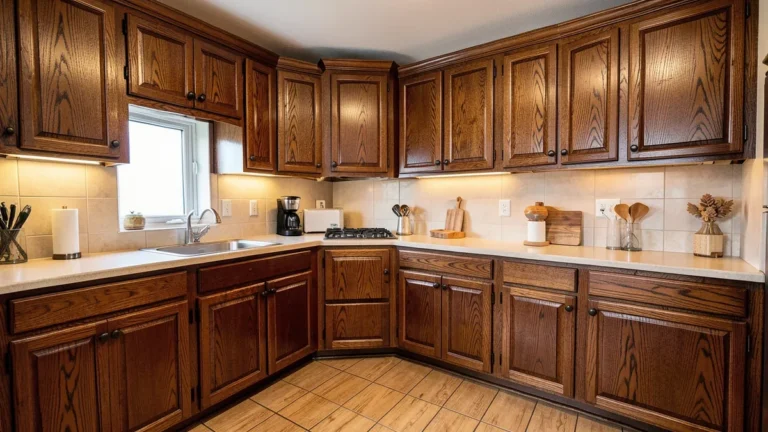
Kitchen cabinets are where oak wood texture gets the most daily wear, which is also why the NKBA data above puts kitchens at the center of the 2026 oak shift.
Natural Cabinets
Oak cabinet grain is unique to each board, which is part of why oak cabinets don’t look mass-produced the way painted MDF fronts can.
| Type of Oak | Benefits |
|---|---|
| Light Oak | Makes the kitchen appear spacious and airy |
| Dark Oak | Gives a rich, elegant look |
| Weathered Oak | Creates a warm, rustic atmosphere |
Wooden Countertops
Oak countertops need sealing more often than cabinets because they take direct contact with water and food. Seal the wood to protect against spills and stains, maintain it regularly, and mix it with stainless steel, ceramic, or glass elements to add contrast to the grain. If solid oak cabinets are outside the budget, our budget-friendly plywood kitchen designs guide shows how to get a similar look for less.
Stylish Bathroom Ideas
Oak wood texture needs the most protection in a bathroom, since humidity swings faster there than anywhere else in the house — seal and condition oak bathroom pieces more often than the every-3-to-6-months schedule used elsewhere.
Classic Vanities
Oak vanities work in traditional, modern minimalist, or rustic styles depending on the cut and finish. Pair with a marble countertop or inlay and brass fixtures for a vintage-leaning look, or keep both simple for a more modern one.
Wooden Shelving
Oak shelving adds storage and texture at once. Floating shelves keep the room feeling open, corner units make use of tight spaces, and recessed shelves sit flush for a built-in look. All three hold up well above a bathtub or near a sink as long as they’re sealed.
Office Space Inspirations
Oak wood texture in a home office reads as professional without feeling corporate, because the grain adds warmth that painted furniture doesn’t.
Sophisticated Desks
A solid oak desk shows more texture than a veneer one because the grain runs through the full thickness of the wood, not just the top layer. Pair with leather or brass accents for contrast.
Paneling
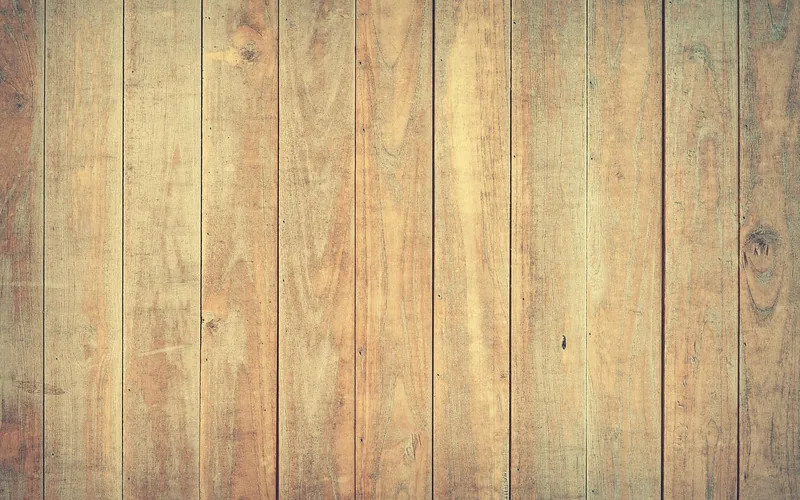
Oak wall paneling adds texture to an office without taking up floor space. Vertical slat paneling is the dominant 2026 application — it reads as more current than flat panel sheets and shows the grain running top to bottom.
Unique Flooring Options
Flooring is the single highest-impact place to use oak wood texture, since it covers the most visible surface area in a room.
Herringbone Patterns
Herringbone lays individual oak boards at an angle so the grain direction changes with each piece, adding visual movement a straight-laid floor doesn’t have.
Wide Plank Floors
Wide oak planks show off more of each board’s individual grain pattern because there are fewer seams breaking it up. They read best in open-plan spaces where the floor is a focal point rather than a background — see our full wide plank flooring guide for sizing and layout.
Ceiling Treatments
Beams And Trusses
Exposed oak beams put the grain overhead instead of underfoot, which works especially well in rooms with high ceilings where a flat painted ceiling would otherwise feel empty.
Paneled Ceilings
Shiplap and paneled oak ceilings add texture without the structural commitment of real beams.
| Type | Description | Benefits |
|---|---|---|
| Exposed Beams | Visible oak wood beams on the ceiling | Rustic charm, natural texture overhead |
| Decorative Trusses | Architectural wooden structures | Visual interest, architectural detail |
| Shiplap Panels | Horizontally laid wooden panels | Clean look, easier install than beams |
Decorative Accents
Picture Frames
Oak picture frames pick up the same grain as larger pieces in the room at a smaller, low-cost scale — an easy way to echo the texture without a big purchase.
Wooden Sculptures
Carved oak sculptures show texture in three dimensions rather than on a flat surface, since carving cuts across the grain instead of following it.
Frequently Asked Questions
What is oak wood texture, exactly?
Oak wood texture is the visible and tactile grain pattern created by oak’s open-pore cell structure — the straight lines, flecks, and rays on a cut or finished surface. It isn’t a stain color; it’s the wood’s actual surface structure, which is why the same stain looks different on red oak than on white oak.
What’s the difference between red oak and white oak texture?
Red oak has a bolder, more open grain with visible pores and warmer pink-to-red undertones. White oak has a tighter, more uniform grain, a neutral tan-to-olive color, and a Janka hardness of 1,360 versus red oak’s 1,290 — about 5% harder. White oak’s tighter grain is why it reads as calmer and more modern.
Is oak wood texture still on trend for 2026?
Yes, more than before. White oak alone now appears in 51% of professional cabinet specifications, and wood cabinets overall grew 6 percentage points year-over-year to 29% adoption — the first time in nearly a decade wood has outpaced white cabinetry, according to the NKBA 2026 Kitchen Trends Report.
How often should you condition oak wood texture so it doesn’t dull?
Condition oak furniture, cabinets, and paneling every 3 to 6 months with a beeswax or oil-based wood conditioner, and reapply sooner during dry winter months. Oak’s open pores absorb and release moisture faster than tighter-grained woods, so unconditioned oak dulls and can show hairline cracking at the grain lines sooner than other hardwoods.
Does oak wood grain show scratches more than other woods?
Red oak shows scratches more than white oak because its open pores catch light differently along a scratch line, making marks more visible even at the same depth. White oak’s tighter grain and slightly higher hardness hide light surface scratches better, which is one reason it’s become the default for high-traffic floors.
Conclusion
Oak wood texture isn’t one look — red oak’s bold, open grain suits rustic and traditional rooms, while white oak’s tighter, calmer grain fits the modern and Scandinavian spaces now driving most 2026 cabinet and flooring specs. Pick the species that matches your room’s style first, then protect the grain with regular conditioning so the texture that sold you on oak in the first place doesn’t dull within a year.
Sponsored / affiliate links. As an Amazon Associate I earn from qualifying purchases. I may earn additional commission from eligible campaigns.
 Dark Oak Wood Stain, 8.5oz/250ml Water Based Wood Stain, Premium Indoor & Outdoor Wood Finish for Furniture, Cabinets, Doors & Wood Surfaces - Fast Drying, Low Odor, Non-Toxic & Easy to Use
 Golden Oak Wood Stain, 8.5oz/250ml Water Based Wood Stain, Premium Indoor & Outdoor Wood Finish for Furniture, Cabinets, Doors & Wood Surfaces - Fast Drying, Low Odor, Non-Toxic & Easy to Use