Are Oak Leaves Edible: Genius Survival Food
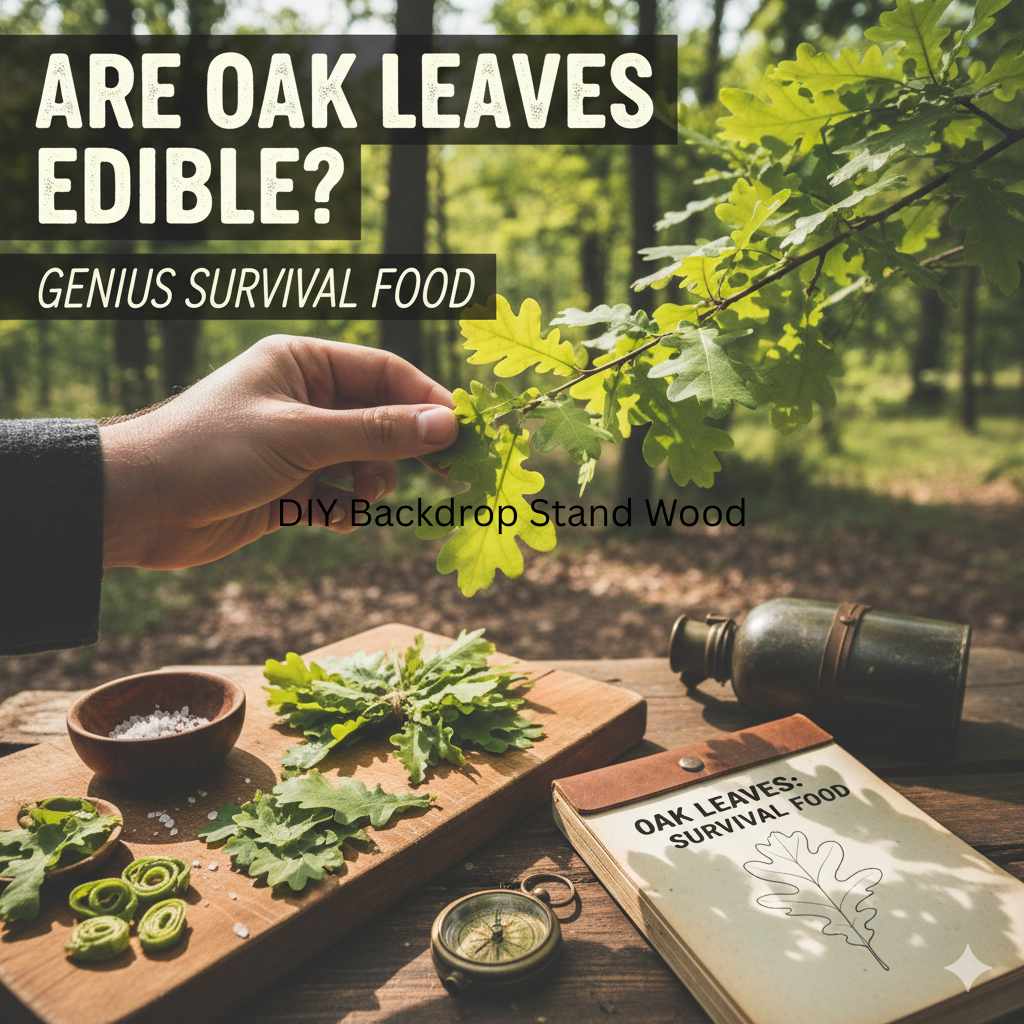
Yes, under certain conditions and with proper preparation, oak leaves can be edible and serve as a survival food. The key is neutralizing their high tannin content through leaching or boiling, making them less bitter and easier to digest.
Hey there, fellow DIYers and nature explorers! Md Meraj here. Ever found yourself out in the wild, maybe a little further from home than planned, and wondered about the edible treasures around you? We often think about berries or roots, but what about those common oak leaves carpeting the forest floor? It’s a question that pops up: can we actually eat oak leaves? If you’ve ever wondered if these leafy greens are a viable food source in a pinch, you’re in the right place. It might seem a bit unusual, but with the right knowledge, those familiar oak leaves could become a surprising part of your survival toolkit. Let’s dive in and explore how to make oak leaves a surprisingly useful food option.
Understanding Oak Leaves: More Than Just Shade
Oak trees are some of the most recognizable and widespread trees in many parts of the world. Known for their sturdy wood, which makes for fantastic furniture and building projects, their leaves are often overlooked as a potential food source. However, for centuries, indigenous peoples and resourceful individuals have utilized various parts of the oak tree, including its leaves, in times of scarcity. It’s important to know that not all oak leaves are created equal, nor are they a delicacy. They are a survival food, meaning they are eaten out of necessity, not for flavor alone, though preparation can improve palatability significantly.
The Tannin Challenge: Why Oak Leaves Aren’t Eaten Raw
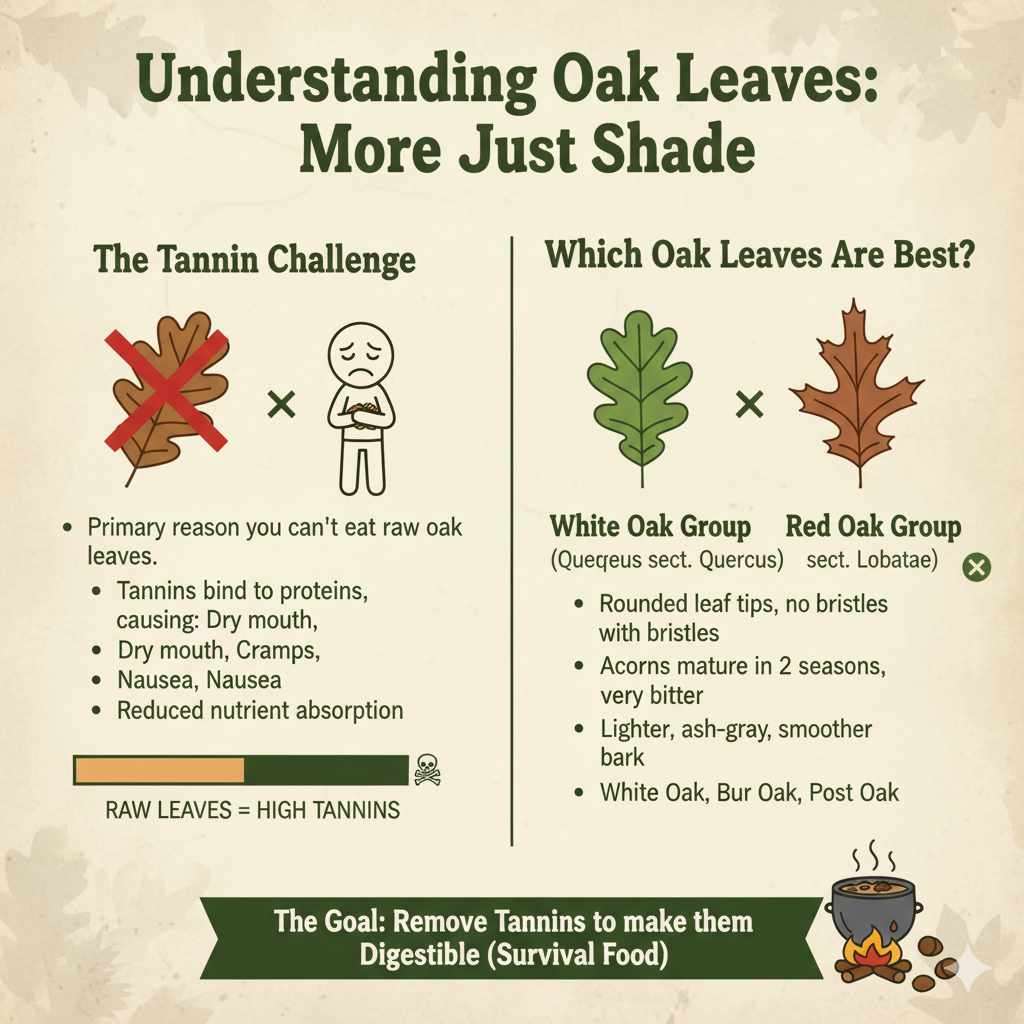
The primary reason you can’t just munch on a fresh oak leaf is its high concentration of tannins. Tannins are naturally occurring compounds found in many plants. They help protect the plant from insects and diseases. For humans, however, tannins bind to proteins and other molecules in the digestive tract, which can lead to several uncomfortable issues. These include a dry, puckering sensation in the mouth, stomach cramps, nausea, and even vomiting. In larger quantities, tannins can also interfere with nutrient absorption, which is the last thing you want when you’re relying on a food source for survival.
Think of it like a powerful astringent. It’s this astringency that makes raw oak leaves deeply unpalatable and potentially harmful if consumed in significant amounts without treatment. The goal of processing oak leaves for consumption is to reduce and remove these tannins so they become digestible and far less bitter.
Which Oak Leaves Are Best? Identifying Edible Species
While many oak species have tannins, some are more suitable for consumption than others due to varying tannin levels and other compounds. The most commonly cited edible species, particularly in North America, are those belonging to the white oak group (species within the section Quercus). These include trees like the common White Oak (Quercus alba), Bur Oak (Quercus macrocarpa), and Post Oak (Quercus stellata).
Oak leaves from the red oak group (species within the section Lobatae) generally have higher tannin levels and a more bitter taste, making them less desirable for consumption, even after processing. It’s always best to positively identify the oak species you are considering. If you’re unsure, it’s safest to err on the side of caution.
What to Look For:
- Leaf Shape: White oaks typically have lobed leaves with rounded tips, often without bristle tips. Red oaks tend to have leaves with pointed lobes that have bristle-like tips.
- Acorns: White oak acorns mature in one season and are less bitter (even the raw kernels are somewhat edible after leaching). Red oak acorns take two seasons to mature and are typically very bitter raw.
- Bark: White oaks often have lighter, ash-gray, and smoother bark compared to the darker, rougher bark of red oaks.
Step-by-Step: Preparing Oak Leaves for Consumption (The Leaching Process)
The most crucial step in making oak leaves edible is the process of leaching out those bitter tannins. This involves soaking the leaves in water, allowing the tannins to dissolve. There are a couple of common methods to achieve this, each with its own benefits.
Method 1: The Cold Water Soak
This is a simple and effective method that requires patience. It’s ideal because it uses minimal resources. You’ll need fresh oak leaves, a container, and a water source.
- Gather Your Leaves: Select young, tender oak leaves. The freshest, greenest leaves harvested in spring or early summer are generally less tough and may have slightly lower tannin levels than older, fall leaves. Avoid any leaves that appear diseased or have been sprayed with chemicals.
- Rinse Thoroughly: Wash the leaves with clean water to remove any dirt, insects, or debris.
- Chop the Leaves: Finely chop the leaves. This increases the surface area, allowing water to penetrate and leach out tannins more effectively.
- Submerge in Water: Place the chopped leaves into a container and cover them completely with fresh water.
- Change Water Regularly: This is the critical part. You need to change the soaking water frequently. A good rule of thumb is to change the water at least twice a day (morning and evening) for a period of 5 to 7 days. The water will likely turn a brownish color as the tannins are released. Continue changing the water until it runs clear and the bitterness is significantly reduced.
- Taste Test (Carefully): After several days, you can carefully taste a tiny piece of a leaf. If it’s still very bitter or causes your mouth to pucker strongly, continue soaking and changing the water.
- Drain and Use: Once the tannins have been leached out to an acceptable level, drain the leaves thoroughly. They are now ready to be cooked.
Method 2: The Boiling Method
Boiling can speed up the tannin removal process compared to cold soaking, but it also requires more fuel and can potentially leach out some water-soluble nutrients. It’s a good option if you need a quicker solution or have plenty of fuel.
- Gather and Prepare: Follow steps 1-3 from the cold water soak: select young, tender leaves, rinse well, and chop them finely.
- Initial Boil: Place the chopped leaves in a pot and cover with water. Bring to a rolling boil and let them boil for about 15-30 minutes.
- Drain and Rinse: Drain the water. You will notice it is dark and may smell strongly of tannins. Rinse the leaves under cold water.
- Repeat Boiling: Return the leaves to the pot, cover with fresh water, and bring to another boil. Repeat this boil-and-drain process 3-5 times, or until the water no longer turns dark brown and the bitterness is substantially reduced.
- Taste Test: Similar to the cold soak method, taste a small piece to ensure the bitterness is manageable.
- Drain and Cook: Drain the leaves completely. They can now be cooked.
Cooking and Consuming Leached Oak Leaves
Once the tannins have been leached out, oak leaves are safe to cook. They won’t taste like gourmet greens, but they will be edible and provide valuable carbohydrates and some nutrients. They are often described as having a somewhat starchy or hay-like flavor, and their texture can be a bit fibrous.
Preparation Tips:
- Use Them Like Spinach: Leached oak leaves can be boiled, steamed, or sautéed. They are often used as a filler ingredient or mixed with other more palatable foods.
- Add Flavor: Since their natural flavor is bland, consider adding herbs, spices, or fats to make them more enjoyable.
- Combine with Other Foods: Mix leached oak leaves with grains, other vegetables, or small amounts of fat or protein to create a more balanced and appealing meal.
- Make into a Paste or Flour: After boiling and drying, very well-leached leaves can sometimes be ground into a coarse flour or made into a paste. This was a common practice historically, especially in making a type of bread or gruel.
Nutritional Considerations
Oak leaves are not nutritionally dense compared to other food sources, but in a survival situation, any calories and nutrients are beneficial. They contain carbohydrates, some fiber, and trace amounts of vitamins and minerals. The primary benefit is their availability and the calories they can provide. Research from institutions like the U.S. Forest Service can help in identifying different oak species and their characteristics, which indirectly aids in assessing potential resources.
Acorns: The More Common Oak Survival Food
While this article focuses on oak leaves, it’s worth mentioning that acorns from oak trees are a much more widely recognized and historically significant survival food than the leaves. Acorns also contain tannins, and thus require a similar leaching process. However, they are more calorie-dense than leaves and have been a staple food for many cultures for thousands of years. The process for leaching acorns is similar, often involving grinding them into meal and then soaking or boiling.
If you find yourself in a situation where oak trees are abundant, understanding how to process both acorns and leaves can significantly increase your chances of finding sustenance.
Safety First: What You Need to Know
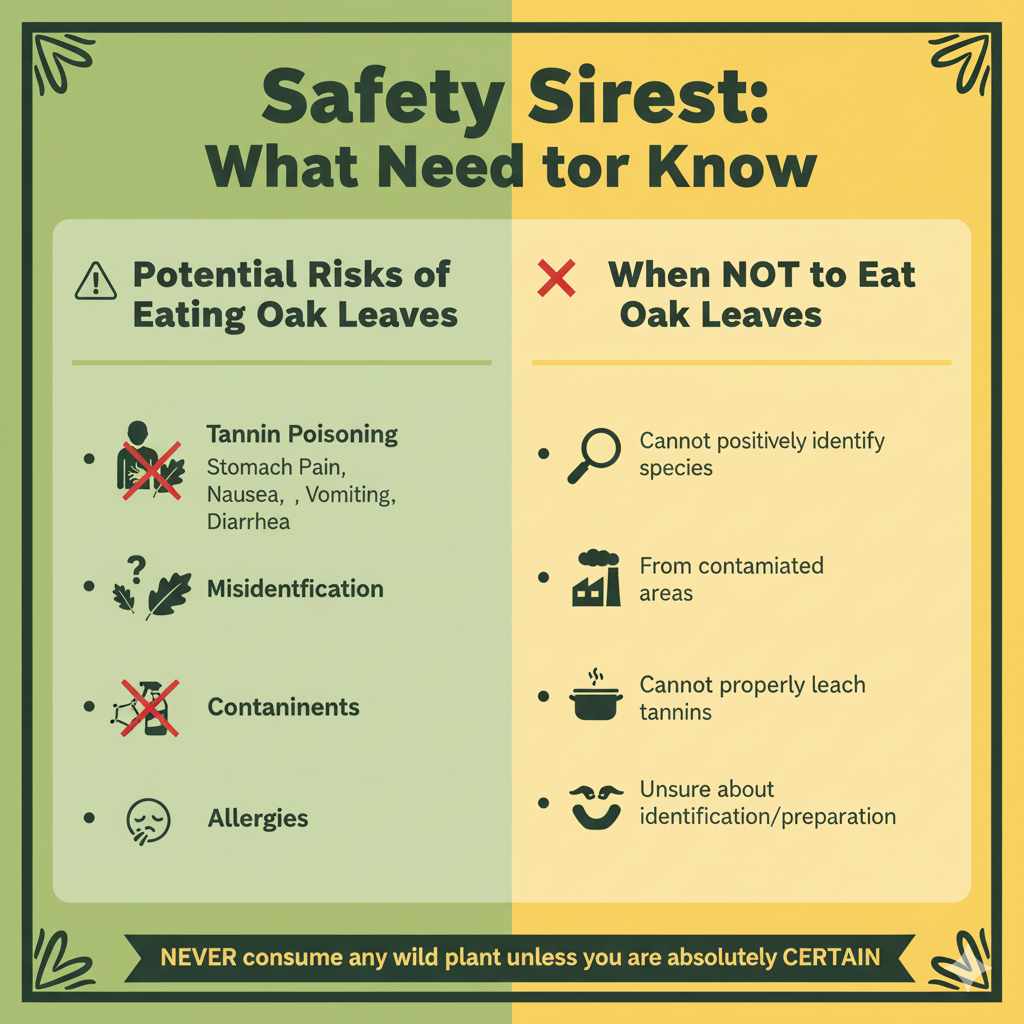
As with any wild food, safety is paramount. Never consume any wild plant unless you are absolutely certain of its identification and how to prepare it safely.
Potential Risks of Eating Oak Leaves:
- Tannin Poisoning: Consuming untreated or insufficiently leached oak leaves can lead to gastrointestinal distress, including stomach pain, nausea, vomiting, and diarrhea.
- Misidentification: Eating leaves from a non-edible or toxic tree that resembles an oak could be dangerous.
- Contaminants: Leaves found in polluted areas or treated with pesticides are unsafe to eat.
- Allergies: Although rare, some individuals might have allergic reactions to oak leaves.
When NOT to Eat Oak Leaves:
- If you cannot positively identify the oak species as one commonly known to be edible after processing.
- If the leaves are from an area likely contaminated with chemicals or pollutants.
- If you cannot properly leach out the tannins to an acceptable level.
- If you are unsure about any aspect of the identification or preparation.
A Comparison Table: Oak Leaves vs. Other Wild Edibles
To put oak leaves into perspective, let’s compare them to some other common wild edible plants. This table highlights key differences in availability, preparation difficulty, and nutritional value.
| Food Source | Availability | Preparation Difficulty | Primary Nutrient Contribution | Taste/Palatability (after prep) |
|---|---|---|---|---|
| Oak Leaves (processed) | High (widespread) | Moderate (requires leaching) | Carbohydrates, Fiber | Bland, somewhat fibrous, earthy |
| Acorns (processed) | High (widespread) | Moderate-High (requires leaching/grinding) | Carbohydrates, Fats | Starchy, nutty, palatable if leached well |
| Dandelions (leaves & roots) | High (common weed) | Low (leaves can be eaten raw or cooked, roots cooked) | Vitamins A, C, K, minerals | Slightly bitter raw, mild cooked |
| Wild Berries (e.g., Blackberries) | Moderate-High (seasonal) | Low (usually eaten raw) | Vitamins, Antioxidants, Sugars | Sweet/Tart, desirable |
| Cattail (roots, shoots) | Moderate (near water) | Low-Moderate (root starch accessible, shoots eaten raw/cooked) | Carbohydrates, some protein | Mild, starchy, slightly sweet |
As you can see, oak leaves and acorns are abundant but require significant processing. Other wild edibles, like dandelions or cattails, might be easier to prepare for immediate consumption or offer a more palatable flavor profile. This is why understanding a variety of wild edibles is crucial for any survival scenario.
Frequently Asked Questions About Eating Oak Leaves
Q1: How long does it take to leach tannins from oak leaves?
A: It can take anywhere from 5 to 7 days of regular water changes using the cold soak method. Boiling multiple times can speed this up, but the total time depends significantly on the specific oak species and how finely the leaves are chopped.
Q2: Can I eat acorns from any oak tree?
A: While acorns from most oak trees are technically edible after proper leaching, white oak acorns are generally less bitter and easier to process. Red oak acorns are very bitter and require more extensive leaching. Always be sure of your identification.
Q3: Are young oak leaves better than old ones?
A: Yes, young, tender oak leaves harvested in spring or early summer are generally preferred. They are less tough, easier to chew, and may have slightly lower tannin concentrations than older, tougher leaves from later in the season.
Q4: What happens if I eat too many unprocessed oak leaves?
A: You can experience significant gastrointestinal distress, including stomach cramps, nausea, vomiting, and diarrhea due to the high tannin content, which can interfere with nutrient absorption.
Q5: Do oak leaves have any nutritional value?
A: Yes, after processing, oak leaves provide carbohydrates and fiber. They also contain some trace vitamins and minerals, but they are not a highly nutritious food source. Their main value is in providing calories during survival situations.
Q6: What does leaching actually do to the oak leaves?
A: Leaching is the process of soaking the leaves in water to dissolve and remove the bitter, astringent compounds called tannins. This makes the leaves digestible and improves their palatability.
Q7: Are there any oak leaf recipes I can try?
A: Once leached, oak leaves can be boiled until tender and mixed with other ingredients. They can be added to soups or stews as a filler, sautéed with fats and herbs, or even dried and ground into a coarse flour to be mixed with other flours for bread or biscuits. Historically, they were often used in gruels or as a seasoning due to their earthy flavor.
Conclusion: A Resourceful Ingredient in a Pinch
So, to answer the initial question: “Are oak leaves edible?” Yes, they can be, but they require significant preparation. They are not a delicious treat to be foraged casually, but rather a testament to the resourcefulness of humans and the often-hidden potential of nature. Understanding how to prepare oak leaves by leaching out their tannins is a valuable piece of survival knowledge. It reminds us that even the most common elements in our environment might hold sustenance if we have the wisdom and patience to unlock it.
By positively identifying the oak species, carefully leaching out the tannins through methods like cold soaking or boiling, and then cooking them, you can transform these ubiquitous leaves into an edible, albeit humble, food source. It’s a skill that speaks to a deep connection with the natural world and a preparedness that can make a crucial difference when resources are scarce. Remember always to prioritize safety, accurate identification, and proper preparation. Happy (and safe) foraging!