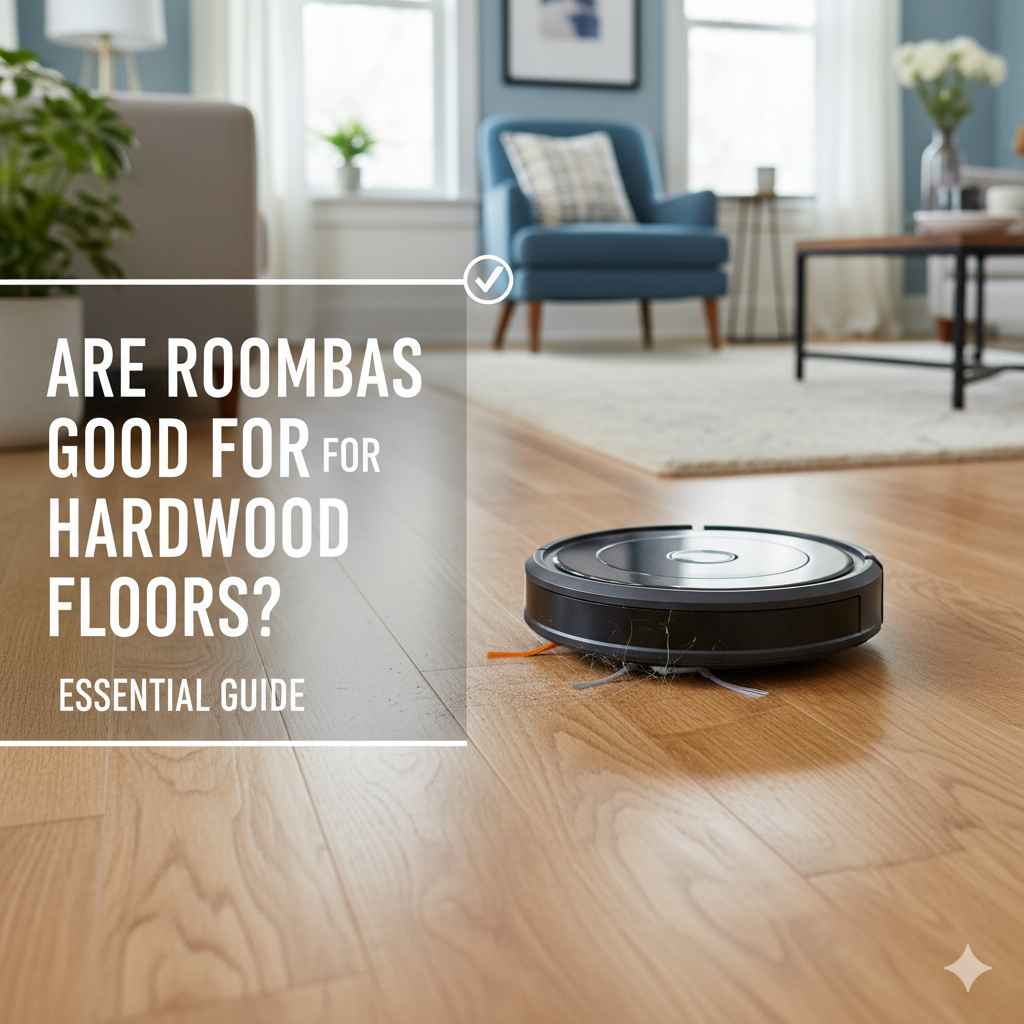
Are Roombas Good For Hardwood Floors: Essential Guide
Yes, Roombas are generally excellent for hardwood floors, effectively picking up dust, debris, and pet hair without scratching or damaging the wood’s finish. Their gentle brushes and suction power make them a convenient and efficient cleaning solution for this type of flooring.
Keeping your hardwood floors looking their best can feel like a constant chore, especially when daily dust, crumbs, and pet hair seem to appear out of nowhere. You might be wondering if a robot vacuum, like a Roomba, is the right tool to tackle this, or if it might actually be too rough for your beautiful wood floors. Don’t worry, you’re not alone in asking this question! Many homeowners are curious if these smart gadgets are truly a friend to their wooden surfaces.
In this guide, we’ll dive deep into whether Roombas are good for hardwood floors, breaking down what you need to know. We’ll look at how they work, what makes certain models better than others, and how to get the most out of yours to keep your floors gleaming. Get ready to discover how a Roomba can become your new favorite cleaning buddy for your precious hardwood!
Are Roombas Good For Hardwood Floors: The Short Answer
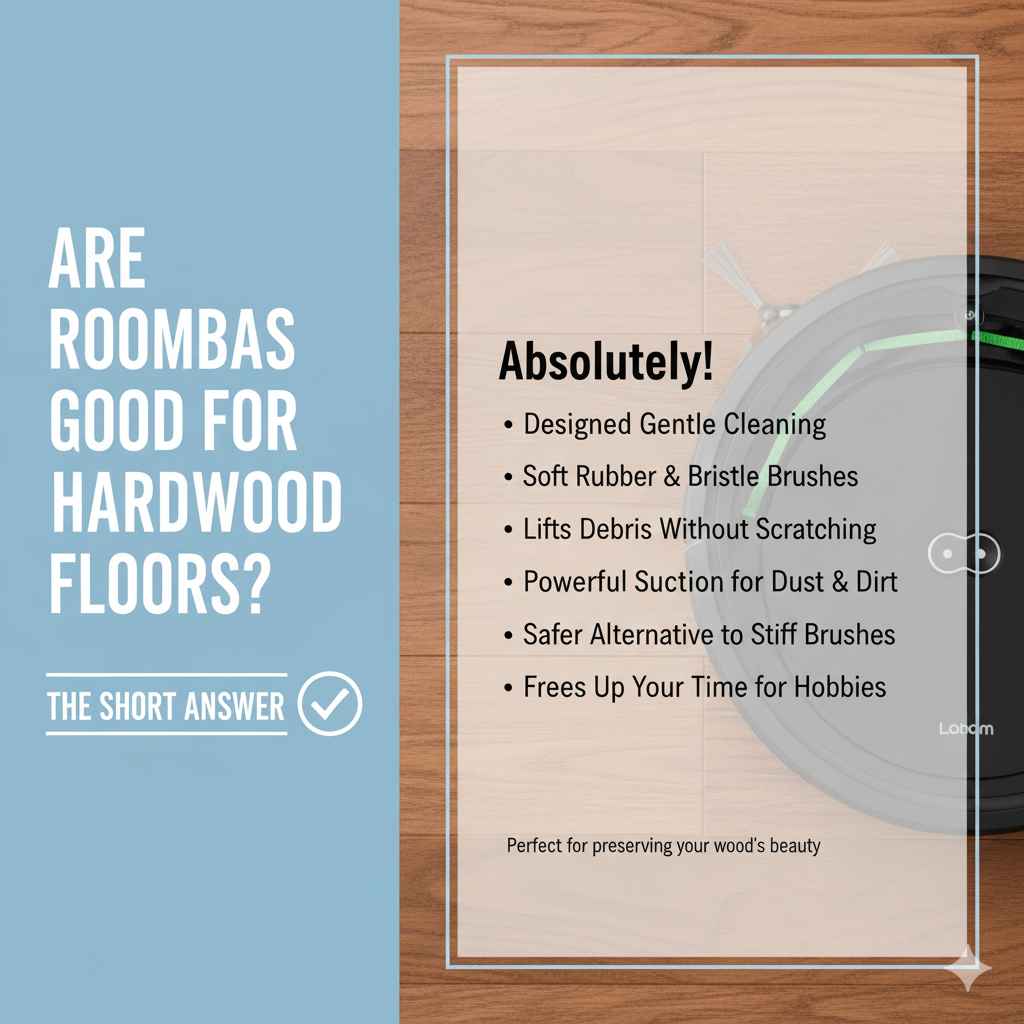
As a woodworking enthusiast, I’ve learned to appreciate the nuances of caring for different materials. When it comes to hardwood floors, durability and maintaining that beautiful finish are key. So, are Roombas good for hardwood floors? Absolutely! Modern Roombas are designed with gentle cleaning in mind, making them a perfect companion for your wood flooring.
Their spinning brushes, often made of soft rubber or a combination of rubber and bristles, are engineered to agitate and lift debris from the floor’s surface without scratching. The suction power then does the heavy lifting, pulling dirt, dust, and small particles into the dustbin. This combination of gentle agitation and effective suction is precisely what hardwood floors need.
Unlike older vacuum models with stiff, abrasive brushes that could potentially dull or scratch your floor’s finish over time, Roombas offer a much safer and more effective alternative. They are designed to be programmed and let loose, freeing up your time and ensuring consistent cleaning, which is vital for preserving the longevity and appearance of your hardwood.
Understanding How Roombas Clean Hardwood Floors
Roombas employ a systematic approach to cleaning that is surprisingly effective on hardwood. It’s not just about random bumping around; these robots have evolved significantly in their navigation and cleaning technology. Think of it like a well-planned sweep, but with a lot more brains.
At the core of their cleaning mechanism are the brushes. Most Roomba models feature a combination of a side brush and main cleaning brushes. The side brush is usually a single or dual spinning brush that sweeps debris from edges and corners towards the main cleaning path. This is crucial for hardwood, as it ensures that dust bunnies and particles lurking along baseboards aren’t missed.
The main cleaning brushes are typically located underneath the robot. Newer models often use dual-action, multi-surface rubber brushes. These are fantastic for hardwood because they don’t have bristles that can scratch. Instead, they use rubber or silicone fins that agitate the floor and lift debris. This design is also better at picking up both fine dust and larger particles, without scattering them.
The suction power is the final piece of the puzzle. Roombas are equipped with powerful vacuums that draw the loosened debris directly into their dustbins. The efficiency of this suction is important for hardwood, as it means less dust is left behind to be pushed around or settle into the wood grain.
Beyond the physical cleaning, many Roombas use smart navigation technology. They create maps of your home, plan efficient cleaning routes, and can avoid obstacles. This methodical approach ensures that your entire hardwood floor area is covered thoroughly and repeatedly, which is far more effective than manual sweeping or vacuuming alone.
Key Features That Make Roombas Great for Hardwood
When looking for a Roomba to keep your hardwood floors pristine, certain features stand out. These aren’t just fancy add-ons; they are functional elements that directly contribute to a safe and effective clean for your wood.
- Soft/Rubber Brushes: As mentioned, this is paramount. Roombas with dual-rubber brushes are ideal. They flex and agitate without scratching. Avoid models with aggressive bristle brushes if your primary concern is hardwood.
- Adjustable Suction Power: Some high-end models can adjust suction based on the floor type detected. For hardwood, they typically reduce suction slightly to be gentler while still being effective.
- Edge-Sweeping Technology: The side brush is crucial for getting into those tight spots along walls and cabinets where dust loves to gather on hardwood.
- Smart Navigation & Mapping: This ensures the Roomba cleans in an organized pattern, covering your entire floor area systematically rather than randomly. This means no missed spots and efficient cleaning cycles.
- Quiet Operation: While not directly related to cleaning effectiveness, many newer Roombas operate more quietly, making it less intrusive to run them while you’re at home.
- Advanced Sensors: Cliff detection sensors prevent the Roomba from tumbling down stairs, and dirt detect sensors help it focus on areas that need more attention.
Which Roomba Models Are Best for Hardwood Floors?
iRobot, the maker of Roomba, offers a wide range of models, each with different capabilities. For hardwood floors, you’ll want to focus on models that prioritize gentle yet effective cleaning. Here’s a breakdown to help you choose:
Roomba j Series (e.g., j7, j7+)
These are some of the most advanced Roombas and are excellent choices for hardwood. They feature edge-sweeping brushes and dual-action rubber brushes. Their smart navigation (vSLAM) is top-notch, allowing them to learn your home’s layout and avoid obstacles like cords or pet waste (a huge plus!). The j7+ model also has a self-emptying base, which is incredibly convenient.
Roomba i Series (e.g., i3, i4, i6, i7)
The i Series is another strong contender for hardwood floors. Models like the i7 use smart mapping technology to clean your home in neat rows. They also utilize the dual-action rubber brushes that are safe for wood. The i3 and i4 are more entry-level smart navigation models that still do a great job on hardwood with their efficient cleaning patterns and essential brush design.
Roomba 600 Series (e.g., 694, 692)
These are iRobot’s more budget-friendly options. While they don’t offer advanced mapping, they do effectively clean hardwood floors. They use a three-stage cleaning system with side brushes and a combination of bristle and flexible brushes. While generally safe, it’s always worth checking user reviews for specific concerns about very delicate finishes. They rely on a more random navigation pattern, so they might take longer to cover an area compared to the higher-end models.
Roomba s Series (e.g., s9, s9+)
The s9 is iRobot’s premium, high-end model. It boasts strong suction power and an excellent D-shaped design that gets into corners better than round models. It uses the same dual-rubber brush system, making it very safe and effective on hardwood. Its advanced navigation and mapping capabilities are also a significant advantage.
Comparing Roomba Models for Hardwood
To make your decision even easier, here’s a table comparing some popular Roomba series and how they fare on hardwood.
| Roomba Series | Brush Type | Navigation | Smart Features (Mapping, Obstacle Avoidance) | Ideal for Hardwood? | Price Range |
|---|---|---|---|---|---|
| s Series (e.g., s9) | Dual Rubber Brush System | Advanced Smart Mapping (vSLAM) | Very High (Learn Layout, Avoid Obstacles) | Excellent (Powerful, Corner Cleaning) | $$$$ |
| j Series (e.g., j7) | Dual Rubber Brush System | Advanced Smart Mapping (vSLAM) | Excellent (Learn Layout, Advanced Obstacle Avoidance – Pet Waste!) | Excellent (Gentle, Efficient) | $$$ |
| i Series (e.g., i7, i3) | Dual Rubber Brush System (i7) / Mixed (i3) | Smart Mapping (i7) / Basic Smart Navigation (i3) | High (i7 learns zone cleaning) / Moderate (i3 learns layout) | Very Good (Efficient cleaning) | $$ – $$$ |
| 600 Series (e.g., 694) | Mixed Bristle & Flexible Rubber | Basic Reactive Sensors (Random Navigation) | Low (Basic sensors) | Good (Effective for basic cleaning) | $ |
Note: Price ranges are relative ($ = Budget-friendly, $$$$ = Premium) and can vary based on sales and specific model variations.
Pros and Cons of Using Roombas on Hardwood Floors
Like any tool, Roombas offer distinct advantages and some considerations when it comes to hardwood floors. Understanding these will help you make an informed decision, ensuring you get the best performance without any unwanted surprises.
Pros:
- Effective Debris Removal: Roombas excel at picking up daily dust, pet hair, crumbs, and other small debris that commonly accumulates on hardwood floors.
- Gentle on Finish: The rubber brushes and careful design of most Roombas mean they are unlikely to scratch or damage the protective finish of your hardwood floors.
- Time-Saving Convenience: Set it and forget it! Roombas automate a tedious cleaning task, freeing up your valuable time.
- Consistent Cleaning: They can be scheduled to clean regularly, maintaining a cleaner floor consistently without you having to lift a finger.
- Reaches Hard-to-Access Areas: Due to their low profile, Roombas can navigate under furniture where dust often settles, which can be difficult to reach with a traditional vacuum or broom.
- Improved Air Quality: By regularly vacuuming fine dust and allergens, Roombas can contribute to better indoor air quality.
Cons:
- Initial Cost: Roombas, especially newer models with advanced features, can be a significant investment.
- Cannot Replace Deep Cleaning: While great for daily maintenance, Roombas cannot replace deeper cleaning methods like mopping or steam cleaning, which are essential for sanitizing and removing stuck-on grime from hardwood floors.
- Potential for Getting Stuck: Despite advanced navigation, Roombas can occasionally get stuck on obstacles like stray socks, electrical cords, or high thresholds between rooms.
- Maintenance Required: You still need to empty the dustbin (unless you have a self-emptying model), clean the brushes, and maintain the sensors for optimal performance.
- Not for Large Debris: Roombas are designed for everyday dirt and dust. They may struggle with larger or heavier debris, like dropped coins or significant amounts of spilled cereal.
- Can Distribute Fine Dust: In some cases, if the filter isn’t robust enough or the floor is exceptionally dirty, a Roomba might push very fine dust around before collecting it all. Higher-end models with better filtration mitigate this.
Essential Tips for Using Roombas on Hardwood Floors
To ensure your Roomba works its best on your hardwood floors and to protect your investment, follow these simple tips. Think of it as giving your Roomba the best environment to do its job well!
- Prep Your Floors: Before running your Roomba, take a quick walk through the area. Pick up any small items like charging cables, socks, shoelaces, or small toys. These can tangle the brushes or cause the robot to get stuck.
- Regularly Clean the Brushes: Hair and debris can accumulate on the Roomba’s brushes. Periodically remove them and clean off any tangled material. This ensures the brushes can spin freely and effectively clean your floors without damage. Refer to your Roomba’s manual for specific cleaning instructions.
- Empty the Dustbin: Unless you have a self-emptying model, empty the dustbin after each cleaning cycle. A full bin reduces suction power and cleaning efficiency.
- Maintain Sensors: Wipe down the sensors (both on the bottom and the front bumper) with a dry or slightly damp cloth every few weeks. Clean sensors ensure accurate navigation and prevent the Roomba from falling down stairs or bumping excessively into furniture.
- Schedule Regular Cleanings: Set your Roomba to clean daily or every few days. Consistent cleaning prevents significant build-up, which means less work for the Roomba and better ongoing maintenance for your hardwood.
- Consider Running it When You’re Home (Initially): When you first get your Roomba, it’s a good idea to observe its first few cleaning cycles. This helps you identify any problem areas in your home where it might get stuck or encounter issues.
- Use the Right Model: If possible, opt for a Roomba model explicitly designed with features suitable for hardwood, especially those with dual rubber brushes.
Maintaining Your Hardwood Floors with a Roomba
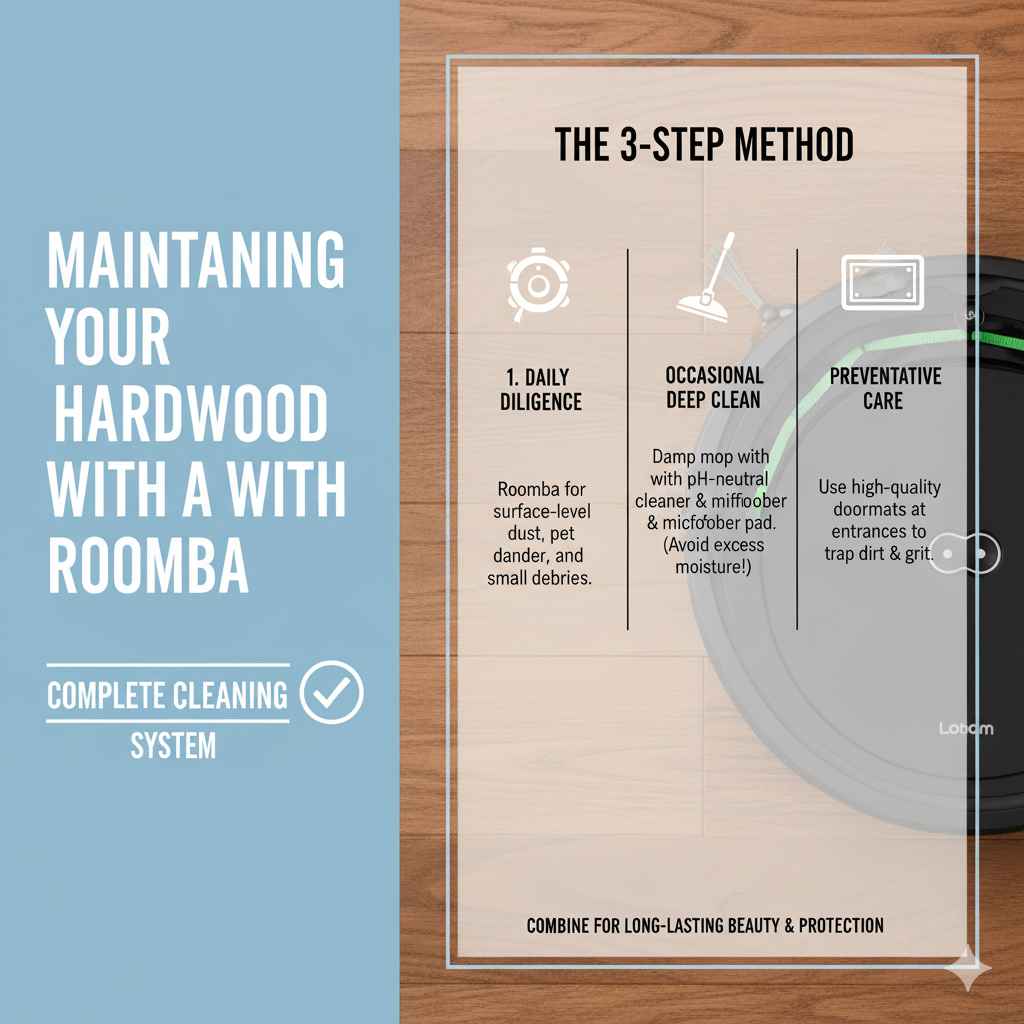
Hardwood floors are beautiful but can be susceptible to wear and tear. A Roomba can be a fantastic tool in your arsenal for maintaining their appearance, but it’s part of a larger maintenance picture. Think of it as the diligent daily helper.
The primary role of a Roomba on hardwood is surface-level cleaning. It’s excellent at capturing dust, pet dander, and small debris that can act like fine sandpaper underfoot. Regularly removing these particles prevents them from dulling the floor’s finish or getting ground into the wood grain over time. This is especially important in high-traffic areas.
For a truly well-maintained hardwood floor, your Roomba should ideally be paired with occasional deeper cleaning. This usually involves damp mopping. It’s crucial to use a mop specifically designed for hardwood floors and very little moisture – you don’t want to oversaturate the wood.
According to the Wood Floor Business, the key is to use a spray mop with a pH-neutral cleaner and a microfiber pad. The Roomba handles the dry debris collection, while the damp mop tackles any grime or light stains that the vacuum can’t pick up. Combining these methods ensures your floors don’t just look clean, but are clean and well-preserved.
Beyond cleaning, consider placing high-quality doormats at all entrances to your home. These act as the first line of defense, trapping dirt and grit before it ever reaches your hardwood floors. This not only reduces the workload for your Roomba and your mopping efforts but also significantly extends the life and beauty of your wood.
Frequently Asked Questions (FAQ)
Q1: Can Roombas scratch my hardwood floors?
A: Generally, no. Modern Roombas, particularly those with dual-action rubber brushes (like most iRobot models), are designed to be gentle. However, very old or extremely delicate finishes might be more sensitive. It’s always best to check your specific Roomba model’s brush type and consider testing in an inconspicuous area if you’re concerned.
Q2: Do Roombas pick up all the dust from hardwood floors?
A: Roombas are very effective at picking up most surface dust and debris. However, very fine dust particles can sometimes be agitated before being fully collected. Higher-end models with stronger suction and better filtration systems are more efficient at capturing these ultra-fine particles. They significantly reduce dust compared to manual sweeping.
Q3: How often should I run my Roomba on hardwood floors?
A: For optimal maintenance, running your Roomba daily or every other day is recommended, especially if you have pets or high foot traffic. Consistent cleaning prevents dust and debris buildup that can eventually dull your floor’s finish.
Q4: Can Roombas handle pet hair on hardwood floors?
A: Yes, Roombas are typically very good at picking up pet hair from hardwood floors. Their side brushes sweep hair towards the main brushes, and the suction power pulls it into the dustbin. Models with dual rubber brushes are especially effective as hair is less likely to wind around them.
Q5: Do I still need to mop my hardwood floors if I have a Roomba?
A: Yes, you do. A Roomba is excellent for dry debris removal and daily maintenance. However, it cannot sanitize or remove stuck-on grime, spills, or sticky residues. Mopping, using appropriate hardwood floor cleaners, is still necessary for a complete clean.