Are Steam Cleaners Good For Wood Floors: Proven Savings
While convenient, steam cleaners are generally not recommended for most wood floors. The intense heat and moisture can damage the finish, warp the wood, and lead to costly repairs. For safe and effective wood floor cleaning, consider gentler methods like damp mopping.
Having a beautiful, gleaming wood floor can make any home feel warmer and more inviting. But keeping them clean, especially with busy family life, can be a challenge. Many of us look for quick, efficient cleaning solutions, and steam cleaners often pop up as a popular option. You might be wondering, “Are steam cleaners good for wood floors?” It’s a common question, and for good reason! The idea of powerful steam lifting dirt quickly seems appealing.
However, when it comes to delicate wood, the answer isn’t as simple as a yes or no. In this guide, we’ll break down exactly what you need to know, helping you avoid potential damage and find the best way to care for your precious wood floors. Stick around, and we’ll uncover the secrets to a sparkling clean floor without the worry!
The Basics: What is a Steam Cleaner?
Before we dive into whether steam cleaners are right for your wood floors, let’s quickly touch on what they are. A steam cleaner works by heating water to a very high temperature, turning it into steam. This hot steam is then released under pressure, and it’s this combination of heat and pressure that’s supposed to loosen dirt, grime, grease, and even kill bacteria and allergens. They come in various forms, from handheld units to larger upright or canister models, often with different brush heads or attachments for various surfaces.

Can You Use a Steam Cleaner on Wood Floors? The Verdict.
Here’s the straightforward truth: For the most part, you should avoid using steam cleaners on most types of finished wood floors. While some manufacturers might claim their steam cleaners are safe for wood, the reality is that wood is a natural material that can be sensitive to excessive heat and moisture. The high temperatures and the steam itself can cause significant damage that is often irreversible and expensive to fix.
Think of your wood floor’s finish—that protective top layer—as a shield. When you blast it with superheated steam, that shield can be compromised. This can lead to a range of problems, from a dull, hazy appearance to more serious structural issues with the wood itself.
Why Steam Cleaning Can Be Risky for Wood Floors
Let’s get into the specifics of why steam cleaning can be a gamble for your beautiful wood floors. It boils down to two main factors: heat and moisture.
- Moisture Damage: Wood is porous. When exposed to excessive moisture, it can absorb water. This absorption can cause the wood planks to swell, expand, and even warp. If the moisture penetrates the finish and gets into the wood core, it can lead to cupping (where the edges of the board are higher than the center) or crowing (the opposite, where the center is higher than the edges). Over time, this can permanently alter the shape and stability of your floor.
- Heat Damage to Finish: The high heat from steam cleaners can soften or even melt certain types of finishes, especially wax-based or oil-based finishes. This can lead to a dull, streaky appearance or create cloudy spots that are difficult to remove. Polyurethane finishes, which are more common and durable, are also not immune. Prolonged exposure to heat can weaken this protective layer, making it more susceptible to scratches and wear over time.
- Joint and Seam Issues: In between the planks of your wood floor, there are tiny gaps. Steam can easily seep into these seams. If water accumulates there, it can seep down into the subfloor, potentially causing mold or mildew growth, which is a serious health and structural concern.
- Voiding Warranties: Many wood floor manufacturers explicitly state in their care instructions that steam cleaners should not be used. Using one could void your flooring’s warranty, leaving you responsible for any repair costs. Always check your warranty information!
What About Different Types of Wood Floors?
Not all wood floors are created equal, which is why the “steam cleaner” question needs a nuanced answer. The type of finish and how the floor was installed plays a big role.
Engineered Wood vs. Solid Hardwood
Both solid hardwood and engineered wood are susceptible to moisture damage. Engineered wood has layers of plywood or MDF topped with a thin veneer of real wood. While the cross-grain construction of the core can offer a bit more stability, the top veneer can still be damaged by excessive heat and moisture from a steam cleaner, leading to peeling, bubbling, or discoloration.
Sealed vs. Unsealed Floors
This is a critical distinction. Most modern hardwood floors are finished with a durable sealant like polyurethane. These sealed floors offer some protection against moisture. However, older homes might have floors with a wax or oil finish, or floors that are unsealed or poorly maintained. These are far more vulnerable to steam. Even with sealed floors, the amount of moisture and duration of steaming is key. Small amounts of residual moisture can still penetrate micro-cracks or seams.
Laminate and Vinyl Flooring
It’s worth noting that while this article focuses on wood floors, many people confuse laminate or vinyl flooring with wood. Steam cleaners are generally considered unsafe for laminate flooring for similar reasons (moisture can seep between planks and cause swelling, especially in the fiberboard core). Some luxury vinyl plank (LVP) or sheet vinyl might tolerate steam, but it’s still a risk, and manufacturers often advise against it. Always consult the manufacturer’s care guide for your specific flooring type.
Proven Savings: How Avoiding Steam Can Save You Money
The “proven savings” part of our discussion comes from understanding the potential costs of steam cleaning wood floors. It’s not just about the initial purchase of a steam cleaner; it’s about the long-term financial implications of potential damage.
Let’s look at some rough cost comparisons. A decent steam cleaner can range from $50 to $200. That seems reasonable. However, consider these potential repair costs:
| Type of Repair | Estimated Cost Range (per sq ft) | Notes |
|---|---|---|
| Minor Finish Rejuvenation (Sanding & Refinishing part) | $3 – $5 | Can be a temporary fix for dullness; may need multiple applications. |
| Full Floor Sanding and Refinishing | $5 – $15 | For deep damage, scratches, or widespread finish issues. |
| Board Replacement | $10 – $25 | For warped, cupped, or severely damaged planks. Cost includes material and labor. |
| Subfloor Repair (if water damage occurs) | $15 – $30 | Includes mold remediation, subfloor replacement, and potential framing work. |
As you can see, a small mistake with a steam cleaner could end up costing you hundreds or even thousands of dollars to repair. For a typical 1,000 sq ft home, a full refinish could easily cost $5,000 to $15,000. Replacing warped boards or dealing with subfloor issues would add even more. By choosing safe cleaning methods, you’re directly saving yourself from these potentially massive expenses. That’s the clearest “proven saving” you can get!
Safe and Effective Alternatives to Steam Cleaning Wood Floors
So, if steam is out, what’s the best way to get your wood floors clean without breaking the bank on repairs? Thankfully, there are several tried-and-true methods that are gentle, effective, and budget-friendly.
1. The Mighty Microfiber Mop
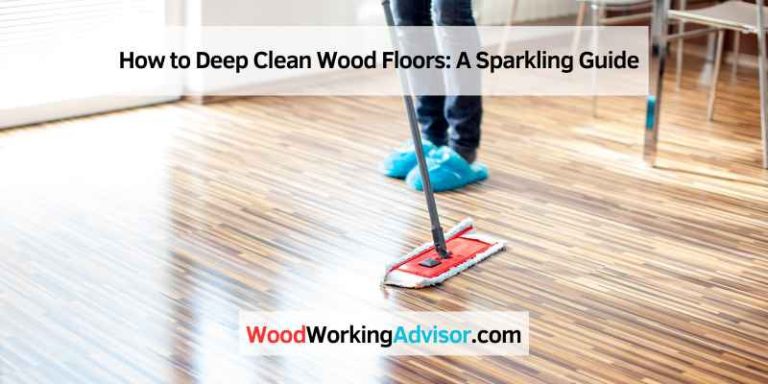
This is your new best friend for wood floor cleaning. Microfiber technology is excellent at trapping dirt and dust with minimal moisture.
How to do it:
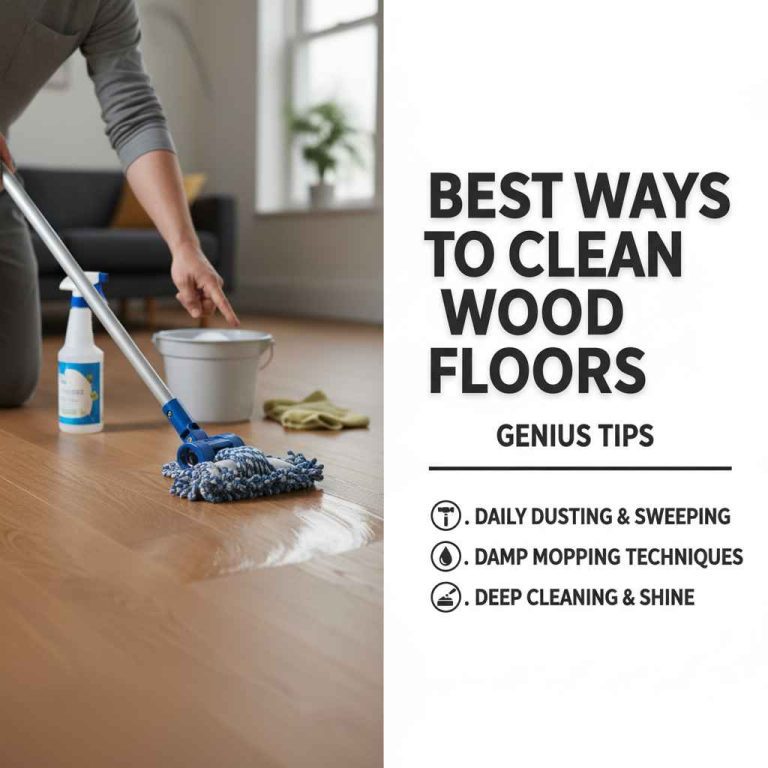
- Dry Dusting First: Always start by sweeping or vacuuming your floors with a soft brush attachment to remove loose debris. This prevents scratching during the mopping process.
- Prepare Your Solution: Use a pH-neutral wood floor cleaner recommended by your flooring manufacturer. You can also use a very dilute solution of mild dish soap or white vinegar (about 1/4 cup vinegar per gallon of water).
- Damp, Not Wet: The key is dampening your microfiber mop, not soaking it. Dip the mop head into your cleaning solution, then wring it out thoroughly until it’s just barely moist. You should not see water pooling on the floor.
- Mop in Sections: Mop a small section of the floor at a time, moving with the grain of the wood.
- Dry As You Go: If you notice any excess moisture, or if your floor is taking longer than a minute or two to dry, go over the area with a dry microfiber cloth or mop. Proper ventilation with fans can also help speed up drying.
2. Trusted Wood Floor Cleaners
Many reputable brands offer specialized wood floor cleaners. These are formulated to be effective on wood finishes without causing damage.
- Brands to Consider: Bona, Bruce, Swiffer WetJet Wood (ensure it’s specifically for wood and use sparingly).
- Application: Always follow the product instructions. Most are spray-and-mop formulas or can be diluted for use with a damp mop.
- pH Neutrality: Look for cleaners labeled “pH-neutral” or “for finished wood floors.” This ensures they won’t strip or damage the finish. You can learn more about the importance of pH in cleaning solutions from resources like the U.S. Environmental Protection Agency (EPA)‘s simple guidelines for home cleaning.
3. The Vinegar and Water Trick (Use with Caution!)
A diluted vinegar solution can be an effective degreaser and cleaner for wood floors, but proceed with caution.
- Ratio: Mix 1/4 cup of white distilled vinegar with one gallon of warm water.
- Application: Use this mixture with a very well-wrung-out damp mop.
- When to Avoid: If your floor has a wax or oil-based finish, skip the vinegar, as it can break down these types of finishes. It’s best suited for polyurethane-finished floors.
4. The Power of a Good Vacuum
Regular vacuuming is crucial for preventing scratches and maintaining the appearance of your wood floors.
- Use the Right Setting: Always use a vacuum cleaner with a “hard floor” setting or one that allows you to turn off the beater bar/brush roll. A spinning brush roll can scratch and dull your wood finish over time.
- Soft Brush Attachment: If your vacuum has a specific hardwood floor attachment with soft bristles, use that.
- Frequency: Vacuum at least once a week, or more often in high-traffic areas or if you have pets.
What About “Steam Mops for Hardwood Floors”?
You might see products marketed as “steam mops for hardwood floors.” It’s important to read the fine print and understand the risks. These mops often have settings that claim to use less steam or have a “steam-free” pad for actual mopping. However, the inherent risk of introducing heat and moisture into your wood floors remains higher than with traditional damp mopping methods.
Some manufacturers of these specialized mops will specify which types of finishes they are safe for. For example, they might claim safety for sealed polyurethane finishes but strongly advise against using them on wax, oil, or unsealed floors. Even then, many flooring professionals and manufacturers still recommend avoiding them altogether to be completely safe. The savings of a potentially damaged floor far outweigh the perceived convenience.

Frequently Asked Questions (FAQs)
Can I use a steam cleaner on my laminate flooring?
Generally, no. Laminate flooring has a fiberboard core that is highly susceptible to moisture. Steam can cause the core to swell, warp, and delaminate, leading to permanent damage. Always check your laminate flooring manufacturer’s recommendations.
What is the safest way to clean my wood floors?
The safest method involves regular dry dusting/vacuuming and then cleaning with a damp (not wet) microfiber mop using a pH-neutral cleaner specifically designed for wood floors. Ensure the floor dries quickly.
My steam cleaner has a “low steam” setting. Is that okay for wood floors?
Even a “low steam” setting can introduce more heat and moisture than most wood finishes can handle. It’s a gamble. While it might seem less risky, the potential for residue moisture to seep into seams or saturate the finish is still present. It’s best to err on the side of caution for long-term floor health.
How often should I deep clean my wood floors?
For most homes, a thorough cleaning with a damp mop about once a month is sufficient, provided you are daily or weekly dry dusting/vacuuming. High-traffic areas or homes with pets or children might require more frequent damp mopping.
Can a steam cleaner remove scuff marks from wood floors?
While steam might lift some surface grime that contributes to a scuff mark, its effectiveness is limited and comes with significant risk. Often, scuff marks are from rubber or shoe sole material that has physically marked the finish and may require a specific cleaner or gentle buffing with a soft cloth or tennis ball to remove safely. A steam cleaner is not the right tool for this job.
What if my floor is very old or has an unusual finish?
For older floors, or those with finishes you’re unsure about (like wax, oil, or aluminum oxide), it’s always best to consult the flooring manufacturer or a professional floor refinisher before using any cleaning method, especially steam. These finishes are much more delicate.
Maintaining Your Wood Floors for Longevity
Keeping your wood floors looking their best isn’t just about cleaning; it’s about consistent care and protection. Treating them with respect will ensure they last for generations.
- Protect from Scratches: Place felt pads under furniture legs. Use doormats at all entrances to trap dirt, grit, and moisture before they reach your wood floors.
- Control Humidity: Wood expands and contracts with changes in humidity. Maintaining a consistent indoor humidity level (typically between 35-55%) can prevent warping and gaps. A humidifier or dehumidifier might be necessary depending on your climate. For more on controlling indoor humidity, resources from organizations like the EPA’s Indoor Air Quality section offer valuable guidance.
- Address Spills Immediately: Wipe up spills as quickly as possible with a dry or slightly damp cloth. Don’t let liquids sit on the surface.
- Avoid Harsh Chemicals: Never use abrasive cleaners, steel wool, or ammonia-based cleaners, as they can damage the finish.
Conclusion: Protecting Your Investment
So, are steam cleaners good for wood floors? After considering the risks of moisture damage, finish degradation, and potential voided warranties, the answer is a clear and resounding no for most wood flooring types and finishes. While the allure of a quick, powerful clean is understandable, the potential cost of repairing a damaged wood floor far outweighs any perceived benefits of steam cleaning.
By sticking to gentle, proven methods like damp mopping with pH-neutral cleaners and regular dry cleaning, you can effectively maintain the beauty and integrity of your wood floors. This approach not only keeps your home looking great but also protects your investment and prevents costly repairs down the line. Remember, a little care and the right tools go a long way in ensuring your wood floors remain a stunning feature of your home for years to come. Happy cleaning!