Swiffer WetJet Wood vs. Regular: What’s Actually Different
The Swiffer WetJet mop itself is identical either way – the difference between “Wood” and “Regular” is entirely in the cleaning solution cartridge you load into it. The Wood formula is made specifically for finished hardwood and laminate floors, while the regular/multi-surface formula is a more general-purpose cleaner meant for tile, vinyl, and sealed hardwood alike.
For most people with sealed, finished wood floors, either solution will clean the floor without damaging the finish – the real question is which one is worth the (usually small) price difference for your specific floor.
If you’re weighing whether to use a Swiffer on hardwood at all — dry Sweeper vs. WetJet, not just which WetJet solution — see our full breakdown at Can You Use a Swiffer on Hardwood Floors?
What’s Actually Different Between the Two Solutions
Formulated for Finished Wood Floors
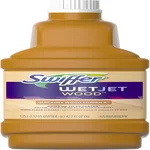 |
Swiffer WetJet Wood Floor Cleaner Solution Refill (42.2 fl oz) – $32 This is the wood-specific solution discussed in this comparison – same WetJet mop hardware, a formula built around finished hardwood rather than general multi-surface cleaning.
|
Both solutions work through the same WetJet mop hardware – a spray-and-mop system with disposable cleaning pads. The Wood formula is marketed and formulated around wood floor care specifically, while the regular/multi-surface formula is designed to perform reasonably well across tile, vinyl, and sealed hardwood without being optimized for any one surface.
In practice, the difference shows up less in “will it damage my floor” and more in results over repeated use – some wood-floor owners report the general multi-surface formula leaving a slight residue or dulling the shine faster with frequent use compared to the wood-specific formula, though results vary by the type of factory finish your floor has and how often you’re mopping.
What Neither Formula Is Safe For
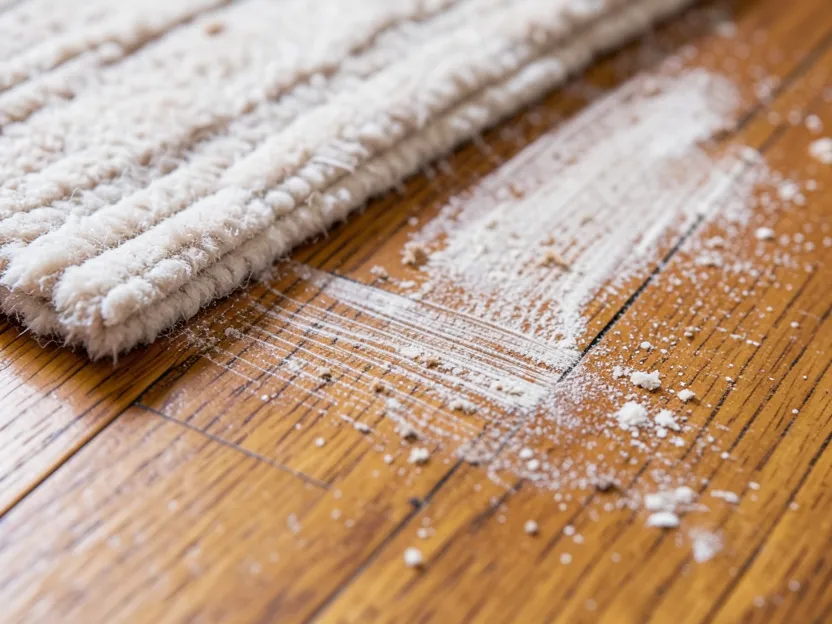
This matters more than which formula you pick: neither Swiffer WetJet solution is recommended for unsealed, waxed, or oil-finished wood floors. Those surfaces don’t have the protective factory topcoat that seals out moisture and surfactants, and a wet mopping system – regardless of which cleaning solution is loaded into it – can dull the finish, leave streaking, or in the case of truly unsealed wood, drive moisture into the boards. If you’re not sure how your floor is finished, check with the flooring manufacturer or installer before using any wet-mop system on it.
Cost and Convenience
Pricing between the two formulas is close – typically within a couple dollars per bottle – so cost isn’t usually the deciding factor. The bigger consideration for either version of the WetJet system is the ongoing cost and waste of disposable pads and solution cartridges compared to a reusable microfiber spray mop, which most municipal recycling programs don’t accept and which adds up over months of regular use.
When to Skip Both and Use a Dedicated Hardwood Cleaner
If your finished wood floor is already showing dullness, a hazy film, or streaking from a WetJet system (wood or regular formula), that’s usually a sign of surfactant residue building up over repeated cleanings rather than dirt. At that point, a dedicated hardwood floor cleaner formulated with less residue-prone chemistry, used with a reusable microfiber mop, tends to restore shine better than switching between WetJet formulas.
Frequently Asked Questions
Can you use a regular Swiffer WetJet on hardwood floors?
Yes, on sealed and finished hardwood floors. The regular/multi-surface formula is designed to work safely across tile, vinyl, and finished wood, though the wood-specific formula is built specifically around wood floor care and some users find it performs better with less residue over repeated use.
Is the Swiffer WetJet Wood formula worth it?
If you have finished hardwood and mop frequently, the wood-specific formula is a reasonable small upgrade since it’s formulated for that surface specifically. If you have mixed flooring (tile and wood) and mop infrequently, the regular multi-surface formula is a fine single-solution option.
Can Swiffer WetJet be used on all wood floors?
No. Both WetJet formulas are intended for sealed, finished wood floors only. Unsealed, waxed, or oil-finished wood floors should not be cleaned with either WetJet solution, since they lack the protective topcoat that prevents moisture and surfactant residue from affecting the wood.
Is Swiffer WetJet Wood safe for laminate floors?
Yes, the Wood formula is generally safe for sealed laminate flooring as well as hardwood, since laminate has a similar protective wear layer. As with hardwood, avoid using it on any laminate with damaged seams where moisture could seep beneath the boards.
Conclusion
The mop is the same tool either way – what changes is the solution. Pick the Wood formula if hardwood is most of what you clean and you want a formula built for it; the regular multi-surface formula is a reasonable single option if your home has a mix of floor types. Either way, both are limited to sealed, finished wood floors, and if you start seeing dullness or residue with regular use, that’s the point to switch to a dedicated hardwood cleaner rather than swapping between WetJet formulas.
Sponsored / affiliate links. As an Amazon Associate I earn from qualifying purchases. I may earn additional commission from eligible campaigns.