Wood Floor Installation Cost by Method: Nail, Glue, or Float
Installation labor for wood flooring runs $3 to $8 per square foot on top of the material cost, and which installation method your floor uses – nail-down, glue-down, or floating – changes that number more than almost anything else, including wood species. This guide focuses specifically on the installation side of the cost: what each method actually costs in labor, which ones a reasonably handy DIYer can realistically do, and where installation-specific costs hide that a materials-only estimate misses entirely.
If you’re trying to price the wood itself rather than the install, our guide to average hardwood flooring costs breaks down material pricing by species, and our total cost guide covers full project pricing by room size.
Three Installation Methods, Three Labor Costs
Best for DIY Floating Floor Installs
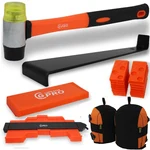 |
Carib Gear Pro Flooring Installation Kit – $27.99 Everything a click-lock floating floor install needs – the cheapest labor method described above, and the most realistic one to DIY.
|
Solid and engineered hardwood aren’t installed the same way, and the method dictates both the labor rate and whether DIY is realistic:
- Nail-down (solid hardwood, standard method): boards are face- or tongue-nailed into a wood subfloor with a pneumatic flooring nailer. Labor runs $4-$8 per square foot professionally. This is the most physically demanding method for a DIYer – it requires renting a flooring nailer/stapler and a compressor, and the learning curve on getting consistent, flush nail placement is real.
- Glue-down (common for engineered hardwood over concrete): boards are set into a troweled adhesive. Labor runs $3-$6 per square foot, often slightly less than nail-down since there’s no pneumatic tool learning curve, but the adhesive itself adds $1-$2 per square foot in material cost that a nail-down job doesn’t have. Working time is also limited once adhesive is spread, which makes it less forgiving for a slow first-timer.
- Floating (click-lock engineered hardwood): boards click together and “float” over a foam underlayment without being nailed or glued to the subfloor. Labor runs $2-$4 per square foot – the cheapest of the three – and it’s genuinely the most DIY-friendly method, which is exactly why most engineered wood marketed toward homeowners uses a click-lock floating system.
The practical takeaway: if minimizing installation cost matters more than getting solid hardwood specifically, choosing a click-lock engineered floor over a nail-down solid floor can cut your labor cost by more than half before you even get a quote.
What Drives Labor Cost Higher, Beyond the Method
Installers price by the complexity of the room, not just square footage. A simple rectangular room with no obstacles is the base rate; every one of these adds to it:
- Room shape: closets, bay windows, and irregular angles mean more cuts and more waste, typically adding 10-20% to labor time.
- Pattern: a herringbone or chevron pattern can double labor cost compared to standard straight-plank installation, because every board is cut at an angle and alignment has to be checked constantly.
- Stairs: priced per stair tread/riser, not per square foot, and it’s specialized work – expect $40-$100+ per step on top of the room’s flat-floor rate.
- Subfloor condition: a subfloor that needs leveling or repair before installation adds a separate line item, and installers won’t proceed over a subfloor that doesn’t meet flatness tolerance, since it voids most flooring warranties.
Installation Costs That Aren’t “Labor” But Show Up on the Bill Anyway
A materials-plus-labor estimate misses a handful of install-specific costs that only show up once a job actually starts:
- Acclimation delay: wood flooring needs to sit in the room for 3-7 days before installation so it adjusts to the room’s humidity. Some installers bill a trip charge for a separate drop-off visit rather than delivering and installing same-day.
- Furniture moving: many installers charge extra to move furniture out of and back into a room rather than assuming the homeowner clears it first – ask upfront, since this is one of the easiest costs to cut by doing it yourself.
- Transition strips and thresholds: where the new floor meets tile, carpet, or another room at a different height, transition hardware runs $15-$40 per piece installed, and a multi-room job can need several.
- Disposal fees: hauling away old flooring debris is sometimes a separate line item, especially for a full tear-out ahead of installation.
DIY: Which Method Is Actually Realistic
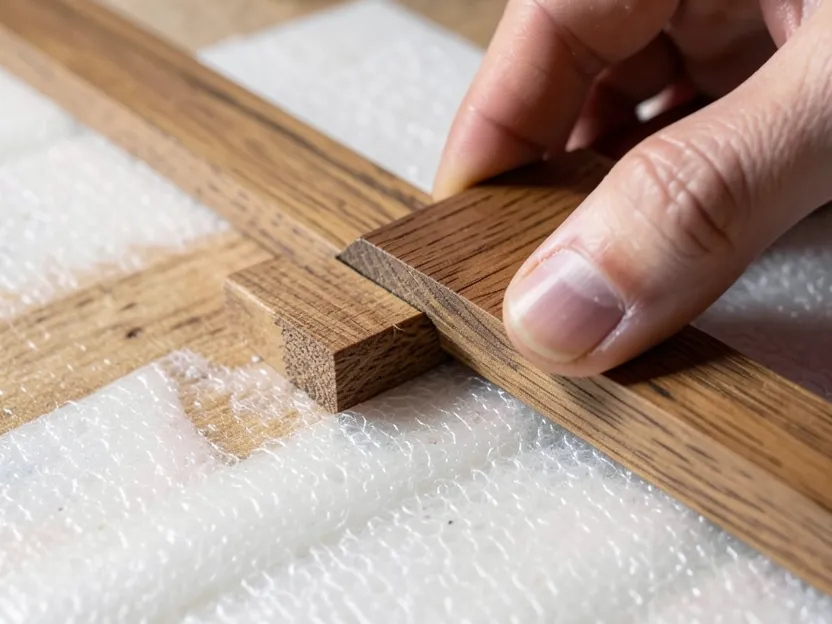
Floating floors are the honest DIY starting point – no specialized nailer to rent, a forgiving pace since there’s no wet adhesive setting while you work, and click-lock systems are specifically engineered for consistent results without a lot of practice. Glue-down is doable but less forgiving of a slow pace once adhesive is troweled out; work in small sections if you go this route. Nail-down solid hardwood is the method where DIY mistakes are most visible and hardest to fix – a poorly seated nail or an inconsistent gap pattern shows on the finished surface, and renting the pneumatic flooring nailer for a weekend only pays off if you’re confident enough to not waste the rental on a redo.
Frequently Asked Questions
Which installation method is cheapest?
Floating click-lock installation is the cheapest, typically $2-$4 per square foot in labor, since it requires no nailing tools or adhesive and is fast for an installer (or a DIYer) to complete.
Can I install nail-down hardwood myself to save money?
You can, but it’s the least forgiving of the three methods for a first-timer. Renting a pneumatic flooring nailer and getting consistent results takes practice, and mistakes are visible in the finished floor. Many first-time DIYers choose a click-lock floating floor for their first project specifically because of this gap.
Do herringbone or chevron patterns really cost that much more to install?
Yes – it’s common for these patterns to roughly double labor cost compared to straight-plank installation, since every board is cut at an angle and alignment needs constant checking to keep the pattern straight across the room.
Does moving my own furniture actually save money on an installation quote?
Often yes. Many installers charge a separate fee for moving furniture out of and back into the room. Ask specifically whether your quote includes this, since it’s one of the simplest costs to remove by handling it yourself before the crew arrives.
Sponsored / affiliate links. As an Amazon Associate I earn from qualifying purchases. I may earn additional commission from eligible campaigns.