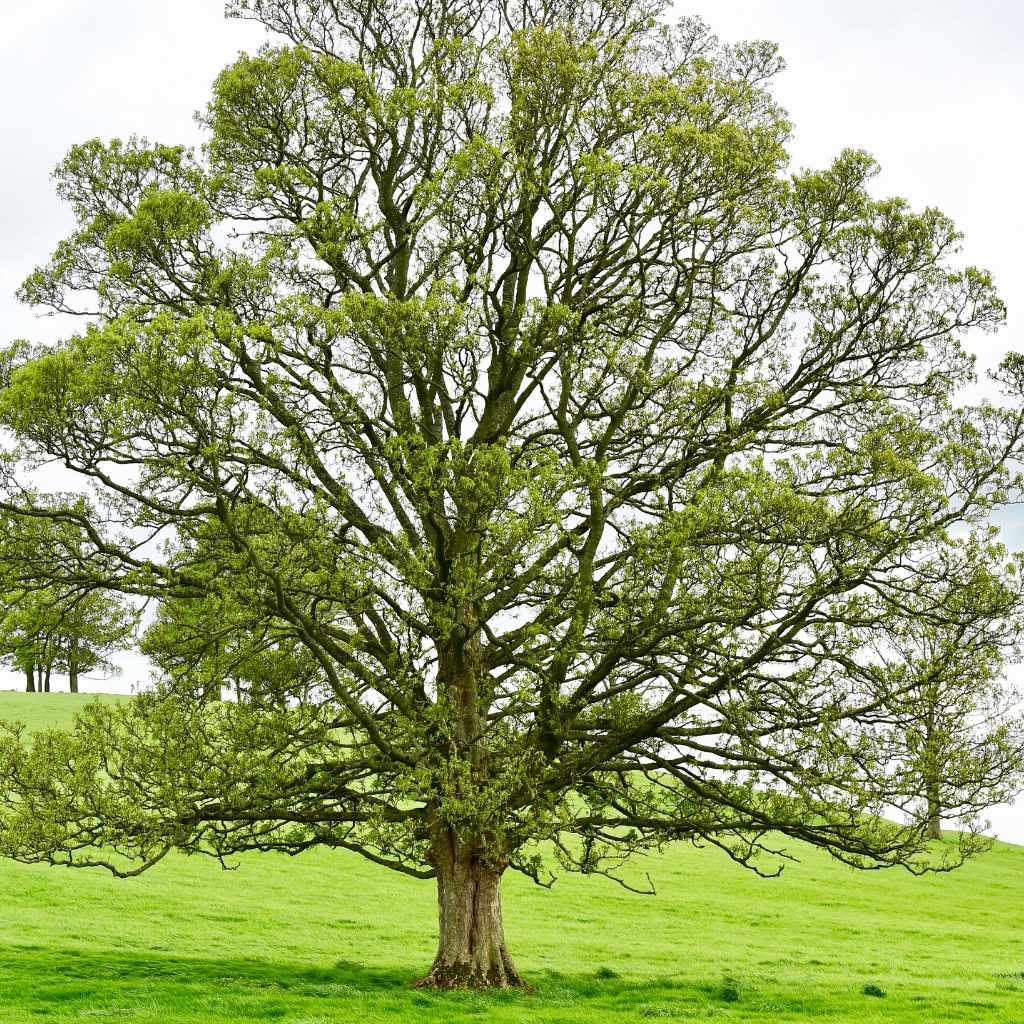
Are Walnut Trees Poisonous? Essential Guide
Are Walnut Trees Poisonous? The short, reassuring answer is: Generally, no, the wood itself is not poisonous to touch or use in woodworking. However, the leaves, roots, and husks contain a compound called juglone, which can harm certain garden plants, so handle those parts with care.
Welcome to the workshop! If you’re just starting out with beautiful walnut wood, a question might pop into your head: “Is this amazing timber safe to work with?” It’s smart to ask! We all want our projects to be safe for our homes and our families. The good news is that solid walnut lumber—the stuff you buy for cutting boards or cabinets—is completely safe once milled. We’ll clear up the confusion about walnuts and toxins right now. Stick with me, and by the end of this guide, you’ll know exactly which parts of the tree require caution and how to safely enjoy your handsome walnut projects.
Understanding Juglone and Wood Safety
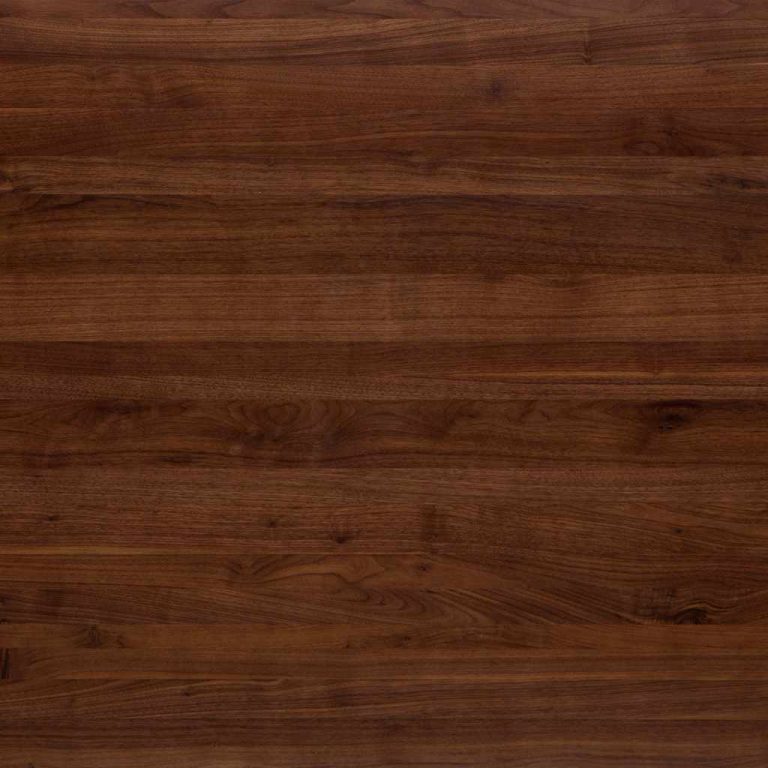
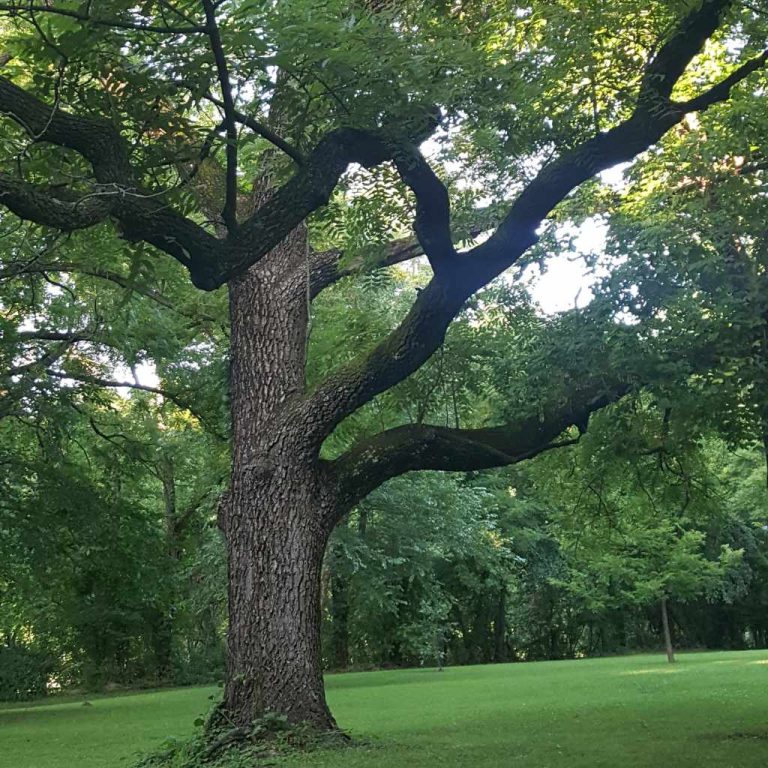
Walnut trees (genus Juglans) are famous in the woodworking world for their rich color, beautiful grain swirls, and ease of shaping. They are an absolute prized material for furniture, veneers, and those stunning live-edge slabs. But the ‘poisonous’ reputation isn’t entirely out of thin air; it’s just narrowly focused on one specific part of the tree.
As a woodworker, your primary concern is the lumber inside the trunk. When you buy kiln-dried or air-dried walnut boards, you are working with inert, safe material. The danger lies almost exclusively in one natural chemical compound: juglone. Let’s break down where juglone lives and why it’s a bigger issue for gardeners than wood crafters.
What is Juglone and Why Does it Matter?
Juglone is a naturally occurring chemical found in various parts of the walnut tree. It serves as a natural defense mechanism for the tree, helping to suppress the growth of competing plants nearby. This process is called allelopathy.
Think of it as the tree’s natural weed killer. While this is super helpful for the tree’s survival, it can cause serious issues for sensitive neighboring plants.
Where is Juglone Concentrated?
If you are handling wood, you need to know which materials to move carefully. Juglone concentrations vary significantly throughout the tree structure:
- Roots and Bark: These areas have the highest concentrations of juglone.
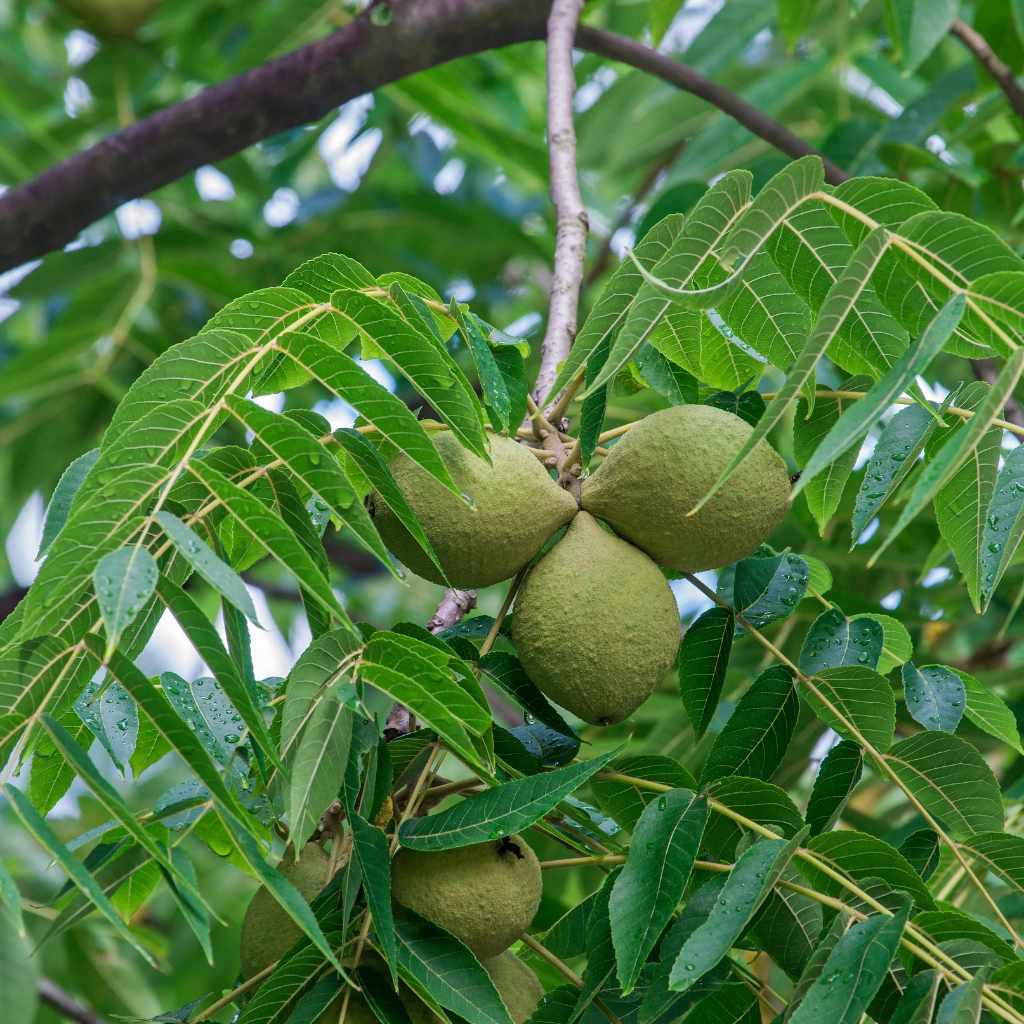
- Fresh Green Husks (Hulls): If you’ve ever husked walnuts, you know these turn your hands black instantly. The hulls are loaded with juglone.
- Leaves and Twigs: Fallen leaves and dried twigs also contain juglone, which leaches into the soil as they decompose.
- Walnut Wood (Lumber): The concentration in the solid heartwood and sapwood used for woodworking is extremely low, virtually negligible, especially after drying and finishing.
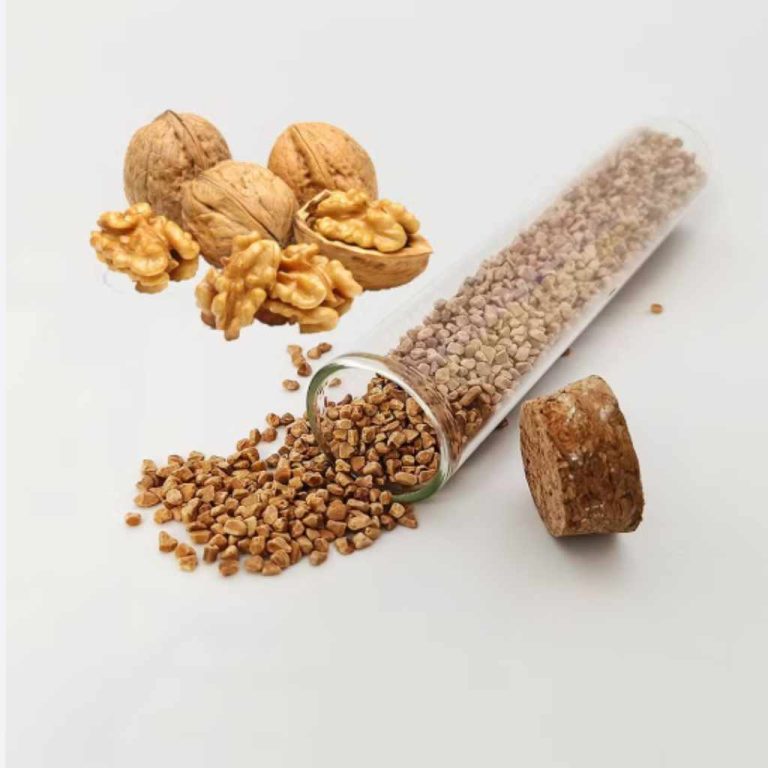
- Nuts (Edible Part): The kernel inside the shell is perfectly safe to eat once processed.
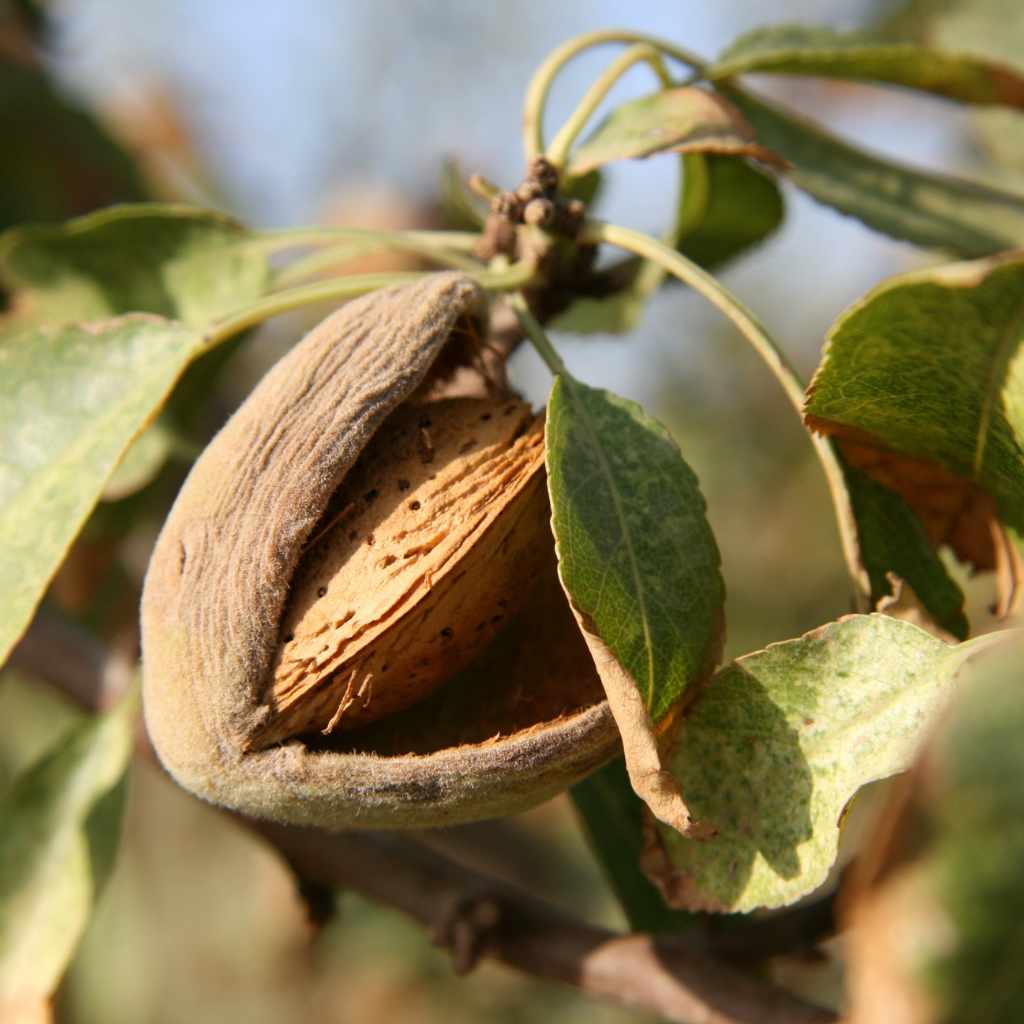
The Woodworker’s Companion: Safety with Walnut Lumber
When you bring lumber into your shop, the rules change a bit. You are dealing with processed wood, not living plant matter loaded with active juglone.
Handling Finished Walnut Boards
For the vast majority of woodworkers, walnut lumber presents the same safety considerations as oak or maple. Your main concerns should focus on standard shop safety measures:
- Dust Safety: Walnut dust, like any fine sawdust, can irritate your respiratory system and skin. Always wear proper dust masks or respirators when sanding or routing.
- Allergies: A small percentage of people are allergic to specific wood species. If you notice unusual skin rashes or breathing issues, consult a doctor and take a break from that species.
- Finishes: Once you apply a standard food-safe finish (like mineral oil, tung oil, or polyurethane) to a cutting board or bowl, the wood surface is sealed and entirely safe for food contact.
To manage dust effectively, good shop ventilation is your best friend. You can learn more about wood dust hazards from resources like the Occupational Safety and Health Administration (OSHA) guidelines on wood processing.
When to Be Cautious: Gardening Near Your Walnut Tree
This is where the ‘poisonous’ label truly applies. If you are cutting down a walnut tree or clearing brush, you must manage the waste appropriately. This is crucial if you have a vegetable garden or popular ornamental plants nearby.
Plants Highly Sensitive to Juglone
If you plan to mulch or compost fresh walnut debris, be aware that juglone will inhibit the growth of many sensitive species. Do not pile fresh husks or leaves directly around these susceptible plants.
Here is a quick reference table for gardeners who also dabble in wood:
| Plant Category | Juglone Sensitivity | Examples |
|---|---|---|
| Highly Sensitive | Severe inhibition or death | Tomatoes, Potatoes, Eggplant, Peppers, Cabbage, Asparagus |
| Moderately Sensitive | Growth stunting possible | Blueberries, Apples, Pears |
| Tolerant/Resistant | Minimal to no effect | Maples, Birch, Tulip Poplar, Most Conifers |
Understanding this helps us appreciate that the chemical is powerful when concentrated in the living parts, but harmless in the seasoned lumber we use.
Working with Greens and Slabs: Harvesting and Curing Walnut
Sometimes, woodworking enthusiasts harvest their own material. If you fell a walnut tree, you need to know how to handle the fresh wood (green wood) safely while it seasons.
Step-by-Step: Curing Walnut Wood Safely
Curing (or air-drying) green lumber is essential before you can use it for stable projects. While drying, leaching of moisture occurs, but the juglone risk remains low in the wood itself.
- Debark Immediately: If you plan to keep the slabs or boards, strip the bark off as soon as possible. The bark harbors more juglone than the interior wood.
- Stack and Sticker: Stack your walnut boards, using thin spacers (stickers) between each layer. This ensures air flows completely around all surfaces. Good airflow is key to prevent mold and rot during drying.
- End Grain Sealing (Optional but Recommended): Paint the ends of thick slabs or logs with a specialized end sealer or even thick latex paint. This slows down drying at the ends, which helps prevent checking (cracking).
- Cover the Stack: Cover the top of the stack to protect it from rain and direct sun, but leave the sides open for consistent airflow. A slightly elevated, covered stickered stack helps keep moisture moving steadily.
- Be Patient: Walnut typically needs one year of air drying for every inch of thickness before it is stable enough for most serious projects.
The Myth vs. Reality: Walnut in Traditional Uses
People have used walnut for centuries in kitchens, cribs, and homes across North America and Europe. If it were truly a toxic hazard in its dried, finished form, it wouldn’t have remained a premium choice for fine furniture.
Walnut Wood vs. Poisonous Wood Composites
Keep your focus on naturally sourced, properly dried walnut. Sometimes, confusion arises because manufactured wood products, like certain particle boards, use chemical glues or resins that can off-gas formaldehyde or other volatile organic compounds (VOCs). This is an issue with the binder, not the walnut wood fiber itself.
When you work with solid, natural walnut, you control the finish, ensuring it remains as natural and safe as possible for your home environment. For a great, safe finish, consider food-grade oils.
Shop Mentor Tip: Scent and Safety
Walnut has a distinct, pleasant, aromatic scent. This smell is NOT a warning sign of toxicity hazards in the way strong chemical fumes are. It’s just the natural aroma we associate with fine wood! Enjoy it while you work, but always practice good dust management, regardless of the wood’s scent.
Why Walnut is Amazing for Beginners (Once Dust is Handled)
Even though we spent time discussing juglone, I really want to encourage new woodworkers to embrace walnut. It’s forgiving, it finishes beautifully, and it’s readily available if you know where to look (like local sawyers).
Here are a few reasons why walnut makes a fantastic beginner project wood:
- Easy to Machine: It cuts, planes, and sands with relative ease compared to very hard woods like hickory.
- Accepts Finish Wonderfully: Whether you choose a simple oil or a glossy lacquer, walnut’s chatoyance (the way the grain seems to shift light) really pops through the finish.
- Hides Imperfections: That deep color helps mask minor scratches or small tooling errors that might be screamingly obvious on a light maple board.
Start with a small project, like a simple picture frame or a small decorative box, to get a feel for its nature. You’ll quickly build confidence.
Tools for Safe Walnut Woodworking
Safety in the shop isn’t just about passive protection; it’s about using the right gear for the job. When cutting, shaping, or sanding walnut, these tools are essential for managing the dust created:
- Dust Collection System: Essential for heavy-duty machines like table saws and planers. Connect hoses directly to the machine ports.
- High-Quality Air Filtration: A good single-stage or two-stage shop air filter cleans the ambient air of fine particles you can’t capture at the source.
- Respirator: For sanding or routing where dust is uncontrolled, use an N95 mask at a minimum, or preferably a half-face respirator with P100 filters.
- Eye Protection: Always protect your eyes from flying chips and dust particles.
For more details on setting up a healthy workshop environment, always consult safety guidelines from reputable woodworking associations.
FAQ: Beginner Questions About Walnut Safety
Q1: Can I safely keep walnut sawdust in my compost pile?
A: Fresh sawdust or especially the green husks should be used sparingly or hot composted. Because of the juglone, it’s best to avoid mixing large amounts of fresh walnut material into a home compost pile intended for sensitive garden vegetables. Dried, aged sawdust is generally safer when mixed well with other brown materials.
Q2: Is walnut wood furniture safe to have inside my house?
A: Absolutely yes. Once the lumber is dried and finished with a standard, non-toxic sealer (like mineral oil or polyurethane), the wood poses no toxicity threat related to juglone. It is one of the most treasured domestic hardwoods for indoor use.
Q3: What should I do if I accidentally get fresh walnut hull juice on my skin?
A: The juice acts as a strong, natural dye. Wash the area immediately and thoroughly with soap and water. If staining occurs, it will fade over a few days, similar to iodine or strong tea stains. It’s not medically dangerous, just very inconvenient!
Q4: Does walnut wood release any toxins when burned in a fireplace or woodstove?
A: Burning seasoned, dried walnut wood is generally safe and produces great heat and aroma. Like any wood, the primary hazard when burning is inhaling smoke if ventilation is poor, but the wood itself does not release unique toxins considered dangerous compared to other hardwoods.
Q5: If I’m building a raised garden bed, is using walnut planks okay?
A: Yes, using aged walnut lumber for the structure of a raised bed is perfectly fine. The wood is not actively leaching juglone in large amounts once it is dry and cured. However, make sure the wood is fully sealed or aged before filling with soil and planting sensitive vegetables directly against it.
Q6: Are black walnut trees the only ones that produce juglone?
A: Juglone is most prominent in the Black Walnut (Juglans nigra). Other species in the genus Juglans, like English or Persian Walnut, also contain juglone, though often in slightly lower concentrations in the surrounding plant matter. For gardening concerns, treat all walnuts similarly.
Conclusion: Enjoying the Beauty of Walnut with Confidence
I hope this clears up any worry you had about bringing stunning walnut into your projects. As your woodworking mentor, I want you to feel confident every time you select a piece of wood. Remember this simple rule: The solid, dried lumber you buy or mill for building furniture is perfectly safe for your workshop and your home.
The real key to safety isn’t avoiding this glorious wood; it’s respecting the raw plant material. Keep the sticky, fresh husks and fallen leaves away from your sensitive garden beds, and always follow basic shop safety rules—especially about dust control—when machining the wood. Walnut offers unparalleled beauty and a rewarding experience for woodworkers of all levels. Now that you’re informed, go select that perfect piece and start crafting something timeless!