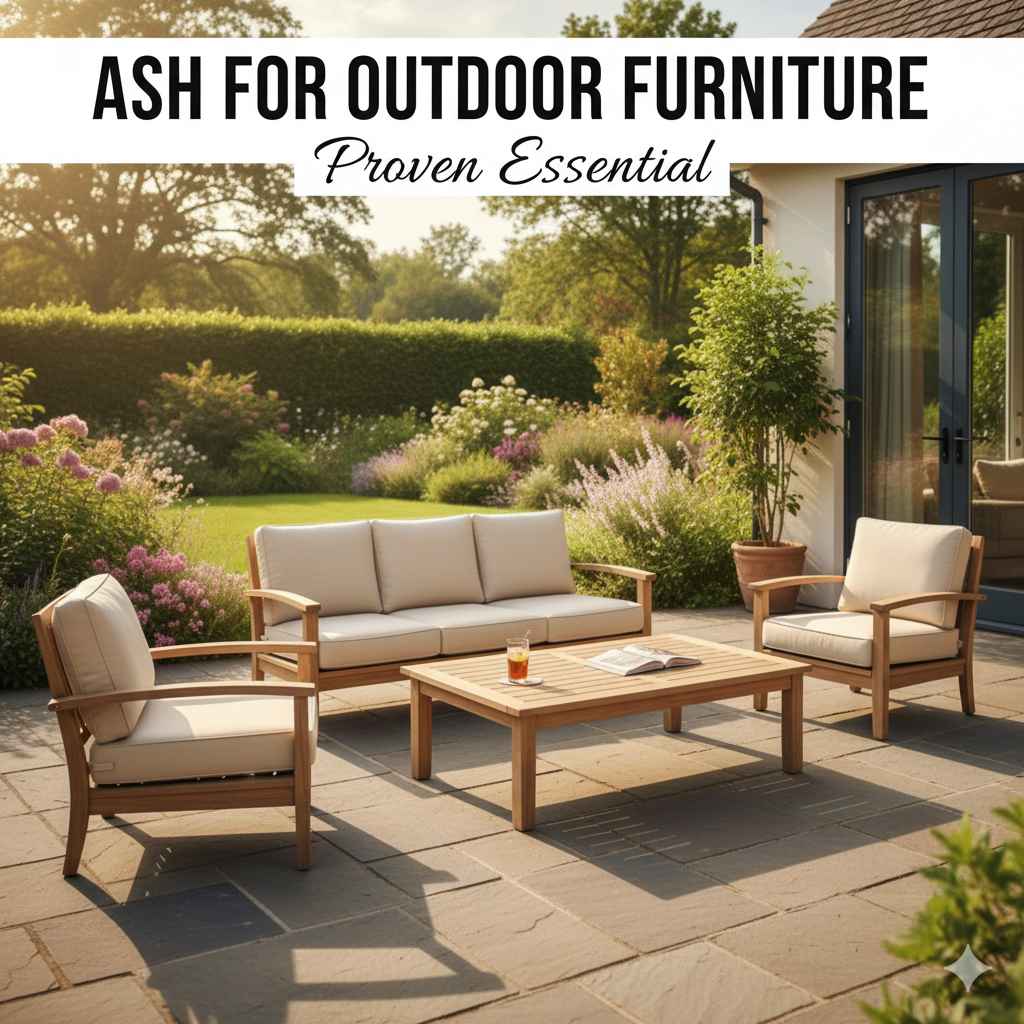
Ash For Outdoor Furniture: Proven Essential
Ash wood is a fantastic, proven choice for outdoor furniture due to its excellent strength, shock resistance, and attractive grain. It holds up well against the elements, making it a durable and beautiful option for your patio, deck, or garden projects. Discover why ash is a standout material for lasting outdoor pieces.
Hey there, fellow DIYers and home enthusiasts! Ever look at your backyard and dream of a beautiful, sturdy set of outdoor furniture that can withstand sunshine, rain, and everything in between? Sometimes, picking the right wood can feel like a big puzzle. You want something tough, something that looks great, and something that won’t break the bank or your spirit trying to work with it. Well, today, we’re going to tackle one of those choices head-on. We’ll explore why a particular type of wood is a real hero for outdoor projects. Stick around, and you’ll soon be feeling confident about selecting the perfect material for your next outdoor furniture creation!
Ash For Outdoor Furniture: Why It’s a Proven Essential
When it comes to selecting materials for outdoor furniture, the choices can seem overwhelming. You’re balancing aesthetics with durability, cost with longevity. It’s a common challenge for many DIYers and homeowners looking to create beautiful and lasting pieces for their patios, decks, and gardens. You want furniture that not only looks good but can also handle the unpredictable nature of outdoor living – the scorching sun, the drenching rain, the occasional frost. It’s about finding a wood that’s tough enough to be reliable year after year.
If you’re searching for a wood that consistently delivers on these fronts, look no further than ash. Ash lumber has a long-standing reputation in woodworking for its incredible strength and resilience, making it a surprisingly perfect contender for outdoor furniture. This isn’t just hearsay; it’s a proven essential for good reason. In this guide, I’ll walk you through exactly why ash is such a reliable and excellent choice for your outdoor projects, what makes it stand out, and how you can confidently use it to build furniture that you and your family will enjoy for ages.
The Unmatched Qualities of Ash for the Outdoors
Ash wood, belonging to the Fraxinus genus, is celebrated for a unique combination of properties that make it exceptionally well-suited for outdoor applications. It’s not the most obvious choice for everyone, but once you understand its strengths, you’ll see why it’s been a go-to for discerning woodworkers and furniture makers for generations. Think about the demands placed on outdoor furniture: it needs to withstand significant wear and tear, resist moisture, and keep its structural integrity under varying temperatures.
Ash excels in these areas thanks to its inherent characteristics. It’s a hardwood, which means it’s generally denser and stronger than softwoods like pine. But it’s not just brute strength; it’s a smart kind of strength. Let’s dive deeper into what makes ash such a standout:
Strength and Durability
One of the most significant advantages of ash is its exceptional strength-to-weight ratio. It’s known for its toughness and resistance to shock. This means that furniture made from ash is less likely to dent, scratch, or break under normal use. For outdoor pieces that might experience things like being bumped by chairs, supporting heavy cushions, or even a playful pet, this inherent resilience is invaluable. This property also makes it a preferred wood for tool handles, sporting goods, and even baseball bats, underscoring its ability to withstand impact.
According to the Purdue University Extension, ash is a hardwood with excellent shock resistance, making it suitable for demanding applications. This inherent toughness translates directly into furniture that can endure the rigors of outdoor life.
Workability and Aesthetics
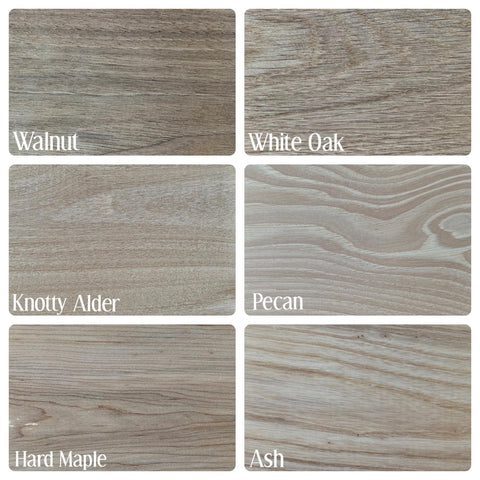
While strength is crucial, it wouldn’t mean much for a DIY project if the wood were impossible to work with. Thankfully, ash is quite cooperative. It’s known for being relatively easy to machine, cut, and shape. Whether you’re using hand tools or power tools, ash responds well, allowing for precise cuts and clean finishes. This makes it a joy for beginners and experienced woodworkers alike, encouraging confidence in your crafting abilities. Visually, ash boasts a beautiful, often straight grain with a medium texture. It can range from creamy white to light brown, and when finished, it can develop a lovely sheen. This attractive grain pattern means your ash furniture will not only be sturdy but also aesthetically pleasing, adding a touch of natural elegance to your outdoor spaces.
Resistance to Pests and Decay
While no wood is completely immune to the elements or pests, ash demonstrates a commendable natural resistance to common issues like rot and insect infestation compared to many other woods. This is a critical factor for outdoor furniture, which is constantly exposed to moisture and potential threats from the environment. While it’s always recommended to apply protective finishes to ash furniture for maximum longevity, its inherent properties give it a head start in resisting decay, meaning your pieces are likely to last longer with less maintenance.
Bending and Shaping Capabilities
Ash has excellent bending properties, especially when steam-bent. This means that if your furniture designs include graceful curves or rounded elements, ash can be manipulated to achieve these shapes without compromising its strength. This allows for more complex and aesthetically refined designs, moving beyond simple straight lines and creating truly unique statement pieces for your garden or patio.
Comparing Ash to Other Popular Outdoor Furniture Woods
To truly appreciate why ash is a proven essential, it’s helpful to see how it stacks up against other woods commonly used for outdoor furniture. Each wood has its pros and cons, and understanding these differences can help you make an informed decision for your specific needs and budget. Let’s look at ash alongside cedar, teak, and pine.
| Wood TypeKey CharacteristicsPros for Outdoor FurnitureCons for Outdoor FurnitureTypical Cost Range (per board foot) | ||||
|---|---|---|---|---|
| Ash | Hardwood, strong, shock-resistant, good bending ability, attractive grain. | Excellent durability, good resilience to wear and tear, easy to work with, beautiful appearance, moderate pest/decay resistance. | Needs good sealing to maximize outdoor life, can be heavier than some woods, availability might fluctuate regionally. | $$ – $$$ |
| Cedar (Western Red) | Softwood, lightweight, aromatic, naturally resistant to rot and insects. | Excellent natural resistance to decay and bugs, lightweight and easy to move, pleasant aroma, beautiful reddish-brown color. | Softer, so more prone to dents and scratches, can be more expensive than pine, longer weathering time to beautiful silver-grey. | $$$ – $$$$ |
| Teak | Hardwood, dense, oily, extremely durable and weather-resistant. | Virtually unmatched resistance to water, rot, and insects; incredibly durable; ages to a beautiful silvery-grey; requires minimal maintenance. | Very expensive, very heavy, can be difficult to work with for beginners, sustainability concerns with some sources. | $$$$$ |
| Pine (Treated) | Softwood, affordable, readily available, treated for preservation. | Very affordable, widely available, treatment adds significant resistance to rot and insects. | Softer wood prone to dents/scratches even when treated, appearance is often less refined, treated wood can have environmental concerns for some. | $ – $$ |
As you can see, ash offers a fantastic middle ground. It provides much of the durability and good looks associated with premium woods like teak, but at a more accessible price point and with better workability for the average DIYer. It’s a step up in durability and workability from softer woods like pine, while still being more practical and affordable than teak. This balance is what makes it a proven essential – it delivers high performance without the excessive cost or difficulty.
Projects Perfect for Ash Outdoor Furniture
The versatility of ash means it’s suitable for a wide range of outdoor furniture projects. Whether you’re a seasoned woodworker or just starting, ash can help you create stunning and functional pieces that will enhance your outdoor living space. Here are a few ideas where ash truly shines:
- Adirondack Chairs: Their iconic slatted design demands strength and stability, qualities ash possesses in abundance.
- Benches and Loveseats: Perfect for entryways, gardens, or alongside a patio, ash ensures these pieces are sturdy and inviting.
- Dining Tables and Chairs: Ash’s attractive grain and durability make it an excellent choice for a robust outdoor dining set that can withstand outdoor meals.
- Outdoor Coffee Tables and Side Tables: These pieces get frequent use and can benefit from ash’s resilience.
- Planter Boxes and Garden Edging: For structures that are in constant contact with soil and moisture, ash’s resistance and strength are a major advantage.
- Pergola Components and Trellises: While larger structures might use other materials, ash can be perfect for decorative or smaller load-bearing elements within an outdoor design.
How to Prepare and Finish Ash for Outdoor Use
While ash is naturally durable, treating it properly is key to maximizing its lifespan and maintaining its beautiful appearance outdoors. Think of it as giving your ash furniture a protective coat, like a raincoat for wood!
1. Selecting the Right Ash Lumber
For outdoor projects, it’s best to select kiln-dried ash. Kiln drying helps to stabilize the wood, reducing the risk of warping or cracking as it dries further in your environment. Look for boards that are straight, free from major defects like large knots or cracks, and have a pleasing grain pattern. If you can, choose wood graded for exterior use or furniture construction.
2. Sanding for a Smooth Finish
Before applying any finish, ensure your ash wood is sanded smooth. Start with a medium grit sandpaper (around 120-grit) to remove any milling marks and then move to a finer grit (180-220 grit) for a silky-smooth surface. Proper sanding is crucial for an even finish and a comfortable feel for your furniture.
3. Choosing Protective Finishes
This is where you give your ash furniture its best defense against the elements. You have a few excellent options:
- Exterior Spar Urethane or Varnish: These are classic choices, designed to withstand UV rays and moisture. They create a durable, clear, or tinted film on the surface. Look for products specifically labeled for marine or outdoor use for the best protection. Apply multiple thin coats, sanding lightly between each coat for optimal adhesion and smoothness.
- Exterior Oil-Based Sealers/Stains: These penetrate the wood, offering protection and enhancing the natural grain. They often provide a more natural, matte look. Reapplication might be needed more frequently than with urethanes, typically annually.
- Exterior Paints: If you prefer a colorful finish or want to completely hide the wood grain, high-quality exterior paint is a great option. Ensure you use a good primer suitable for wood before painting.
A crucial tip from experienced builders: always follow the manufacturer’s instructions for your chosen finish. Pay attention to drying times and application methods.
4. Maintaining Your Ash Furniture
Regular maintenance will ensure your ash outdoor furniture looks great and lasts for years. Even with the best finishes, occasional touch-ups are beneficial.
- Clean regularly: Wipe down your furniture with a damp cloth and mild soap to remove dirt and debris.
- Inspect finishes: Annually inspect your furniture for any signs of wear on the finish (e.g., peeling, cracking, fading).
- Reapply finishes: As needed, reapply your chosen protective coating, especially after heavy sun or rain seasons.
- Consider covers: For areas with extreme weather or during off-seasons, furniture covers can provide an extra layer of protection and reduce the need for frequent refinishing.
Safety First: Working with Ash and Outdoor Projects
As a mentor, safety is always my top priority when we talk about woodworking. Ash is a pleasure to work with, but like any material, it requires respect and safe practices. Here’s what you need to keep in mind:
- Personal Protective Equipment (PPE): Always wear safety glasses to protect your eyes from sawdust and flying debris. Use hearing protection when operating loud power tools like saws or routers. A dust mask is essential to prevent inhaling fine wood dust, which can irritate your lungs.
- Tool Safety: Ensure your tools are sharp and in good working order. When using power tools, always read the manufacturer’s manual. Keep your work area clean and free of clutter. Never force a tool; let it do the work.
- Wood Dust: Ash dust, like most wood dust, can be an irritant. Ensure good ventilation in your workshop or work area. Consider a dust collection system if you’re doing a lot of work with ash. The Occupational Safety and Health Administration (OSHA) provides guidelines on managing wood dust hazards.
- Finishing Products: When applying finishes, ensure good ventilation. Read the safety data sheets (SDS) for any finishing products you use, especially regarding flammability and health hazards.
By following these safety guidelines, you can ensure a rewarding and injury-free woodworking experience as you build your beautiful ash outdoor furniture.
Frequently Asked Questions About Ash for Outdoor Furniture
Q1: Is ash wood suitable for outdoor furniture that is left exposed to the elements year-round?
A1: Ash is a very strong and durable hardwood that can perform well outdoors, especially when properly sealed and finished. However, for maximum longevity and to keep it looking its best, it’s recommended to protect it with a good quality exterior finish and consider using furniture covers during harsh weather or prolonged periods of non-use. While it’s tougher than many woods, constant, unmanaged exposure will eventually take a toll.
Q2: How does ash compare to teak for outdoor furniture in terms of durability and cost?
A2: Teak is generally considered the gold standard for outdoor furniture due to its extreme natural oil content, making it exceptionally resistant to water, rot, and insects with minimal finishing required. However, teak is significantly more expensive than ash. Ash offers excellent durability and a beautiful appearance at a more accessible price point, making it a very popular and practical choice. Ash requires more diligent finishing and maintenance than teak.
Q3: Can I use ash for outdoor furniture if I live in a rainy or humid climate?
A3: Yes, ash can be used in rainy or humid climates, but proper finishing is crucial. Multiple coats of a high-quality exterior spar urethane, marine varnish, or a robust exterior paint will provide the necessary barrier against moisture absorption. Regular inspection and reapplication of the finish will be important in these conditions to prevent moisture-related issues over time.
Q4: What is the best finish for ash outdoor furniture?
A4: For the best protection, exterior spar urethane or marine-grade varnishes are top choices. These offer excellent UV resistance and a durable waterproof barrier. Exterior oil-based stains can also work well if you prefer a more natural look but may require more frequent reapplication. Ensure the finish is specifically designed for outdoor use.
Q5: Is ash wood heavier and harder to work with than pine for outdoor projects?
A5: Ash is a hardwood, so it is generally denser and heavier than softwood like pine. It is also harder, meaning it can dull tools faster. However, ash is still considered quite workable and machines well. While pine might be easier for absolute beginners due to its softness, ash’s superior strength and durability make it a worthwhile consideration for projects where longevity is a key factor.
Q6: How often should I refinish ash outdoor furniture?
A6: The frequency of refinishing depends on the climate, the type of finish used, and the amount of direct sun and moisture exposure. Typically, you should inspect your ash furniture annually. You may need to reapply an oil-based finish every year or two, while a well-applied spar urethane might last 3-5 years or more before needing a refresh. Light sanding and a new coat are often sufficient.
Conclusion: Build with Confidence Using Ash
As we’ve explored, ash wood is far more than just another timber option; it’s a proven essential for anyone looking to craft durable, beautiful, and functional outdoor furniture. Its impressive strength, shock resistance, appealing grain, and good workability make it an outstanding material. Whether you’re building a simple bench, a set of Adirondack chairs, or an outdoor dining table, ash provides a reliable foundation that will stand up to the rigors of outdoor living while looking great.
Remember, with proper preparation, careful finishing, and consistent maintenance, your ash outdoor furniture will not only serve your needs for years to come but also become a cherished part of your home’s landscape.