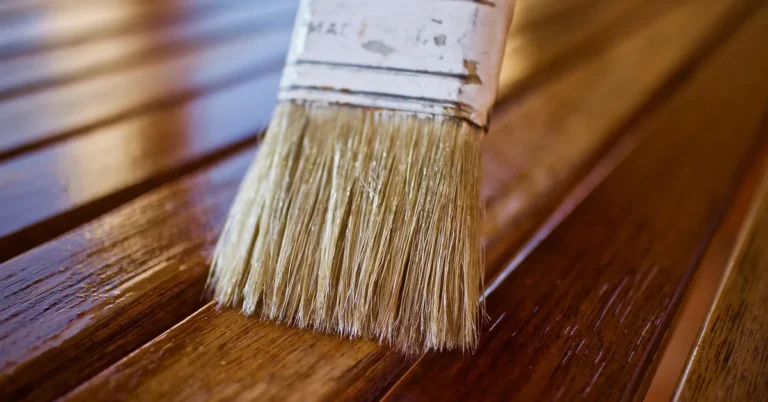
How Long Does Spar Urethane Take to Dry? Recoat & Cure Times
Spar urethane is typically dry to the touch in about 24 hours, ready for a recoat in roughly the same window, and fully cured – its hardest, most durable state – only after about a week to a month depending on humidity and temperature. That’s noticeably slower than a typical fast-drying indoor polyurethane, and it’s not a flaw in the product. It’s a deliberate tradeoff, and understanding why changes how you should plan a finishing project.
Spar urethane traces its roots to marine varnish, developed to protect wooden boat spars (the masts and booms exposed to constant sun, salt spray, and flexing). That heritage is why it’s still the go-to finish for outdoor furniture, entry doors, and deck rails today: it’s built to move with wood, not just sit on top of it.
Quick Answer: Spar Urethane Drying and Curing Times
Before the timeline breakdown, here’s the product most of our readers land on this page looking for – a well-reviewed, genuinely spar-formulated urethane rather than a generic indoor poly relabeled for outdoor use.
Best For Outdoor Wood Protection
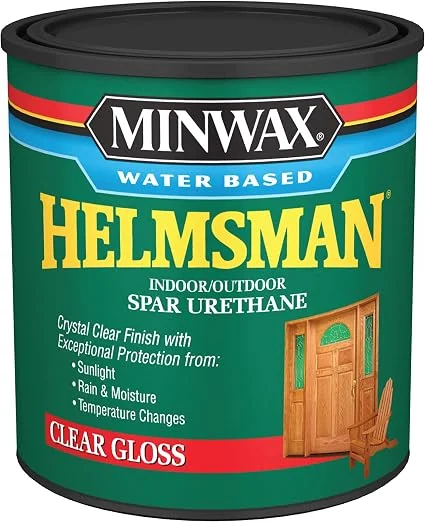 |
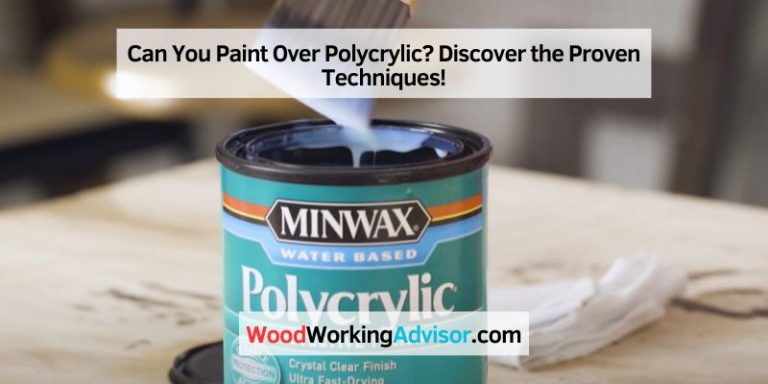
Minwax Helmsman Water Based Spar Urethane, Quart, Gloss A true spar formula (not a relabeled indoor poly) for the doors, rails, and outdoor furniture this article covers – recoats faster than the oil-based version while keeping the same flexible, UV-resistant film.
|
Why Spar Urethane Dries Slower Than Indoor Polyurethane (It’s Not a Defect)
This is the part most drying-time articles skip, and it’s the actual answer to “why is this taking so long”: spar urethane is formulated to stay more flexible and rubbery than a rigid interior-grade polyurethane, even after it’s fully cured. Wood installed outdoors swells and shrinks constantly as humidity and temperature swing through the day and across seasons. A hard, brittle film – the kind a fast-drying indoor poly forms – would crack and flake as the wood underneath keeps moving. Spar urethane’s resins are chosen specifically to flex along with that movement instead of fighting it.
That flexibility is also why it cures slowly. A rigid film can cross-link (the chemical process that hardens a finish) quickly and be done. A film engineered to stay pliable can’t fully harden that fast without losing the elasticity it needs – so manufacturers formulate it to cross-link more gradually, trading speed for the durability that actually matters outdoors. An indoor poly that dries to full hardness in a day is optimized for a stable environment where flexibility isn’t the priority; spar urethane is optimized for the opposite conditions, and the slower cure is the mechanism, not a side effect of it.
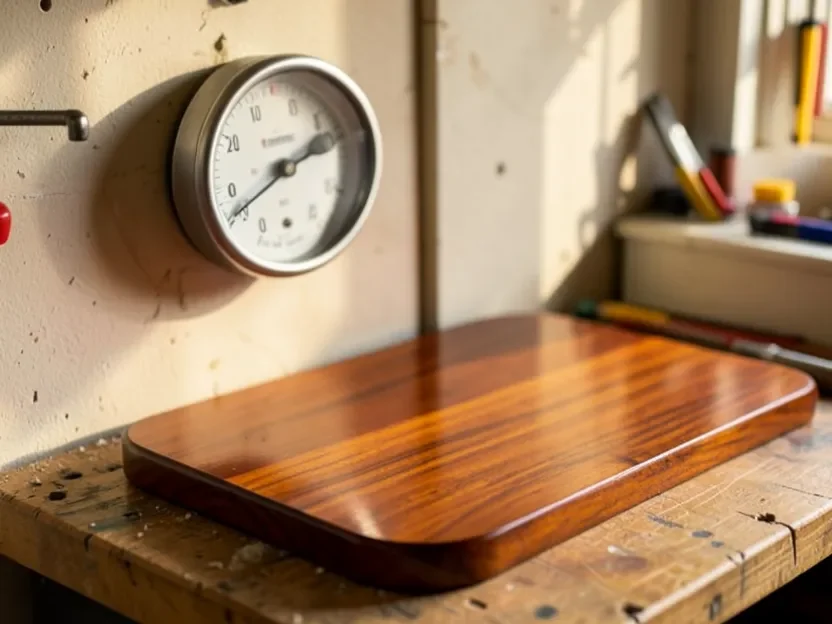
Stage-by-Stage Drying Timeline
Manufacturer labels vary by formula, so treat these as typical ranges rather than a guarantee for a specific can – but they hold up across most oil-based and water-based spar urethanes on the market:
- Dry to the touch: Around 24 hours for oil-based spar urethane; water-based formulas are often touch-dry in as little as 1-2 hours because the carrier is water, not solvent.
- Safe to recoat: Oil-based labels commonly call for a full 24 hours between coats. Water-based Helmsman-style products typically allow recoating in about 2 hours, which is why they’re the faster option for a multi-coat project.
- Light handling / foot traffic: Most manufacturers say wait at least 24-48 hours after the final coat before handling the piece normally.
- Full cure: This is the stage people underestimate. Full hardness and chemical cross-linking commonly take anywhere from one week to about 30 days, depending on humidity, temperature, and coat thickness. Avoid stacking anything on a horizontal surface (a tabletop, a bench seat) until you’re well into that window, even though it already feels dry.
A quick way to picture the gap: two coats of a fast indoor polyurethane on an interior bookshelf might be ready for books in a day or two. The same two coats of spar urethane on an outdoor bench should sit untouched for a week or more before you trust it with real weight or weather.
What Actually Affects Drying Time in the Real World
Humidity slows everything down because both oil- and water-based finishes rely on evaporation and cross-linking that happens faster in dry air. On a muggy day, double the label’s stated recoat window as a rough rule of thumb.
Temperature matters almost as much. Most labels assume a 70°F room. Applying spar urethane below 50°F can stall the cure for days, which is a common reason people assume a finish “isn’t working” when it’s simply too cold to cross-link normally.
Coat thickness is the variable most DIYers get wrong, and it’s the single biggest cause of “it’s still tacky after two days.” A heavy coat doesn’t just take longer to dry on the surface – the top skins over while the urethane underneath is still wet, trapping solvent or water and stalling the whole cure. Two thin coats will always beat one thick one, both for drying speed and for final durability.
Oil-based vs. water-based is the biggest lever you actually control. If you want to more closely match indoor-poly recoat speed without giving up the flexible, UV-resistant film that outdoor wood needs, a water-based spar urethane is the compromise – which is why it’s the pick above rather than the slower-drying traditional oil-based version.
How to Test If It’s Actually Dry (Don’t Just Guess)
The touch test is the simplest check: lightly touch an inconspicuous spot with a clean, dry finger. If it feels tacky or leaves a print, it needs more time. This only confirms surface dryness, though – not full cure.
The water droplet test tells you more about how far along the cure actually is. Place a small drop of water on the surface. If it beads up and sits on top, the film has cured enough to resist moisture. If it soaks in or leaves a dull spot, the finish needs more time before it’s exposed to rain or dew.
A pinless moisture meter is the most reliable option if you’re finishing something that matters – a boat part or an expensive outdoor piece. A moisture reading that keeps dropping toward the surrounding wood’s baseline over successive days is a much better cure indicator than touch alone, since it reflects what’s happening inside the film, not just at the surface.
Common Mistakes That Stretch Out Drying Time
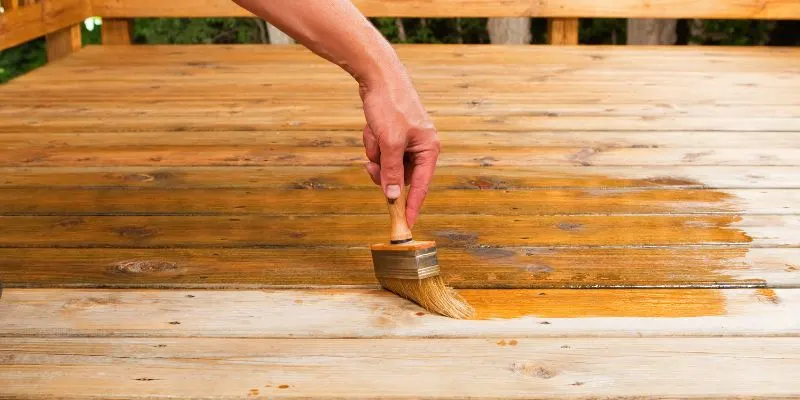
Applying too heavy a coat “to save time” almost always backfires – it takes longer to dry than two thin coats combined, and it’s more likely to stay slightly soft or tacky in the center of the film for weeks. Recoating too early is the second big one: if the previous coat isn’t fully touch-dry, the new coat can lift or wrinkle it, and you’ll end up sanding back to bare wood and starting over. And skipping the full-cure window before hard use – sitting furniture out in the rain, stacking cushions on a bench – is how an otherwise good finish job ends up looking cloudy or scuffed within the first month. If you’re still working out brush technique or coat count, this walkthrough on applying Helmsman spar urethane covers the application side in more detail than we can here.
If you’re deciding between spar urethane and a straight polyurethane for a piece that splits time indoors and outdoors, this comparison of spar urethane vs. polyurethane for a table top walks through which one actually fits that use case, and it gets into the same flexibility tradeoff from the other direction.
Troubleshooting Drying Problems
Still tacky after 48+ hours? Check the coat thickness first – an overly heavy application is the most common cause. Improve airflow with a fan (not direct heat, which can skin over the surface while the film underneath stays wet) and give it more time before touching it again.
Cloudy or “blushing” finish? This is usually trapped moisture, common when humidity was high during application or the first hours of drying. A gentle, indirect heat source (a hair dryer on low, held well back) can sometimes help it clear as it finishes curing; if it doesn’t, a light scuff-sand and a thin final coat in drier conditions usually fixes it.
Peeling? This traces back to surface prep almost every time – either the wood wasn’t sanded enough to give the finish something to grip, or a coat went on over dust, old wax, or a surface that wasn’t fully dry. Sand back to sound material, clean thoroughly, and let each new coat cure fully before judging adhesion.
Frequently Asked Questions
How Long Does Spar Urethane Take To Dry To The Touch?
Typically about 24 hours for oil-based spar urethane, and often just 1-2 hours for water-based formulas. Humidity, temperature, and coat thickness can all extend that window significantly, so always check your specific product’s label rather than assuming a universal number.
How Long Should I Wait Before Applying A Second Coat?
Wait at least 24 hours between coats of oil-based spar urethane, or around 2 hours for most water-based versions. Lightly sand between coats once the previous layer is fully touch-dry – this improves adhesion and levels out brush marks.
How Long Does Spar Urethane Take To Fully Cure?
Full cure – the point where the finish reaches its maximum hardness and durability – commonly takes anywhere from about a week to 30 days, depending on humidity, temperature, and how thick the coats were applied. This is intentionally slower than a typical indoor polyurethane because spar urethane is formulated to stay more flexible, which lets it move with outdoor wood instead of cracking.
Is Spar Urethane Waterproof Once Dry?
Yes – once cured, spar urethane forms a water-resistant, UV-resistant film designed for continuous outdoor exposure, which is why it’s the standard choice for boats, entry doors, and outdoor furniture. “Dry to the touch” isn’t the same as fully cured, though, so avoid heavy rain exposure or submersion until the full-cure window has passed.
Conclusion
The short version: spar urethane dries to the touch in about a day, can usually be recoated within that same window (faster for water-based formulas), and needs a week to a month to fully cure depending on your conditions. That slower cure isn’t a downside to work around – it’s the same flexible chemistry that lets the finish survive outdoor wood movement for years instead of cracking after one season. Apply thin coats, respect the full-cure window before hard use, and pick a water-based formula like the one above if faster recoating matters more to your timeline than the marginally harder film an oil-based version leaves behind.
Sponsored / affiliate links. As an Amazon Associate I earn from qualifying purchases. I may earn additional commission from eligible campaigns.