Ash vs Oak: Proven Guide
Ash vs. Oak: This guide simplifies choosing between ash and oak wood for your woodworking projects. Learn their key differences, pros, cons, and which is best for your needs by understanding their properties, workability, and aesthetics.
Choosing the right wood for your woodworking project can feel like a puzzle, especially when you’re just starting out. Two popular choices that often come up are ash and oak. They look a bit similar, and both are fantastic hardwoods, but they have distinct personalities that make them better suited for different tasks. It’s easy to get confused! Don’t worry, though. By the end of this guide, you’ll have a clear understanding of ash versus oak, helping you pick the perfect wood for your next creation with confidence.
We’ll break down everything you need to know, from how they handle tools to how they’ll look in your home. Let’s dive in and make choosing your wood a breeze!
Understanding the Basics: What Are Ash and Oak?
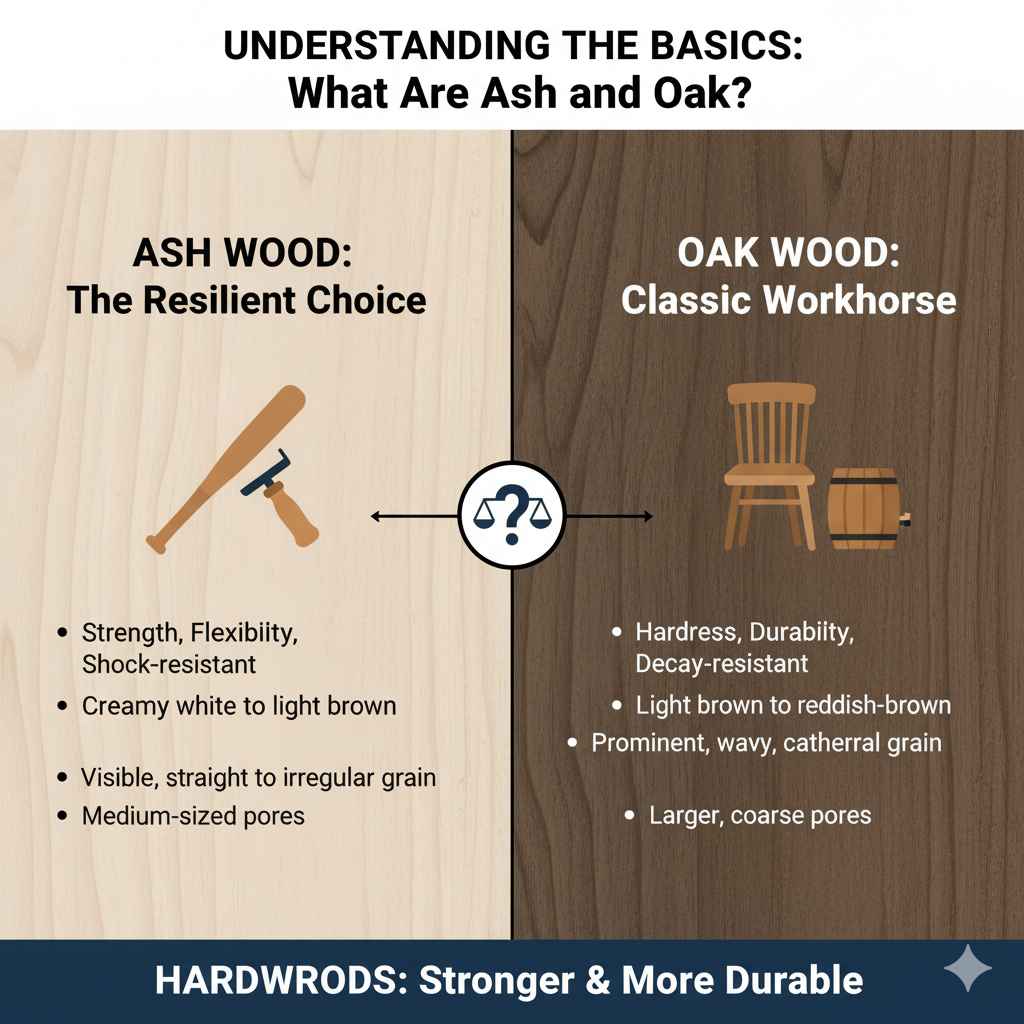
Both ash and oak are hardwoods, meaning they come from deciduous trees that lose their leaves annually. This generally makes them stronger and more durable than softwoods, which come from evergreen trees. However, the similarities between ash and oak often end there. They come from different tree families and possess unique characteristics that influence their appearance, strength, and how easy they are to work with.
Ash Wood: The Resilient Choice
Ash wood is known for its strength, flexibility, and shock resistance. This makes it a favorite for items that need to withstand a lot of use and potential impact. Think baseball bats, tool handles, and even certain types of furniture that might take a beating. It has a creamy white to light brown color with a visible grain pattern that can range from straight to irregular. The pores in ash are typically medium-sized, giving it a texture that’s quite distinct from oak.
Oak Wood: The Classic Workhorse
Oak is arguably one of the most iconic hardwoods used in furniture and construction. It’s renowned for its hardness, durability, and distinctive grain. Oak typically has a light brown to reddish-brown color and a prominent, often wavy or cathedral-like grain pattern, especially in quarter sawn cuts. Its larger pores give it a coarser texture than ash, and it’s known for its excellent resistance to decay, making it a great choice for outdoor projects and sturdy indoor pieces.
Ash vs. Oak: Key Differences Explored
When you look at ash and oak side-by-side, you’ll notice differences in their looks and feel. These aren’t just surface-level; they affect how the wood performs in your workshop and how it holds up over time. Understanding these subtle, yet important, distinctions is key to making the right selection for your project.
Appearance and Grain Pattern
The visual appeal of wood plays a huge role in woodworking, especially for furniture. Ash often boasts a whitish to light brown hue with a straighter, more uniform grain compared to oak. This can give it a cleaner, more modern look. Oak, on the other hand, typically presents with a more varied color palette, from pale tan to rich brown, and its grain is usually more pronounced, sometimes featuring beautiful, flame-like or “cathedral” patterns, particularly when cut in specific ways. This distinct grain is a hallmark of oak and is highly sought after for traditional and rustic designs.
A great resource for understanding wood grain and its impact on appearance is the Woodworking Network’s guide to wood grain, which explains how different cuts reveal unique patterns.
Here’s a quick look at their visual traits:
| Feature | Ash | Oak |
|---|---|---|
| Color | Creamy white to light brown | Light to dark brown, sometimes with reddish tones |
| Grain Pattern | Generally straight, uniform; can be irregular | Prominent, often wavy, cathedral-like; can be straight |
| Texture | Medium to coarse, relatively smooth | Coarse, porous |
Strength and Durability
Both ash and oak are considered strong hardwoods, but they excel in different areas of strength. Ash is particularly celebrated for its excellent shock resistance and flexibility. This means it can absorb impact without breaking or splintering easily, making it ideal for tool handles, sports equipment, and anything that might be bumped around. Oak, while also very hard and durable, is generally denser and heavier. It boasts superior resistance to wear and compression, making it excellent for flooring, heavy-duty furniture, and structural elements. Oak also generally has better resistance to rot and insects than ash.
Workability
How easy is it to cut, shape, and finish the wood? This is crucial for beginners. Ash is often considered easier to work with than oak. Its straighter grain and less dense structure mean it cuts cleanly with both hand tools and power tools. It also takes stains and finishes well, allowing for a wide range of aesthetic possibilities. Oak, being harder and denser with a more prominent grain, can be a bit more challenging. It’s more prone to tear-out when cutting, especially against the grain, and requires sharp tools to work effectively. However, its density means it sands to a very smooth finish, and its open pores are excellent for holding stains, leading to rich, deep colors.
The U.S. Department of Agriculture (USDA) Forest Products Laboratory provides comprehensive data on wood properties, which is a fantastic, authoritative resource. You can find detailed information on a variety of wood species, including ash and oak, in their publications, such as the Wood Handbook.
Cost and Availability
Generally, ash and oak are readily available in most parts of North America and Europe, though prices can fluctuate based on demand, lumber grades, and regional availability. Historically, oak has often been more abundant and sometimes slightly more affordable than ash, especially for common red and white oak species. However, this can vary greatly. For instance, specific grades or less common ash varieties might be pricier. As a beginner, checking with your local lumberyard or reputable online wood suppliers is the best way to gauge current pricing and availability in your area.
The Pros and Cons: Ash vs. Oak
To make the decision even clearer, let’s summarize the advantages and disadvantages of each wood. Think of these as your cheat sheet when you’re standing in front of lumber racks or browsing online.
Ash Wood: The Good and The Not-So-Good
Ash is a fantastic material for many projects, but it’s helpful to know its strong suits and where it might fall short compared to other options.
Pros of Ash:
- Excellent Strength-to-Weight Ratio: Strong without being excessively heavy.
- High Shock Resistance: Great for items that need to absorb impact.
- Good Flexibility: Can be bent and shaped, useful for curved designs.
- Works Well: Generally easy to cut, shape, and join.
- Attractive Grain: Offers a clean, often straight, and pleasing visual.
- Takes Finishes Well: Accepts stains and coatings for diverse looks.
Cons of Ash:
- Susceptible to Ash Yellow Decline: A disease can affect some ash species, impacting availability and health.
- Not Ideal for Outdoor Use: Less resistant to rot and insects compared to oak.
- Can Be Prone to Warp: If not properly dried and handled, it can warp.
Oak Wood: The Strengths and Weaknesses
Oak is a staple in the woodworking world for good reason, but it has its own set of considerations.
Pros of Oak:
- Exceptional Hardness and Durability: Very resistant to dents and wear.
- Excellent Rot and Insect Resistance: Particularly white oak, making it suitable for outdoor furniture and boat building.
- Distinctive and Beautiful Grain: Highly prized for its characteristic patterns.
- Takes Stain Beautifully: The coarse pores hold stain for deep, rich colors.
- Readily Available: Common species are usually easy to find.
Cons of Oak:
- Heavy: Its density makes it heavier than ash.
- Can Be Difficult to Work: Harder to cut and shape, requires sharp tools.
- Prone to Splintering: Can splinter if not worked with care, especially against the grain.
- Can Be More Expensive: Depending on species and grade.
Choosing the Right Wood for Your Project: Practical Scenarios
Now that we’ve broken down the properties, let’s apply this knowledge to real-world woodworking projects. Knowing what you want to build is the first step, and matching the wood’s characteristics to the project’s demands is the second. Here are some common scenarios where ash and oak might be your go-to choices.
Scenario 1: Building a Sturdy Dining Table
For a dining table, durability and appearance are key. You want a surface that can withstand daily use, potential spills, and maybe even kids’ activities. Both ash and oak can be excellent choices here, but they offer different aesthetics and workability.
- Oak: Its hardness makes it incredibly resistant to scratches and dents, perfect for a high-traffic table. The prominent grain of oak can add a beautiful, classic look to a dining room. White oak, in particular, offers good resistance to moisture.
- Ash: If you prefer a lighter, more modern or minimalist look, ash might be your better bet. Its grain is less demanding visually, and it’s still quite durable for everyday use. Its slightly lighter weight can also be a plus for larger tables.
Scenario 2: Creating Tool Handles or Toolboxes
This is where ash often shines. Tools and toolboxes are designed to be used, moved, and sometimes dropped. They need materials that can take a beating.
- Ash: Its superior shock resistance and flexibility make it the traditional choice for tool handles (like hammers, axes, and shovels). It can absorb the vibration and impact of heavy use without easily breaking. For toolboxes, its strength and ease of working make it a good option for constructing durable boxes that can withstand being carried around.
- Oak: While very strong, oak’s hardness and density might make it overkill and heavier than necessary for something like a hammer handle. For a toolbox, it would certainly be durable, but ash often provides a better balance of strength, weight, and shock absorption for this application.
Scenario 3: Crafting Outdoor Furniture or Decking
Projects that live outdoors face the elements – sun, rain, and pests. This requires wood with natural resistance to decay and moisture.
- Oak: White oak is exceptionally rot-resistant and durable, making it one of the best hardwood choices for outdoor furniture, decking, and boat building. It holds up well against moisture and insects. Red oak, while hard, is less resistant to decay and is generally not recommended for outdoor projects unless heavily treated.
- Ash: Ash wood is generally not recommended for direct outdoor use. It’s more susceptible to rot and insect damage compared to white oak. If you wanted to use ash for an outdoor piece, you would need to use a very robust, frequently reapplied protective finish.
Scenario 4: Making a Bed Frame
A bed frame needs to be strong and stable but doesn’t face the same kind of impact as a tool handle or the constant moisture of outdoor furniture.
- Ash: Ash could be a great choice for a bed frame, offering good strength and a lighter weight than oak. Its clean appearance would fit well in a bedroom. It’s sturdy enough to support a mattress and occupants without issue.
- Oak: Oak is also an excellent choice for bed frames, providing immense strength and a substantial feel. Its durability means it will last for generations. If you prefer a heavier, more robust look and feel for your bed, oak is a fantastic option.
Working with Ash and Oak: Tips for Beginners
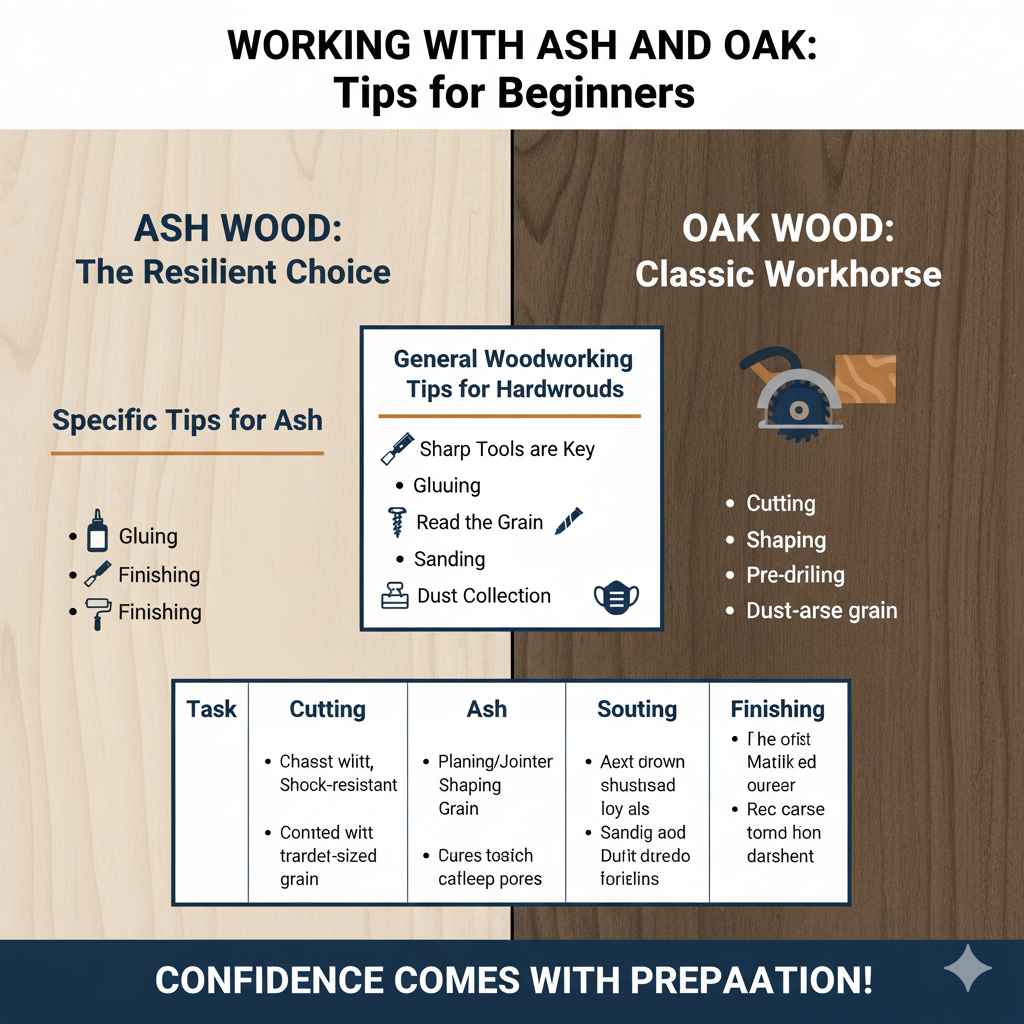
Whether you choose ash or oak, approaching them with a few key tips will make your woodworking experience smoother and more rewarding. Remember, confidence comes with preparation and understanding!
General Woodworking Tips for Hardwoods:
- Sharp Tools are Key: This cannot be stressed enough! Sharp blades and bits make cleaner cuts, reduce tear-out, and require less effort, especially with dense woods like oak. A dull tool is dangerous and frustrating.
- Read the Grain: Always pay attention to the direction of the wood grain. Cutting or routing against the grain is a common cause of tear-out and splintering.
- Pre-drilling: For screws, always pre-drill pilot holes to prevent the wood from splitting, especially near the ends of boards. This is crucial for both ash and oak.
- Sanding: Start with a coarser grit sandpaper (like 80 or 100) and gradually move to finer grits (up to 220 or higher) for a smooth finish. For oak’s open pores, you might use a sanding sealer after the initial sanding but before your final coats to achieve a smoother surface.
- Dust Collection: Hardwood dust can be fine and irritating. Ensure you have adequate dust collection or wear a good quality dust mask. The Occupational Safety and Health Administration (OSHA) offers guidelines on respiratory protection.
Specific Tips for Ash:
- Gluing: Ash glues up well, but ensure surfaces are perfectly flat and clean for strong joints.
- Finishing: Ash takes stains evenly. If you want a very smooth, non-porous finish, you might consider a pore filler or a sanding sealer.
Specific Tips for Oak:
- Cutting: When cross-cutting oak, consider using a backing board to support the wood fibers and minimize splintering on the exit side.
- Shaping: For routing or shaping oak, take shallower passes rather than trying to remove a lot of material at once.
- Finishing: Oak’s open pores are beautiful for stain. You can achieve a very smooth finish by sanding thoroughly. For a very flat, modern look, you might fill the pores with a wood filler that can be sanded smooth, or use multiple coats of a coating like polyurethane to build up a smooth surface.
Here’s a little table to help you remember some of the tool considerations:
| Task | Ash | Oak | Recommendation |
|---|---|---|---|
| Cutting (Tablesaw/Miter Saw) | Clean cuts with sharp blade | Requires sharp blade, backing board can help | Use a high-tooth-count blade for hardwoods. Ensure blades are sharp! |
| Planing/Jointer | Smooth operation | Can be harder on blades, sharp tools essential | Maintain planer knives and jointer blades diligently. |
| Routing/Shaping | Handles well | Slower passes recommended, sharper bits | Use good quality router bits. Take multiple passes for deep profiles. |
| Sanding | Smoothes easily | Requires thorough sanding, pore filler optional for very smooth finish | Progress through grits systematically. |
Frequently Asked Questions (FAQ)
Here are some commonly asked questions about choosing between ash and oak for your DIY projects.
Q1: Which wood is harder, ash or oak?
Oak is generally harder and denser than ash. Both are considered hardwoods, but oak typically scores higher on hardness scales like the Janka hardness test, making it more resistant to dents and wear.
Q2: Is ash or oak better for furniture?
Both are excellent for furniture! Oak is favored for its supreme durability and classic look, especially for dining tables and heavy pieces. Ash is a great choice if you prefer a lighter, more modern aesthetic and need good strength without excessive weight. Ash’s flexibility also makes it suitable for curved furniture elements.
Q3: Can I use ash or oak for outdoor projects?
White oak is highly recommended for outdoor projects due to its excellent resistance to rot and insects. Ash wood is generally not suitable for outdoor use because it is much more susceptible to decay and pests, unless it is very well protected and maintained.
Q4: Which wood is easier for a beginner to work with?
Ash is generally considered easier for beginners to work with. It cuts more cleanly, has a less demanding grain to work around, and is less likely to cause tear-out compared to the harder, denser oak.