Ash Wood: Is It a Hardwood? Janka Hardness, Species & Uses
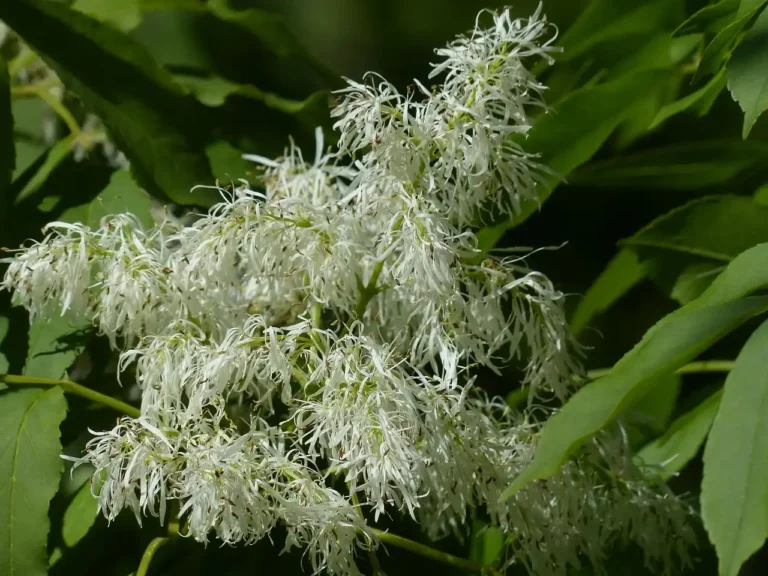
Ash wood is a hardwood from the Fraxinus genus, and white ash rates 1,320 lbf on the Janka scale, harder than red oak (1,220 lbf). But "ash" covers several species, and black ash is only 850 lbf. This guide compares the four main ash species, explains what "hardwood" really means, and covers uses, rot resistance and the emerald ash borer.
Ash Wood at a Glance: Is It a Hardwood?
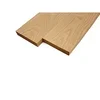 |
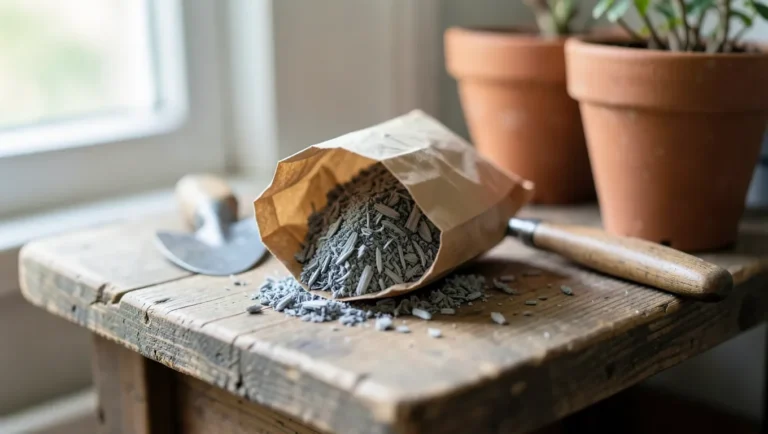
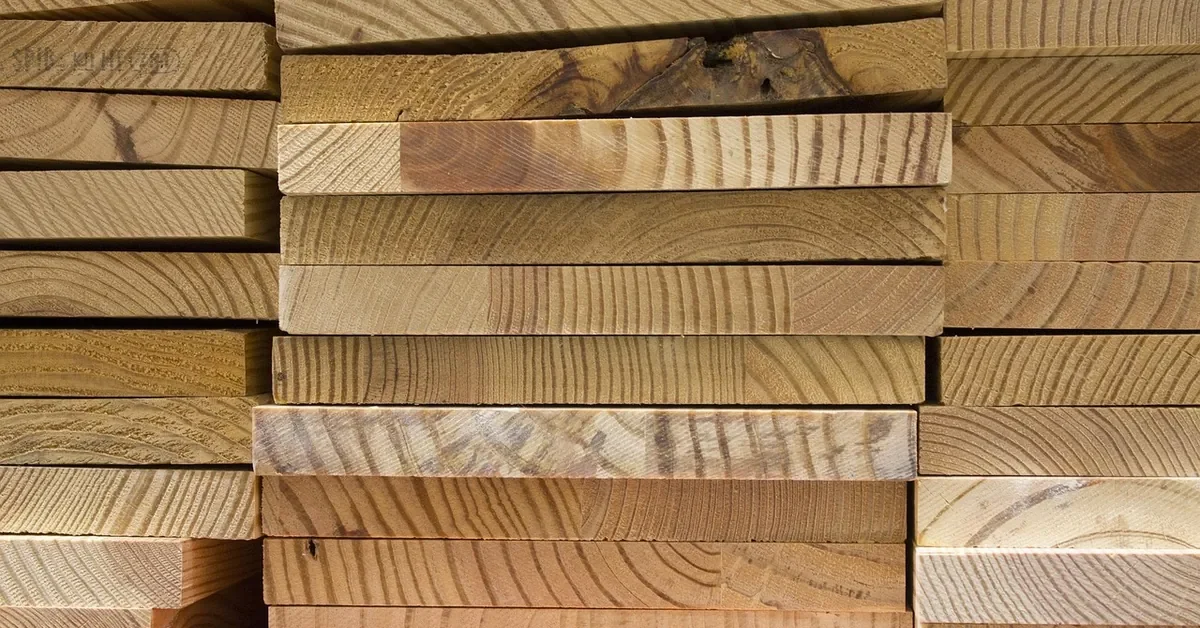
Best Ash Boards to Test First Barrington Hardwoods White Ash Lumber Board, 3/4″ x 4″ x 48″ (2 Pieces), $49.75 Kiln-dried white ash, the species behind the 1,320 lbf Janka figure in the table below, sanded to 3/4 in thick. A cheap way to check how ash glues, stains and planes before you order a full run.
|
As an Amazon Associate we earn from qualifying purchases.
Yes, ash is a hardwood. The label is botanical: hardwoods come from broad-leaved trees, softwoods from conifers. Ash has a straight, open grain that stains, glues and finishes well, which is why it shows up in flooring, furniture, tool handles and baseball bats. Here is how the four main ash species compare.
| Ash species | Janka hardness | Dried weight | Notable trait |
|---|---|---|---|
| White ash | 1,320 lbf | 42 lbs/ft³ | The benchmark for flooring, bats and millwork |
| Blue ash | 1,290 lbf | 40 lbs/ft³ | Slightly less dense than white ash, oak-like texture |
| Green ash | 1,200 lbf | 40 lbs/ft³ | Heavily used for shovel and hammer handles |
| Black ash | 850 lbf | 34 lbs/ft³ | Softest and lightest; used for basket weaving strips |
Source for all four rows: the Wood Database species pages. The gap between white and black ash is 470 lbf, so a white ash board is roughly 55% harder than a black ash one. If a listing just says "ash," ask which species. For more on the two most common, see black ash vs white ash.
What Does "Hardwood" Actually Mean? (The Myth Most Guides Skip)
Hardwood and softwood describe a tree’s botany, not how hard the lumber is. Balsa is a hardwood, yet it measures just 67 lbf. Douglas-fir is a softwood that comes in at 620 lbf. The label tells you the tree is broad-leaved. It does not tell you the board resists dents.
| Wood | Type | Janka hardness | Dried weight |
|---|---|---|---|
| Balsa | Hardwood | 67 lbf | 9 lbs/ft³ |
| Eastern white pine | Softwood | 380 lbf | 25 lbs/ft³ |
| Douglas-fir | Softwood | 620 lbf | 32 lbs/ft³ |
| Black ash | Hardwood | 850 lbf | 34 lbs/ft³ |
| Red oak | Hardwood | 1,220 lbf | 43.8 lbs/ft³ |
| White ash | Hardwood | 1,320 lbf | 42 lbs/ft³ |
| White oak | Hardwood | 1,350 lbf | 47 lbs/ft³ |
| Hard maple | Hardwood | 1,450 lbf | 44 lbs/ft³ |
Two takeaways from the numbers. White ash sits between red oak and white oak in hardness, but it is lighter than both, which is why it suits things you swing or carry. And a hardwood like black ash is not dramatically harder than the toughest softwoods: 850 lbf versus 620 lbf for Douglas-fir.
Ash Wood Properties: Grain, Strength and Rot Resistance
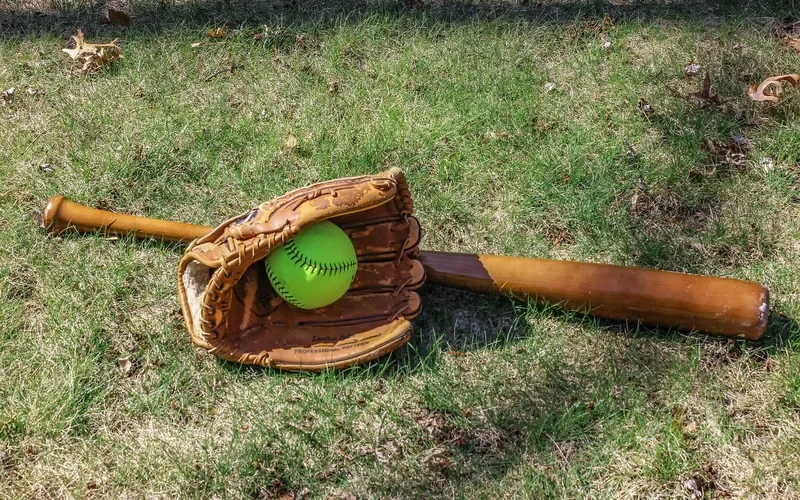
Ash has a straight grain and a medium-to-coarse texture similar to oak. It is known for shock resistance, meaning it absorbs impacts without snapping. That is why it became a standard wood for bats and tool handles.
- Workability: good results with hand or machine tools, and it steam bends well. It glues, stains and finishes well.
- Strength: white ash has a modulus of rupture of 15,000 lbf/in² (about 103 MPa).
- Rot resistance: poor. The heartwood is rated perishable or only slightly durable against decay, and ash is not resistant to insect attack.
That last point corrects a common claim that ash is "naturally water resistant." Ash is fine indoors, but keep it off the ground and out of the weather unless it is thoroughly sealed. Our guide to ash wood for exterior use covers what does and does not work outdoors.
What Is Ash Wood Used For?
- Tool handles: green ash in particular is one of the most commonly used hardwoods for shovel and hammer handles in North America.
- Baseball bats: ash species have long been used for bats because the wood is light and shock resistant.
- Flooring and millwork: hard enough for floors, with a light tone that suits modern interiors.
- Furniture and cabinets: easy to machine, glue and stain.
- Baskets: black ash is peeled into strips for traditional basket weaving.
- Turned objects and boxes or crates: listed uses for white ash on the Wood Database.
If you are shopping for boards, our ash wood lumber buying guide covers grades and sizes.
Ash vs Oak vs Maple: Which Wood Fits Your Project?
Ash is usually compared with oak and maple because all three are common North American hardwoods. Using the Wood Database figures above, white ash is about 8% harder than red oak, about 2% softer than white oak, and about 9% softer than hard maple. It is also lighter than all three: roughly 4% lighter than red oak, 11% lighter than white oak and 5% lighter than hard maple.
| If you need… | Best pick | Why |
|---|---|---|
| A light, shock-absorbing handle or bat | White or green ash | High strength for its weight, with a long record of use for handles |
| The hardest floor or worktop | Hard maple | 1,450 lbf is the highest in the comparison |
| A rot-resistant outdoor wood | White oak | Rated very durable by the Wood Database; ash heartwood is rated perishable |
| A budget-friendly oak look indoors | White ash | Similar open grain, in a lighter board |
| Wood for bending | White or blue ash | Both respond well to steam bending |
For outdoor work the difference is durability, not hardness: the Wood Database rates white oak heartwood as very durable and notes its use in boatbuilding, while it rates ash heartwood as perishable.
Buying and Working Ash: Practical Tips
- Ask for the species. A 470 lbf spread between white and black ash is large enough to change how a floor or tabletop wears.
- Ask if it is kiln dried. Dry boards are more stable for furniture and joinery.
- Pre-drill near board ends. Ash is dense enough that screws can split the ends of boards.
- Test your finish on an offcut. Ash stains and finishes well, but the open grain will look different with oil, water-based finish and stain, so check before you commit.
- Keep finished pieces dry. Rot resistance is poor, so seal all faces, including end grain.
Before buying a larger run, a small kiln-dried sample, like the boards in the pick above, lets you try your own planer, glue-up and finish on real ash first.
Pros and Cons of Ash Wood
Pros
- Strong for its weight: white ash is lighter than red oak and white oak yet harder than red oak.
- Machines, glues, stains and finishes well, and steam bends.
- Straight, open grain with an oak-like look.
- Proven shock resistance for handles and sporting goods.
Cons
- Perishable heartwood: not a good choice for outdoor projects.
- Not insect resistant.
- Supply risk: the emerald ash borer is killing ash trees across North America.
- Species vary: black ash is much softer than white ash, so check what you are buying.
Emerald Ash Borer: Why Ash Supply Is Changing
The emerald ash borer is an invasive beetle first detected in North America in 2002 in southeast Michigan. Its larvae feed under the bark and kill the tree.
Emerald ash borer infestations have been detected in 38 states and the District of Columbia, and the beetle has killed tens of millions of ash trees. Source: USDA APHIS
The Wood Database notes that blue ash and white ash are both listed as critically endangered, with a projected population decline of more than 80% over three generations. Green and black ash are attacked first, followed by white and blue ash. For woodworkers, that means ash lumber can be harder to source in some regions and prices can shift. Our piece on ash wood strength and the EAB shortage goes further into availability. USDA APHIS also recommends buying local or certified heat-treated firewood so the beetle is not moved to new areas.
Frequently Asked Questions About Ash Wood
Is ash wood a hardwood?
Yes. Ash comes from the Fraxinus genus, a broad-leaved tree, so it is a hardwood by definition. White ash also measures 1,320 lbf on the Janka scale, harder than red oak at 1,220 lbf.
How hard is ash wood?
It depends on the species. White ash is 1,320 lbf, blue ash 1,290 lbf, green ash 1,200 lbf and black ash 850 lbf. Check the species before you buy for flooring or work surfaces.
Is ash wood good for furniture?
Yes. Ash machines, glues, stains and finishes well, and it is hard enough for tables and chairs. Because heartwood is not rot resistant, it belongs indoors or under cover.
Is ash wood rot resistant?
No. The Wood Database rates ash heartwood as perishable or only slightly durable, and notes ash is not resistant to insect attack. Seal it well and avoid ground contact if it must go outside.
Is ash wood hard to find because of the emerald ash borer?
It can be in some regions. The beetle has been found in 38 states and the District of Columbia, and several ash species are listed as critically endangered. Ask suppliers for the species and where the lumber was sourced.
Sponsored / affiliate links. As an Amazon Associate I earn from qualifying purchases. I may earn additional commission from eligible campaigns.