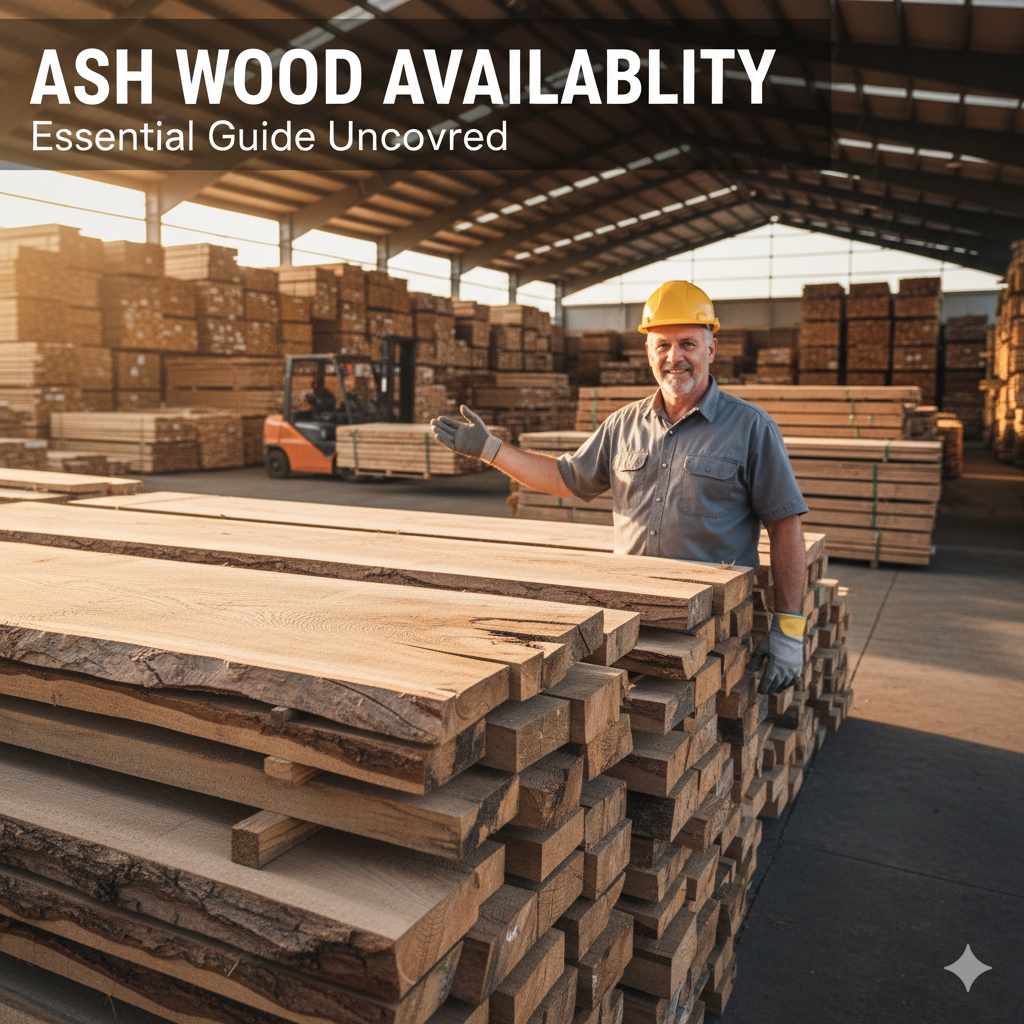
Ash Wood Availability: Essential Guide Uncovered
Ash wood is widely available and a fantastic choice for woodworking projects due to its strength, flexibility, and attractive grain. You can find it from local lumberyards, online suppliers, and sometimes even through reclaimed sources, ensuring you can get this versatile wood for your DIY needs.
Have you ever dreamt of crafting beautiful wooden furniture or sturdy home decor pieces? Maybe you’ve seen stunning ash wood projects and wondered, “Where can I get that wood?” It’s a common question for beginners! Sometimes, finding the right materials can feel like a treasure hunt, especially when you’re just starting out. But don’t worry, I’m here to guide you. Ash wood is actually one of the more accessible hardwoods out there, and understanding its availability will open up a world of project possibilities.
In this guide, we’ll uncover everything you need to know about where to find ash wood, what to expect, and how to make the best choice for your next woodworking adventure. Get ready to feel confident about sourcing your materials!
Understanding Ash Wood: A Woodworker’s Best Friend
Before we dive into where to find it, let’s quickly appreciate why ash wood is so popular. It’s a fantastic material for a reason! Whether you’re building a sturdy workbench, a sleek dining table, or even baseball bats (yes, really!), ash wood offers a compelling blend of qualities.
Think of ash as a hardworking, reliable friend in your workshop. It’s known for its:
- Strength and Durability: Ash can take a beating and still look great. It’s tough and resistant to shock, making it ideal for items that need to withstand regular use.
- Flexibility: Believe it or not, ash wood is quite flexible, which is why it’s a traditional choice for tool handles and sports equipment.
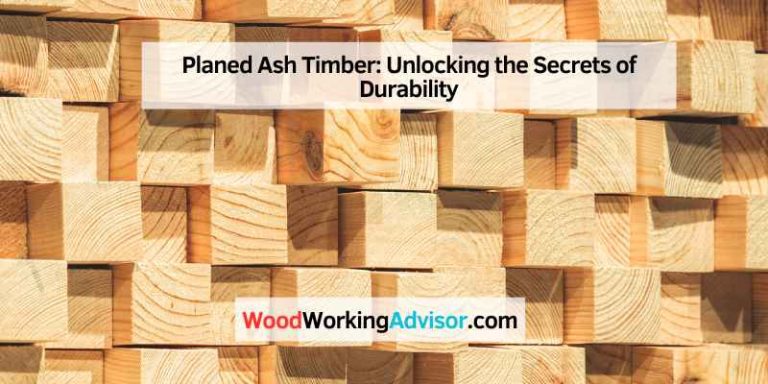
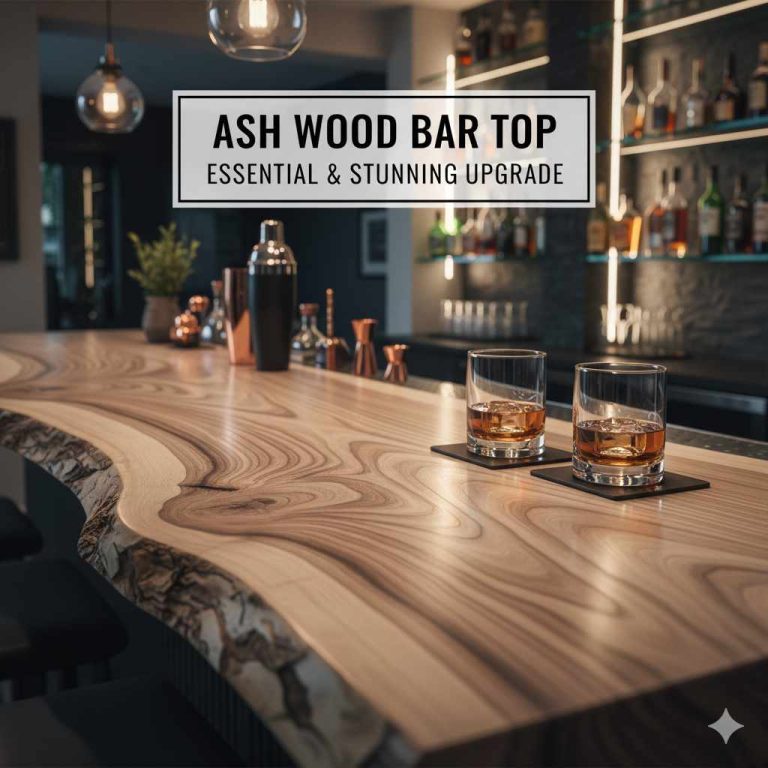
- Beautiful Grain: Ash typically has a straight, coarse grain with a medium to coarse texture. It can range from creamy white to light brown, and sometimes even has a slight grayish or greenish hue, giving your projects a natural, attractive look.
- Workability: For a hardwood, ash is relatively easy to work with using both hand tools and power tools. It glues well and takes finishes beautifully, allowing for a professional-looking result even for beginners.
These characteristics make ash a versatile choice, but its availability is what truly makes it a go-to for many woodworkers.
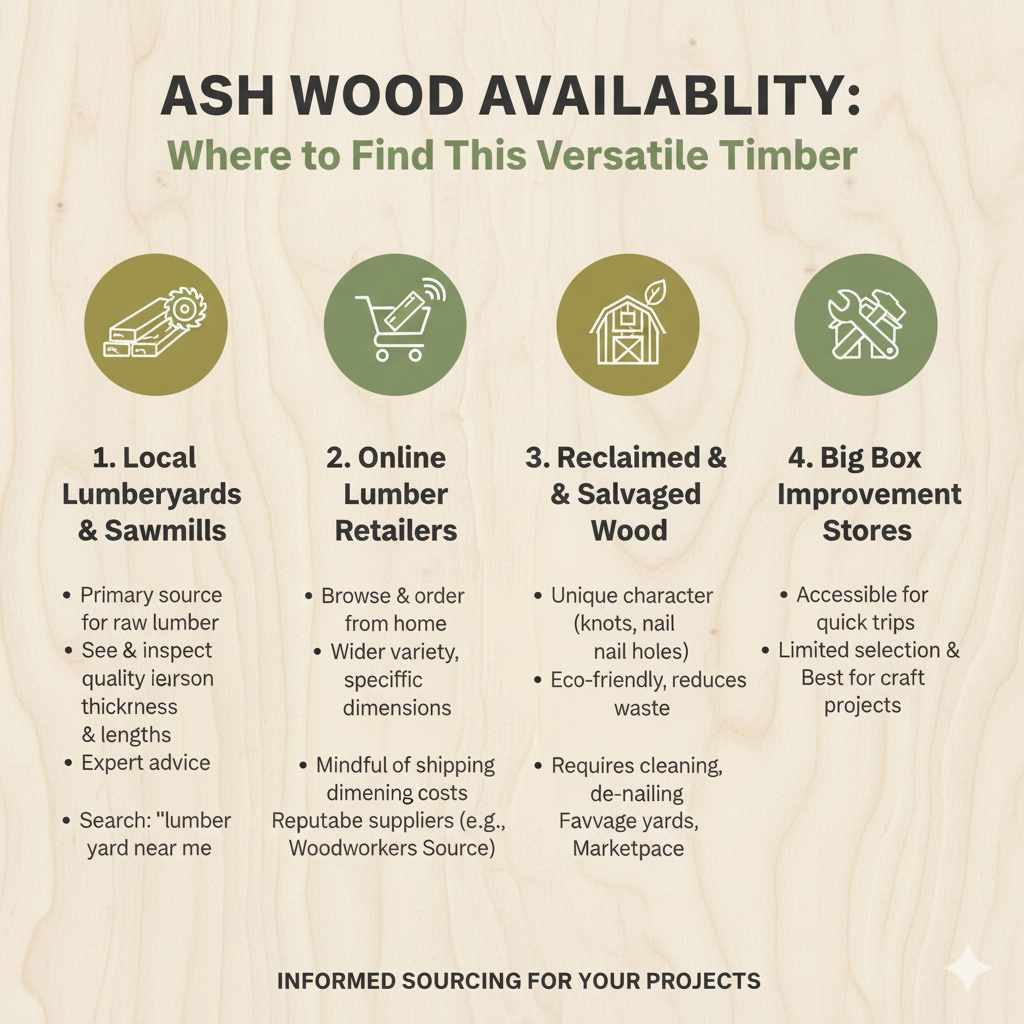
Ash Wood Availability: Where to Find This Versatile Timber
The good news is that ash wood is generally quite available across North America and Europe. Its widespread presence in forests means that lumber mills produce a steady supply. However, “available” doesn’t always mean “easy to find in the exact format you need.” Let’s break down the common places you’ll encounter ash wood.
1. Local Lumberyards and Sawmills
This is often your best bet for finding quality ash lumber. Local lumber suppliers and sawmills are the primary sources for raw lumber. When you visit, you’ll typically find ash sold in boards or planks, often graded for quality.
- Selection: Their inventory can vary, but most reputable lumberyards will carry common hardwoods like ash. You might find it in various thicknesses and lengths.
- Quality: You have the advantage of seeing the wood in person! This allows you to inspect the grain, check for warps or defects, and select pieces that best suit your project’s aesthetic.
- Expert Advice: Staff at local yards are usually knowledgeable and can offer advice on the best wood for your needs.
- Getting Started: To find a local lumberyard, try a quick online search for “lumber yard near me” or “sawmill [your town/city]”.
2. Online Lumber Retailers
The digital age has made sourcing materials easier than ever. Many companies now sell lumber online, shipping directly to your home or a local pick-up point. This is a convenient option if you don’t have a good local supplier or are looking for specific dimensions.
- Convenience: Browse and order from the comfort of your home.
- Wider Variety: Online stores might offer a broader selection of wood species, grades, and dimensions than a small local yard.
- Shipping: Be mindful of shipping costs, especially for heavy lumber. Often, local pick-up options can save you money. Look for suppliers that specialize in hardwoods.
- Reputable Sources: When buying online, stick to well-known and reputable timber suppliers. Examples include companies like Woodworkers Source, Bell Forest Products, or even larger home improvement store online inventories. Always read reviews and check their return policies.
3. Reclaimed and Salvaged Wood Sources
For a unique look and an eco-friendly approach, consider reclaimed ash wood. This can come from old buildings, barns, furniture, or even pallets. While finding ash specifically in reclaimed sources might require more searching, the character of the wood can be unmatched.
- Character: Reclaimed wood often has a story, with unique knots, nail holes, and weathered finishes that add immense character.
- Sustainability: Giving old wood a new life is a fantastic way to reduce waste.
- Preparation: Be prepared for more work. Reclaimed wood may need extensive cleaning, de-nailing, and milling to be usable.
- Where to Look: Try architectural salvage yards, demolition companies, specialized reclaimed wood dealers, or even online marketplaces like Craigslist or Facebook Marketplace.
4. Big Box Home Improvement Stores
While not their primary focus, some larger home improvement stores occasionally carry a limited selection of common hardwoods like ash. For larger projects, they might not have the quantity or quality you need, but for smaller craft projects, it’s worth a look.
- Accessibility: Convenient for quick trips.
- Limited Selection: Often carry only the most popular hardwoods, and the quality can be inconsistent.
- Best For: Small decorative items or beginner practice pieces.
Factors Affecting Ash Wood Availability
While ash is generally available, several factors can influence how easy it is to find and its price:
1. Emerald Ash Borer (EAB) Impact
This is a significant factor, especially in North America. The Emerald Ash Borer is an invasive insect that has devastated ash tree populations. While this is a tragedy for forests, it has also impacted the available supply and quality of ash wood in affected regions.
- Supply Chain: In areas heavily hit by EAB, the supply of healthy ash trees suitable for lumber has decreased. This can lead to higher prices and less availability.
- Wood Quality: Sometimes, lumber is milled from trees that were already stressed or killed by EAB. This can sometimes result in wood that is more prone to defects, though healthy trees are still the primary source for quality lumber.
- Geographic Differences: Availability might be better in areas not yet heavily impacted by EAB or in regions where ash is less prevalent.
For more information on the impact of the Emerald Ash Borer, you can consult resources from forestry or agricultural departments, such as those provided by the USDA Animal and Plant Health Inspection Service (APHIS).
2. Lumber Grade and Quality
Not all ash lumber is created equal. It’s graded based on the number and size of defects (like knots, splits, or rot) and the number of clear, usable faces. Higher grades (like FAS – First and Seconds) will be more expensive and harder to find but offer more clear, defect-free wood.
- FAS (First & Seconds): The highest grade, with minimal defects. Ideal for furniture and projects where appearance is critical.
- Select: A common grade for hardwoods, often good for furniture and cabinetry.
- Common Grades (e.g., #1, #2): Will have more knots and imperfections, making them more affordable and suitable for utility projects, shop furniture, or pieces where character is desired.
Understanding lumber grades will help you communicate your needs to suppliers and make informed purchasing decisions.
3. Wood Dimensions (Thickness, Width, Length)
The availability of specific dimensions can also be a bottleneck. Standard thicknesses like 4/4 (1 inch rough), 6/4, and 8/4 are common. However, if you need extra-wide boards or very long lengths, your options might be more limited and more expensive.
- Standard Sizes: Lumber is often sold rough, meaning it hasn’t been planed or sanded yet. Common thicknesses are 1″, 2″, 3″, and 4″ (nominal, actual dimensions will be less).
- Custom Orders: For specific sizes, you might need to place a custom order, which can take time and cost more.
- Consider Your Project: Always measure and plan your project carefully to determine the exact dimensions you’ll need. You might be able to glue up narrower boards to make wider pieces.
Tips for Purchasing Ash Wood
Buying lumber can be a little intimidating at first, but with these tips, you’ll be confidently selecting ash in no time!
1. Know Your Project Needs
Before you even look for wood, have a clear idea of what you want to build. This helps you determine:
- Size: How much wood do you need? What lengths, widths, and thicknesses?
- Appearance: Do you want a clear, pristine look, or are knots and character marks welcome?
- Budget: How much are you willing to spend? Higher grades and larger dimensions will cost more.
2. Inspect the Lumber Carefully
If you’re buying in person, take your time to examine each board. Look for:
- Warping: Lay the board on a flat surface to check if it cups, twists, bows, or has a wane edge (bark or rounded edge). Minor warping can sometimes be straightened during milling and construction, but severe warping can render a board unusable.
- Cracks and Splits: Check the ends and edges for any signs of cracking or splitting, especially near the ends, which is common due to drying.
- Knots: Are they sound and tight, or loose and falling out? Loose knots are a defect. Sound knots can add character.
- Insect Damage: Look for small holes that might indicate previous insect activity (though EAB damage can sometimes be subtle).
- Moisture Content: Wood should be dried properly. If it feels excessively wet or you see signs of mold, it might not be properly seasoned. Green (wet) lumber will warp and shrink significantly as it dries, so it’s best avoided for fine woodworking. Tools like a moisture meter can help, but visual inspection is a good start.
3. Don’t Be Afraid to Ask Questions
The staff at lumberyards are there to help. Ask them about the wood’s origin, grade, moisture content, and suitability for your project. A good supplier will be happy to share their knowledge.
You can also ask for advice on how best to store and prepare the wood before use. For example, many woodworkers recommend letting newly purchased lumber acclimate to your workshop’s environment for a few days or weeks before working on it to minimize movement.
4. Consider the Cost
Ash prices can vary based on grade, dimensions, and location. Generally, ash is considered a moderately priced hardwood. You might find it priced between oak and maple, but this can fluctuate.
Typical Ash Wood Pricing (Estimates – per board foot)
| Wood GradeEstimated Price per Board Foot (Rough Lumber) | |
|---|---|
| FAS/Select | $4 – $8 |
| #1 Common | $3 – $6 |
| #2 Common | $2 – $4 |
Note: Prices are approximate and can vary significantly by region, supplier, and current market conditions. A board foot is a unit of measure for lumber, equivalent to a board one foot square and one inch thick.
For an excellent resource on understanding lumber units and costs, check out educational materials from woodworking guilds or associations, which often explain terms like “board foot.”
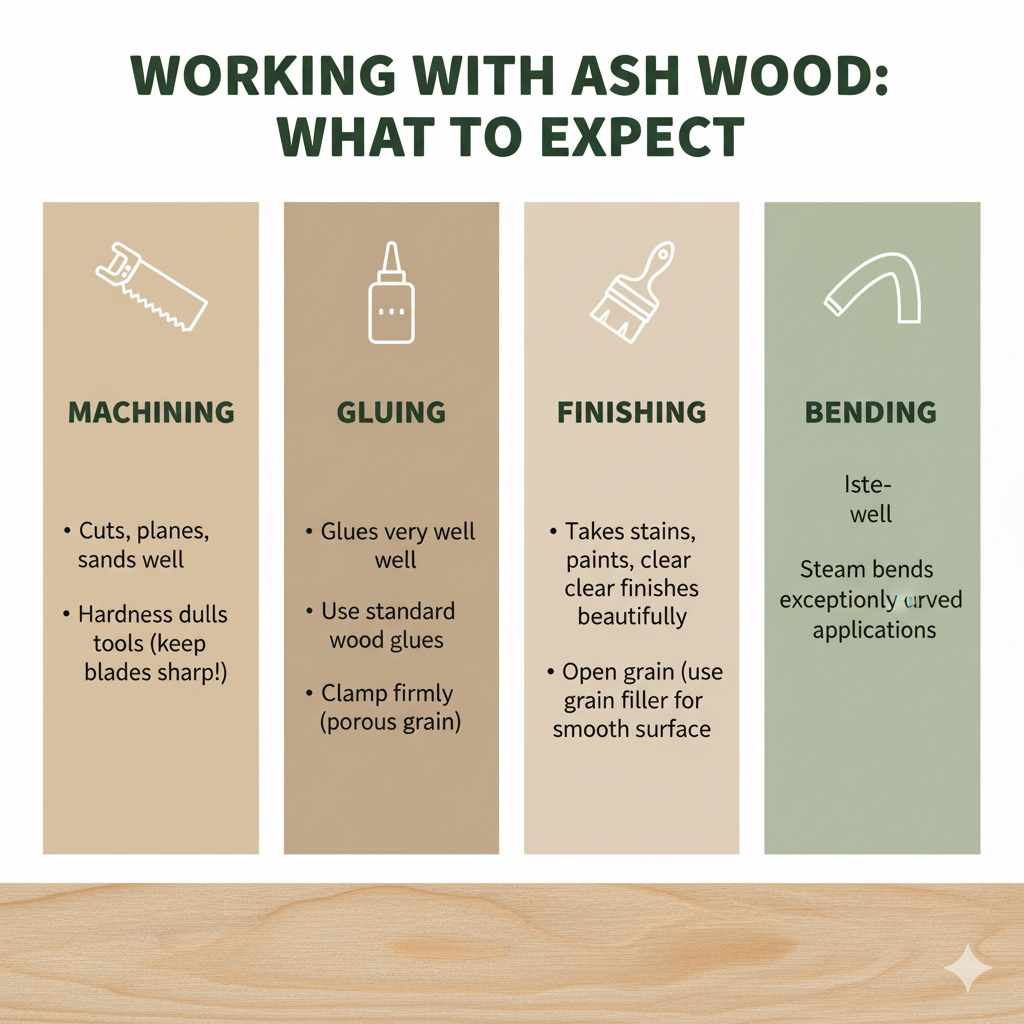
Working with Ash Wood: What to Expect
Once you’ve found your ash, getting it ready for your project is the next step. Ash is known for its straightforward machining properties.
- Machining: It cuts, planes, and sands well. Its hardness can dull tools faster than softer woods, so keep your blades sharp!
- Gluing: Ash glues very well. Use standard woodworking glues like Titebond I, II, or III. Clamp joints firmly, especially with its slightly porous grain.
- Finishing: Ash takes stains, paints, and clear finishes beautifully. Because of its open grain, you might want to use a grain filler for a perfectly smooth surface on fine furniture, but for many projects, its natural texture is a desirable feature.
- Bending: As mentioned, ash steam bends exceptionally well, making it the wood of choice for many curved applications.
Frequently Asked Questions About Ash Wood Availability
Here are some common questions beginners have about finding and using ash wood:
Q1: Is ash wood expensive?
Ash wood is generally considered a mid-range hardwood. It’s typically more affordable than premium woods like cherry or walnut but more expensive than softwoods like pine. Prices vary based on grade, dimensions, and your location, but it’s accessible for many hobbyist projects.
Q2: Can I find ash wood in my local hardware store?
Larger home improvement stores sometimes carry a small selection of hardwoods, which might include ash. However, for a better selection, higher quality, and more consistent availability, local lumberyards or specialized online wood suppliers are usually better options.
Q3: What’s the difference between White Ash and Red Ash?
Both are varieties of ash. White ash (Fraxinus americana) is generally stronger, harder, and has lighter-colored heartwood, making it the preferred choice for many applications. Red ash (Fraxinus pennsylvanica) is similar but tends to have a slightly reddish tint and can be a bit softer.
Q4: How does the Emerald Ash Borer affect ash wood availability?
The Emerald Ash Borer has significantly impacted ash tree populations in North America. In heavily affected areas, the supply of healthy ash trees for lumber has decreased, potentially leading to higher prices and reduced availability. However, ash is still widely available from sustainably managed forests and less impacted regions.
Q5: What’s the best way to choose ash lumber for a project?
Start by knowing your project’s requirements (size, appearance, budget). Then, when selecting boards, look for straightness, check for excessive knots or cracks, and ensure the wood is properly dried. Don’t hesitate to ask the lumberyard staff for guidance.
Q6: Can I use ash for outdoor projects?
While ash is strong, it’s not naturally as rot-resistant as woods like cedar or redwood. For outdoor use, it’s best to choose a more durable hardwood or apply robust protective finishes and sealants to prevent decay and insect damage. Many projects utilize ash for its aesthetics and strength in covered outdoor areas or furniture.
Q7: What are good alternatives if I can’t find ash wood?
If ash is hard to come by or outside your budget, consider oak. Both Red Oak and White Oak share similar strength, durability, and grain characteristics. Maple is another excellent alternative, offering a similar color and hardness but with a finer grain pattern.
Conclusion: Your Ash Wood Journey Begins Now!
Finding ash wood is much more accessible than you might have thought. Its availability from local lumberyards, online retailers, and even reclaimed sources means you have plenty of options. Remember to consider the factors that can influence supply, such as the EAB, and always inspect your wood carefully before purchasing.
By understanding where to look and what to look for, you can confidently source ash wood for your woodworking projects. Its strength, beauty, and workability make it a rewarding choice for everything from functional shop furniture to heirloom-quality pieces. So, gather your tools, plan your project, and head out to find that perfect piece of ash. Your next woodworking masterpiece is waiting!