Ash Wood Knots: Characteristics Uses Design Tips
Have you ever admired a piece of wooden furniture or a wooden floor and noticed those intriguing dark circles or lines within the grain? Those are often wood knots, and while some might see them as imperfection s, they are actually character-filled features that tell a story. Understanding Ash Wood Knots: Characteristics, Uses & Design Tips can transform how you view and use wood in your projects.
This post will help you appreciate their unique beauty, discover their practical applications, and offer ideas for incorporating them into your designs for a truly distinctive look.
Understanding Ash Wood Knots
Ash wood is known for its strength, flexibility, and beautiful grain patterns. When it comes to knots, they are formed where branches grow from the main trunk of the ash tree. As the tree grows, the wood encircles the base of the branch, creating a distinct circular or oval shape within the lumber.
These knots are not just visual features; they also influence the wood’s properties and how it can be used.
What Are Ash Wood Knots
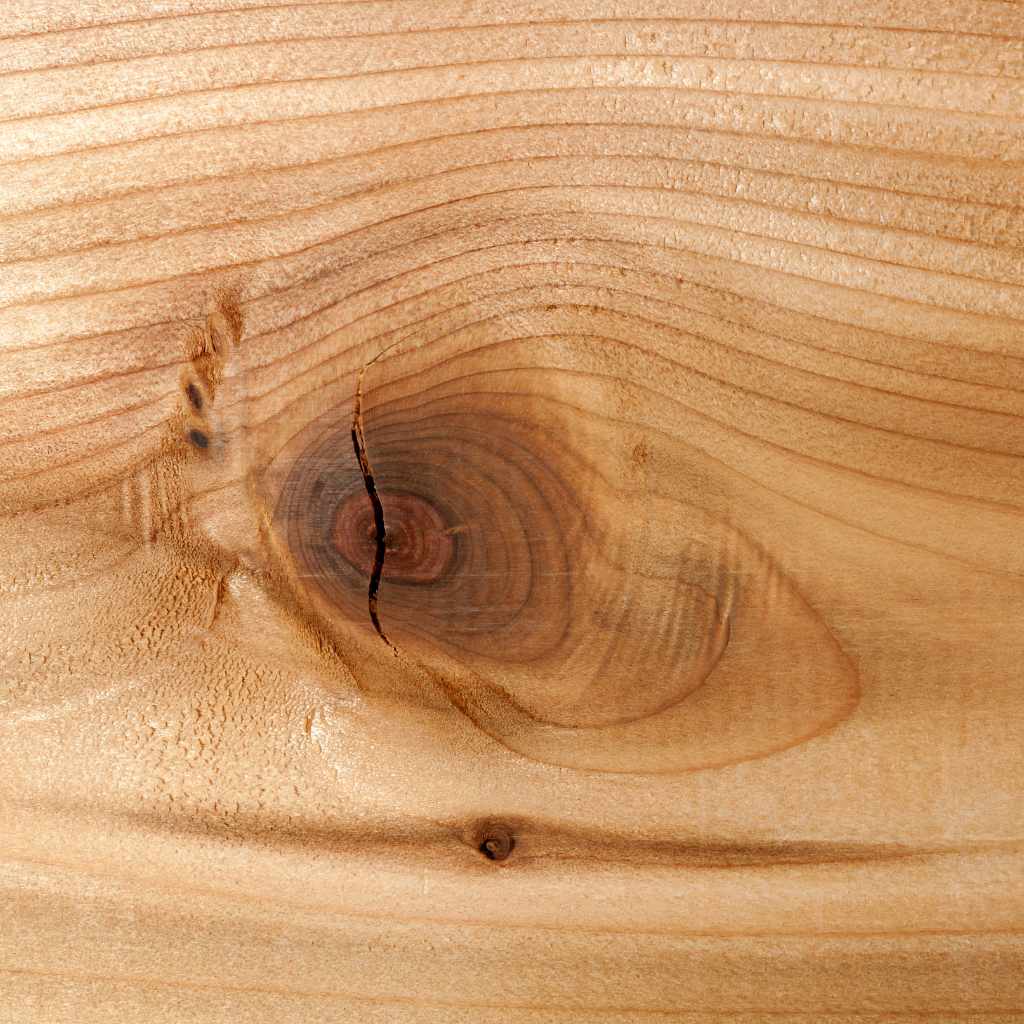
Ash wood knots are essentially the marks left behind by where branches once were. When a tree grows, the wood around the branch forms a union, and this area can become a knot in the harvested timber. The appearance of these knots can vary significantly.
They can be small and tight, almost invisible, or large and prominent, with swirling grain patterns and a darker color compared to the surrounding wood. The color of an ash wood knot can range from a light tan to a deep brown or even black, depending on the species of ash, how the wood was dried, and its age.
The structure of a knot is also important. A sound knot is firmly attached to the surrounding wood, often adding strength to that specific area of the timber. However, a loose knot, sometimes called a ‘peg’ or ‘wormhole’ knot if it has fallen out or has gaps, can weaken the wood and may require filling.
The natural resins and denser wood within a knot can make it harder than the rest of the piece, which can affect machining and finishing processes. Recognizing the difference between sound and unsound knots is key to successful woodworking.
Characteristics of Ash Wood Knots
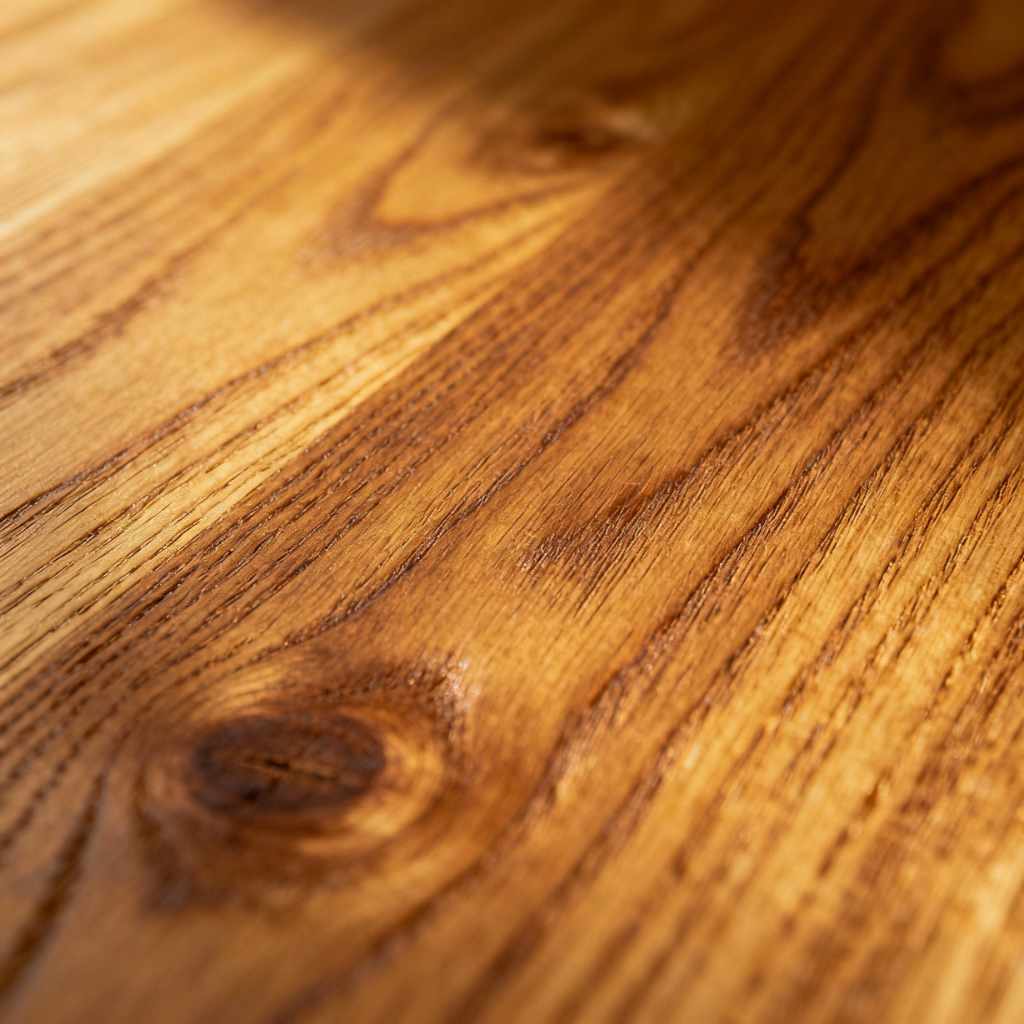
The primary characteristic of an ash wood knot is its visual distinctiveness. Unlike the straight, parallel grain often seen in clear lumber, knots introduce swirling, irregular grain patterns that are highly decorative. This contrast in grain and color makes them a focal point in any wooden item.
The darker color of many ash knots is due to accumulated tannins and other natural compounds, giving them depth and a rustic appeal.
Sound knots are generally quite hard and dense. This hardness means they can resist wear and tear, making them durable features. However, this density also means they can be more challenging to work with.
Drills and saws can chip or snag on knots, requiring slower speeds and sharper tools. When sanding, knots might sand down at a different rate than the surrounding wood, potentially creating slight depressions or a raised surface if not handled carefully. This can lead to interesting textures, especially if a more rustic or distressed finish is desired.
Loose knots present a different set of characteristics. They may be prone to cracking or falling out over time, especially under stress or changes in humidity. If a knot is loose, it often means there is a void or gap around it.
This can be a point of weakness in structural applications, but for decorative items, it offers an opportunity for artistic expression, such as filling the void with contrasting materials like epoxy resin or even metal inlays.
Types of Ash Wood Knots
Ash wood knots can be broadly categorized based on their appearance and how they are integrated into the wood. Understanding these types helps in selecting lumber for specific purposes and in anticipating how they will behave during crafting and finishing.
- Sound Knots: These are tightly fixed in the wood and do not move or fall out. They have a solid appearance with minimal cracks and are often oval or circular. They contribute to the wood’s character without significantly compromising its strength in most applications.
- Unsound Knots: These knots may have cracks, holes, or loose sections. They can be brittle and may fall out during machining or over time. Unsound knots often require attention, such as filling or removal, especially if the piece needs a smooth, unbroken surface.
- Pin Knots: These are very small, sound knots, often resembling dots or tiny circles. They are typically so small and well-integrated that they add a subtle fleck to the grain rather than a prominent feature.
- Cluster Knots: These are groups of several knots clustered together in one area. They create a dramatic, often rustic, effect and can be quite visually striking. Working with cluster knots requires careful planning to avoid weakening the surrounding wood.
- Edge Knots: Knots that appear along the edge of a board. They can sometimes be more prone to chipping or breaking off if not handled with care.
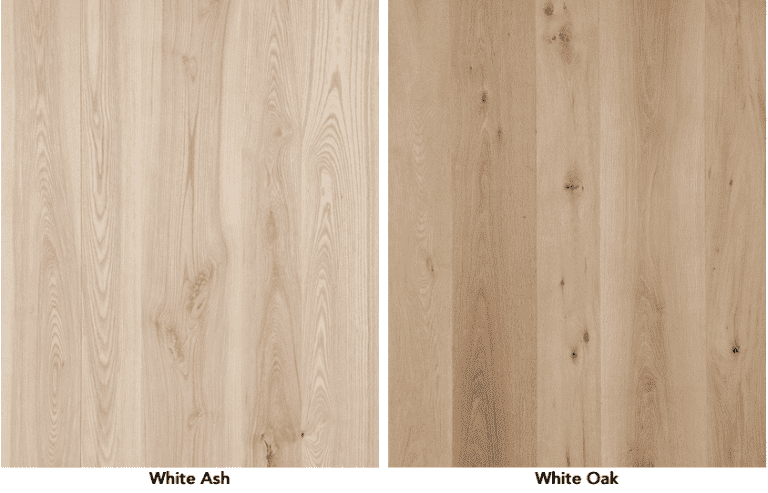
The species of ash also plays a role. White ash, for instance, is known for its tight grain, and its knots tend to be well-integrated. Green ash can also have distinct knot patterns.
The growing conditions of the tree, such as exposure to wind and sunlight, can influence branch formation and thus knot development.
Uses of Ash Wood Knots
While clear ash wood is often sought after for its uniformity, the presence of knots in ash lumber opens up a range of creative and practical applications. Instead of being discarded, these knotty pieces can be the star of the show, adding unique charm and personality to various projects.
Furniture Design
Ash wood knots are a popular choice for furniture that embraces a rustic, farmhouse, or artisanal aesthetic. A dining table with knotty ash can become a conversation piece, its surface telling a story of the tree’s life. The knots add texture and visual interest that cannot be replicated in smooth, clear wood.
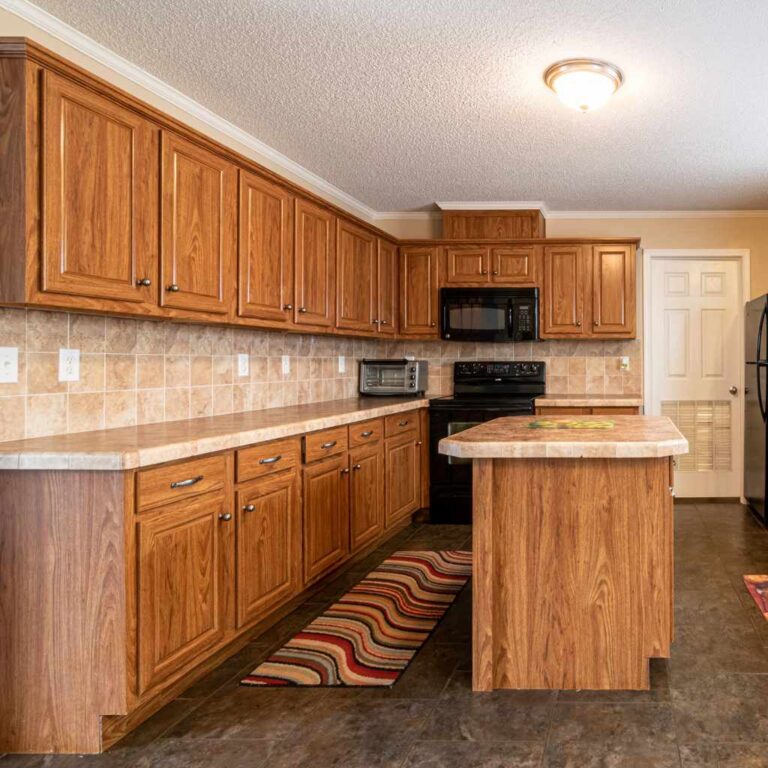
For cabinets, the knots can provide a charming contrast to the sleekness of modern hardware. They are also excellent for accent pieces like coffee tables, side tables, or decorative shelves where their character can be fully appreciated.
When using knotty ash in furniture, the type of knot is important. Sound knots are ideal for surfaces that will see wear, as they are integrated and durable. For areas that might be subject to impact, ensuring knots are sound is paramount.
Loose knots might be better suited for non-structural elements or may need to be filled with epoxy to maintain a smooth, usable surface, especially for tabletops.
Flooring and Paneling
Knotty ash flooring offers a warm, inviting, and distinctly natural look. The varied patterns and occasional darker hues of the knots create a dynamic floor that adds character to any room. This type of flooring is particularly well-suited to homes with a country, lodge, or vintage style.
The natural texture can also provide a subtle grip, which can be advantageous in high-traffic areas. For paneling, knotty ash can transform a plain wall into a feature, lending a cozy and authentic feel to living rooms, bedrooms, or even a den.
When considering knotty ash for flooring, durability and maintenance are key. The knots, especially if slightly raised or textured, might require slightly different cleaning approaches than perfectly smooth floors. However, their inherent hardness in sound knots means they can withstand a good amount of foot traffic.
Sealing and finishing knotty ash floors properly will enhance their longevity and bring out the beauty of the grain and knots.
Decorative Items and Crafts
The unique patterns of ash wood knots make them perfect for smaller decorative items and crafts. From intricate carvings and turned bowls to picture frames and wooden signs, knots can add a unique flair. A handmade cutting board with a prominent knot can become a functional piece of art.
Even simple wooden toys can gain character from the presence of knots, making them more engaging and visually interesting for children. For artists and crafters, knots offer natural design elements that can be worked with or enhanced.
The ability to fill voids in loose knots with colored epoxy resin has opened up new avenues for decorative items. Imagine a wooden coaster with a circular blue resin fill where a knot used to be, or a shelf with amber resin accents. This technique allows for personalization and creates truly one-of-a-kind pieces.
The contrast between the natural wood and the polished resin is a modern take on traditional knotty wood elements.
Musical Instruments
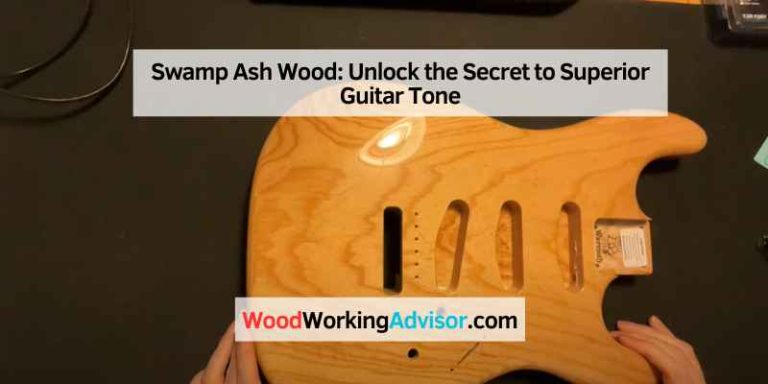
Historically, ash wood has been used in the construction of musical instruments, particularly guitar bodies and drum shells, for its resonant qualities and strength. While clear, straight-grained ash is often preferred for its consistent acoustic properties, knots, if sound and well-placed, can sometimes be incorporated. Their presence might subtly alter the resonance or add a visual distinction to the instrument, appealing to players who value unique aesthetics alongside performance.
However, this is a more specialized application where the impact of knots on sound must be carefully considered by experienced luthiers.
Advantages and Disadvantages in Application
Using ash wood with knots comes with its own set of pros and cons. Understanding these will help in making informed decisions for your projects.
| Advantages | Disadvantages |
|---|---|
|
|
When selecting wood with knots, it’s always best to inspect each piece carefully. Look for knots that are well-seated and free from large cracks or voids. For projects where a smooth, unbroken surface is essential, opting for wood with fewer or smaller pin knots might be a better choice.
For pieces where character is desired, prominent sound knots can be a great asset.
Design Tips for Ash Wood Knots
Incorporating ash wood knots into your designs isn’t just about choosing the right wood; it’s also about how you present it. Strategic design choices can highlight the beauty of knots and overcome potential challenges they present.
Embrace the Natural Look
The most successful designs featuring ash wood knots lean into their natural appeal. Instead of trying to hide them, celebrate them. Let knots be a prominent feature on tabletops, cabinet doors, or accent walls.
Pair knotty ash with simple, clean lines in other elements of the design to let the wood’s character shine. A minimalist approach to the rest of the design will ensure the knots remain the focal point.
For instance, if you’re building a bookshelf, consider leaving the knots exposed on the sides or even the shelves themselves. A knotty ash headboard for a bed can provide a warm, organic texture to the bedroom. The key is balance; don’t let too many busy knot patterns compete with each other unless that’s the specific effect you’re aiming for.
Finishing Techniques
The finish you choose can significantly impact how ash wood knots appear. For a natural, rustic look, a clear matte or satin finish is often ideal. This preserves the wood’s texture and color while offering protection.
Oils and waxes can also enhance the natural grain and bring out the depth of the knots without creating a thick, plastic-like coating.
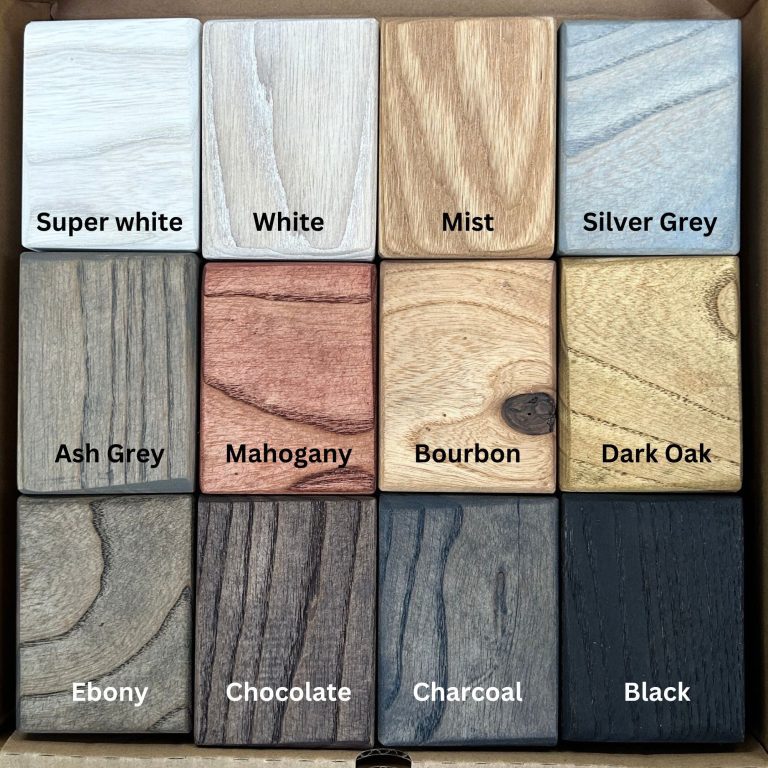
For a more dramatic effect, consider darker stains. Stains can deepen the color of the wood and make the knots stand out even more, creating a rich, aged appearance. However, be cautious with very dark stains on heavily knotted pieces, as it can sometimes obscure the detail.
Alternatively, a whitewash or liming wax can lighten the wood and highlight the grain and knot patterns with a soft, airy feel, perfect for coastal or Scandinavian-inspired interiors.
If you encounter loose knots or voids that you want to fill, epoxy resin is a popular choice. You can use clear resin to fill them, or experiment with colored pigments to create contrasting inlays. This transforms a perceived flaw into a deliberate design element.
Ensure the wood is properly prepped and the resin is mixed and applied according to manufacturer instructions for the best results.
Integrating with Other Materials
Ash wood knots pair beautifully with a variety of other materials. In furniture, they can be complemented by metal accents like wrought iron legs or brushed nickel hardware. The contrast between the organic warmth of the wood and the industrial or sleek feel of metal can be very striking.
For flooring or paneling, knots can be beautifully set off by stone or tile elements in a room.
In crafts, consider combining knotty ash with textiles, leather, or even concrete. A wooden serving tray made from knotty ash with leather handles is a great example of this material contrast. For wall art, a knotty ash base can be combined with paint, decoupage, or other decorative techniques.
The key is to choose materials that either complement the rustic feel or provide a sophisticated contrast.
Dealing with Imperfections
Not all knots are created equal, and some may present challenges. If you find a loose knot that you want to secure, wood glue and a few strategically placed screws (from the back if possible) can often stabilize it. For unsound knots with significant voids, filling is usually the best approach.
Wood filler can be used, though it may not always match the surrounding wood perfectly. Epoxy resin offers a more durable and aesthetically pleasing solution, especially if you plan to stain or seal the wood.
When machining knotty ash, using sharp tools and taking light passes is crucial. A router with a good quality bit can clean up knotty edges effectively. For sanding, start with a coarser grit and gradually move to finer grits.
Be aware that knots may sand differently; sometimes a slightly raised knot adds texture, while other times you might need to use a sanding block or even hand-sanding to achieve a smooth transition.
Scale and Proportion
The size and frequency of knots can influence the overall impression of a piece. Large, prominent knots tend to create a bolder, more rustic statement. Smaller pin knots offer a more subtle texture.
Consider the scale of your project and the intended environment when selecting lumber. A large knot might be a stunning centerpiece on a coffee table but could feel overwhelming on a small decorative item.
For larger projects like a full room of flooring or extensive paneling, a mix of knot sizes can create a natural, varied look. However, if you prefer a more controlled aesthetic, you might seek out boards that have similar knot patterns or focus on areas with fewer knots for more visible surfaces.
Frequently Asked Questions
Question: Are ash wood knots a sign of weak wood
Answer: Not necessarily. Sound knots are firmly attached and can even add strength in their immediate vicinity. However, unsound knots, which have cracks or are loose, can be a source of weakness and may require filling or stabilization.
Question: How do you finish knotty ash wood
Answer: You can use clear matte or satin finishes to maintain a natural look, or apply stains to deepen the color and enhance the knots. Epoxy resin is also popular for filling voids and creating decorative inlays.
Question: Can I use knotty ash for structural applications
Answer: It depends on the knots. Sound knots are generally acceptable for many structural uses, but unsound knots or areas with a high concentration of knots might be too weak for critical load-bearing components. Careful inspection is vital.
Question: Will knots in ash wood cause problems when cutting or shaping
Answer: Yes, knots can be harder than the surrounding wood and may cause tools to chip, snag, or dull more quickly. It’s advisable to use sharp tools, slower speeds, and take lighter passes when working with knotty ash.
Question: Are ash wood knots considered a defect
Answer: In some contexts, particularly where a perfectly uniform appearance is desired, knots might be considered defects. However, for many applications, especially in rustic or character-grade wood, knots are seen as desirable features that add beauty and personality.
Final Thoughts
Ash wood knots offer a unique opportunity to imbue your projects with natural beauty and character. Rather than viewing them as flaws, consider them as artistic signatures left by the tree’s life story. The distinctive swirling grain patterns and often darker hues of knots in ash wood provide a visual depth that is hard to replicate.
When selecting lumber, take the time to examine the knots, distinguishing between sound, well-integrated features and those that might require attention. This careful selection process is your first step in successfully incorporating these natural elements into your designs. Whether you’re crafting furniture, laying floors, or creating decorative items, embracing the inherent charm of knotty ash can lead to truly distinctive and memorable results.
Experiment with different finishing techniques to enhance their appearance, and don’t shy away from integrating them as focal points. By understanding their characteristics and employing thoughtful design strategies, you can transform ash wood knots from mere markings into powerful design assets, creating pieces that are not only functional but also rich in narrative and visual appeal. So next time you encounter ash wood with knots, see the potential for beauty and character they hold.