Ash Heartwood vs Sapwood: Color, Rot Resistance, Olive Ash
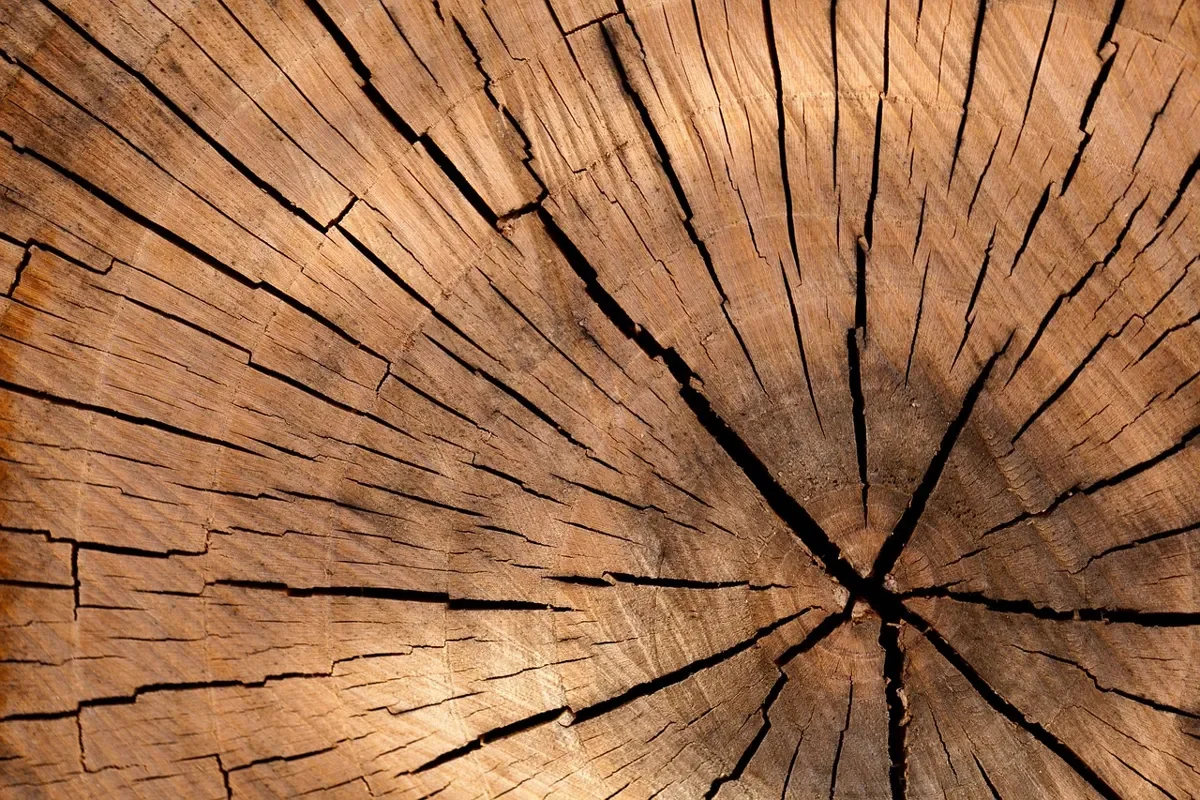
Ash heartwood is the light to medium brown core of the tree, and it is not the rot-proof wood many pages make it out to be. In white ash, the heartwood is rated perishable for decay, and the beige sapwood around it is very wide.
If you are sorting through ash boards, the practical questions are simple. Which part of the board is heartwood, does it matter for strength or color, and what is that dark streaky “olive ash” that sells for so much more? This guide answers those with figures from the Wood Database entries for white ash and olive ash, then adds a few shop numbers you will not find on most competing pages, like what a board foot of ash weighs and how much a wide board can move.
Ash Heartwood at a Glance
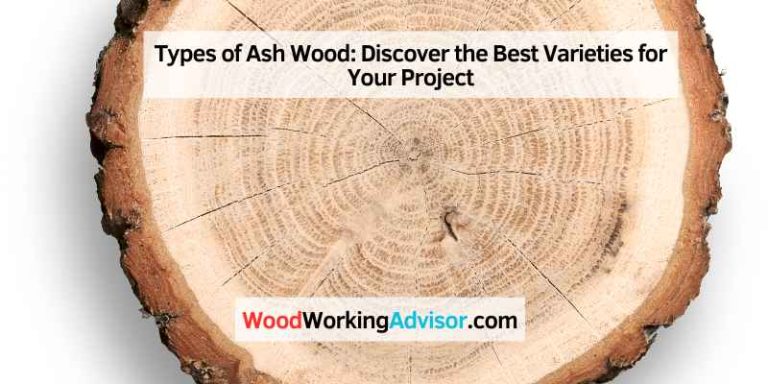
Every ash log has two zones. The inner heartwood is the older, non-living core, and the outer sapwood carries water in the living tree. For white ash, the species most North American woodworkers buy, the two look closer than they do in walnut or cherry.
- Heartwood color: light to medium brown.
- Sapwood color: beige or light brown, very wide, and not always clearly or sharply separated from the heartwood.
- Decay resistance: the heartwood is rated perishable, or only slightly durable, and is not resistant to insect attack.
- Hardness: 1,320 lbf Janka for white ash.
BEST PIN MOISTURE METER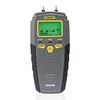 |
General Tools MMD4E Moisture Meter, $39.98
|
Ash Heartwood vs Sapwood: How to Tell Them Apart
In a rough log the boundary is obvious, but in a planed board it is easy to miss. The table below sums up what the Wood Database says about the two zones in white ash.
| Feature | Heartwood | Sapwood |
|---|---|---|
| Position in the tree | Inner core | Outer band, very wide in ash |
| Color | Light to medium brown | Beige or light brown |
| Boundary | Often subtle | Not always clearly or sharply demarcated |
| Decay resistance | Perishable, or only slightly durable | No separate rating listed, so do not assume it is better |
| Insect resistance | Not resistant | Not listed separately |
Because the color break is soft, do not sort boards by color alone. Look at the end grain of each board, where the darker inner zone shows as a band, and compare boards side by side under the same light before you glue up a panel. Our guide to ash wood color covers the full range of shades, and the ash furniture pros and cons page explains why wide sapwood shows up as board to board color changes on a table top.
Myth Check: Heartwood Does Not Make Ash Rot Resistant
Many short articles credit ash heartwood with pest resistance and outdoor durability. The rating says otherwise. The Wood Database lists white ash heartwood as perishable, or only slightly durable, for decay, and not resistant to insect attack. In some other woods the heartwood is the durable part, but ash does not follow that pattern, so heartwood does not earn you an outdoor-grade board.
The same goes for strength. The 1,320 lbf Janka figure and the density numbers below are published for the species as a whole, not split into heartwood and sapwood. There is no reason to pay extra for a “heartwood only” board on strength grounds, and a mixed heart and sap board is normal, sound ash.
If a project will live outside, ash needs a real exterior finish and no ground contact, and even then it is a poor pick next to naturally durable woods. Our cedar rot guide shows what a durable outdoor wood looks like by comparison.
Key Numbers for Ash Heartwood
| Property | White ash value |
|---|---|
| Janka hardness | 1,320 lbf (5,870 N) |
| Specific gravity | 0.55 basic, 0.67 at 12% moisture content |
| Average dried weight | 42 lb/ft3 (675 kg/m3) |
| Radial shrinkage | 4.9% |
| Tangential shrinkage | 7.8% |
| Volumetric shrinkage | 13.3% |
| T/R ratio | 1.6 |
Two quick calculations turn those numbers into shop advice. First, a board foot is one twelfth of a cubic foot, so 42 lb/ft3 works out to about 3.5 lb per board foot of dry ash. A 10 board foot pile of 4/4 ash weighs roughly 35 lb, which matters when you are lifting lumber into a pickup or planning a bench top. See the ash wood density page for more weight and gravity data.
Second, the T/R ratio of 1.6 means ash shrinks about 60% more across the growth rings than along them. As a rough estimate, if you assume wood starts shrinking at about 30% moisture content, each percentage point of moisture lost moves a flatsawn board about 0.26% across its width (7.8% divided by 30). A move from 10% to 6% moisture content is then about 1% of width, or roughly 0.08 in on an 8 in wide board. That is an estimate, not a measured value, but it explains why wide ash tops need room to move.
Olive Ash: The Dark Heartwood That Sells at a Premium
Olive ash is the one place where heartwood color really matters. According to the Wood Database, the term does not refer to a specific species. It describes the darker, streaked heartwood found in some ash trees, with dark on light striping that resembles olive wood. The dark areas do not follow the growth rings, which suggests an outside cause, possibly fungal, much like brown oak.
Most commercial olive ash is European ash, Fraxinus excelsior, imported from Europe. It sells at a premium as veneer and as turning blanks, and olive ash burl is especially prized for its swirling color and grain. The wood is in the same plant family as true olive trees, which helps explain the look. If you find a dark streak in a domestic ash board, it may or may not be the same feature, so treat it as a figure to enjoy rather than a defect to trim off.
Working Ash Heartwood in the Shop
Ash is friendly to both hand and machine tools. The Wood Database notes it gives good results with either, responds well to steam bending, and glues, stains and finishes well. If you plan to bend it, compare it with other options in our steam bending wood rankings. For hardness and general use, the ash hardwood guide has the Janka context.
One caution: ash can have a distinct, moderately unpleasant smell when worked, and it has been reported to cause skin irritation and a decrease in lung function. Wear a well-fitted dust mask or respirator, use dust collection, and keep sanding dust off bare skin.
Buying and Drying Ash Boards
Boards from the same log can carry both heartwood and sapwood, so expect some color variation inside a single board. Check moisture before you cut joinery. A pin meter reads moisture between its two pins, so push them into the end grain or a face you will plane off, and test several boards from different parts of the stack.
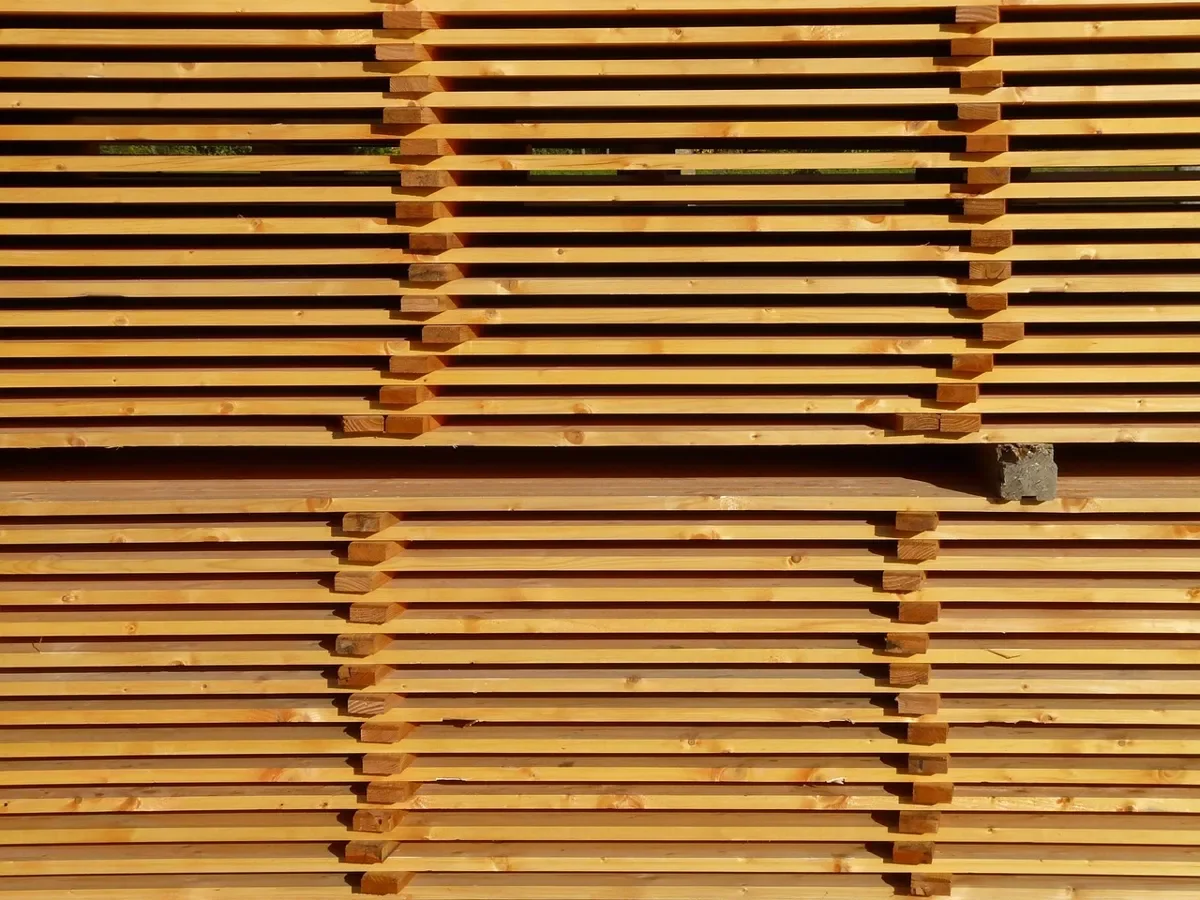
At home, store boards flat on stickers, with air moving around every layer, and let them acclimate in your shop before milling. Boards that read well above the rest of the stack will move as they dry, and ash has enough shrinkage that this shows in tight joints.
Finishing Ash Heartwood
Ash takes stain and clear finishes evenly, and the open pores show through a thin film, so many woodworkers fill them or build a few extra coats. Because sapwood and heartwood differ slightly in tone, test your finish on offcuts that include both zones. The ash color guide has staining tips.
FAQ: Ash Heartwood Questions Answered
Is ash heartwood stronger than sapwood?
Published hardness and density figures for white ash, 1,320 lbf Janka and 42 lb/ft3 dry weight, are given for the species as a whole and are not split by heartwood and sapwood. Do not pay a premium for heartwood on strength grounds.
Is ash heartwood rot resistant?
No. The Wood Database rates white ash heartwood as perishable, or only slightly durable, and not resistant to insect attack.
What color is ash heartwood?
White ash heartwood is light to medium brown. The sapwood is beige or light brown and is very wide.
What is olive ash?
Olive ash is not a species. It is the darker, streaked heartwood found in some ash trees, most often European ash, and it is sold as veneer and turning blanks.
Can ash heartwood be used outdoors?
It is a poor choice. Ash heartwood is perishable and not insect resistant, so outdoor use needs a durable exterior finish and no ground contact.
Does ash heartwood bend well?
Yes. The Wood Database says ash responds well to steam bending.
Conclusion: Use Heartwood for Looks, Not for Rot Resistance
Ash heartwood is a light to medium brown, hard, workable wood that finishes well, and olive ash is the one heartwood variety worth chasing for its color. It is not rot or insect resistant, and the sapwood beside it is so wide that most ash boards carry both. Sort boards by end grain, check moisture, allow for movement and keep it indoors, and it will serve you well.
Sponsored / affiliate links. As an Amazon Associate I earn from qualifying purchases. I may earn additional commission from eligible campaigns.