Can Wood Ash Be Used to Filter Water? No, Here’s Why
No – wood ash should not be used to make water safe to drink. Mixed with water, wood ash forms lye (a solution of potassium and sodium hydroxide), which is genuinely caustic, doesn’t reliably remove bacteria, viruses, or parasites, and can raise water’s pH to levels that are irritating or harmful to drink. Wood ash has real, legitimate uses – soap-making, garden soil amendment, historical potash production – but drinking-water treatment isn’t one of them.
This is worth being direct about, because a version of this idea circulates as a “natural” or “off-grid” water filtration hack, and it can lead someone in an actual emergency to trust water that isn’t safe. Here’s the real chemistry, wood ash’s legitimate uses, and what to actually reach for if you need to purify water.
What Actually Happens When Wood Ash Meets Water
Best Real Backup Water Filter
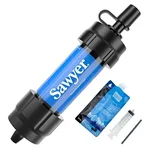 |
Sawyer Mini Water Filtration System – $28.99 A proven, lab-tested filter you can keep in a shop bag or bug-out kit instead of relying on a wood ash myth if the water ever needs treating.
|
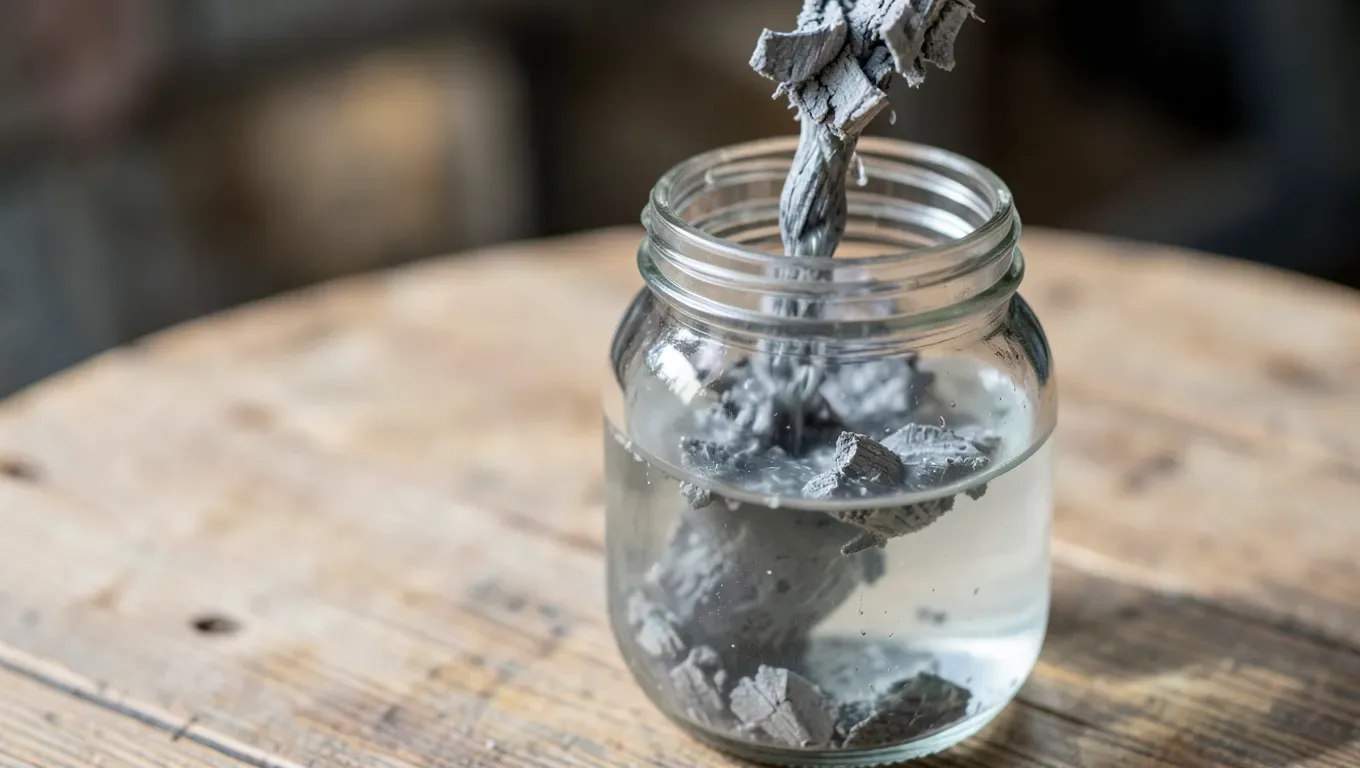
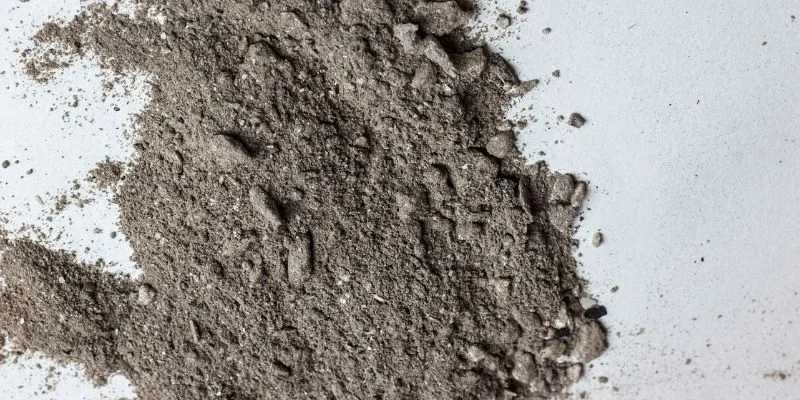
Wood ash is high in potassium carbonate and calcium compounds. When it sits in water, those compounds dissolve and react to form an alkaline solution – this is literally the traditional method for making lye (the essential ingredient in old-fashioned soap-making, alongside fat). Depending on concentration, ash-water can reach a pH in the 9–13 range. Anything above about pH 11 is genuinely caustic – capable of irritating or burning skin, eyes, and the digestive tract, not just tasting “off.”
That’s the opposite of what you want from a water treatment method. A safe drinking water source should be at a stable, close-to-neutral pH (roughly 6.5–8.5) – not swinging toward caustic.
Why It Doesn’t Actually Purify Water
It doesn’t kill pathogens. Wood ash contains no disinfecting agent capable of reliably killing bacteria, viruses, or protozoan cysts like Giardia and Cryptosporidium – the actual causes of most waterborne illness. Passing contaminated water through ash and sand doesn’t sterilize it.
It’s not activated carbon. Plain wood ash is chemically different from activated carbon, which is wood/coconut shell char that’s been specially processed at high heat with steam or chemicals to develop a huge internal surface area for adsorption. Regular ash from a fireplace or campfire doesn’t have that property.
It can add contamination, not remove it. Ash from painted, treated, or chemically finished wood can introduce lead, arsenic, and other compounds into water instead of removing them – and there’s no easy way to know which risk applies to ash you didn’t produce yourself under controlled conditions.
A sand/gravel/ash layer only removes visible sediment. That’s useful for making cloudy water look clearer, but clarity and safety are two different things – clear water can still carry pathogens or dissolved contaminants you can’t see.
What Wood Ash Is Genuinely Good For
None of this means wood ash is useless – it has real, well-established uses, just not this one:
- Soap-making: Leaching ash with water to make lye is the traditional first step in cold-process soap, going back centuries.
- Garden and soil amendment: Wood ash raises soil pH and adds potassium, calcium, and other minerals – useful for acidic soils, in moderation.
- Historical potash production: Ash was leached and boiled down to produce potash (potassium carbonate), an important early industrial and agricultural chemical.
- Traction and odor control: Spread on icy walkways or added to compost/outhouses in small amounts for its alkalinity.
If You Actually Need to Purify Water
For emergency, camping, or off-grid situations, these are the methods with real evidence behind them:
Boiling: A rolling boil for one minute (three minutes above 6,500 ft elevation) kills essentially all waterborne pathogens. It’s the single most reliable low-tech method and needs no special equipment beyond a heat source and a pot.
A hollow-fiber filter (Sawyer, LifeStraw, etc.): These filter out bacteria and protozoa (not viruses) down to a rated pore size, and are small enough to carry in a pack or bug-out bag.
Chemical disinfection (chlorine dioxide or iodine tablets): Effective against bacteria, viruses, and most protozoa when used per the label’s contact time – a reliable backup to carry alongside a filter.
UV purification (e.g., a UV pen/bottle): Fast and effective on clear water, but needs batteries and doesn’t work well on cloudy water without pre-filtering sediment first.
Combining a physical pre-filter (to remove sediment) with boiling or chemical disinfection (to actually kill pathogens) is the standard practice for a reason – each step handles a different part of the problem, and none of them is wood ash.
Frequently Asked Questions
Can wood ash filter water?
Layering wood ash with sand and gravel can remove visible sediment, but it does not make water safe to drink. It doesn’t kill bacteria, viruses, or parasites, and it can raise the water’s pH to caustic levels since ash and water combine to form lye.
What happens if you mix wood ash with water?
You get lye – an alkaline solution of potassium and sodium hydroxide, historically used to make soap. Depending on concentration, it can reach a pH of 9 to 13, which is caustic enough to irritate skin, eyes, and the digestive tract at the higher end.
Is ash water safe to drink?
No. Ash water is essentially a dilute lye solution and is not safe to drink. It doesn’t remove pathogens and can introduce caustic alkalinity or contamination from whatever was burned to produce the ash.
How does ash purify water?
It doesn’t, in any meaningful sense. Ash is not activated carbon and has no disinfecting properties – the “purify” claim conflates plain wood ash with specially processed activated carbon, which is a different material with a different manufacturing process.
Bottom Line
Wood ash is genuinely useful for soap-making, gardening, and traditional potash production – but not for making water safe to drink. If you need to purify water, boil it, use a rated filter, or use a chemical disinfectant with a proven contact time. Don’t substitute a folk remedy for a method that’s actually been tested against real pathogens.
Sponsored / affiliate links. As an Amazon Associate I earn from qualifying purchases. I may earn additional commission from eligible campaigns.
 Wood Stain, 8.5oz/250ml Water Based Wood Stain for Indoor and Outdoor Furniture, Cabinet, Door, Trim and More - Fast Drying, Low Odor&Non-Toxic, Easy to Apply, Multiple Finishes (Red Cherry)
 Water Based Wood Stain 8.5oz/250ml, Matte Fast Drying Stain & Varnish, Low Odor Non-Toxic Indoor Outdoor Wood Paint for Furniture, Cabinet, Door, Window, Wardrobe, Paneling, Trim & Multiple Finishes