Battery vs Gas Chainsaw: The Proven Best Choice
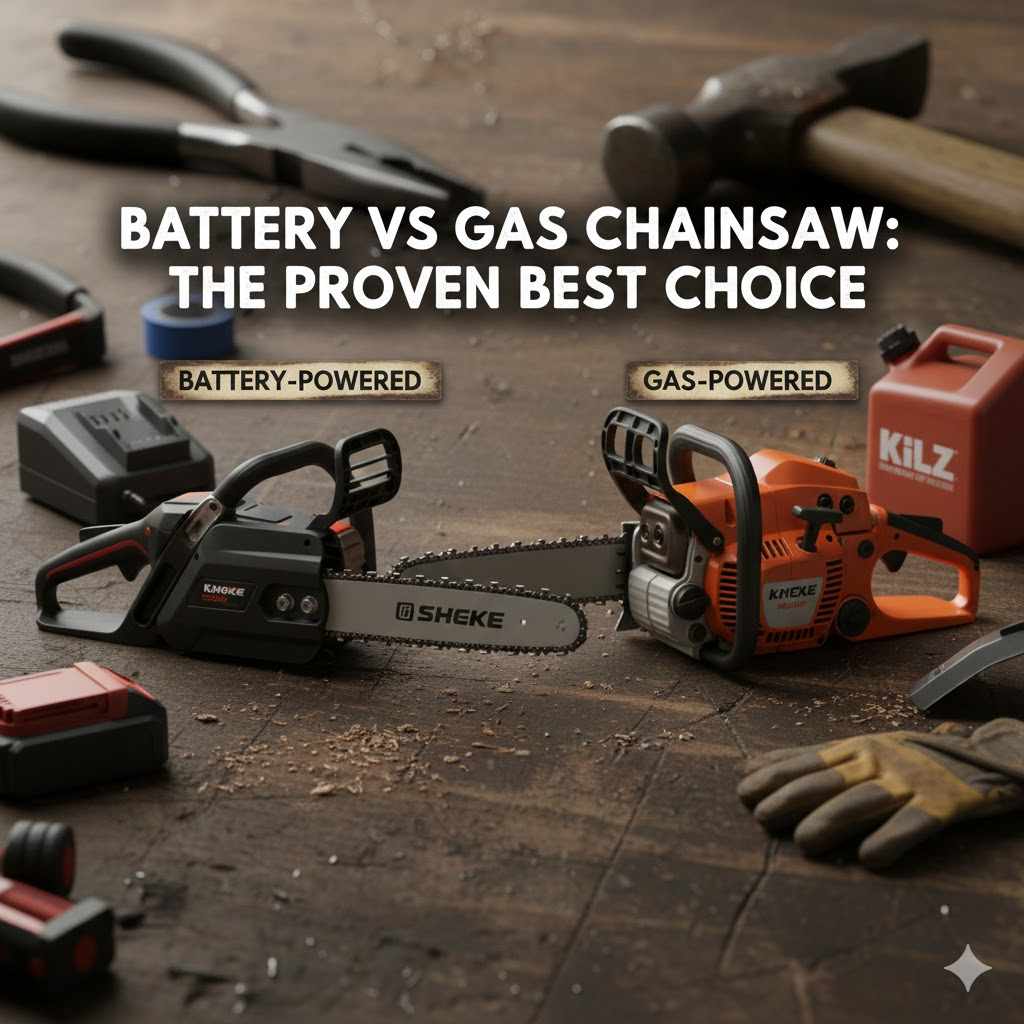
For most homeowners, DIYers, and general yard work, a battery chainsaw is the best choice. It offers unmatched ease of use, quiet operation, and low maintenance without the hassle of fuel mixing or pull-starts. While gas chainsaws provide more raw power for felling large trees, modern battery models are powerful enough for the vast majority of home projects.
Hello there, fellow creators and homeowners! It’s Md Meraj, and today we’re tackling one of the most common questions I hear in the workshop: should I get a battery or a gas chainsaw? Walking into the tool aisle can feel overwhelming. You see the loud, powerful gas models next to the sleek, quiet battery ones. It’s easy to feel stuck, worried you’ll make the wrong choice.
But don’t you worry. Making the right decision is much simpler than it seems. It’s not about which one is “better” overall, but which one is better for you. We are going to break it all down in a simple, friendly way. By the end of this guide, you’ll know exactly which chainsaw fits your needs and feel confident in your choice. Let’s get you the right tool for the job!
Understanding the Core Difference: How They Work
Before we dive into the pros and cons, let’s quickly understand the heart of each machine. Knowing what makes them run is the first step to figuring out which one belongs in your shed.
The Gas-Powered Engine
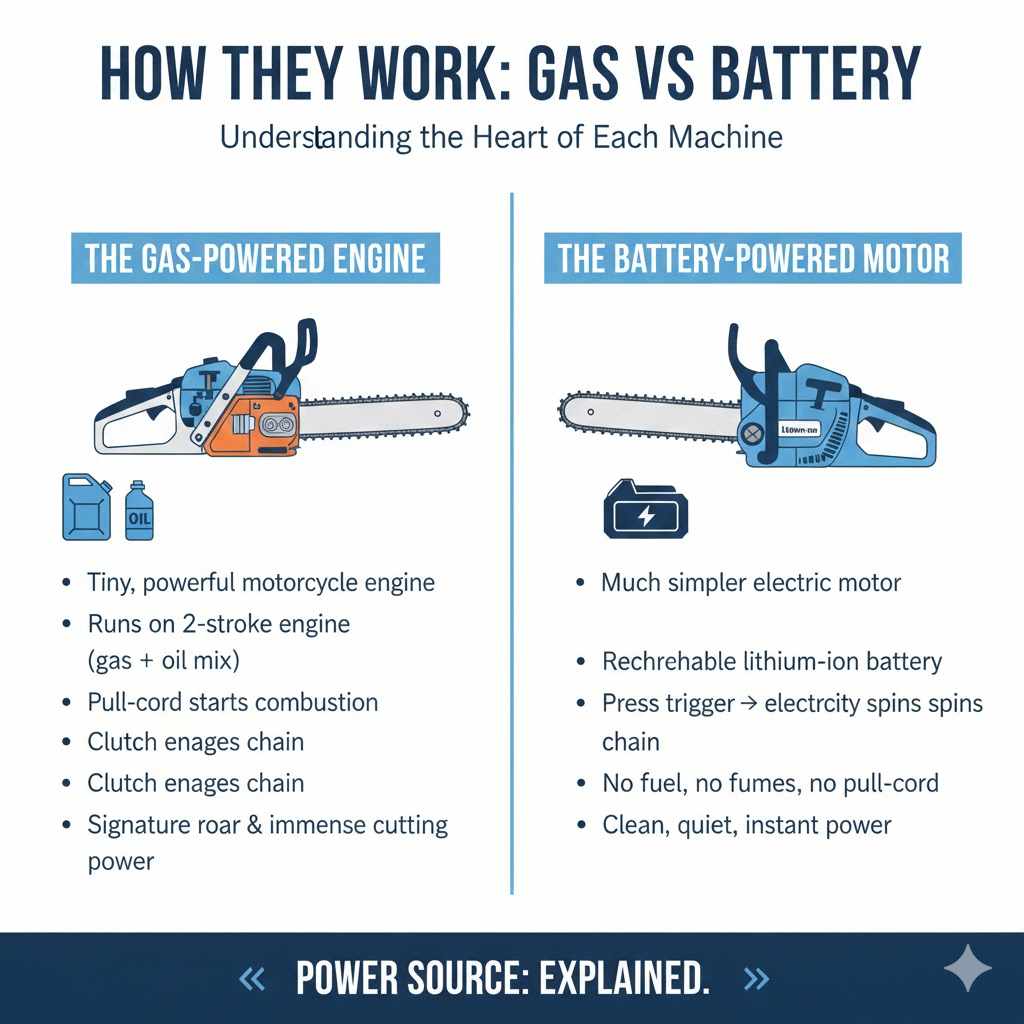
Think of a gas chainsaw like a tiny, powerful motorcycle engine that you hold in your hands. It runs on a two-stroke engine, which requires a precise mixture of gasoline and oil to work. You pull a cord to start a combustion process, which spins a clutch, engaging the chain to start cutting. This process is what gives it that signature roar and immense cutting power.
The Battery-Powered Motor
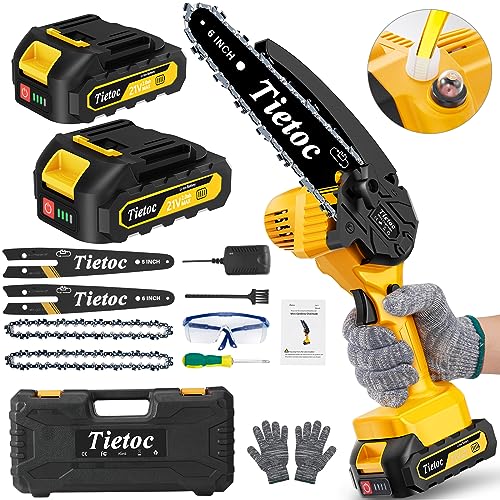
A battery chainsaw is much simpler. It uses a rechargeable lithium-ion battery to power an electric motor. When you press the trigger, electricity flows from the battery to the motor, which spins the chain. There’s no fuel, no fumes, and no pull-cord. It’s a clean, quiet, and instant power source, much like your favorite cordless drill, but on a much larger scale.
The Ultimate Showdown: Key Factors to Consider
Choosing your chainsaw comes down to a few key areas. Let’s compare them side-by-side so you can see which one aligns with your work style and project needs.
1. Power and Cutting Performance
This is often the first thing people think about. How well does it cut?
- Gas Chainsaws: Gas chainsaws are the undisputed champions of raw power. They have higher torque and faster chain speeds, which allows them to cut through large, dense hardwoods with ease. If your main job is felling big trees, bucking large logs for firewood, or clearing extensive property, the power of a gas model is a huge advantage.
- Battery Chainsaws: Don’t underestimate modern battery saws! Technology has improved dramatically. High-voltage (40V to 82V) battery chainsaws can handle surprisingly tough jobs, easily cutting through logs up to 16 inches in diameter or more. For most homeowners—trimming branches, cutting down small trees, or slicing up firewood for the backyard fire pit—a battery chainsaw provides more than enough power.
2. Ease of Use and Convenience
How much effort do you want to put in before you even start cutting? This is where the two types differ the most.
- Gas Chainsaws: Using a gas saw involves a ritual. You have to mix the gas and oil correctly, fuel it up, prime the engine, set the choke, and then pull the starter cord—sometimes multiple times. It can be finicky, especially in cold weather. It’s a learned skill.
- Battery Chainsaws: This is where battery models truly shine for homeowners. To start, you slide in a charged battery and press a button. That’s it. There’s no mixing fuel, no fumes, and no frustrating pull-starts. This “grab-and-go” convenience makes them perfect for quick, unplanned jobs around the yard.
3. Maintenance and Long-Term Care
Every tool needs a little love to keep it running well. But the amount of care required is very different between these two saws.
- Gas Chainsaws: A gas engine has many moving parts that require regular maintenance. This includes cleaning the air filter, replacing the spark plug, checking the fuel lines, and cleaning the carburetor. At the end of the season, you need to stabilize the fuel or drain it to prevent engine damage. It’s manageable, but it’s a commitment.
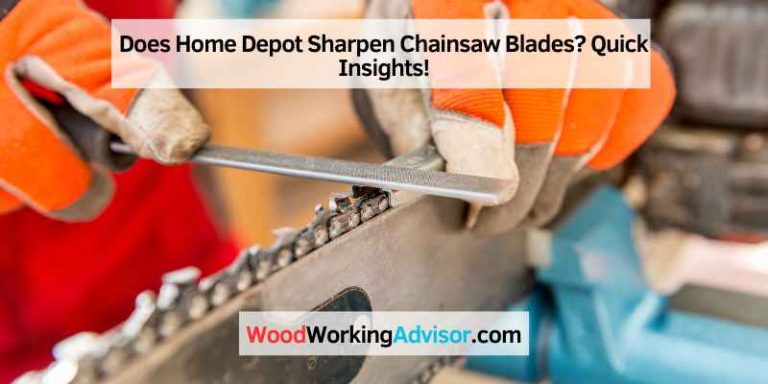
- Battery Chainsaws: Maintenance is beautifully simple. You need to keep the chain sharp and tensioned, and ensure the bar is lubricated—just like a gas saw. But that’s it. There are no air filters, no spark plugs, and no engine winterizing. This drastically reduces the time and effort needed to keep your tool in top shape.
Here’s a simple table to show you what regular upkeep looks like for each:
| Maintenance Task | Gas Chainsaw | Battery Chainsaw |
|---|---|---|
| Sharpen Chain | Yes | Yes |
| Check Bar & Chain Oil | Yes | Yes |
| Clean Air Filter | Yes | No |
| Replace Spark Plug | Yes (annually) | No |
| Mix/Add Fuel | Yes | No (just charge battery) |
| End-of-Season Fuel Draining | Yes | No |
4. Noise Levels and Emissions
Your ears and your neighbors will notice a huge difference between these two tools.
- Gas Chainsaws: Gas engines are loud, often exceeding 100 decibels. This means hearing protection is not just recommended—it’s absolutely essential for your safety. They also produce smelly exhaust fumes, which contain pollutants. The U.S. Environmental Protection Agency (EPA) has standards for these emissions, but they are still a significant factor.
- Battery Chainsaws: Battery saws are remarkably quiet. They only make noise when you pull the trigger and the chain is moving. This makes for a much more pleasant working experience and is far less likely to bother your family or neighbors. Plus, they produce zero emissions, making them a cleaner choice for you and the environment.
5. Total Cost: Upfront and Over Time
Budget is a big deal for everyone. It’s important to look at both the price tag on the shelf and the long-term running costs.
- Gas Chainsaws: Generally, a homeowner-grade gas chainsaw has a lower initial purchase price compared to a good battery model with a large battery and charger. However, you must factor in the ongoing costs of fuel, two-stroke oil, and engine maintenance parts like spark plugs and filters.
- Battery Chainsaws: A quality battery chainsaw kit (including the saw, one or two batteries, and a charger) can have a higher upfront cost. But the long-term costs are very low. The electricity to charge a battery is far cheaper than buying gas and oil. If you already own other tools from the same brand, you can often buy the “bare tool” and use the batteries you already have, saving you a lot of money.
6. Portability and Weight
A chainsaw is a tool you have to carry, sometimes for long periods. Weight and balance are key to comfort and safety.
- Gas Chainsaws: These are typically heavier due to the weight of the engine and the fuel tank. This extra weight can lead to fatigue more quickly, especially when you’re trimming branches overhead or working for an extended time.
- Battery Chainsaws: Battery saws are generally lighter and better balanced than their gas counterparts. This makes them easier to handle, especially for beginners or those who may not have as much upper body strength. They are less tiring to use for tasks like pruning and limbing.
Head-to-Head Comparison: Gas vs. Battery Chainsaw at a Glance
Sometimes a simple chart is the best way to see how things stack up. Here’s a quick-look table to help you compare the key features we’ve discussed.
| Feature | Gas Chainsaw | Battery Chainsaw |
|---|---|---|
| Power | Very High | Good to High (enough for most homeowners) |
| Best For | Large trees, thick hardwood, rural properties | Pruning, small trees, storm cleanup, general yard work |
| Starting | Pull-cord, can be difficult | Push-button, instant start |
| Noise Level | Extremely Loud | Very Quiet |
| Maintenance | High (fuel, filters, spark plugs) | Very Low (bar, chain, and oil only) |
| Weight | Heavier | Lighter |
| Ongoing Costs | Gas, oil, engine parts | Minimal (electricity) |
| Fumes | Yes | No |
Who Wins for You? Finding Your Perfect Match
So, we’ve laid it all out. Now it’s time to turn the focus back to you and your backyard. Answering these simple questions will point you directly to your ideal chainsaw.
Choose a Gas Chainsaw If…
- You live on a large property with many mature trees.
- Your primary job is felling trees over 18 inches in diameter.
- You need to cut large amounts of firewood from dense hardwoods.
- You need unlimited run time (you can just add more fuel) and are far from a power source.
- You are comfortable with performing regular engine maintenance.
Choose a Battery Chainsaw If…
- You are a homeowner with a typical suburban yard.
- Your main tasks are pruning, trimming branches, and cleaning up after storms.
- You need to cut down small- to medium-sized trees (up to 16 inches in diameter).
- You value quiet operation and want to avoid disturbing neighbors.
- You want a simple, hassle-free tool with minimal maintenance.
- You prioritize convenience and want a saw that starts with the push of a button.
Safety First: Essential Tips for Any Chainsaw
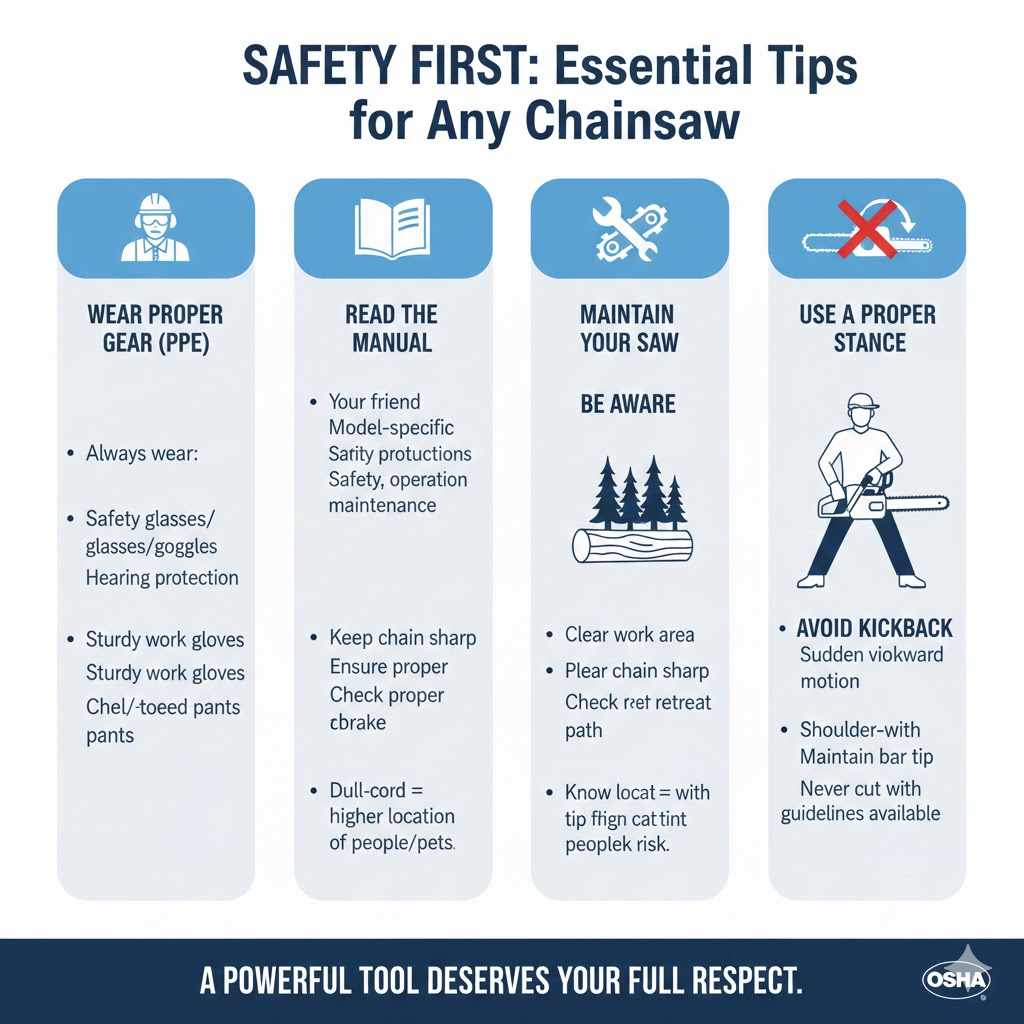
No matter which saw you choose, safety is the most important thing. A chainsaw is a powerful tool and deserves your full respect. Before you make your first cut, please internalize these rules.
- Wear Proper Gear (PPE): This is non-negotiable. Always wear safety glasses or goggles, hearing protection (especially for gas), sturdy work gloves, steel-toed boots, and chaps or chainsaw pants.
- Read the Manual: Your chainsaw’s manual is your best friend. It has specific instructions on safety, operation, and maintenance for your model. Read it from cover to cover.
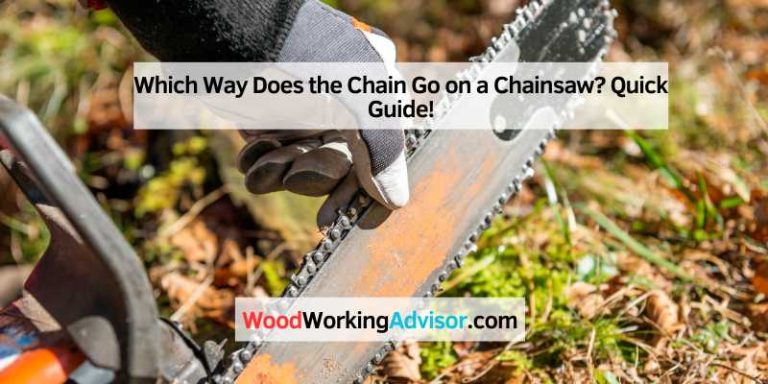
- Maintain Your Saw: A well-maintained saw is a safer saw. Keep the chain sharp and properly tensioned. A dull chain is more likely to kick back. Ensure the chain brake is working correctly.
- Be Aware of Your Surroundings: Make sure you have a clear work area and a planned retreat path before you start a cut. Know where other people and pets are at all times.
- Use a Proper Stance: Plant your feet firmly on the ground, shoulder-width apart, to maintain your balance. Get a firm grip on the saw with both hands.
- Avoid Kickback: Kickback is a sudden, violent upward and backward motion of the saw. It happens when the tip of the guide bar hits an object. To avoid it, never cut with the tip of the bar. For more detailed safety guidelines, you can always refer to expert resources like the Occupational Safety and Health Administration (OSHA).
Frequently Asked Questions (FAQ)
How long does a chainsaw battery last?
Run time depends on the battery’s size (Ah) and the difficulty of the cut. For typical use like trimming branches, a good 4.0Ah or 5.0Ah battery might last 30-60 minutes. For continuous heavy cutting, it could be less. Many homeowners find that one battery is enough to finish their yard work, and having a second one on hand eliminates any downtime.
Are battery chainsaws powerful enough to cut down a tree?
Absolutely! A quality modern battery chainsaw with a 14-inch or 16-inch bar can easily cut down small- to medium-sized trees. For the average tree you’d find in a suburban backyard, a battery saw has more than enough power to do the job safely and effectively.
Is it hard to mix fuel for a gas chainsaw?
It’s not hard, but it must be done precisely. You have to mix the correct ratio of gasoline to two-stroke oil (e.g., 50:1 or 40:1) as specified by the manufacturer. Using the wrong ratio can permanently damage the engine. You also have to use fresh fuel, as gasoline can go bad in a few months.
Can I use the same battery for my chainsaw and other tools?
Yes, and this is a huge advantage! Most major brands (like DeWalt, Milwaukee, EGO, and Ryobi) have a battery platform that works across their entire line of tools. If you already have a drill or leaf blower from a brand, you can buy a “bare tool” chainsaw and use the batteries you already own, saving you a significant amount of money.
What’s the most important safety feature on a chainsaw?
The single most important safety feature is the chain brake. It’s designed to stop the chain from spinning almost instantly in the event of kickback. Always test the chain brake to ensure it is working properly before you start using your saw, whether it’s gas or battery.
Do I still need bar and chain oil for a battery chainsaw?
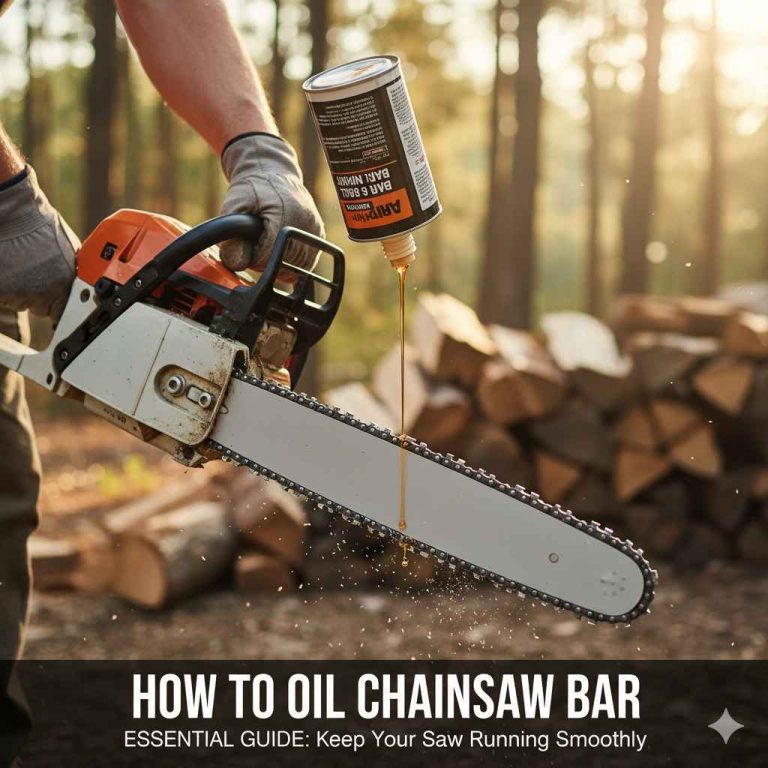
Yes, you do. Bar and chain oil is crucial for both gas and battery saws. It lubricates the bar and chain, reducing friction and heat. This prevents premature wear and ensures smooth, safe cutting. All chainsaws have a separate reservoir for this oil.
The Final Cut: Making Your Confident Choice
We’ve covered a lot of ground today, and I hope you’re feeling much clearer and more confident. The choice between a battery and gas chainsaw isn’t about which tool is better, but about which tool is your trusted partner for the work you need to do.
For the vast majority of homeowners, the answer is a battery chainsaw. The combination of grab-and-go convenience, quiet operation, and incredibly low maintenance makes it the perfect tool for keeping your property neat and tidy. You get all the power you need for everyday tasks without any of the hassle.
A gas chainsaw still has its place for those with heavy-duty, demanding workloads. But for your weekend projects, storm cleanup, and general yard maintenance, I truly believe you’ll be happier and more productive with the simplicity and ease of a modern battery-powered saw.
Go forward with confidence, choose the tool that fits your life, and always remember to work safely. Happy cutting!