Beech Wood Vs Oak: Essential Guide
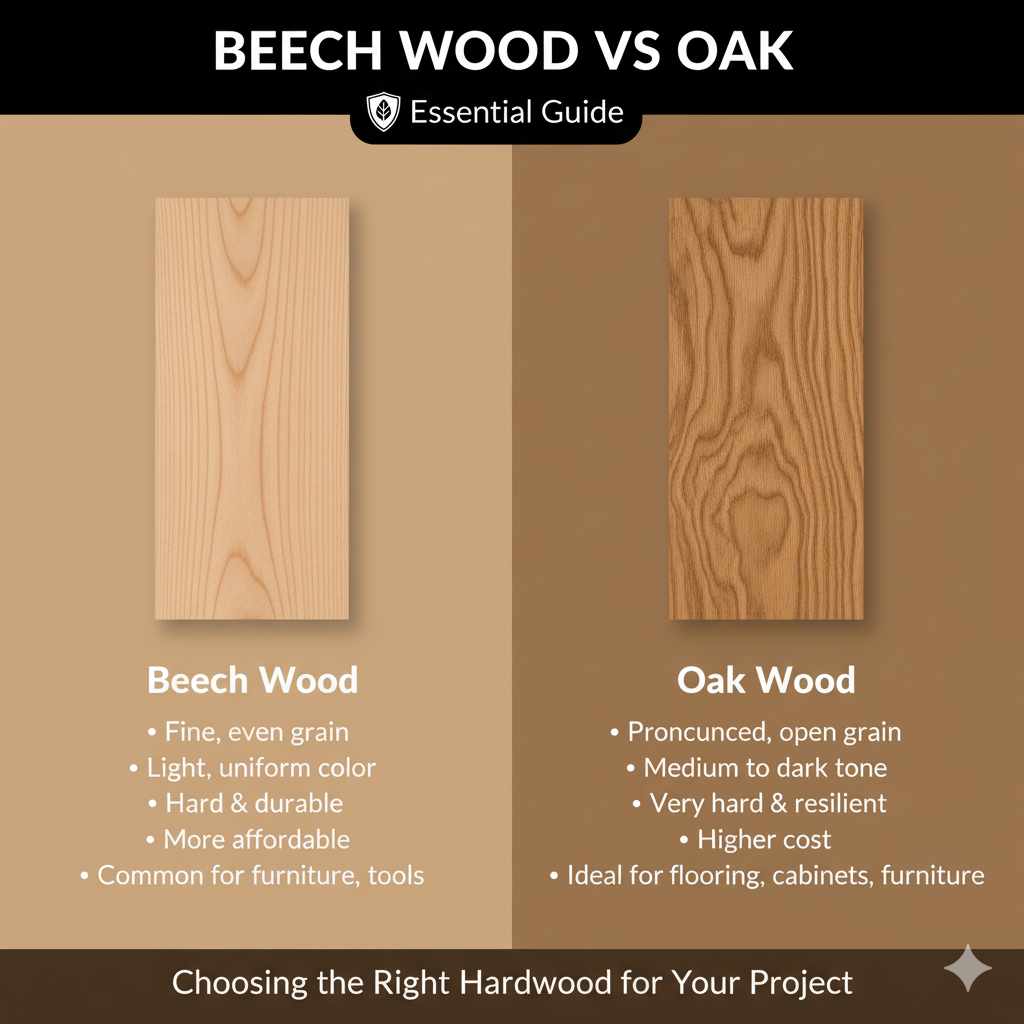
Beech wood offers a smooth, consistent grain and pale color, ideal for furniture and flooring where a uniform look is desired and is generally more budget-friendly. Oak, known for its prominent grain, exceptional durability, and rich color, is a premium choice for robust, high-traffic furniture and cabinetry, though it typically comes at a higher cost.
Choosing the right wood can feel like a big decision when you’re starting out in woodworking or tackling a home project. You see beautiful furniture, sturdy floors, and charming cabinets, and you wonder, “What wood did they use?” Two names that pop up often are beech and oak. They both look great, but how do you know which one is best for your project? Don’t worry, it’s not as complicated as it seems! We’re going to break down beech wood vs oak so you can pick confidently. We’ll look at what makes them special, how they compare, and what projects they’re perfect for. By the end, you’ll be ready to select the wood that fits your needs and budget. Let’s get started!
Beech Wood Vs Oak: The Beginner’s Cheat Sheet
When you’re new to woodworking, the sheer variety of timbers can be overwhelming. Two very popular choices, beech and oak, frequently appear in furniture, flooring, and cabinetry. Understanding the key differences between them will help you make the best choice for your next project. This guide will simplify the comparison, looking at their appearance, strength, workability, and cost.
What is Beech Wood?
Beech wood, scientifically classified as Fagus, is a hardwood known for its pale, creamy color and fine, straight grain. It’s a popular choice for many applications due to its uniformity and smooth finish. Beech trees are found primarily in Europe and North America, and their wood is valued for its strength and stability.
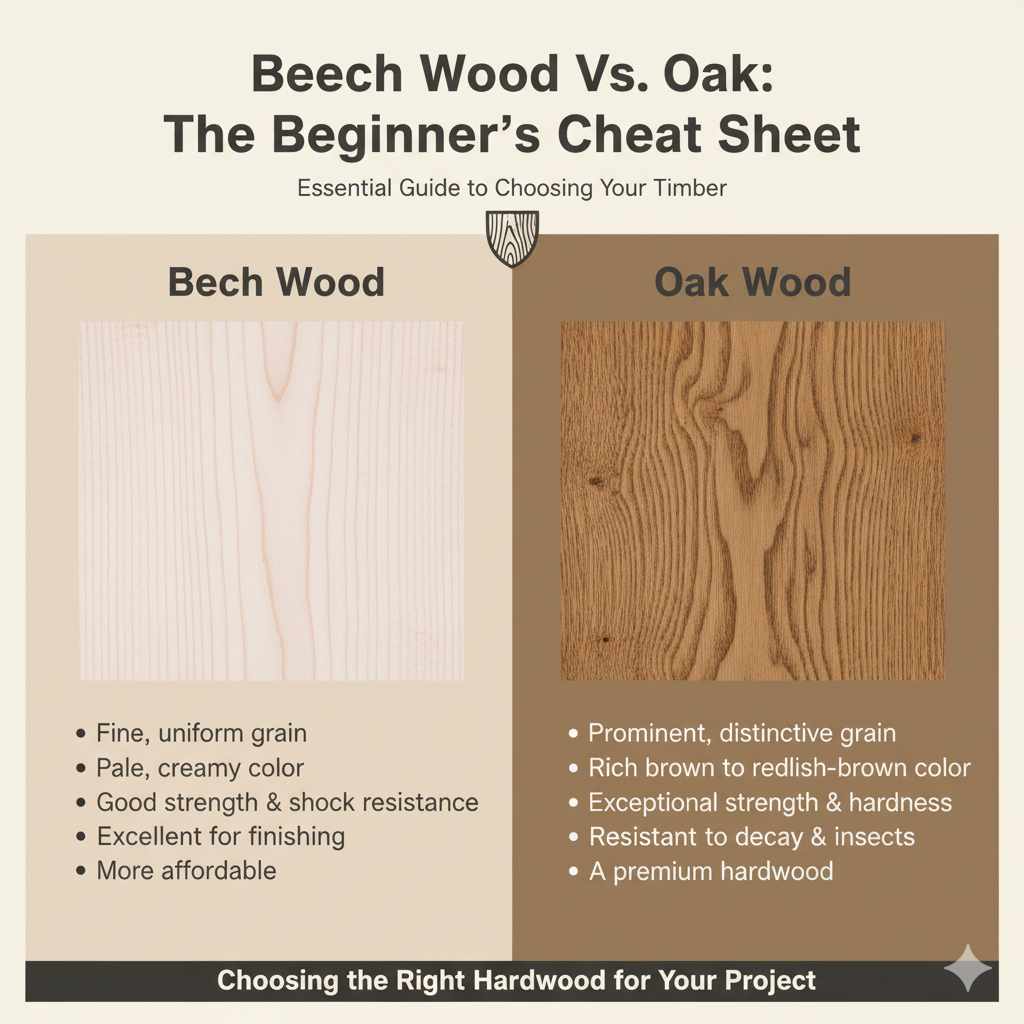
Appearance: Typically a pale, pinkish-white to light brown color with a fine, even texture. The grain is usually straight but can sometimes feature subtle wavy patterns. It takes stains and finishes very well, allowing for a wide range of looks.
Durability & Strength: Beech is a strong and hard wood, comparable in hardness to some types of oak. It’s known for its excellent shock resistance, making it suitable for items that experience a lot of wear and tear, like tool handles or children’s toys. However, it is less resistant to moisture and decay than oak.
Workability: Beech machines, sands, and finishes smoothly. It’s relatively easy to work with hand and power tools, though it can sometimes have a slight tendency to burn when cut or machined if you’re not careful. It glues well and holds screws and nails effectively.
Cost: Generally more affordable than oak, beech wood is a great option when you want a strong hardwood without the premium price tag.
Key Characteristics of Beech Wood
Uniform, fine grain
Pale, creamy to pinkish-white color
Good strength and shock resistance
Excellent for finishing and painting
More budget-friendly than oak
What is Oak Wood?
Oak wood, from trees in the Quercus genus, is one of the most sought-after hardwoods for furniture and construction. It’s renowned for its distinctive grain patterns, impressive strength, and natural resistance to decay and insects, especially the white oak varieties. There are many species of oak, with Red Oak and White Oak being the most common in lumber markets.
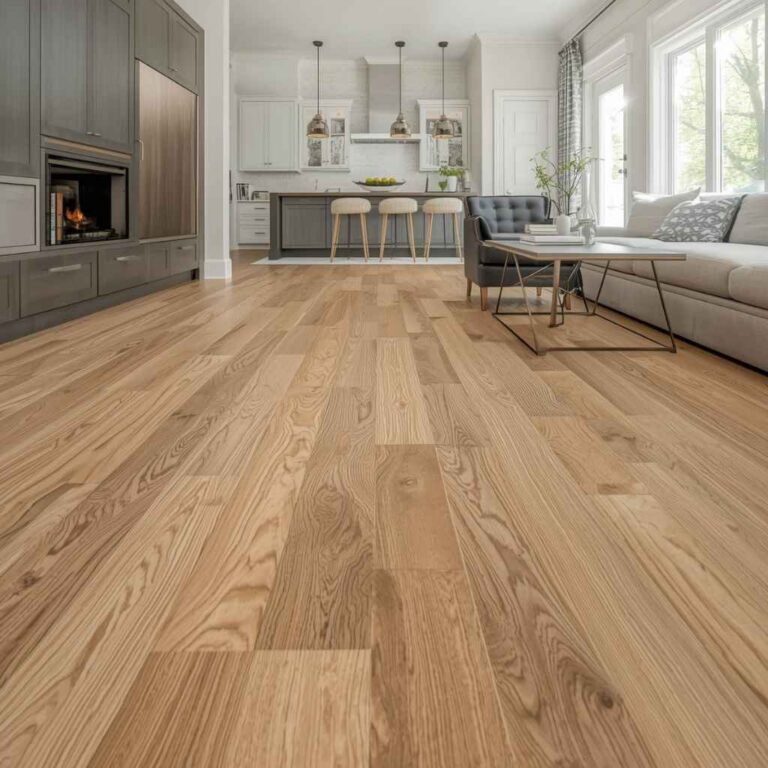
Appearance: Oak typically has a more pronounced and varied grain structure than beech, often featuring prominent “rays” that give it a characteristic flecked or figured appearance, especially in quartersawn cuts. Its color ranges from light brown to reddish-brown for Red Oak, and a more greyish-brown for White Oak. It accepts stains well but is often finished naturally to showcase its beautiful grain.
Durability & Strength: Oak is exceptionally strong, hard, and durable. It stands up very well to wear, scratches, and dents. White Oak, in particular, has excellent natural resistance to moisture, rot, and insects, making it a traditional choice for outdoor furniture, boat building, and flooring exposed to moisture. Red Oak is also durable but less resistant to water.
Workability: While strong, oak can be more challenging to work with than beech. Its hardness can dull tools faster, and prominent grain can sometimes lead to tear-out during machining if not done carefully. It glues well, but pilot holes are often recommended for nails and screws to prevent splitting.
Cost: Oak is generally more expensive than beech wood, reflecting its premium qualities like durability, resistance, and distinctive aesthetic.
Key Characteristics of Oak Wood
Prominent, distinctive grain patterns (often with rays)
Rich brown to reddish-brown color
Exceptional strength and hardness
Good resistance to wear, decay, and insects (especially White Oak)
A premium hardwood choice
Beech Wood Vs Oak: A Direct Comparison
Now that we know a bit about each, let’s put them side-by-side on some key features that matter to beginners.
Appearance: Grain and Color
Beech: Think smooth, understated elegance. Its grain is fine and straight, often with a subtle ripple or wave. The color is a pale, creamy white, sometimes with a slight pinkish hue. If you like a clean, modern look or want a wood that takes paint or stain evenly for a uniform color, beech is fantastic. Websites like The Wood Database offer detailed visual and technical specs.
Oak: Imagine a wood with more personality and visible character. Oak’s grain is much more prominent, with clear growth rings and distinctive “flame” or “cathedral” patterns. It also features visible medullary rays, which create attractive flecks and figures, especially in higher-quality cuts like quartersawn. Oak’s color varies from light tan to medium brown for Red Oak, and a more golden or greyish-brown for White Oak. It’s this strong grain and natural warmth that many people fall in love with when choosing oak.
Strength and Durability
This is where both woods shine, but with slight differences.
Beech: Beech is a very strong hardwood, ranking high on the Janka hardness scale (a measure of wood’s resistance to denting and wear). It’s particularly known for its excellent shock resistance, making it a good choice for things that might get dropped or banged, like workbenches or tool handles. However, beech is not naturally resistant to moisture or decay.
Oak: Oak is a champion of durability. Both Red and White Oak are very hard and dense, offering superb resistance to wear, scratches, and impacts. White Oak, in particular, has great natural resistance to moisture and rot, a characteristic that made it a historic choice for shipbuilding and outdoor furniture. For flooring in high-traffic areas or kitchen cabinets, oak is a top-tier choice for longevity.
Workability: How Easy Are They to Use?
As a beginner, how easily a wood cuts, sands, and joins is crucial.
Beech: Beech is generally considered easier to work with than oak. It machines cleanly, sands to a very smooth finish, and glues reliably. The only minor caution is that it can be prone to scorching if you’re using power tools at high speeds, so keeping blades sharp and steady is key.
Oak: Oak’s hardness, while a strength, can make it a bit more challenging to work. It can dull tools faster, and its prominent grain can sometimes lead to tear-out (where the wood fibers splinter) during planing or routing if you’re not using sharp tools and proper technique. It glues well, but for fasteners like nails and screws, drilling pilot holes is often necessary to prevent splitting.
Here’s a quick look at their physical properties:
| Property | Beech Wood | Oak Wood (Average) |
|---|---|---|
| Janka Hardness (lbs) | 1300 – 1450 | 1290 (Red Oak) – 1350 (White Oak) |
| Density (lbs/ft³) | ~45 | ~48 (Red Oak) – ~47 (White Oak) |
| Average Shrinkage (Radial) | ~5.2% | ~4.5% (Red Oak) – ~4.0% (White Oak) |
| Moisture Resistance | Low / Moderate | Moderate (Red Oak) / High (White Oak) |
| Insect Resistance | Low | Moderate (Red Oak) / High (White Oak) |
Note: Janka hardness varies based on specific species and growing conditions. Furniture-grade lumber often has slightly different properties.
Cost: Budget Considerations
This is often a deciding factor for DIYers and homeowners.
Beech: Beech is typically more affordable than oak. You get a lot of the benefits of a hardwood – strength, stability, and a pleasing appearance – at a lower price point. This makes it an excellent value for projects where budget is a concern but you still want quality.
Oak: Oak is a premium choice, and its price reflects that. You’re paying for its exceptional durability, distinctive beauty, and (in the case of White Oak) its natural resistance to moisture and decay. If you have the budget and want the absolute best in terms of longevity and classic good looks, oak is a worthwhile investment.
When to Choose Beech Wood
Beech wood is a fantastic choice for a variety of projects, especially when you prioritize a smooth, consistent finish, good value, and ease of use.
Here are some ideal applications for beech:
- Indoor Furniture: Especially for items like tables, chairs, cabinets, and shelves where a smooth, clean aesthetic is desired. It takes paint and stain beautifully, allowing you to customize the look.
- Cabinetry and Paneling: Its fine grain makes for a very sleek and modern look when painted or finished naturally.
- Flooring: Because of its hardness and smooth surface, beech flooring is a durable and attractive option for interior use.
- Children’s Furniture and Toys: Its safety (no splinters due to fine grain) and shock resistance make it ideal for items that need to be robust and safe.
- Tool Handles and Workbenches: Its ability to withstand impact makes it perfect for durable, long-lasting tools and heavy-duty work surfaces.
- Veneers and Plywood: Beech is often used as a core material or face veneer in high-quality plywood and veneer applications due to its stability and smooth surface.
- Musical Instruments: The resonant qualities of beech make it suitable for certain instrument parts, like piano actions.
Why choose beech? You want a strong, stable hardwood that’s easier on your wallet and your tools, and you appreciate a clean, uniform look over a highly figured grain.
When to Choose Oak Wood
Oak’s reputation for strength, longevity, and classic beauty makes it a prime candidate for projects where durability and a distinguished appearance are paramount.
Here are some excellent uses for oak:
- High-Traffic Flooring: Oak is legendary for its ability to withstand heavy foot traffic year after year. Its hardness means it resists denting and scratching well.
- Kitchen Cabinets and Countertops: The durability and moisture resistance (especially White Oak) make it perfect for kitchens. Its rich look adds warmth and elegance.
- Heavy-Duty Furniture: Think dining tables, robust chairs, entertainment centers, and beds that are built to last for generations.
- Outdoor Furniture and Structures (White Oak): For benches, picnic tables, fence posts, and decks where resistance to the elements is needed, White Oak is an exceptional choice.
- Doors and Window Frames: Its strength and natural weather resistance (White Oak) make it ideal for exterior architectural elements.
- Boat Building (White Oak): Historically, White Oak’s resilience to water and rot made it indispensable for boat hulls and structural components.
- Decorative Millwork and Trim: The prominent grain patterns of oak lend themselves beautifully to mouldings, chair rails, and other decorative interior features.
Why choose oak? You’re looking for maximum durability and resilience, you love the distinctive look of a strong wood grain, and you’re willing to invest a bit more for wood that will stand the test of time and potentially the elements.
How to Finish Beech and Oak
Finishing is like the cherry on top for any woodworking project. It protects the wood and brings out its natural beauty. Both beech and oak finish nicely, but they benefit from slightly different approaches to highlight their best features.
Finishing Beech Wood
Beech’s fine, uniform grain makes it a pleasure to finish. It’s very receptive to a wide range of finishes.
Natural Finish: To showcase its pale, creamy color and subtle grain, a clear coat of polyurethane, lacquer, or Danish oil is a great choice. This highlights its natural, understated beauty.
Staining: Beech takes stain very evenly and deeply. This is where you can get creative! You can achieve a wide spectrum of colors, from light ash tones to deep ebony. Because the grain is so consistent, you’ll rarely encounter blotching, which can be an issue with more open-grained woods.
Painting: If you want a solid color finish, beech is an excellent candidate. Its smooth surface provides a perfect base for primer and paint, resulting in a flawless, opaque finish.
Beginner Tip: Always test your chosen sandpaper grits and finish on a scrap piece of wood first. This will show you how the wood will look and help you avoid mistakes on your project piece.
Finishing Oak Wood
Oak’s prominent grain and color variations offer a different kind of finishing experience, often aimed at enhancing its natural character.
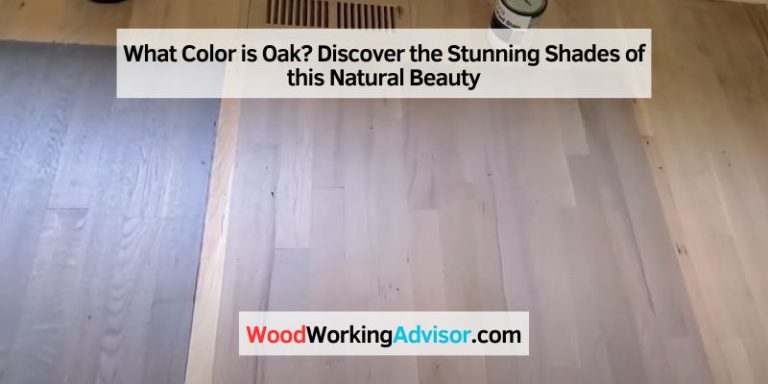
Natural Finish: A clear finish like polyurethane or a penetrating oil will protect the wood and bring out the rich tones and the dramatic grain patterns. Be aware that some clear finishes can slightly yellow the wood over time, which can be desirable for an aged look.
Staining: Oak stains beautifully, but its open grain can sometimes lead to a slightly blotchy appearance if not prepared correctly. A pre-stain wood conditioner is highly recommended for oak to ensure a more uniform color absorption. Oak stains can range from light, natural tones to dark, rich hues, really emphasizing the grain’s texture.
Using Finishes to Enhance Grain: For oak, finishes are often chosen to make the grain pop. For example, a darker stain can get into the grain valleys, and then a clear topcoat applied over that emphasizes the raised grain ridges.
For both woods, proper preparation is key. Sanding through progressively finer grits (e.g., 100, 150, 220) will ensure a smooth surface ready for any finish. Make sure to remove all dust between grits!
Safety First: Working with Wood
No matter what type of wood you choose, safety in the workshop is non-negotiable. Woodworking involves sharp tools, dust, and power equipment, so always take precautions.
Eye Protection: Always wear safety glasses or goggles when cutting, sanding, or doing any work that might send debris flying.
Hearing Protection: Power tools can be very loud. Use earplugs or earmuffs to protect your hearing.
Dust Mask/Respirator: Wood dust can be harmful to your lungs. Wear a dust mask or respirator, especially during sanding and cutting. For more fine dust, a respirator is highly recommended. The Occupational Safety and Health Administration (OSHA) provides guidelines on controlling dust exposure.
Sharp Blades: Keep your saw blades, router bits, and chisels sharp. Sharp tools are safer because they require less force and are less likely to slip.
Know Your Tools: Read the manuals for your tools and understand how they operate before using them.
Secure Your Work: Always clamp your wood securely before cutting or shaping it.
Clean Workspace:** Keep your work area tidy. Clutter can lead to trips and accidents.

Frequently Asked Questions about Beech Wood vs Oak
What is the main difference between beech and oak wood?
The main difference lies in their appearance and grain. Beech has a fine, uniform, pale grain, while oak has a more prominent, distinctive grain with visible rays and patterns. Oak is also generally considered more durable and moisture-resistant, especially White Oak.
Is beech wood as strong as oak wood?
Beech is a very strong hardwood, and its hardness is comparable to oak on the Janka scale. Both are excellent for furniture and high-wear applications. However, oak, particularly White Oak, has better natural resistance to moisture and rot.
Which wood is better for flooring: beech or oak?
Both can make excellent flooring. Oak is a more traditional choice, especially for high-traffic areas, due to its extreme durability and classic look. Beech is also hard and durable, offers a smoother, more contemporary aesthetic, and is often more budget-friendly. Your choice depends on the desired look and your budget.
Is beech wood more or less expensive than oak?
Beech wood is typically less expensive than oak. Oak is considered a premium hardwood, while beech offers great value for its strength and appearance at a lower price point.