Behr vs Rustoleum Spray Paint: Essential Guide
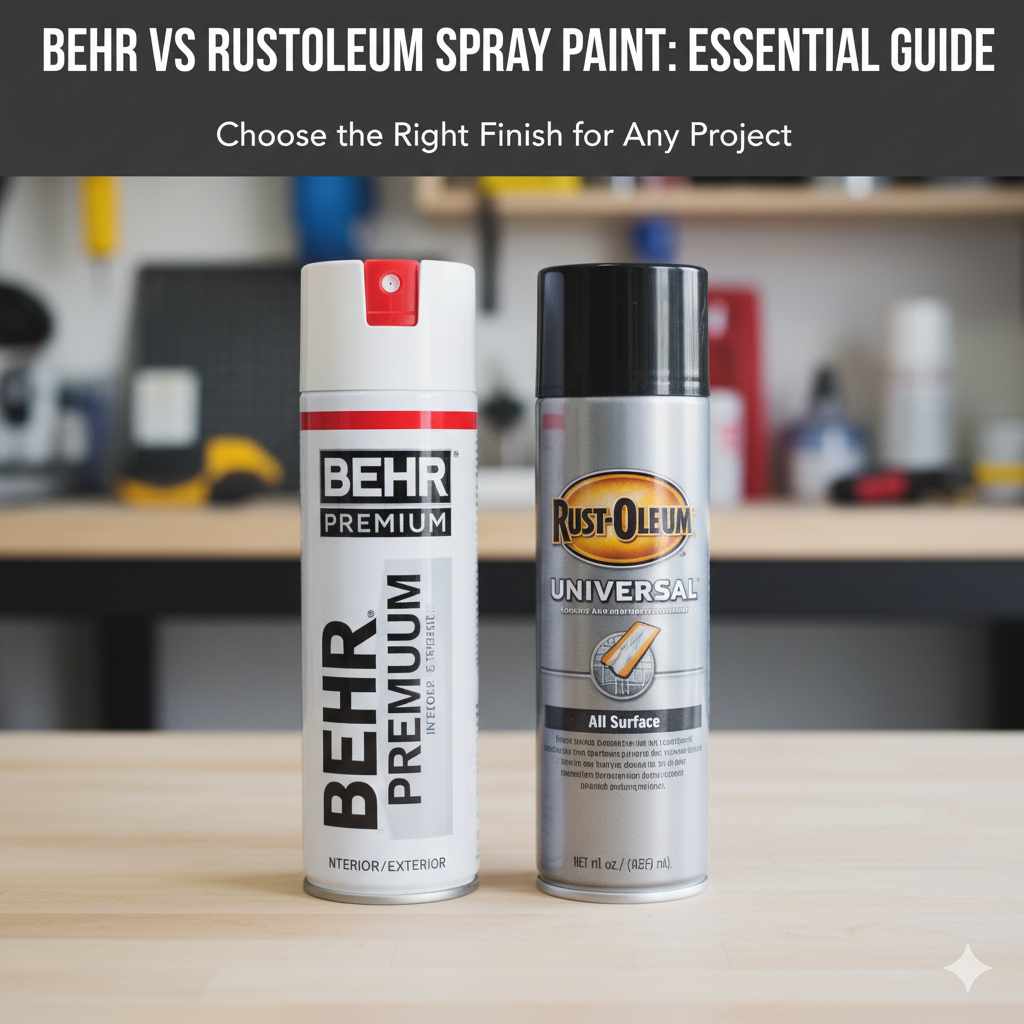
Behr vs. Rustoleum spray paint? For beginners, Behr offers richer colors and a smoother finish, while Rustoleum excels in durability and a wider range of specialty applications. Both are excellent choices for DIY projects, but understanding their strengths helps you pick the best one for your needs.
Choosing the right spray paint can make a huge difference in your DIY projects. It’s like picking the perfect tool for a woodworking job – the right one makes everything easier and the results much better! Many of us wonder about Behr spray paint versus Rustoleum spray paint. Which one is best for that furniture flip or craft project? Don’t worry, it’s a common question, and we’ll clear it all up. We’ll walk through what each brand brings to the table, so you can feel confident picking up the can that’s right for you. Let’s get painting!
Behr vs. Rustoleum Spray Paint: A Beginner’s Breakdown
As Md Meraj, your woodworking mentor, I understand that starting a new project can sometimes feel a little daunting. The sheer number of choices, especially with something as common as spray paint, can be overwhelming. You’ve probably seen both Behr and Rustoleum cans at your local hardware store, looking similar yet different. You might be asking yourself: “Which one will give me that smooth, professional finish I’m hoping for?” Or perhaps, “Which paint will actually last and not chip after a few weeks?”
This guide is here to help you answer those questions. We’ll break down the key differences between Behr and Rustoleum spray paints in a way that’s easy to understand. We’ll look at what makes each brand special, where they shine, and where they might fall a bit short for certain tasks. Think of this as learning the grain of the wood before you start sawing – knowing your materials makes all the difference. We’ll cover everything from coverage and finish to durability and special features, empowering you to make the best decision for your next creative endeavor.
Understanding Spray Paint Basics for DIYers
Before we dive specifically into Behr and Rustoleum, let’s briefly touch on what makes spray paint so handy for DIYers. Its main advantage is its ability to apply a thin, even coat of color to almost any surface with minimal effort. Unlike brushes or rollers, sprayers get into nooks and crannies easily, providing a smooth, factory-like finish, especially on intricate pieces. However, achieving that perfect finish requires a bit of understanding about preparation, technique, and the paint itself.
Key factors to consider with any spray paint include:
- Coverage: How well does one coat hide the original surface?
- Adhesion: How well does the paint stick to different materials?
- Durability: How well does it resist scratches, chips, and fading?
- Finish: What kind of sheen does it have (e.g., matte, satin, gloss)?
- Drying Time: How long does it take to dry to the touch and to fully cure?
- Specialty Formulas: Does it offer specific benefits like rust prevention or heat resistance?
With these basics in mind, let’s look at our two contenders.
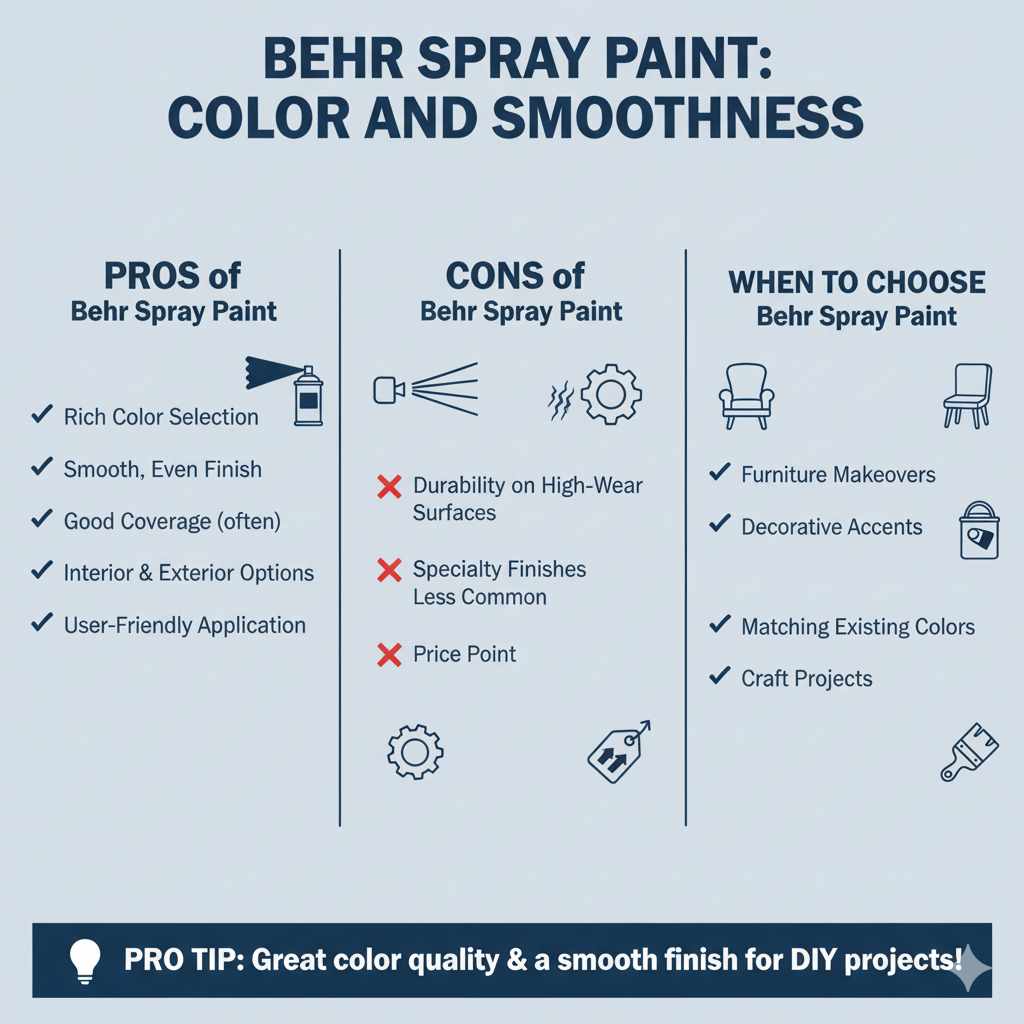
Behr Spray Paint: Color and Smoothness
Behr is a name well-known in the world of home renovation, especially for their interior and exterior house paints. Their foray into spray paints brings that same focus on color quality and a great finish to smaller projects. If you’re looking for a spray paint that offers a beautiful, cohesive look with excellent color options, Behr is definitely worth a close look.
Pros of Behr Spray Paint
- Rich Color Selection: Behr often boasts a wide palette of colors, many of which are derived from their popular house paint lines. This means you can often match colors you’ve used elsewhere in your home or find unique shades.
- Smooth, Even Finish: Many users report that Behr spray paint provides a very smooth and consistent finish, reducing the appearance of brush strokes and minimizing overspray. This is often due to the quality of the paint itself and the nozzle design.
- Good Coverage (often): While actual coverage can vary by color and surface, Behr paints are generally known for good hiding power, meaning you might need fewer coats.
- Interior & Exterior Options: Behr offers formulations suitable for both indoor and outdoor use, providing versatility for various projects.
- User-Friendly Application: The sprayers are typically designed for easy handling, with comfortable trigger mechanisms and predictable spray patterns.
Cons of Behr Spray Paint
- Durability on High-Wear Surfaces: While durable enough for many decorative projects, Behr spray paint might not be the first choice for items that experience very heavy use, like floors or frequently handled tool handles, unless specifically formulated for such.
- Specialty Finishes Less Common: Compared to Rustoleum, Behr might have fewer specialized formulas like high-heat paints or advanced rust reformers.
- Price Point: Sometimes, Behr products can be priced slightly higher than some competing brands, reflecting their brand reputation and quality.
When to Choose Behr Spray Paint
Behr spray paint is an excellent choice for:
- Furniture Makeovers: Painting cabinets, tables, chairs, or dressers where a beautiful, smooth finish is paramount.
- Decorative Accents: Spraying picture frames, vases, decorative boxes, or indoor garden pots.
- Matching Existing Colors: When you want to match a spray paint color to a Behr interior or exterior paint color.
- Craft Projects: For kids’ crafts or personalized gifts where color vibrancy and a clean look are key.
Rustoleum Spray Paint: Durability and Specialty Features
Rustoleum is a giant in the spray paint world, with a long-standing reputation for protecting surfaces, especially from rust. They offer an incredibly diverse range of products designed for specific jobs, from tackling rusty metal to creating unique textures. If you need a tough, long-lasting finish or a paint for a challenging surface, Rustoleum is likely to have a solution.
Pros of Rustoleum Spray Paint
- Exceptional Durability: Rustoleum’s core strength lies in its protective qualities. Many of their formulas are designed to be highly resistant to chipping, scratching, and fading, making them ideal for high-traffic items.
- Rust Prevention: Their “Stops Rust” line is legendary for its ability to prime and paint over rust, preventing its spread and protecting metal surfaces for years. This is a huge advantage for outdoor furniture, metal gates, or machinery.
- Vast Specialty Formulas: This is where Rustoleum truly shines. They offer paints for almost anything:
- High-Heat Paint: For grills, engines, or fire pits.
- Appliance Epoxy: For a durable, glossy finish on appliances.
- Textured Paints: Like stone, hammered metal, or glitter finishes.
- Chalkboard Paint & Magnetic Primer: For creative projects.
- Plastic & Fabric Sprays: Designed to adhere to specific substrates.
- Bonding Primer: To help paint stick to tricky surfaces like laminate or tile.
- Broad Availability and Price: Rustoleum is widely available and often comes in at competitive price points, making it a very accessible DIY option.
- Excellent Adhesion: Their primers and paints are formulated to stick well to a wide variety of surfaces, including metal, wood, plastic, and masonry.
Cons of Rustoleum Spray Paint
- Finish Quality Can Vary: While some Rustoleum paints offer a very smooth finish, others, especially textured varieties, may not achieve the same level of polish as a Behr paint intended for purely aesthetic purposes.
- Overspray: Some Rustoleum formulations, particularly those designed for heavy-duty protection, can sometimes produce more overspray if not applied carefully.
- Color Palette for Standard Paints: While their specialty lines have unique colors, the standard color selection might feel less extensive or vibrant compared to Behr’s curated interior-inspired palettes, depending on the specific product line.
When to Choose Rustoleum Spray Paint
Rustoleum spray paint is your go-to for:
- Protecting Metal: Painting outdoor furniture, metal railings, bike frames, or any item prone to rust.
- High-Wear Surfaces: Applying a durable coat to items that get a lot of use, like tool handles, play equipment, or tabletops that need extra resilience.
- Specialty Projects: When you need a specific effect or property, such as a chalkboard surface, a textured look, or heat resistance.
- Painting Tricky Materials: Especially plastics, laminates, or even tile, with the right Rustoleum primer and topcoat.
- Budget-Conscious Projects: When cost-effectiveness is a major consideration, and you still need good performance.
Key Differences: Behr vs. Rustoleum Spray Paint
Let’s put them side-by-side to see the main distinctions. This table should help you quickly assess which paint might be the better fit for your project:
| Feature | Behr Spray Paint | Rustoleum Spray Paint |
|---|---|---|
| Primary Strength | Aesthetic finish, color depth, smooth application | Durability, rust protection, vast specialty options |
| Finish Quality | Generally very smooth and refined | Varies; can be smooth, but some textured finishes exist |
| Color Selection | Wide range, often inspired by interior paint palettes | Good standard colors, extensive unique colors for specialty lines |
| Durability | Good for general use, suitable for furniture and decor | Excellent, especially for high-wear, metal, and outdoor items |
| Specialty Formulas | Fewer specialty options | Extensive range (high-heat, textured, epoxy, etc.) |
| Rust Protection | Not a primary focus unless specified | A core feature for many product lines (e.g., Stops Rust) |
| Adhesion to Difficult Surfaces | Good, but may require specific primers | Excellent, with many products and primers designed for specialty adhesion |
| Price | Mid-range to Slightly Higher | Mid-range, often very competitive |
| Best For | Furniture, decor, craft projects requiring a beautiful, smooth finish | Metal, outdoor items, high-wear surfaces, projects needing specific properties (texture, heat resistance, etc.) |
How to Use Spray Paint for the Best Results (Beginner Tips)
No matter which brand you choose, proper technique is crucial for a great finish. Think of it like sanding wood – the right technique makes all the difference. Here’s how to get the most out of your spray paint can:
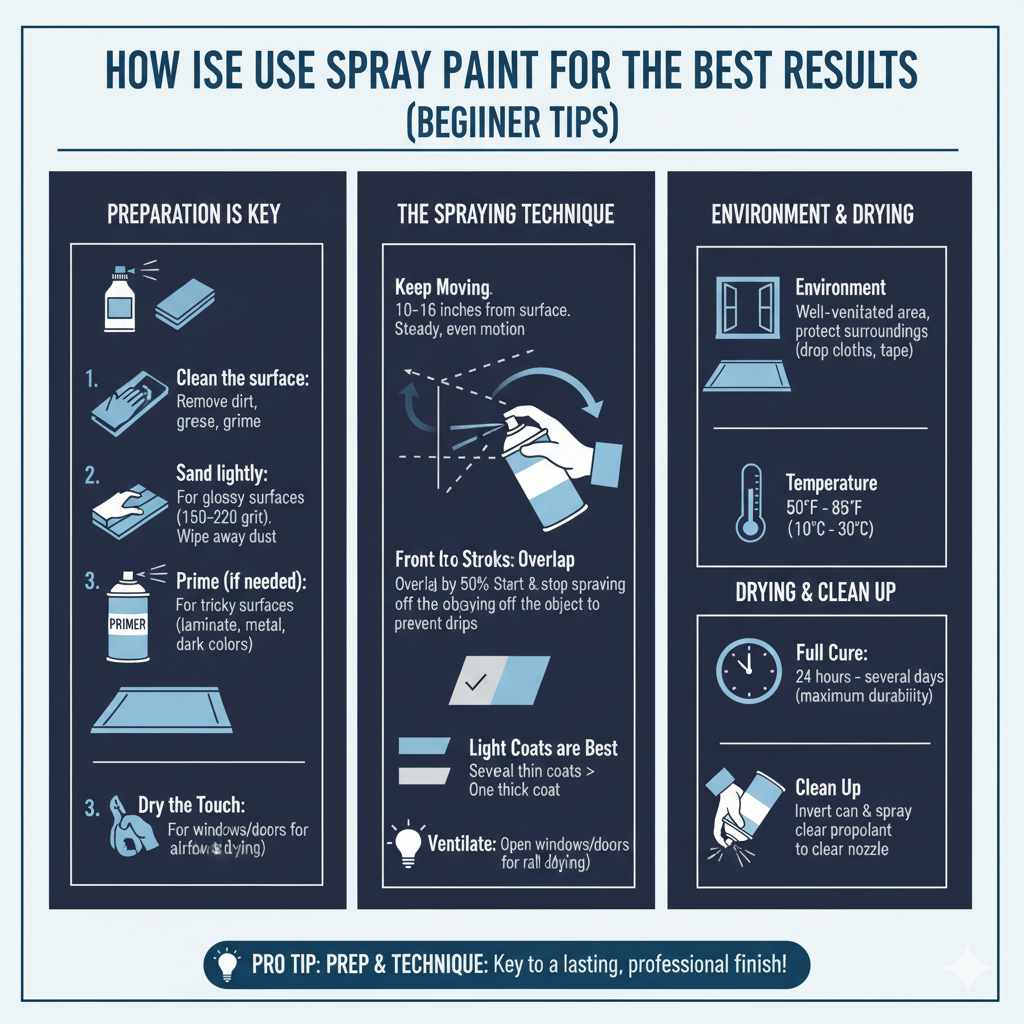
- Preparation is Key: This is probably the most important step, just like preparing for any woodworking project.
- Clean the surface: Remove all dirt, grease, and grime. You can use a degreaser or a mild soap and water.
- Sand lightly: For glossy surfaces, a light sanding with fine-grit sandpaper (like 150-220 grit) helps the paint adhere better. Wipe away dust. You can find more on surface preparation for painting at the Popular Mechanics guide to painting furniture.
- Prime (if needed): For tricky surfaces like laminate, metal, or dark colors you’re painting over, a spray primer can make a world of difference. Rustoleum and Behr both offer good spray primers.
- Choose Your Environment:
- Work in a well-ventilated area. An open garage, outdoors on a calm day, or a space with good airflow is ideal.
- Protect your surroundings: Lay down drop cloths or old newspapers to catch overspray. Mask off areas you don’t want to paint with painter’s tape.
- Temperature matters: Aim for temperatures between 50°F and 85°F (10°C and 30°C). Cold or humid conditions can affect drying and finish.
- Shake, Shake, Shake!
- Shake the can vigorously for at least one minute after you hear the mixing ball start to rattle. This ensures the paint and propellant are thoroughly mixed.
- If you’re painting something large, re-shake the can periodically.
- The Spraying Technique:
- Test Spray: Before spraying your actual project, do a quick test spray on a piece of scrap cardboard. This helps you get a feel for the spray distance and pattern.
- Keep Moving: Hold the can about 10-16 inches (25-40 cm) away from the surface. Move your hand in a steady, even motion.
- Overlap Strokes: Overlap each stroke by about 50% to ensure full coverage and avoid missed spots or uneven coats.
- Front to Back, Stop to Stop: Start spraying before you reach the edge of your work area and continue spraying past the edge after you finish. This prevents sputtering and uneven buildup at the start and end of each pass.
- Light Coats are Best: It’s much better to apply several thin coats than one thick one. Thicker coats can lead to drips and an uneven finish. Allow each coat to dry according to the can’s instructions before applying the next.
- Drying and Curing:
- Dry to the Touch: This usually happens within 15-30 minutes. You can apply the next coat once it’s dry to the touch.
- Full Cure: This is when the paint reaches its maximum hardness and durability. It can take anywhere from 24 hours to several days. Be gentle with your freshly painted items during the curing period. For more on paint curing timelines, check out EPA’s general guidance on indoor air quality related to materials.
- Clean Up:
- Immediately after use, turn the can upside down and spray for a few seconds until only clear propellant comes out. This clears the nozzle and prevents it from clogging.
- Wipe down the nozzle tip with a solvent like mineral spirits.
- Store cans upright in a cool, dry place.
Frequently Asked Questions (FAQ)
Q1: Can I use Behr spray paint on metal?
Yes, Behr spray paint can be used on metal, especially for decorative items or furniture. For projects where rust protection is important, or for bare metal that has not been prepped and primed, using a Rustoleum product specifically designed for metal, like their “Stops Rust” line, might offer superior protection and durability.
Q2: Is Rustoleum spray paint safe for use on children’s toys?
Many Rustoleum spray paints are formulated with low VOCs (Volatile Organic Compounds) and are suitable for various projects. However, always check the can’s label for specific safety information regarding its intended use and whether it’s certified for use on items that come into contact with children. For added peace of mind, look for products that explicitly state they are non-toxic after curing.
Q3: How many coats of spray paint should I apply?
Generally, it’s recommended to apply 2-3 thin, even coats rather than one thick one. Thin coats dry faster, adhere better, and reduce the risk of drips and runs. Always let each coat dry to the touch before applying the next, as specified on the paint can.
Q4: What’s the best way to prevent spray paint drips and runs?
Drips and runs are usually caused by applying paint too thickly, holding the can too close to the surface, or not moving the can steadily. The key is to use light, even coats, maintain the recommended spray distance (usually 10-16 inches), and keep the can moving continuously, overlapping each stroke. If you do get a drip, wait for it to dry, then gently sand it smooth with fine-grit sandpaper and reapply a thin coat.