Best Aluminum Metal Polish (Abrasiveness Compared, 2026)
Mothers Mag & Aluminum Polish clears everyday aluminum oxidation fastest, Simichrome cuts deeper on heavy pitting, and Flitz suits anodized or coated trim. Using an aggressive paste on anodized aluminum strips the protective coating and invites corrosion. This guide compares all four top polishes by abrasiveness and use case, plus a vinegar-and-baking-soda method for light oxidation and the anodized-aluminum warning most guides skip.
This article contains affiliate links. If you buy through them, we may earn a small commission at no extra cost to you.
How to Choose the Right Aluminum Polish (Abrasiveness Explained)
Best Aluminum Polish Pick
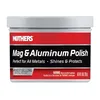
Mothers Mag & Aluminum Polish, 10 oz
The default choice for most aluminum wheels, rims, and everyday oxidation — a moderately aggressive paste that cuts fast without needing a coarse abrasive pass first.
- Best for: Wheels, mag rims, and everyday aluminum oxidation
- Why we picked it: Cuts through moderate tarnish fast without needing a heavy abrasive step first
- Main drawback: Too aggressive for anodized or clear-coated aluminum — can strip the finish
Compare more aluminum polish options
 Option 1 Flitz Metal Polish Paste, 5.29 oz
|
 Option 2 Simichrome All Metal Polish, 1.76 oz
|
 Option 3 Wenol Metal Polish, 100 ml
|
As an Amazon Associate we earn from qualifying purchases.
Aluminum polish is an abrasive compound that cuts through oxidation and light corrosion to expose bright bare metal underneath, then leaves a thin protective film behind. Not every polish cuts the same way — some formulas prioritize speed on heavy tarnish, others protect a delicate factory finish. If metal keeps showing up alongside wood in your projects, our metalworking guides cover joining, cutting, and finishing metal parts alongside wood.
Formula strength varies more than the label suggests. Mothers Mag is a moderately aggressive paste that cuts fast on wheels and mag rims. Simichrome uses a fine abrasive that still removes deep tarnish without heavy scratching. Flitz is the mildest of the four here — non-abrasive enough for light oxidation, and it won’t dig into a factory clear coat. Wenol sits between Mothers and Simichrome, and boat and aircraft owners reach for it most often on painted-adjacent aluminum trim.
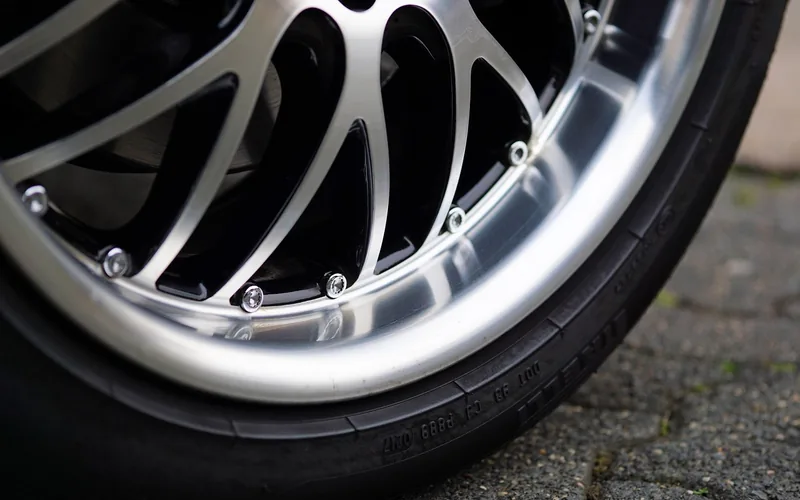
The 4 Best Aluminum Metal Polishes for 2026
These four cover the full range from gentle maintenance shine to aggressive tarnish removal. Pick based on how oxidized the aluminum already is, not just brand recognition — the wrong formula either wastes elbow grease or strips a finish you meant to keep.
Quick comparison:
| Polish | Abrasiveness | Best For |
|---|---|---|
| Mothers Mag & Aluminum Polish | Moderate | Wheels, mag rims, everyday oxidation |
| Flitz Metal Polish Paste | Mild (non-abrasive) | Anodized or clear-coated trim |
| Simichrome All Metal Polish | Fine, but effective on tarnish | Heavy tarnish, deep pitting |
| Wenol Metal Polish | Moderate | Boat and aircraft-adjacent trim |
How to Polish Aluminum by Hand (5 Steps)
The same clean-sand-polish-buff sequence works whether you’re reviving a wheel, a boat rail, or shop tooling — the grit progression is what actually determines the finish, not which brand of polish you grab last.
- Clean the surface: Wash with dish soap and warm water, then dry completely — trapped grit turns your first polishing pass into a scratch pass.
- Sand only if pitted: If the surface has deep pitting or heavy corrosion, work through aluminum oxide or silicon carbide sandpaper from coarse to fine before polish touches it — skip this step for light haze. Aluminum dust is flammable and irritates lungs, so follow proper ventilation and dust-mask precautions if you sand.
- Apply polish sparingly: Dab a small amount onto a soft cloth and work it into the metal in small circular motions — a little goes further than it looks.
- Buff off residue: Switch to a clean section of cloth and wipe away all polish residue, then buff the same area again with a dry cloth.
- Seal if it stays outdoors: A coat of car wax or an aluminum-specific sealant slows the next round of oxidation, especially on wheels and boat trim.
Can You Use Aluminum Polish on Anodized Aluminum?
No — not with an abrasive paste. Anodizing is a factory-controlled oxide layer, and cutting into it with Mothers Mag, Simichrome, or Wenol strips the coating and exposes bare aluminum, which then corrodes faster than it would have unprotected. Flitz’s non-abrasive formula is the safest of the four for lightly anodized or clear-coated parts, but test an inconspicuous spot first. If the anodizing is already scratched through, polishing won’t restore it — the part needs to be re-anodized or refinished instead.
📊 Never use CLR (Calcium, Lime, Rust remover) on bare or anodized aluminum — its acidic formula etches and permanently discolors the metal. — Source: household metal-cleaning safety guidance
If staining rather than dullness is the actual problem, our guide on cleaning stained aluminum covers the gentler wash-first approach before you reach for any polish.
Free DIY Method for Light Aluminum Oxidation (No Polish Needed)
For light haze — not deep pitting — a kitchen-cabinet method works before you buy anything. Mix equal parts white vinegar and water, spray it on, let it sit 5 minutes, then wipe. For chalky white oxidation vinegar alone doesn’t clear, make a paste of baking soda and water, work it in with a soft brush, then rinse. Heavier tarnish responds to a boiled solution of water, cream of tartar, and a splash of lemon juice or vinegar — soak the piece 10 minutes, then scrub gently. None of these match a commercial polish’s shine on wheels or trim, but they’re the right first step for cookware, tools, and anything you don’t want stripped by an abrasive paste.
“Aluminum shows up constantly in the shop — machine tables, extruded fence rails, jig hardware — and it dulls the same way a wheel does. A light pass with a mild paste twice a year keeps shop aluminum from ever reaching the pitted stage that needs the aggressive stuff.”
Frequently Asked Questions
What is the best aluminum polish for heavy oxidation and pitting?
Simichrome and Mothers Mag both cut through heavy oxidation and pitting effectively — Simichrome uses a finer, more aggressive abrasive that works well on deep tarnish, while Mothers Mag is the faster choice on badly oxidized wheels. Avoid Flitz for heavy pitting; its mild formula is built for maintenance, not restoration.
Can you use aluminum polish on anodized aluminum?
Not with an abrasive paste. Polishing anodized aluminum with Mothers Mag, Simichrome, or Wenol strips the anodized coating and leaves the bare metal exposed to faster corrosion. Flitz’s non-abrasive formula is the safest of these four polishes for lightly anodized parts, but test a hidden spot first.
Do I need to sand aluminum before polishing it?
Only if there’s deep pitting or heavy corrosion. Light haze or dullness goes straight to polish. For pitted aluminum, work through aluminum oxide or silicon carbide sandpaper from coarse to fine grit first, then finish with polish — skipping straight to polish on pitted metal just buffs around the pits instead of removing them.
What’s the difference between cream, paste, and liquid aluminum polish?
Paste polishes like Mothers Mag and Simichrome tend to carry more abrasive per application and cut faster on tarnish. Cream polishes spread more easily and work well for maintenance shine. Liquid polishes go on thin and are easiest for large flat surfaces, but usually need more coats to match a paste’s cut on heavy oxidation.
Can WD-40 substitute for aluminum polish?
No. WD-40 is a water-displacing lubricant, not an abrasive polish — it can temporarily mask light dullness by leaving an oily sheen, but it does not remove oxidation, tarnish, or pitting the way an actual polish does. Use it for corrosion prevention on fasteners, not for restoring shine to oxidized aluminum.
How often should you polish aluminum to prevent oxidation from coming back?
For wheels, boat trim, or anything outdoors, every 2 to 3 months keeps oxidation from building back up. Indoor tools and hardware need it far less often — once or twice a year is typically enough unless the piece sees heavy handling.
Conclusion
Match the polish to how bad the oxidation actually is, not the other way around. Mothers Mag or Simichrome handle wheels and heavily tarnished aluminum fastest; Flitz is the safer pick on anodized or clear-coated trim; Wenol splits the difference for boat and aircraft-adjacent aluminum. For light household haze, the vinegar-and-baking-soda method above costs nothing and won’t strip a coating you didn’t mean to touch.
Sponsored / affiliate links. As an Amazon Associate I earn from qualifying purchases. I may earn additional commission from eligible campaigns.
 Chorme & Metal Polishing Compound, SPTA 16oz Heavy Metal Polish, Restorer and Protectant Cleans, Aluminum, Stainless Steel, Chrome Polish & More, Safe for Cars, Trucks, Motorcycles, RVs, and Boats
 2026 Upgraded Beeswax Wood Polish Spray,Bees Wax Furniture Polish and Cleaner,Beeswax Essential Oil for Wood Furniture Floors (3PCS)