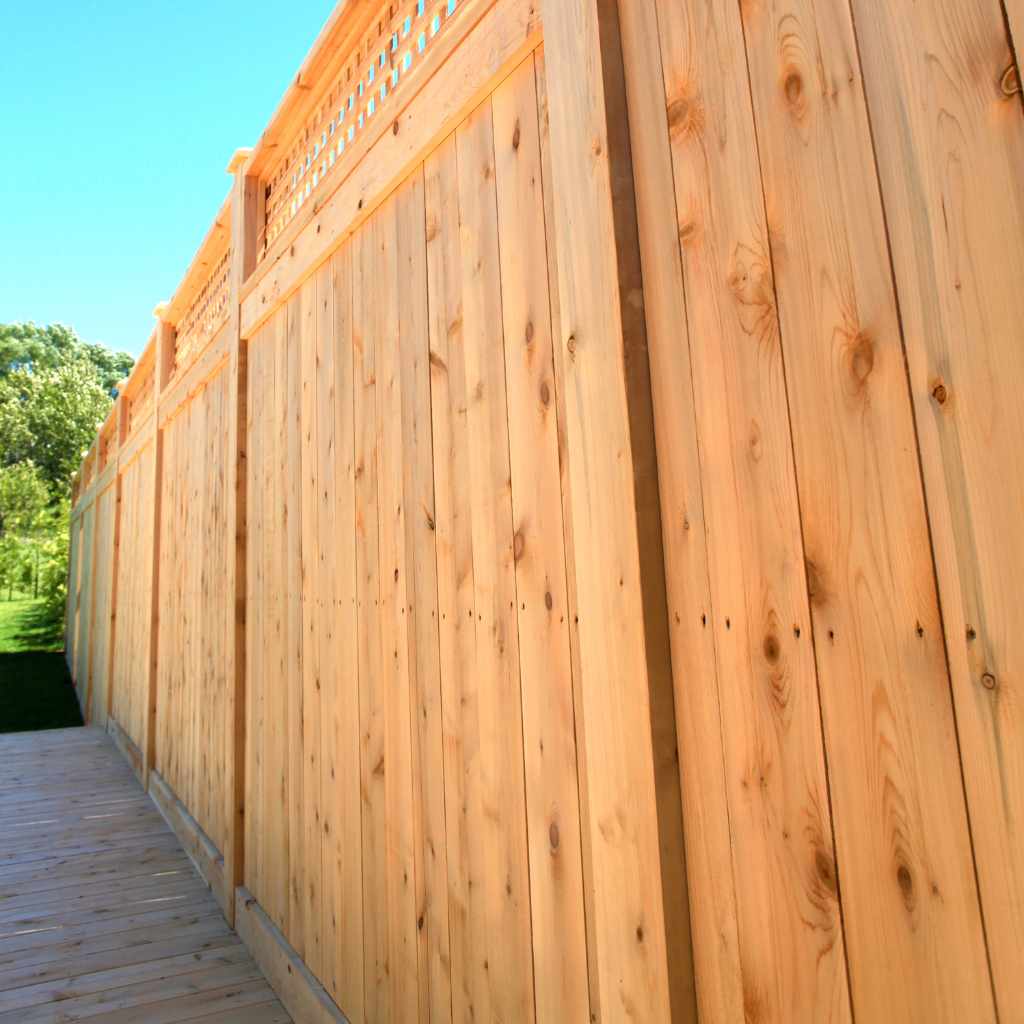
Best Cedar for Fence: Top Durable & Beautiful Wood Choices
Looking for the best cedar for your fence? Choosing the right wood can make all the difference in how your fence looks, lasts, and protects your property.
You want something strong, beautiful, and easy to maintain—but with so many cedar options out there, it’s easy to feel overwhelmed. You’ll discover which types of cedar stand out and why they might be perfect for your next fence project.
Keep reading to find the ideal cedar that matches your needs and turns your fence into a lasting statement.
Cedar Varieties For Fencing
Cedar is a popular choice for fences due to its natural beauty and durability. Different types of cedar offer unique benefits for fencing projects. Choosing the right cedar variety can improve your fence’s look and lifespan.
Each cedar type has its own color, grain, and resistance to weather and insects. Knowing these differences helps pick the best wood for your needs. Below are four common cedar varieties used in fencing.
Western Red Cedar
Western Red Cedar is the most popular cedar for fences. It has a rich reddish color and a straight grain. This wood resists rot and insects well. Its natural oils protect it from moisture. Western Red Cedar is lightweight and easy to work with. It ages to a nice silver-gray color if left untreated.
Alaska Yellow Cedar
Alaska Yellow Cedar is strong and very durable. It has a pale yellow color and fine grain. This wood stands up well to harsh weather. It is more dense than Western Red Cedar. Alaska Yellow Cedar resists decay and insect damage. It is ideal for fences in wet or cold climates.
Incense Cedar
Incense Cedar has a warm, reddish-brown color. It has a tight, straight grain and is lightweight. This cedar variety is resistant to insects and decay. It also has a pleasant, natural aroma. Incense Cedar is easy to cut and shape. It is a good choice for decorative fencing.
Eastern Red Cedar
Eastern Red Cedar is known for its strong scent and color. It has a mix of red, brown, and purple tones. This wood naturally repels insects like moths. It is dense and resistant to rot. Eastern Red Cedar works well for privacy fences. It also adds a fragrant smell to outdoor spaces.
Durability Factors
Choosing the best cedar for your fence means understanding what makes it last long. Durability is key for any outdoor wood. It must stand strong against nature’s wear and tear.
Several factors affect cedar’s durability. These include how well it resists decay, its natural defense against insects, and how it handles different weather conditions. Each factor plays a vital role in keeping your fence looking good and sturdy.
Resistance To Decay
Cedar wood has natural oils that fight rot and decay. This quality helps the wood last many years. It does not easily absorb water, which slows down damage. This is important for a fence that faces rain and moisture every day.
Insect Repellent Qualities
Cedar contains natural chemicals that insects dislike. These oils keep bugs like termites and ants away. The wood stays safer without needing many chemicals. This feature helps protect the fence from being eaten or weakened.
Weather Tolerance
Cedar handles heat, cold, and sun well. It expands and shrinks less than other woods. This means fewer cracks and splits over time. The wood’s color also fades slowly, keeping the fence attractive for years.

Aesthetic Appeal
Cedar wood stands out for its natural beauty. It brings warmth and charm to any fence. The look of cedar enhances outdoor spaces. Its appeal grows with time and care. Choosing the right cedar adds style and value.
Color And Grain Patterns
Cedar offers a range of colors. From light amber to deep red hues. The grain patterns are unique and eye-catching. Straight grains blend well with rustic or modern styles. Knots add character and natural detail. These colors and patterns make each fence special.
Texture And Finish Options
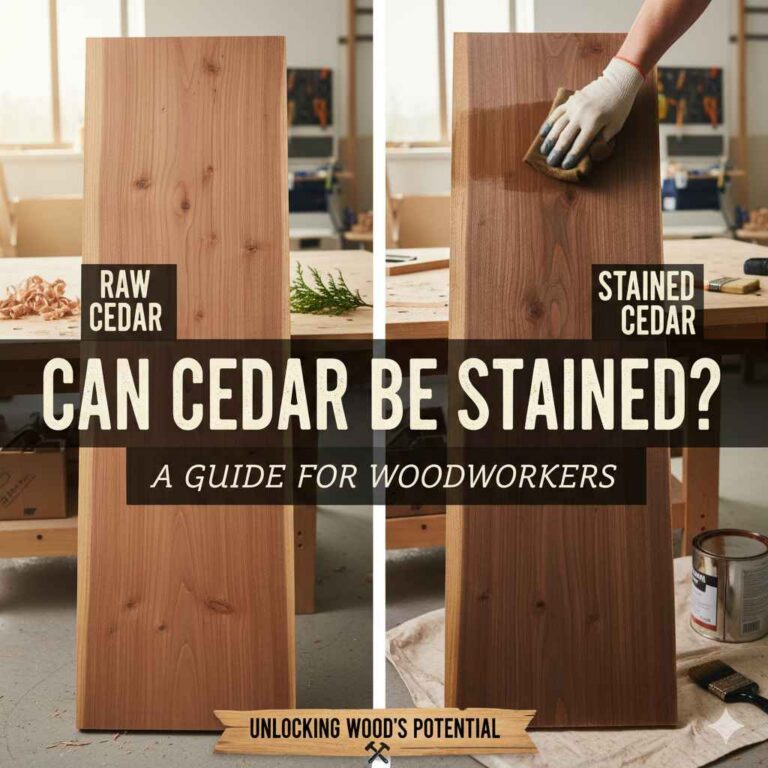
Cedar has a smooth yet slightly coarse texture. It feels natural and inviting to touch. You can leave it raw for a natural look. Or apply stains and sealants for different finishes. Satin or matte finishes keep the wood’s charm. Glossy finishes add a polished look but need more care.
Aging And Patina Effects
Over time, cedar changes color and texture. It develops a soft silver-gray patina outdoors. This aging adds rustic beauty and character. The wood remains strong and durable as it ages. Many homeowners enjoy the weathered look. It blends well with garden and natural settings.
Maintenance Tips
Maintaining a cedar fence keeps it strong and beautiful for years. Regular care prevents damage and preserves the wood’s natural charm. Follow simple steps to keep your fence looking fresh and lasting longer.
Cleaning And Sealing
Clean your cedar fence at least once a year. Use a gentle soap and water mix with a soft brush. This removes dirt, mildew, and stains without harming the wood.
After cleaning, let the fence dry completely. Apply a high-quality sealant to protect against moisture and UV rays. Sealing helps prevent warping and color fading.
Repairing Damages
Check your fence regularly for cracks, splinters, or loose boards. Fix small issues quickly to stop them from getting worse. Replace damaged boards if needed to keep the fence strong.
Use nails or screws designed for outdoor use. Tighten any loose hardware to maintain stability. Repairing early saves time and money later.
Extending Fence Lifespan
Trim plants and bushes near the fence to avoid moisture buildup. Keep soil and mulch away from the fence base to prevent rot. Proper drainage helps wood last longer.
Apply a fresh coat of sealant every 2-3 years. Regular checks and repairs add years to your cedar fence’s life. Simple care keeps it looking great and standing tall.
Cost Considerations
Choosing the best cedar for your fence involves more than just looks. Cost plays a big role in making the right choice. Understanding the price differences, installation fees, and long-term value helps you plan better. This section breaks down these costs clearly.
Price Comparison Among Cedar Types
Western Red Cedar is popular and moderately priced. It offers good durability and appearance. Alaskan Yellow Cedar costs more but lasts longer. It resists decay well and handles weather better. Eastern White Cedar is the cheapest option. It works well for basic fences but may need more care. Prices vary by quality and local supply.
Installation Expenses
Installing cedar fences costs depend on fence height and length. Labor charges vary by region and complexity. Western Red Cedar is easier to work with, lowering labor costs. Harder cedars like Alaskan Yellow may increase installation fees. Simple designs reduce expenses. Adding gates or custom features raises the price.
Long-term Investment Value
Cedar fences last many years with proper care. High-quality cedar saves money on repairs and replacement. Western Red Cedar balances cost and durability well. Alaskan Yellow Cedar offers the best long-term protection. Low-cost cedars might need more frequent upkeep. A good fence adds value to your home. It also improves curb appeal.
Environmental Impact
The environmental impact of choosing the best cedar for a fence matters a lot. Cedar is a popular wood for fences because it offers natural beauty and durability. Knowing how cedar affects the environment helps make better choices. This section explains the sustainability, treatments, and disposal of cedar wood.
Sustainability Of Cedar Wood
Cedar wood grows relatively fast compared to many hardwoods. Many cedar forests are managed to allow new trees to grow after harvesting. This practice helps keep the supply steady without harming the environment. Choosing cedar from certified forests supports responsible forestry. Sustainable cedar reduces deforestation and protects wildlife habitats.
Eco-friendly Treatments
Cedar wood naturally resists insects and decay, lowering the need for chemicals. Some cedar fences get treated to increase lifespan, but eco-friendly options exist. Water-based and low-toxicity treatments are better for people and nature. Avoid cedar with harsh chemical preservatives. These can harm soil and water around the fence.
Disposal And Recycling
Cedar wood breaks down naturally over time, causing less pollution. Old cedar fence boards can be reused for projects like garden beds or mulch. Recycling cedar helps reduce waste in landfills. Avoid burning treated cedar wood, which releases harmful chemicals. Proper disposal protects air quality and the environment.
Choosing The Right Cedar
Choosing the right cedar for your fence is important. The type of cedar affects how long your fence lasts and how it looks. Different cedars suit different needs and environments. This guide helps you pick the best cedar for your fence.
Matching Wood To Climate
Some cedars handle wet weather better than others. Western Red Cedar resists moisture and decay well. It works great in rainy or humid areas. Alaskan Yellow Cedar is strong and good for cold climates. Know your local weather before choosing cedar. The right cedar keeps your fence strong for years.
Purpose And Style Preferences
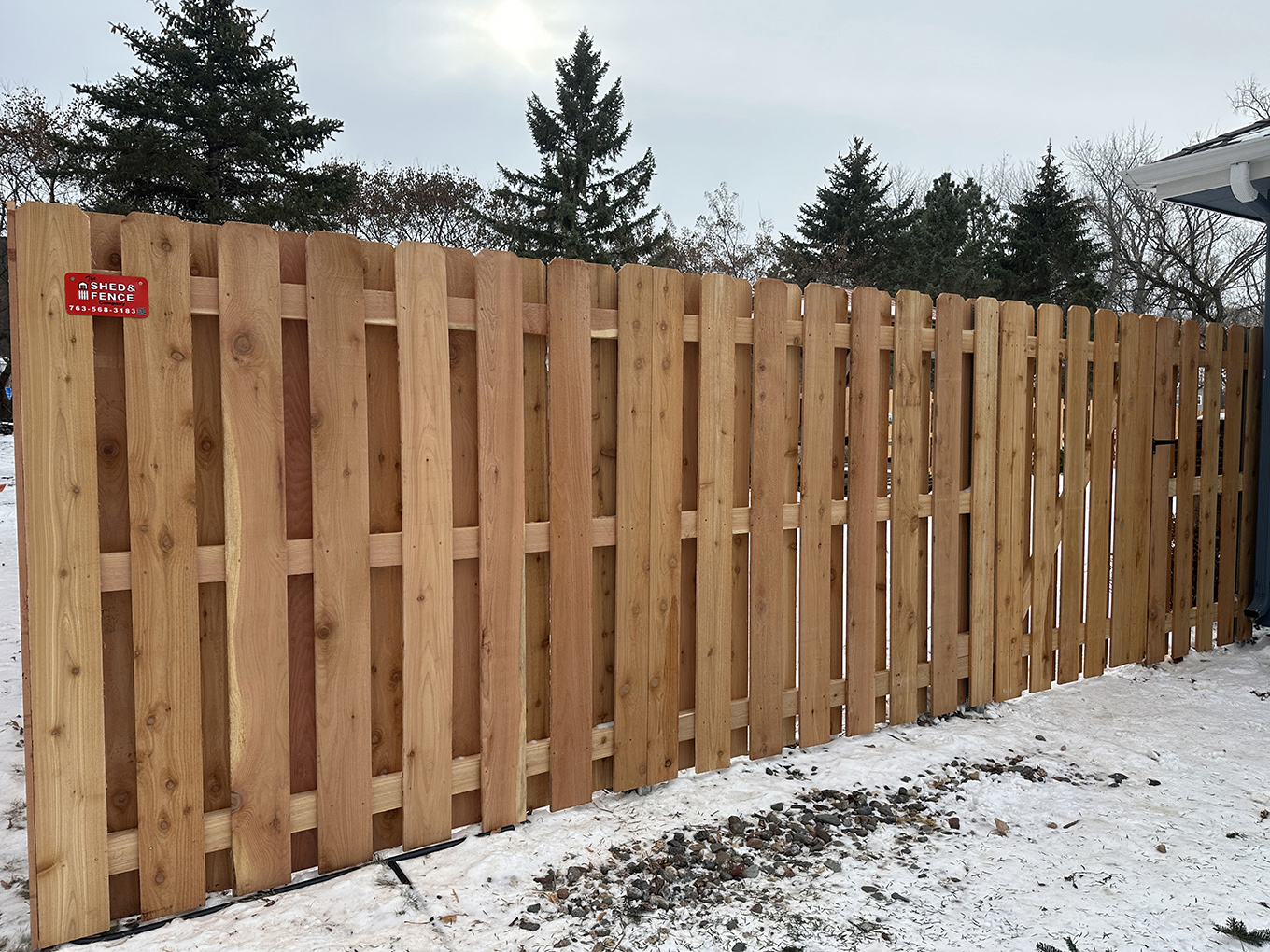
Think about why you want a cedar fence. For privacy, use wider boards with less space. For decoration, choose cedar with a fine grain and bright color. Some cedars have a natural scent that repels insects. Decide if you want a smooth or rough look. Your fence should match your home’s style.
Availability And Sourcing
Cedar types vary by region. Western Red Cedar is common in North America. Eastern White Cedar grows in the eastern states. Buying locally saves money and supports local forests. Check if the cedar is from sustainable sources. Quality cedar from trusted suppliers lasts longer and looks better.
Frequently Asked Questions
What Type Of Cedar Is Best For Fences?
Western Red Cedar is the best choice. It offers durability, natural resistance to decay, and a beautiful reddish hue. It is lightweight and easy to work with, making it ideal for long-lasting fences.
How Long Does A Cedar Fence Usually Last?
A well-maintained cedar fence can last 15 to 30 years. Proper sealing and regular upkeep extend its life. Cedar’s natural oils protect against insects and rot, contributing to its longevity.
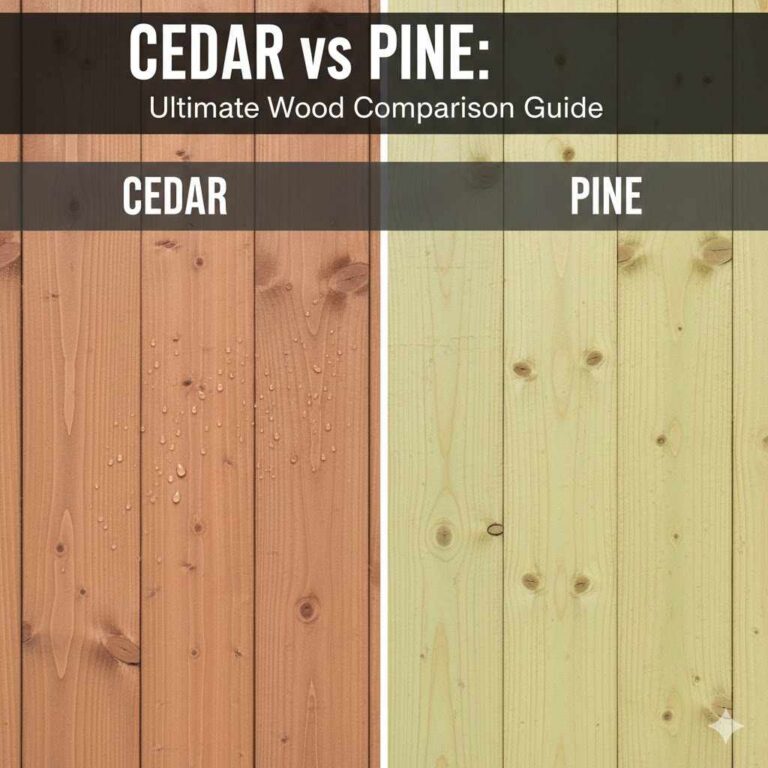
Is Cedar Wood Better Than Pine For Fencing?
Yes, cedar is better. It naturally resists decay and insects, unlike pine. Cedar requires less maintenance and lasts longer, making it a cost-effective fencing option over time.
Can Cedar Fences Withstand Harsh Weather Conditions?
Cedar fences handle harsh weather well due to natural oils. They resist moisture, rot, and insect damage. With proper sealing, cedar fences maintain strength and appearance in extreme climates.
Conclusion
Choosing the best cedar for your fence means picking a wood that lasts long. Cedar stands strong against weather and insects. It also looks great with its natural color. Regular care will keep your fence looking fresh. Remember to seal or stain the wood for extra protection.
A good cedar fence adds charm and value to your home. Trust in cedar for a fence that works well and looks nice. Your outdoor space deserves the best wood. Simple, strong, and beautiful—cedar fits perfectly.