Best Way to Clean a Wooden Cutting Board
Lots of people wonder about the Best Way to Clean a Wooden Cutting Board. It seems simple, right? But sometimes, beginners get a little confused about what’s safe for their boards and what isn’t.
You don’t want to ruin a nice wooden board, but you also need it to be super clean for food. Don’t worry, it’s not as hard as it sounds! We’ll walk through easy steps to keep your cutting board looking great and hygienic.
Let’s get started on making sure your board stays in tip-top shape for all your kitchen adventures.
Keeping Your Wooden Cutting Board Clean and Safe
Your wooden cutting board is a star player in the kitchen. It’s kind to your knives and looks beautiful. But keeping it clean is super important for health and making sure it lasts a long time.
Bacteria can hide in scratches, and if you’re not careful, you can spread germs. Learning the Best Way to Clean a Wooden Cutting Board means you can use it with confidence every single day. We’ll cover everything from everyday washing to deeper cleaning and keeping it looking its best.
Why Wooden Cutting Boards Need Special Care
Wood is a natural material, and that’s part of its charm. It’s porous, meaning it can absorb liquids and can even harbor bacteria if not cleaned properly. Unlike plastic boards that can often go in the dishwasher (though even those aren’t always dishwasher-safe), wood needs a gentler touch.
The heat and harsh detergents in a dishwasher can warp, crack, and dry out a wooden board, making it a breeding ground for more germs and less enjoyable to use. So, a little extra effort in how you clean it makes a big difference.
Everyday Cleaning For Your Cutting Board
For most daily tasks, cleaning your wooden cutting board is quite straightforward. After you’ve finished chopping up veggies or slicing some bread, grab your dish soap and a sponge or a soft brush. Here’s how to do it:
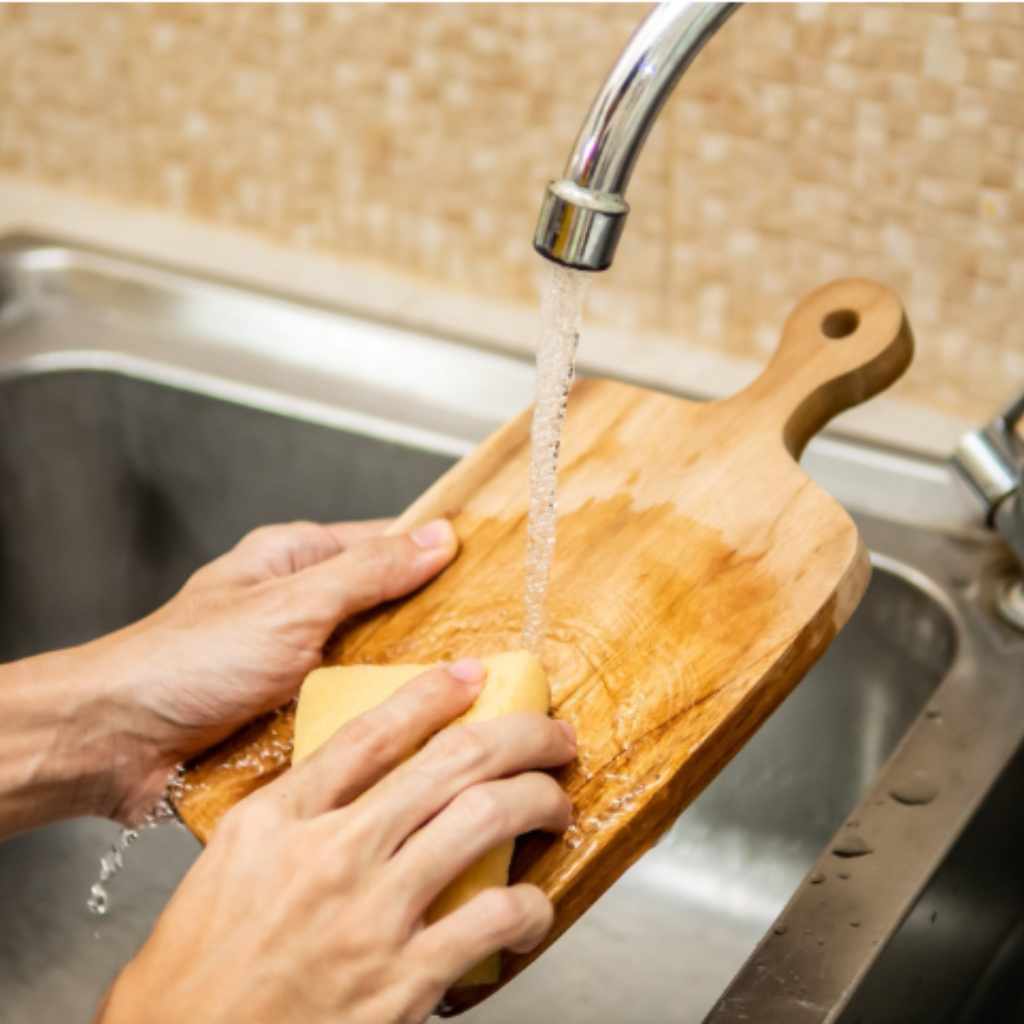
- Rinse the board: As soon as you’re done, give the board a quick rinse under warm running water. This helps remove loose food bits.
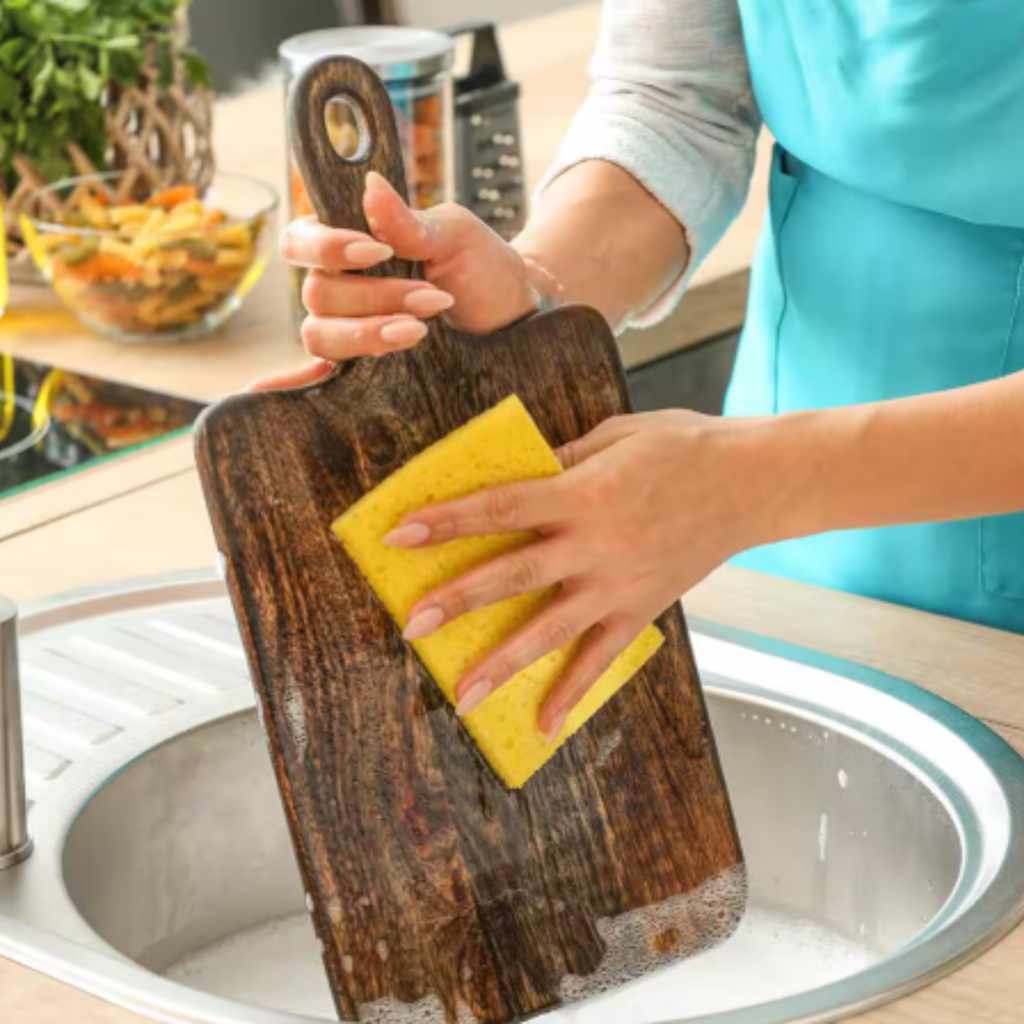
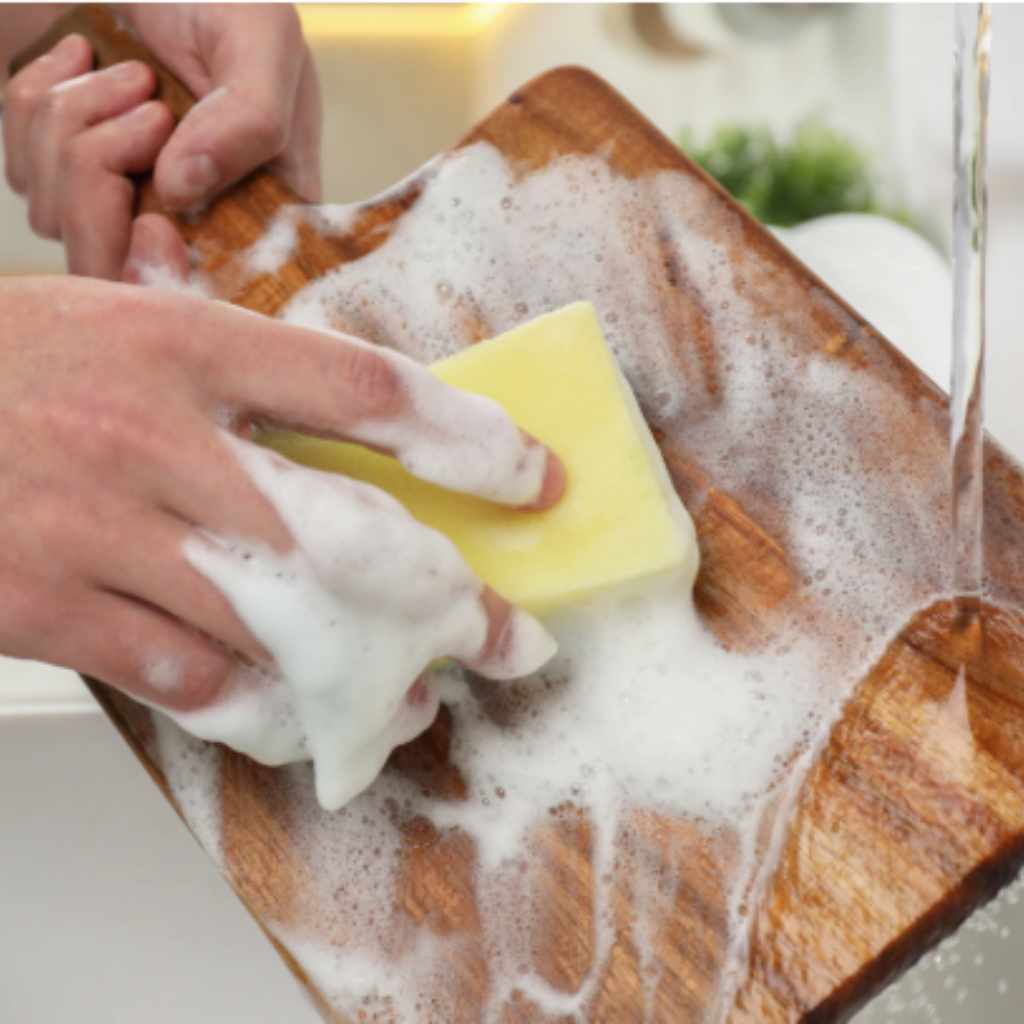
- Wash with soap and water: Use a mild dish soap and warm water. Gently scrub the surface of the board with a sponge or a soft brush. Make sure to get into any grooves or textured areas.
- Rinse thoroughly: Rinse the board again with clean, warm water until all the soap is gone.
- Dry immediately: This is a really key step. Use a clean towel to dry the board completely. Don’t let it air dry standing up, as this can cause warping. Lay it flat or prop it up so air can circulate around both sides.
This simple routine is the foundation for the Best Way to Clean a Wooden Cutting Board. It removes most food particles and prevents immediate germ buildup. Remember, never soak your wooden cutting board in water, as this is the quickest way to damage it.
Dealing With Odors and Stains
Sometimes, even with regular washing, certain foods can leave behind lingering smells or stains. Strong-smelling ingredients like onions, garlic, or fish can transfer their scent to the wood. For these tougher situations, a little bit of natural cleaning power works wonders:
Using Salt and Lemon
This is a classic, natural method that’s highly effective. The salt acts as a mild abrasive, and the lemon juice has natural bleaching and deodorizing properties.
- Sprinkle generously with salt: Take your slightly damp cutting board and sprinkle a good amount of coarse salt (like kosher salt) all over its surface.
- Scrub with half a lemon: Cut a lemon in half. Use the cut side of the lemon as a scrubber, pressing down gently and working the salt into the wood. The lemon juice will mix with the salt to create a paste.
- Let it sit: Let the salt and lemon mixture sit on the board for about 5-10 minutes. For stubborn stains or smells, you can let it sit a bit longer.
- Scrape and rinse: Use a spatula or the back of a knife to scrape off the salt and lemon mixture. Then, rinse the board thoroughly with warm water.
- Dry completely: Just like with everyday cleaning, dry the board thoroughly with a clean towel.
This method is fantastic for refreshing your board and tackling those unwelcome odors and surface stains. It’s part of what makes it the Best Way to Clean a Wooden Cutting Board because it uses simple, food-safe ingredients.
Vinegar for Tougher Germs
White vinegar is another excellent natural cleaner and disinfectant. It can help kill bacteria and remove more persistent odors.
- Mix a solution: Combine equal parts white vinegar and water in a spray bottle.
- Spray the board: Spray the vinegar solution generously over the entire surface of your cutting board.
- Let it soak (briefly): Let the solution sit for about 5 minutes.
- Wipe and rinse: Wipe the board down with a damp cloth or sponge. Rinse it thoroughly with warm water.
- Dry thoroughly: Make sure to dry the board completely with a towel.
While vinegar is great, it does have its own smell. The good news is that the vinegar smell usually dissipates quickly, especially once the board is dry and if you’ve also used the salt and lemon method.
Sanitizing Your Cutting Board
For the deepest clean and to ensure maximum safety, especially after preparing raw meat or poultry, sanitizing is a good idea. While wood can’t be sterilized like glass or metal, you can significantly reduce bacteria.
Boiling Water (Use with Caution)
A quick rinse with boiling water can help kill surface bacteria. However, this should be done infrequently and with extreme care, as excessive heat can still damage the wood over time.
- Prepare the board: Make sure your board is clean and dry.
- Pour boiling water: Carefully and slowly pour boiling water over the entire surface of the board.
- Let it drain and dry: Let the water drain off, and then immediately and thoroughly dry the board with a clean towel.
This method is a quick burst of sanitization but isn’t meant for regular use. It’s more of an occasional boost for your cleaning routine and contributes to the Best Way to Clean a Wooden Cutting Board when you need that extra peace of mind.
Hydrogen Peroxide (3%)
A dilute solution of hydrogen peroxide can also be used for sanitizing. Use the common 3% solution found in drugstores.
- Apply directly: Pour or spray a small amount of 3% hydrogen peroxide directly onto the board.
- Let it bubble: You’ll see it bubble slightly as it works. Let it sit for a few minutes.
- Wipe and rinse: Wipe the board with a damp cloth and rinse well with warm water.
- Dry completely: Ensure the board is completely dry.
Hydrogen peroxide is a good option because it breaks down into water and oxygen, leaving no harmful residue. It’s a powerful sanitizer that’s still gentle enough for wood when used properly.
Oiling Your Wooden Cutting Board
Oiling is a vital step in maintaining your wooden cutting board. It protects the wood, prevents it from drying out and cracking, and makes it more resistant to stains and moisture. Think of it like moisturizing your skin!
This is a critical part of the Best Way to Clean a Wooden Cutting Board to ensure its longevity.
Choosing the Right Oil
Not all oils are suitable for wooden cutting boards. You want to use food-grade mineral oil or specialized cutting board oils and conditioners. Avoid cooking oils like olive oil or vegetable oil, as they can go rancid and leave an unpleasant smell and sticky residue.
- Food-grade mineral oil: This is widely available and a great choice. It’s inexpensive, odorless, and won’t go rancid.
- Beeswax and mineral oil blends: These provide a bit more protection and a nice finish.
- Coconut oil (fractionated): Fractionated coconut oil remains liquid at room temperature and doesn’t go rancid, making it another good option.
How to Oil Your Board
Oiling your board is simple and doesn’t take long.
- Ensure the board is clean and dry: Always start with a perfectly clean and completely dry cutting board. Any dirt or moisture trapped under the oil will be sealed in.
- Apply oil liberally: Pour a generous amount of oil directly onto the board.
- Spread it evenly: Use a clean, lint-free cloth or even a paper towel to spread the oil all over the surface, sides, and ends of the board.
- Let it soak: Allow the oil to soak into the wood for at least a few hours, or preferably overnight. The longer it soaks, the better the wood will be protected.
- Wipe off excess: After soaking, wipe off any excess oil with a clean cloth.
How often should you oil? It depends on how often you use your board and how often you wash it. A good rule of thumb is to oil it once a month, or whenever the board starts to look dry, dull, or water begins to soak in rather than bead up on the surface.
This regular maintenance is key to the Best Way to Clean a Wooden Cutting Board for the long haul.
What to Avoid When Cleaning Wooden Cutting Boards
To ensure your wooden cutting board lasts and remains hygienic, there are a few things you should definitely steer clear of.
- Dishwasher: As mentioned before, dishwashers are the enemy of wooden cutting boards. The high heat, prolonged water exposure, and harsh detergents will warp, crack, and ruin the wood.
- Soaking: Never leave your wooden cutting board submerged in water. This saturates the wood and can lead to swelling, cracking, and bacteria growth.
- Harsh detergents or bleach: While they might seem like they’d clean better, these can strip the natural oils from the wood, dry it out, and even damage its surface.
- Abrasive scrubbers: Steel wool or very stiff brushes can scratch the surface of the wood, creating more places for bacteria to hide. Stick to soft brushes or sponges.
- Putting away wet: Always dry your board thoroughly before storing it.
By avoiding these common pitfalls, you’re already well on your way to mastering the Best Way to Clean a Wooden Cutting Board and keeping it in excellent condition.
Frequently Asked Questions
Question: Can I use soap on my wooden cutting board?
Answer: Yes, a mild dish soap and warm water are perfectly fine for everyday cleaning of your wooden cutting board. Just be sure to rinse it thoroughly and dry it immediately afterward.
Question: How often should I oil my wooden cutting board?
Answer: It’s generally recommended to oil your wooden cutting board about once a month. You should also oil it whenever it starts to look dry, dull, or if water no longer beads up on the surface.
Question: Can I use my wooden cutting board for raw meat?
Answer: Yes, you can, but it’s crucial to clean and sanitize it thoroughly afterward. Using a separate board for raw meats is often recommended to avoid cross-contamination, but if you use one board, extra care with cleaning and sanitizing is essential.
Question: What should I do if my wooden cutting board develops deep scratches?
Answer: For minor scratches, regular oiling and use will often make them less noticeable. If scratches are deep and becoming difficult to clean, you can consider lightly sanding the board with fine-grit sandpaper and then re-oiling it. However, this should be done sparingly.
Question: Is it okay to leave my cutting board on the counter?
Answer: Yes, as long as it’s completely dry. Storing it flat on the counter or propped up slightly to allow air circulation is fine. Avoid storing it in damp, enclosed spaces.
Final Thoughts
Taking care of your wooden cutting board doesn’t have to be a chore. By following these simple steps, you ensure it stays clean, safe, and beautiful for years. Remember that consistent, gentle cleaning with mild soap and water, followed by immediate and thorough drying, is your first line of defense.
Don’t shy away from natural helpers like salt and lemon for tackling those stubborn smells and stains. Regular oiling is non-negotiable; it’s the shield that keeps your board from drying out, cracking, and becoming vulnerable. Paying attention to what your board needs, like a monthly oiling session or a deeper clean when necessary, will make a world of difference.
By avoiding harsh chemicals, soaking, and the dishwasher, you are respecting the natural properties of wood. Embrace these practices, and your wooden cutting board will be a reliable and lovely tool in your kitchen for countless meals to come.