How to Remove Mold from Rough Cut Wood: Quick Guide
To remove mold from rough cut wood, scrub the surface with a 1:1 mixture of white vinegar and water, then rinse and let it dry completely in a well-ventilated area. Left untreated, mold can spread through the wood’s exposed grain within days and trigger allergy or respiratory symptoms. This guide covers safe removal steps, a stronger option for stubborn mold, and how to stop it from coming back.
Introduction To Mold On Rough Cut Wood
Best Wood Mold Remover Pick
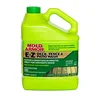
MOLD ARMOR E-Z Deck, Fence and Patio Wash – $26.01
Sprays on and lifts mold and mildew stains from rough cut and weathered lumber in about 10 minutes with no scrubbing — a faster alternative to the vinegar-and-scrub method covered above.
- Best for: exterior decks, fences, and rough cut lumber with heavy surface mold
- Why we picked it: purpose-built to kill wood mold and mildew without the manual scrubbing this guide’s DIY method requires
- Main drawback: outdoor-rated only — not meant for indoor furniture or fabric
Compare more wood mold removal options
 Option 1 MOLD ARMOR Mold Blocker 32 OZ – $10.65
|
 Option 2 Mighty Mint Wood Cleaner and Conditioner Spray – $17.99
|
 Option 3 Thompsons WaterSeal Clear Wood Sealer 1 Gallon – $19.94
|
As an Amazon Associate we earn from qualifying purchases.
Mold on rough cut wood can cause serious issues. It can damage the wood and affect its strength. Health risks arise from mold spores in the air. People may experience allergies or respiratory problems.
Common causes of mold growth include high humidity and poor ventilation. Wet wood provides a perfect environment for mold. Storing wood in damp areas increases the risk. Temperature changes can also lead to condensation, promoting mold growth.
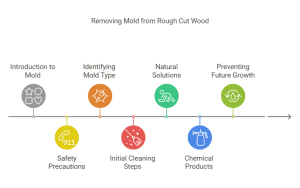
Safety First: Preparing To Tackle Mold
Before tackling mold, safety is very important. Always wear protective gear like gloves, goggles, and masks. This keeps you safe from mold spores.
Ensure good ventilation in the area. Open windows and doors to let fresh air in. Use fans to help move air around. This helps reduce mold spores in the air.
Clear the area of any furniture or items that may get damaged. Cover surfaces with plastic sheets to protect them. Keep a bucket of water nearby for cleaning tools.
Keep children and pets away from the work area. This ensures their safety while cleaning mold.
Identifying The Type Of Mold
Many types of mold can grow on rough cut wood. Each type has unique colors and textures. Here are some common varieties found on wood:
- Black Mold: Often slimy and dark, it can be harmful.
- White Mold: Appears fuzzy and can be mistaken for cotton.
- Green Mold: Usually powdery and can spread quickly.
- Yellow Mold: Often looks like dirt and can damage wood.
Recognizing the type of mold is important. Some molds can cause health issues. Calling a professional may be necessary if mold covers a large area. Professionals have tools to handle mold safely. They can also check for hidden mold. Always prioritize your health and safety.
Initial Cleaning Steps
Start by using a dry brush to remove visible mold. Choose a brush with stiff bristles. Gently scrub the wood surface. This helps to loosen the mold without damaging the wood.
Next, use a vacuum to collect the loosened spores. Make sure to use a HEPA filter vacuum. This type traps tiny particles effectively. Always wear a mask and gloves to protect yourself.
After vacuuming, dispose of the vacuum bag safely. Seal it tightly to prevent spores from escaping. Proper cleaning prevents mold from returning.
Natural Solutions For Mold Removal
Using a vinegar solution is an effective way to remove mold. Mix equal parts of white vinegar and water in a spray bottle. Spray the mixture directly on the moldy area. Let it sit for about an hour, then wipe clean with a cloth.
For a more potent solution, try tea tree oil. Mix one teaspoon of tea tree oil with one cup of water. Shake well and spray on the moldy wood. Do not rinse off; let it dry naturally. This helps prevent future mold growth.
Chemical Products For Stubborn Mold
Choosing the right chemical product is essential for removing stubborn mold. Look for mold removers that are safe for wood. Products containing bleach can damage the wood surface. Instead, use vinegar, which is effective and safe. Baking soda is another great option. It not only cleans but also deodorizes.
For best results, follow these application tips:
- Wear gloves and a mask for safety.
- Test the product on a small area first.
- Apply the cleaner generously to affected areas.
- Let it sit for at least 15 minutes before scrubbing.
- Rinse with clean water to remove any residue.
Preventing Future Mold Growth
Controlling moisture is key to preventing mold. Keep wood in a dry area. Use dehumidifiers in damp spaces. Air circulation is also important. Open windows to let fresh air in.
Regular maintenance helps keep mold at bay. Inspect wood surfaces often for signs of mold. Clean up spills quickly to avoid moisture buildup. Use natural oils to protect the wood.
Consider treating wood with a mold-resistant solution. This adds a layer of protection. Always follow the product’s instructions for best results.
Conclusion: Maintaining Mold-free Wood
Keeping wood mold-free is crucial for its durability. Regularly check your wood for signs of mold. Clean any mold spots right away. Use a mixture of water and vinegar to eliminate mold. Always dry the wood thoroughly after cleaning.
Store wood in a dry area with good air circulation. Avoid moist environments where mold thrives. Use a dehumidifier if necessary. Regular inspections help catch mold early.
Stay informed about best practices for maintaining wood. Use protective coatings to prevent mold growth. Remember, vigilance is key to keeping your wood healthy and mold-free.
Frequently Asked Questions
How Do I Know If My Wood Has Mold?
You can identify mold on wood by looking for discoloration, black spots, or fuzzy patches. A musty smell is also a strong indicator. If you suspect mold, conduct a moisture test. High moisture levels can lead to mold growth. Always inspect both surfaces and hidden areas.
What Is The Best Way To Clean Mold Off Wood?
The best way to clean mold off wood is by using a mixture of soap and water. Alternatively, a vinegar solution can also be effective. Apply your chosen cleaner with a soft brush. Be gentle to avoid damaging the wood surface.
Rinse and dry thoroughly after cleaning.
Can I Use Bleach To Remove Mold From Wood?
Using bleach on wood is not recommended for mold removal. While it may kill surface mold, it doesn’t penetrate the wood effectively. This can leave mold roots intact, leading to regrowth. Instead, opt for vinegar or specialized wood cleaners. These solutions are safer and more effective.
How Can I Prevent Mold On Rough Cut Wood?
To prevent mold on rough cut wood, keep it dry and well-ventilated. Store wood in a dry area with low humidity. Consider applying a sealant to provide a protective barrier. Regularly inspect your wood for moisture or mold signs. Prompt action is key to prevention.
Conclusion
Removing mold from rough cut wood is essential for maintaining its integrity and appearance. By following the proper steps, you can effectively eliminate mold while preserving the wood’s natural beauty. Regular maintenance and prevention can keep mold at bay. Protect your wood investment by acting quickly and using safe cleaning methods.
Sponsored / affiliate links. As an Amazon Associate I earn from qualifying purchases. I may earn additional commission from eligible campaigns.