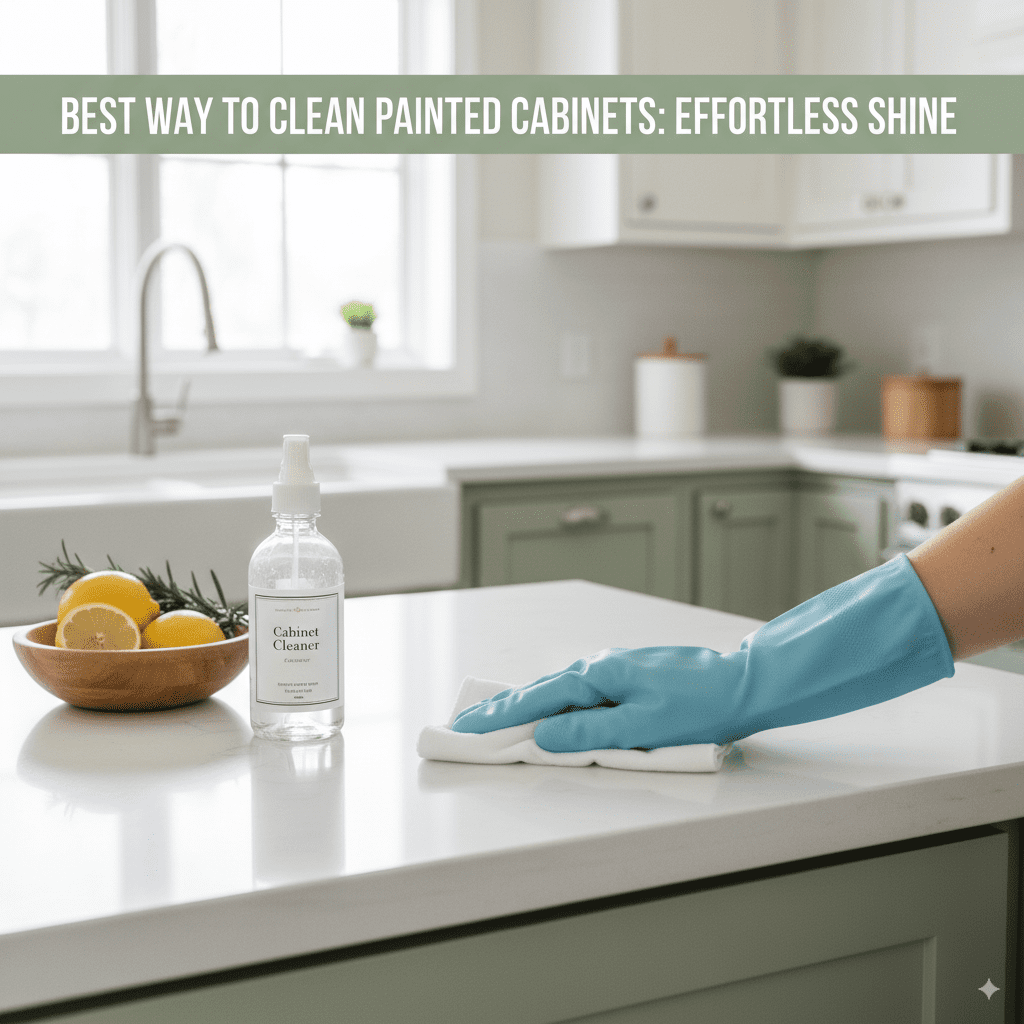
Best Way to Clean Painted Cabinets: Effortless Shine
The best way to clean painted cabinets involves gentle, everyday solutions to lift grease and grime without damaging the paint. Start with a mild dish soap and water mixture, followed by a targeted approach for tougher spots. Regular, gentle cleaning preserves your cabinet’s beautiful finish for years.
Painted kitchen cabinets can be beautiful, but keeping them sparkling can feel like a constant battle. Grease splatters from cooking, sticky fingerprints from little hands, and general dust can build up quickly, making your lovely cabinets look dull and uninviting. It’s easy to feel frustrated, wondering if you’ll ever get that effortless shine back. But don’t worry! With a few simple, safe, and effective methods, you can get your painted cabinets looking fantastic again. I’m here to show you exactly how, making it easy for homeowners and DIY beginners like you to achieve a professional-looking clean without any harsh chemicals or complicated procedures.
In this guide, we’ll walk through the easiest and most effective ways to clean your painted cabinets, from everyday smudges to stubborn grease. You’ll learn what supplies you need, the gentle techniques to use, and even what to avoid. Get ready to restore the beauty of your kitchen with confidence!
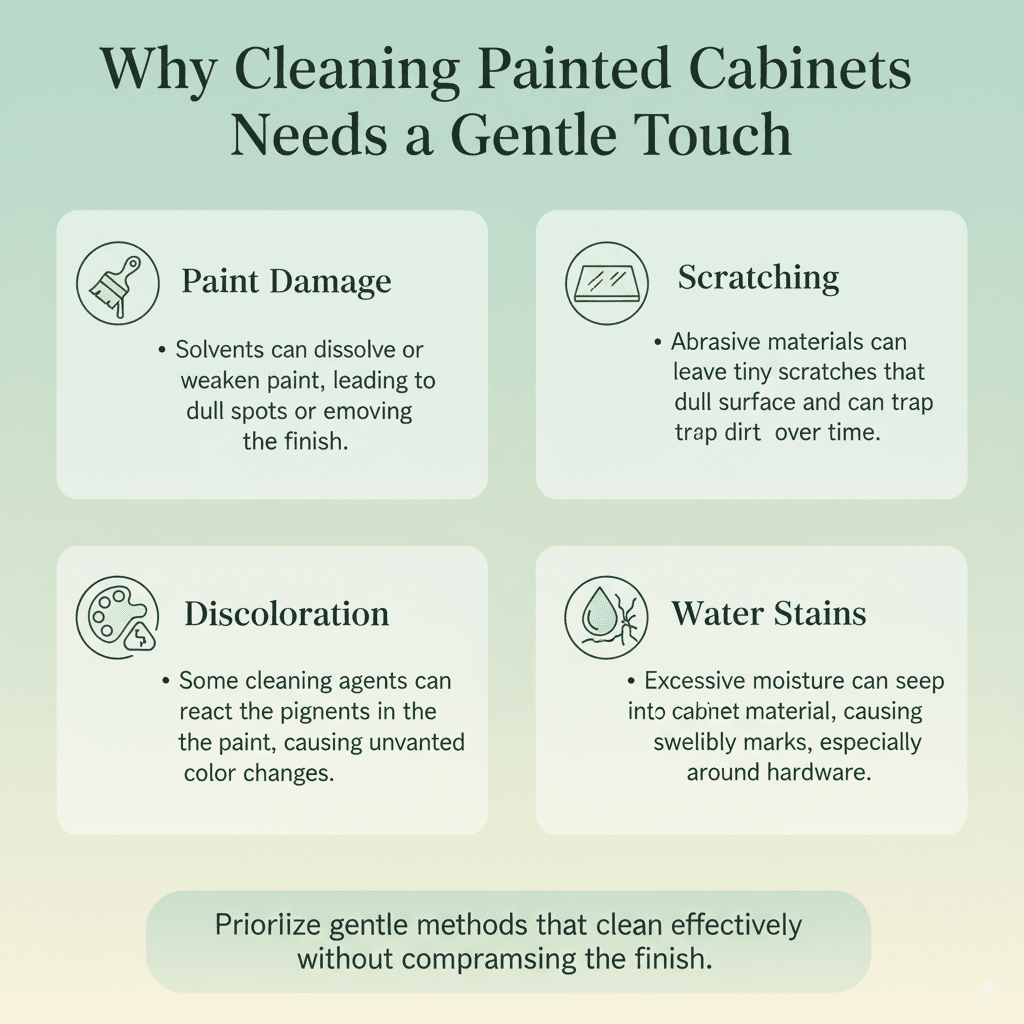
Why Cleaning Painted Cabinets Needs a Gentle Touch
Painted cabinets are wonderfully versatile, offering a fresh look that can be updated with a new color. However, paint, especially latex or acrylic paints commonly used on cabinets, can be more sensitive than natural wood finishes. Harsh cleaners, abrasive scrubbers, or even too much water can lead to:
- Paint Damage: Solvents can dissolve or weaken paint, leading to dull spots or entirely removing the finish.
- Scratching: Abrasive materials can leave tiny scratches that dull the surface and can trap dirt over time.
- Discoloration: Some cleaning agents can react with the pigments in the paint, causing unwanted color changes.
- Water Stains: Excessive moisture can seep into the cabinet material or the paint layers, causing swelling or leaving unsightly marks, especially around hardware.
That’s why understanding the “best way to clean painted cabinets” means prioritizing gentle methods that get the job done effectively without compromising the finish. It’s about working with the paint, not against it.
Gathering Your Cleaning Arsenal: Simple Supplies for a Sparkling Finish
You don’t need a cabinet full of specialized, expensive products to get your painted cabinets clean. In fact, many of the most effective solutions are already in your home! Here’s what you’ll want to have on hand:
Essential Cleaning Tools:
- Soft Cloths: Microfiber cloths are ideal because they are non-abrasive, highly absorbent, and great for dusting and wiping. Have a few clean ones ready.
- Sponges: Use soft, non-abrasive sponges. Avoid the scratchy green scrubby side!
- Spray Bottles: For mixing your cleaning solutions.
- Bucket: For your cleaning solution or rinse water.
- Old Toothbrush: Perfect for getting into crevices and around hardware.
- Paper Towels: For quick drying or soaking up spills.
Gentle Cleaning Solutions:
- Warm Water: The base for most gentle cleaning.
- Mild Dish Soap: A degreaser that’s gentle enough for most painted surfaces. Look forpH-neutral options if possible.
- White Vinegar: A natural degreaser and mild disinfectant. It’s acidic, so it’s important to dilute it.
- Baking Soda (for stubborn spots): A very mild abrasive that can help lift grime. Use it sparingly and with extreme caution.
Always test any cleaning solution on an inconspicuous area of your cabinets first, like the inside of a door or a corner that isn’t easily visible. This ensures it won’t damage the paint. This simple step is crucial for avoiding any unfortunate surprises.
Step-by-Step Guide: The Best Way to Clean Painted Cabinets
Let’s get those cabinets looking their best! Follow these steps for an effective and safe clean.
Step 1: General Dusting and Wiping Down
Before you tackle any grime, start with the basics. Dust is the first layer that needs to go.
- Dry Wipe: Take a clean, dry microfiber cloth and wipe down all cabinet doors and frames. This removes loose dust and debris. It’s a quick step but makes a big difference in preventing scratching when you move to wet cleaning.
- Check Hardware: Pay attention to cabinet knobs and handles. Dust often accumulates here.
Step 2: Mild Soap and Water – Your Go-To for Everyday Grime
For most general cleaning, a simple mixture of dish soap and water is incredibly effective and safe for painted cabinets.
- Mix Your Solution: In a bucket or spray bottle, mix about 1 teaspoon of mild dish soap with 2 cups of warm water. You want just enough soap to create a little suds, not an excessive amount.
- Dampen Your Cloth: Dip one of your soft cloths or sponges into the solution. Wring it out thoroughly so it’s damp, not dripping wet. Excess water can damage your cabinets.
- Wipe Surfaces: Gently wipe down the cabinet doors and frames. Work in sections, and for cabinet doors, wipe from top to bottom.
- Rinse (Optional but Recommended): For areas where you used soap solution, take another clean cloth dampened with plain water, wring it out well, and wipe the surface again to remove any soap residue. This step prevents a hazy film from forming later.
- Dry Thoroughly: Immediately use a clean, dry microfiber cloth to dry the cabinet surfaces. This is a critical step to prevent water spots and streaks.
This method is usually sufficient for most daily smudges, fingerprints, and light kitchen splatters. It’s the safest and most recommended first approach.
Step 3: Tackling Greasy Buildup
Kitchen cabinets, especially those near the stove, can accumulate a film of grease that soap and water might not fully cut through.
- White Vinegar Solution: For tougher grease, try a diluted vinegar solution. Mix equal parts white vinegar and warm water in a spray bottle.
- Spray and Wipe: Lightly spray the solution onto a damp cloth (don’t spray directly onto the cabinets, as too much liquid could seep in). Gently wipe the greasy areas.
- Rinse and Dry: Just like with the soap and water method, follow up with a clean, damp cloth to rinse away the vinegar solution, and then thoroughly dry with a soft, dry cloth.
Vinegar is a fantastic natural degreaser. However, its acidity means you must always dilute it and rinse it off afterward to protect your paint. For heavily painted surfaces or if you’re unsure about using vinegar, a dedicated cabinet cleaner (specifically formulated for painted surfaces) can be an alternative, but always test it first.
Step 4: Dealing with Stubborn Stains or Spatters
Occasionally, you’ll encounter marks that are more persistent.
- Gentle Spot Cleaning: For very specific, tough spots (like dried food or marker), you can try a paste of baking soda and water.
- Make a Paste: Mix a small amount of baking soda with water to form a paste.
- Apply and Gently Rub: Apply a tiny amount of this paste to the stain. Use a soft cloth or a damp toothbrush to gently rub the spot. Do this very lightly. Baking soda is an abrasive, so over-scrubbing can damage the paint.
- Wipe and Rinse: Once the stain is lifting, wipe away the residue with a clean, damp cloth. Rinse thoroughly with a water-dampened cloth and then dry completely.
Caution: Always use the baking soda paste as a last resort for very stubborn spots and with extreme gentleness. For most painted cabinets, sticking to mild soap and water or diluted vinegar is the preferred method.
Step 5: Cleaning Cabinet Crevices and Hardware
Don’t forget the small details that can make a big difference!
- Toothbrush Power: Dip an old toothbrush into your mild soap and water solution.
- Scrub Gently: Gently scrub around cabinet hinges, door edges, and especially around knobs and handles where grime loves to hide.
- Wipe and Dry: Wipe away any loosened gunk with a damp cloth, rinse with a water-dampened cloth, and then dry thoroughly.
What to AVOID When Cleaning Painted Cabinets
Just as important as knowing what to do is knowing what not to do. To maintain the integrity and beauty of your painted cabinets, steer clear of these common mistakes:
| Avoid These Cleaning Items | Why You Should Avoid Them |
|---|---|
| Abrasive Cleaners (e.g., scouring powders, anything with grit) | Can scratch and dull the painted surface, removing the finish over time. |
| Harsh Chemicals (e.g., ammonia, bleach, acetone, strong solvents) | Can dissolve, discolor, or permanently damage the paint. |
| Abrasive Scrub Pads (e.g., steel wool, rough sponges) | Will easily scratch the paint, leaving unsightly marks. |
| Excessive Water or Soaking | Can cause the cabinet material to swell, warp, or create water stains. |
| Direct Spraying of Cleaners | Increases the risk of liquid seeping into cabinet seams or around hardware. |
| Steam Cleaners | The heat and moisture can be too intense for most painted finishes and can cause damage. |
By avoiding these items, you significantly reduce the risk of damaging your beautiful cabinets and ensure they stay looking great for longer. Remember, gentle is key!
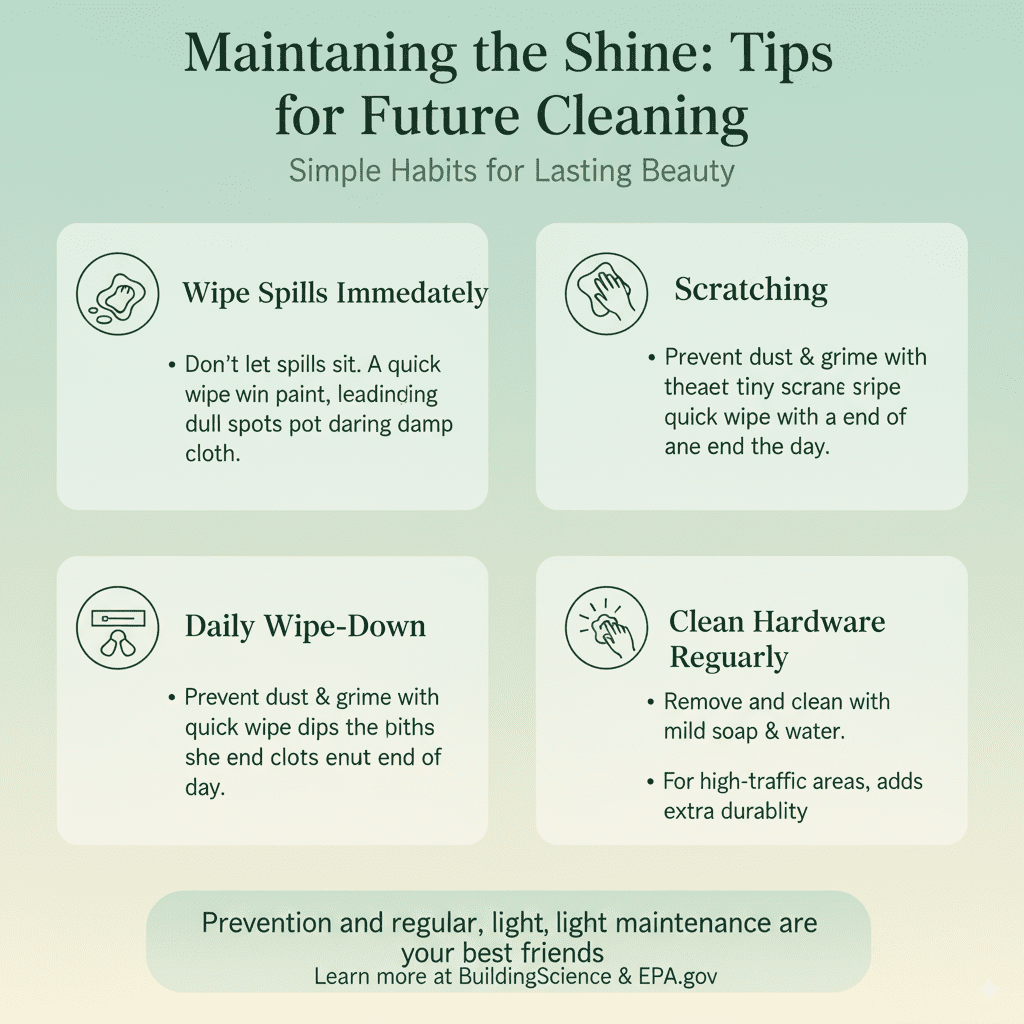
Maintaining the Shine: Tips for Future Cleaning
Prevention and regular, light maintenance are your best friends when it comes to keeping painted cabinets looking their best.
- Wipe Spills Immediately: Don’t let spills sit. A quick wipe with a damp cloth as soon as they happen can prevent them from becoming stubborn stains.
- Daily Wipe-Down: A quick once-over of cabinet fronts with a dry or slightly damp microfiber cloth at the end of the day can prevent dust and light grime from building up.
- Use Exhaust Fans: Running your kitchen exhaust fan while cooking helps significantly reduce the amount of grease and steam that settles on your cabinets. This is a great tip from numerous home maintenance resources, including those from the EPA (Environmental Protection Agency) regarding indoor air quality and home maintenance best practices.
- Clean Hardware Regularly: Your cabinet hardware can often be cleaned with the same mild soap and water, or removed for a more thorough cleaning if they are particularly grimy.
- Consider a Protective Coat (for very high-traffic areas): For cabinets that see extremely heavy use, some homeowners opt for a clear protective coat applied over the paint. This is a more advanced step, often done during the painting process, but it can offer extra durability.
Consistent, gentle care is far more effective than infrequent, harsh scrubbing.
Frequently Asked Questions About Cleaning Painted Cabinets
Q1: Can I use all-purpose cleaners on my painted cabinets?
It’s best to avoid most general all-purpose cleaners. Many contain harsh chemicals or abrasives that can damage the paint. Always opt for milder solutions or cleaners specifically designed for painted cabinets, and always test in an inconspicuous spot first.
Q2: My painted cabinets have a chalky residue. What can I do?
A chalky residue often indicates that the paint is older, has degraded slightly, or that a harsh cleaner has removed some of the binders in the paint. You can try gently wiping with a damp microfiber cloth. If it persists, a very dilute solution of mild dish soap and water, followed by thorough drying, might help. For severe chalking, repainting might be necessary.
Q3: How often should I clean my painted kitchen cabinets?
For daily maintenance, a quick wipe-down with a dry microfiber cloth a few times a week is great. A more thorough cleaning with a mild soap solution can be done as needed, perhaps monthly, or whenever you notice visible grime, fingerprints, or grease splatters.
Q4: What’s the best way to clean cabinets painted with oil-based paint?
Oil-based paint is generally more durable than latex or acrylic. You can usually use slightly stronger solutions, such as a diluted degreaser. However, it’s still wise to start with mild dish soap and water. Always test first, and a good rule of thumb from woodworking experts is to avoid solvents that could be too aggressive, even on oil-based paints unless they are specifically recommended for the type of finish.
Q5: Can I use magic erasers on painted cabinets?
Magic erasers (melamine foam) are very effective at removing marks, but they are essentially a very fine abrasive. While they can be used cautiously on some painted surfaces, they can also dull or remove the paint finish if used with too much pressure or too frequently. Always try gentler methods first, and if you do use one, test it in a hidden area and use very light pressure.
Q6: My cabinets were professionally painted. Does that change how I should clean them?
Professionally painted cabinets are often finished with higher quality paints and protective topcoats, making them generally more durable. However, the advice to use gentle, non-abrasive cleaners still holds true. Always consult the painting professional or the paint manufacturer’s guidelines if you have them for specific care instructions. Even high-quality paint can be damaged by harsh chemicals or excessive scrubbing.
Conclusion
Keeping your painted cabinets looking their best doesn’t require a lot of time, effort, or specialized products. By understanding that a gentle approach is always the best way to clean painted cabinets, you can effectively tackle everyday dirt, grime, and grease without risking damage to the finish. Simple solutions like mild dish soap and warm water, or a diluted white vinegar mixture, are highly effective and safe when used with soft cloths and thorough drying.
Remember to avoid harsh chemicals and abrasive materials, always test new cleaners in a hidden spot, and make regular, light maintenance a habit. With these easy-to-follow steps and tips, you’ll confidently maintain a beautiful, effortlessly shiny finish on your painted cabinets for years to come. Happy cleaning!