Behr Cabinet Paint vs Urethane Alkyd: VOC, Cost & Durability
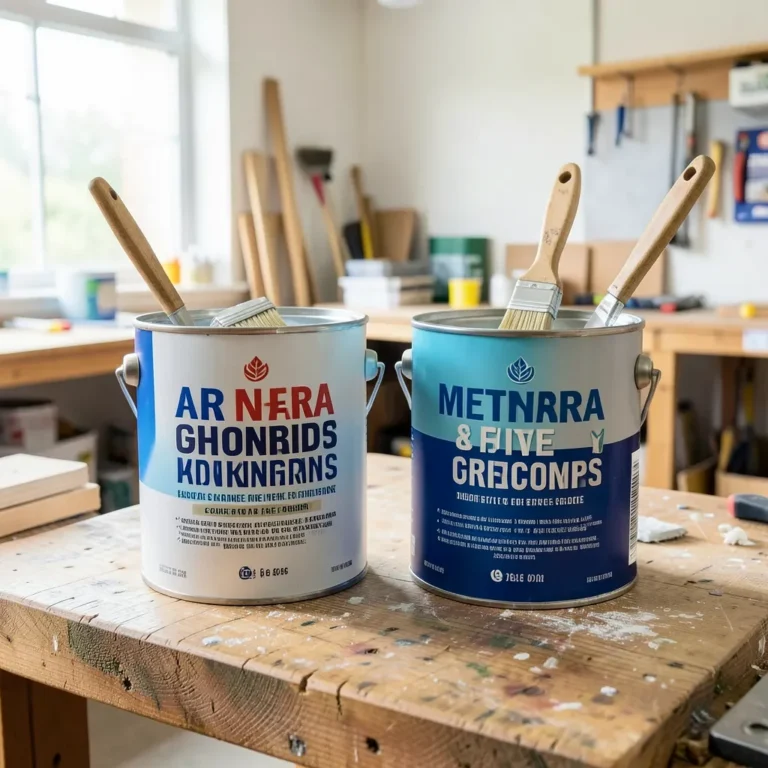
Both Behr enamels are water-based, both are rated under 50 g/L VOC, and both list a 7-day full cure, so fumes and cure time will not decide this comparison. The real gaps in Behr’s own data sheets are recoat time (2 hours for Cabinet, Door and Trim Enamel versus 4 to 8 hours for Urethane Alkyd), coverage, and sheen. This guide lays the published numbers side by side and shows which product suits cabinet doors, drawer fronts and trim.
Behr Cabinet, Door and Trim Enamel vs Urethane Alkyd: The Short Answer
Best Non-Behr Cabinet Enamel
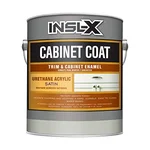 |
INSL-X Cabinet Coat Urethane Acrylic Satin Enamel, 1 Gallon ($66.98) Both Behr enamels in this comparison are sold in-store, so this is the alternative we could confirm in stock on Amazon: a satin urethane acrylic enamel made only for cabinets and trim.
|
Pick Cabinet, Door and Trim Enamel when you want to finish two coats in one day and return doors to service quickly. Its data sheet lists a 1-hour touch-dry, a 2-hour recoat and outstanding block resistance, which is the property that keeps a painted door from sticking to its frame. Pick Urethane Alkyd Semi-Gloss when you want a glossier sheen and can wait 4 to 8 hours between coats. Its data sheet lists 500 to 550 sq ft per gallon on smooth primed surfaces, versus 350 to 400 for the cabinet enamel.
A myth worth correcting
Many articles claim urethane alkyd is the harder, tougher option and needs weeks to cure. Behr’s data sheets do not say that. Neither sheet publishes a hardness or abrasion number, and both list the same 7-day full cure at 77 degrees F and 50 percent relative humidity. “Alkyd” describes the resin, not a solvent-based paint, and Behr’s sheets give soap and water cleanup for both. If a review calls one of them harder, ask which test produced the number.
Behr Data Sheet Numbers Side by Side
These figures come from Behr’s technical data sheets for Cabinet, Door and Trim Semi-Gloss Enamel No. 7120 (revised 4/2022) and Urethane Alkyd Semi-Gloss Enamel No. 3900 (revised 7/2019). Dry times assume 77 degrees F and 50 percent relative humidity.
| Spec | Cabinet, Door and Trim Enamel | Urethane Alkyd Enamel |
|---|---|---|
| Resin type | Acrylic | Urethane alkyd |
| Base | Water-based, soap and water cleanup | Water-based, soap and water cleanup |
| VOC | Under 50 g/L | Under 50 g/L |
| Solids by volume | 36% (plus or minus 2) | 39% (plus or minus 2) |
| Gloss at 60 degrees | 40 to 50 (semi-gloss) | 45 to 60 (measured after a 14-day cure) |
| Coverage per gallon | 350 to 400 sq ft | 500 to 550 sq ft on primed smooth surfaces; 350 to 400 on primed rough surfaces |
| Dry to touch | 1 hour | 2 to 4 hours |
| Recoat | 2 hours | 4 to 8 hours |
| Full cure | 7 days | 7 days |
| Coats | Two required | Two recommended |
| Thinning | Do not thin | Do not thin |
| Where it can be used | Interior and exterior | Interior and exterior, above-grade surfaces only |
| Block resistance claim | Yes, outstanding block resistance | Not claimed on the data sheet |
What the Numbers Mean for Cabinet Doors
Coverage and how much to buy
Take 100 sq ft of painted surface, about 20 to 25 standard doors painted on both faces. Two coats means 200 sq ft of coverage. At the cabinet enamel’s 350 to 400 sq ft per gallon, that is 0.50 to 0.57 gallon. At the urethane alkyd’s 500 to 550 sq ft per gallon on smooth primed surfaces, it is 0.36 to 0.40 gallon. Raised-panel doors count as rough surfaces on the alkyd sheet, so use 350 to 400 there and the two products come out equal. Either way, buy a gallon, because half a gallon leaves no margin for the second coat.
To compare cost honestly, divide the shelf price of each can by its coverage. A cheaper gallon that covers 350 sq ft is not cheaper per sq ft than a dearer one that covers 500. Prices vary by color base and store, so check the shelf tag rather than trusting a price quoted in an article.
Timeline for a two-coat job
- Cabinet enamel: a 2-hour recoat means primer, then coat one and coat two, can fit inside a single day when conditions are near 77 degrees F.
- Urethane alkyd: a 4 to 8 hour recoat usually pushes the second coat to the next morning if the first goes on after lunch.
- Both: dry times stretch in cool or humid rooms, and darker colors may need extra time between coats per the alkyd sheet.
Sheen and sticking
The alkyd’s 45 to 60 gloss reading is taken after a 14-day cure, so a fresh alkyd finish may look different than it will two weeks later. The cabinet enamel’s block resistance matters most on doors that press against a frame or each other. Whichever you choose, the 7-day cure is the window to avoid stacking doors or slamming them. Behr’s product page for the cabinet enamel says doors can be closed as early as 2 hours after the final coat, but its data sheet asks for a full week before washing.
Primer, Prep and Safety From Behr’s System Recommendations
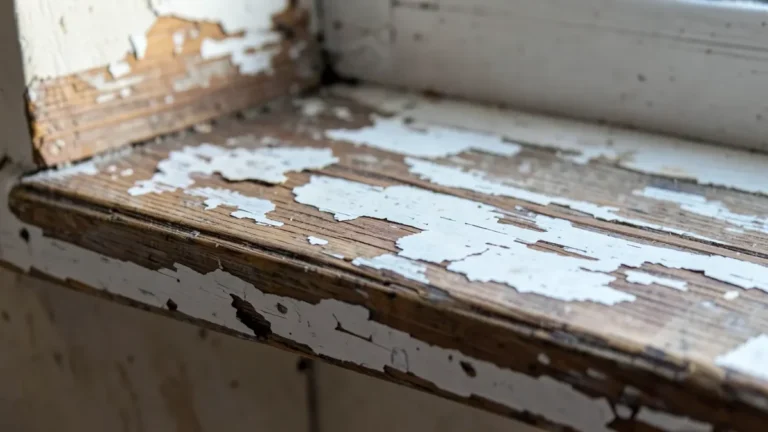
Behr’s system recommendation has the same shape for both paints on wood: one coat of primer, then two coats of enamel. Skipping the primer is a common reason enamels peel, and Behr lists it as part of the system, not an option.
| Paint | Primer named on the data sheet for wood |
|---|---|
| Cabinet, Door and Trim Enamel | Kitchen, Bath and Trim Interior Stain-Blocking Primer and Sealer No. 75, or Acrylic-Alkyd Enamel Undercoater No. 437 |
| Urethane Alkyd Enamel | No. 75 (interior only), or Multi-Surface Interior/Exterior Stain-Blocking Primer and Sealer No. 436, which Behr recommends for tannin-rich woods |
- Substrates: the cabinet enamel sheet lists wood and engineered wood; see our guides to repainting MDF cabinets and painting MDF cabinet doors for edge sealing.
- Tannin bleed: woods such as maple can stain through paint, which is why the alkyd sheet points to No. 436; read can you paint maple cabinets before you start.
- Glossy old finish: both sheets say to sand glossy surfaces thoroughly for maximum adhesion.
- Temperature: apply between 50 and 90 degrees F. Above 90 the paint dries too fast; below 50 the film may not form properly. The alkyd sheet adds: not in direct sunlight.
- Old paint and lead: both sheets warn that scraping or sanding old paint may release toxic lead dust. The alkyd sheet advises a NIOSH-approved respirator, a HEPA vacuum and a wet mop, and lists the National Lead Information Center at 1-800-424-LEAD.
- Fumes: under 50 g/L is low, not zero. Open windows and doors. The alkyd sheet states that a dust mask does not protect against vapors.
Application, Cure and Cleanup
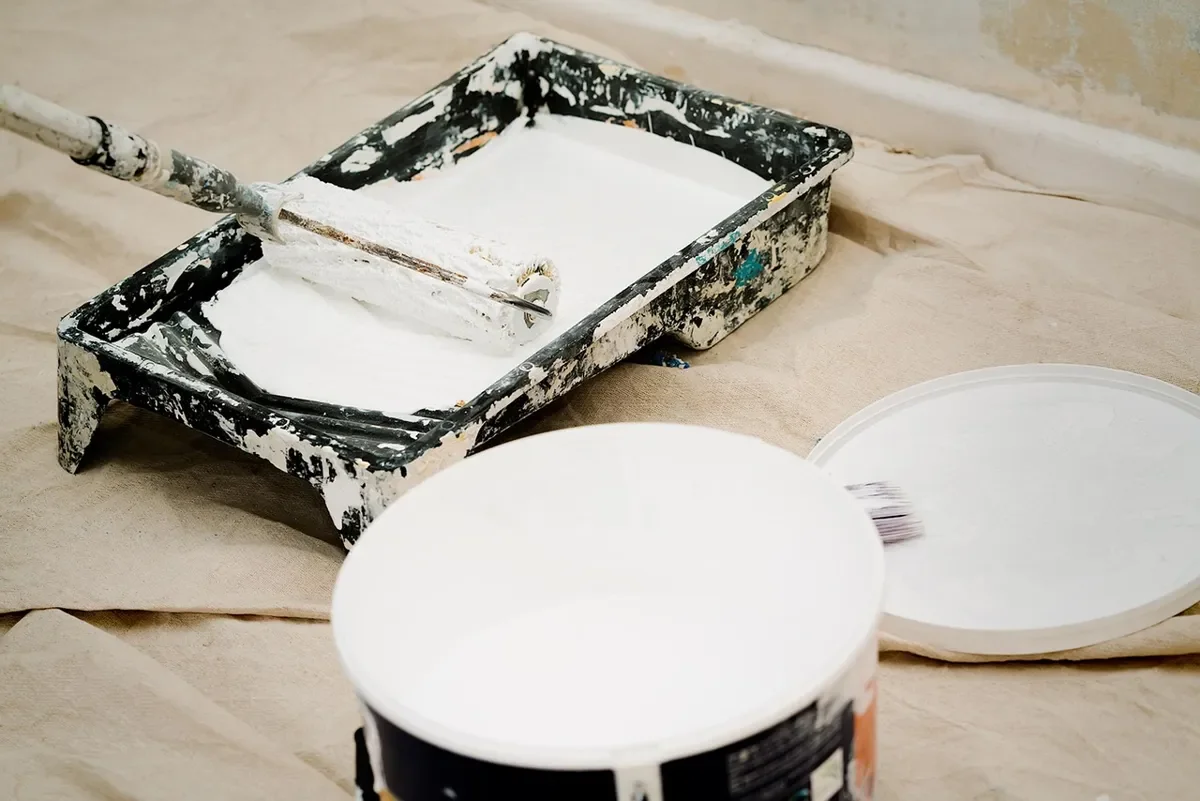
- Brush: a nylon brush for the cabinet enamel; a high-quality synthetic brush for the alkyd.
- Roller: 1/4-inch nap for the cabinet enamel; 1/4 to 3/8-inch nap for the alkyd, depending on surface texture.
- Airless spray: tip .013 to .015 inch for the cabinet enamel and .013 to .017 for the alkyd, 60-mesh filter and 1,400 to 2,400 psi fluid pressure for both.
- Cure: 7 days before washing, using the least aggressive method first, such as water on a soft cellulose sponge.
- Cleanup: warm soapy water for tools. Do not pour leftover paint down a drain; follow local disposal rules. Cover the alkyd can between uses to prevent skinning.
- Not for floors: both sheets say not to use these on floors.
Which Behr Enamel Should You Choose?
- Painting in a single weekend, or doors that will be handled soon: Cabinet, Door and Trim Enamel, for the 2-hour recoat and block resistance.
- Want a glossier finish and can wait between coats: Urethane Alkyd Semi-Gloss, for its 45 to 60 gloss and larger stated coverage on smooth surfaces.
- Exterior door or trim exposed to weather: both are labeled interior/exterior, but the alkyd is for above-grade surfaces only.
- Deciding between cabinet paint and ordinary wall paint: see cabinet paint vs wall paint.
- Weighing a different brand: our Behr vs Glidden comparison covers trim paint.
Whichever you pick, the prep decides how long the finish lasts. The primer step is covered in more detail in our guide to the best wood primer and undercoat.
Frequently Asked Questions
Is Behr Urethane Alkyd Enamel oil-based?
No. Behr’s data sheet describes it as combining the performance of a traditional oil-based paint with the convenience of a water-based paint, and it lists warm soapy water for tool cleanup and VOC under 50 g/L. Its resin is a urethane alkyd, but the product is water-based.
Can I use Behr Cabinet, Door and Trim Enamel on MDF cabinets?
Yes, on a primed surface. The data sheet lists engineered wood as a recommended substrate and calls for one coat of a suitable primer under two coats of enamel. Prime MDF first and sand glossy old finishes before coating.
Do I need primer under either Behr enamel?
Behr’s system recommendation for wood is one coat of primer, then two coats of enamel, for both products. The cabinet enamel data sheet names Kitchen, Bath and Trim Stain-Blocking Primer No. 75 or Acrylic-Alkyd Enamel Undercoater No. 437. The urethane alkyd sheet names No. 75 for interior wood, or No. 436 for tannin-rich woods.
Can I thin Behr cabinet enamel or urethane alkyd?
No. Both data sheets say do not thin and describe the paint as formulated for use at package consistency.
How long before I can wash freshly painted cabinets?
Wait 7 days. Both data sheets give a 7-day full cure and say to allow that time before washing or cleaning. Start with the gentlest method, such as water on a soft cellulose sponge.
Sponsored / affiliate links. As an Amazon Associate I earn from qualifying purchases. I may earn additional commission from eligible campaigns.