Best Way to Kill Mold in Wood: Proven Antidote
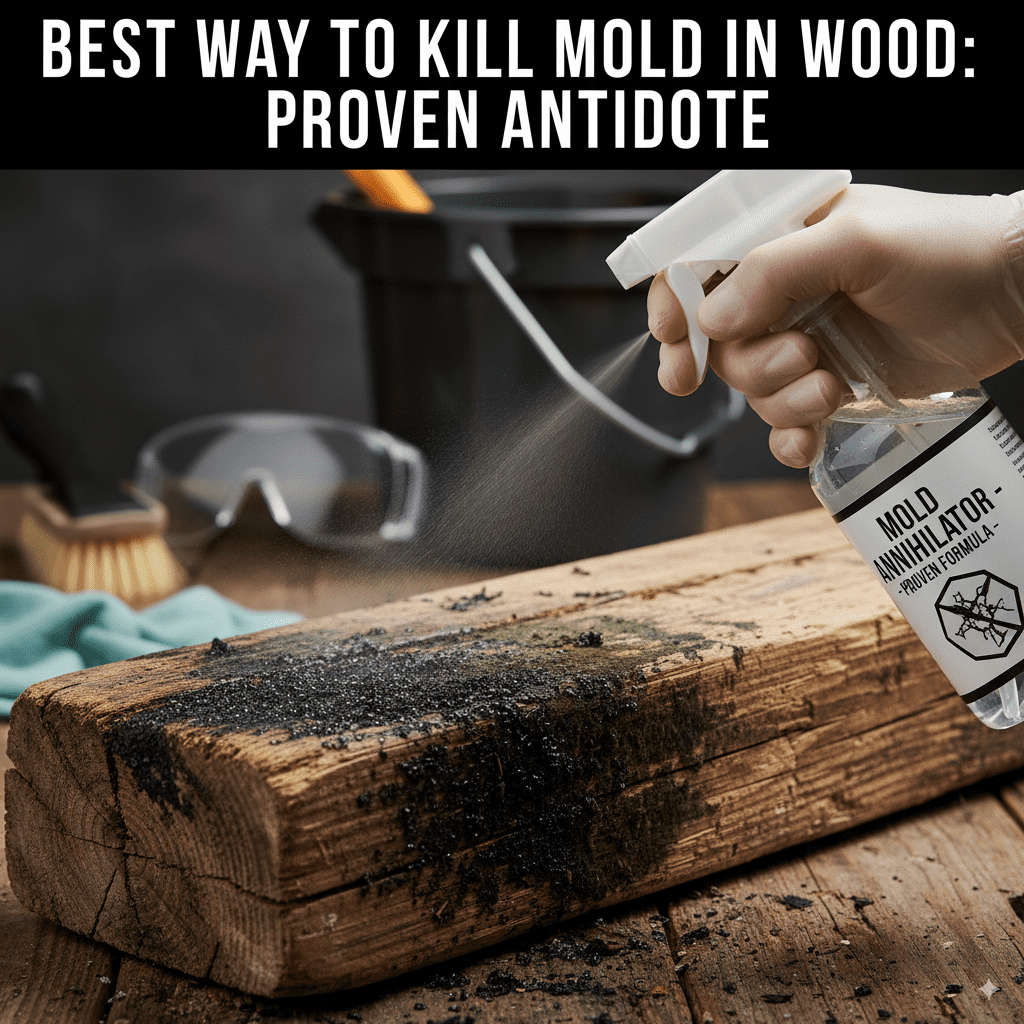
The best way to kill mold in wood involves identifying the mold, cleaning it effectively with a safe and appropriate solution, and preventing its return with proper ventilation and moisture control. For most minor mold issues, a mixture of water and vinegar or a specialized mold remover is highly effective.
Mold on wood can be a real headache for any woodworker or homeowner. It’s not just about how it looks; mold can weaken wood and even affect your health. But don’t worry! Tackling mold might seem daunting, but with the right approach, you can win this battle. We’ll walk through the simplest, most effective ways to get rid of that pesky mold and keep your wood looking great and staying healthy. Get ready to restore your wood and your peace of mind!
Understanding the Enemy: What is Mold and Why Does It Love Wood?
Before we jump into fighting mold, let’s understand what we’re up against. Mold is a type of fungus that thrives in damp, dark, and humid environments. Think of it like tiny plants that sprout when they have the right conditions. Wood, especially unfinished or porous wood, provides a perfect buffet for mold because it’s made of organic material, which mold feeds on.
Mold spores are everywhere, floating in the air. When these spores land on a damp wooden surface, they can start to grow. This growth often appears as discoloration on the wood, ranging from black and green to fuzzy white or grey patches. It’s crucial to address mold as soon as you spot it because it can spread quickly and, over time, damage the integrity of the wood.
Factors That Encourage Mold Growth on Wood:
Moisture: This is the biggest culprit. Leaks, high humidity levels, condensation, or poor ventilation create the damp conditions mold needs.
Temperature: Mold generally prefers moderate temperatures, typically between 40°F and 100°F (4°C and 38°C), which are common indoor temperatures.
Food Source: Wood, with its organic compounds, is an ideal food source.
Darkness: Mold often prefers dimly lit or dark areas, though it can grow in light too.
Identifying Mold vs. Mildew vs. Stains on Wood
It’s easy to get confused by the different types of discoloration on wood. Sometimes, what looks like mold might be something else entirely, and using the wrong cleaning method could make things worse. Let’s break down the common culprits:
Mold: This is a living organism that grows in fuzzy or slimy patches. It can be black, green, white, grey, or even orange. Mold has a distinct musty, earthy smell. If you scratch at it, it might feel a bit fuzzy or slimy.
Mildew: Mildew is a type of mold but usually stays on the surface. It often appears as a white or grey powdery film. Mildew is typically easier to remove than other types of mold and doesn’t usually penetrate deep into the wood. It also has that characteristic musty smell.
Stains: These are discolorations that have soaked into the wood but aren’t alive. They can be caused by water damage, chemicals, or tannins in the wood itself. Stains usually don’t have a fuzzy texture and don’t emit a musty odor.
Knowing the difference helps you choose the right cleaning agent and technique to ensure you’re truly killing the mold and not just treating a cosmetic issue.
Safety First! Preparing to Tackle Mold
Before we get our hands dirty, safety is paramount. Mold spores can trigger allergies and respiratory problems, so protecting yourself is essential. Think of it like preparing for any DIY task – good preparation makes the job easier and safer.
Essential Safety Gear:
Gloves: Wear rubber or disposable gloves to prevent skin contact with mold and cleaning solutions.
Eye Protection: Safety glasses or goggles will protect your eyes from mold spores and cleaning splashes.
Mask: A high-efficiency particulate air (HEPA) filter mask or an N95 respirator is crucial to avoid inhaling mold spores. Regular dust masks are not sufficient.
Ventilation: Open windows and doors to ensure good airflow. If working in a confined space, consider using a fan to direct air outwards.
Preparing the Area:
Remove items: If the moldy wood is in a piece of furniture or a small item, remove it from carpeted areas to prevent spores from spreading.
Containment: For larger areas, you might consider using plastic sheeting to seal off the affected area to prevent spores from traveling.
Protect surroundings: Cover any surrounding surfaces, like floors or nearby furniture, with drop cloths or plastic sheeting.
The Best Ways to Kill Mold in Wood: Proven Methods
Now that we’re geared up and understand the risks, let’s dive into the effective ways to eliminate mold from your wood. There are several methods, and the best one for you will depend on the extent of the mold and the type of wood.
Method 1: The Vinegar Solution (For Mild to Moderate Mold)
White vinegar is a fantastic natural disinfectant and mold killer. It’s acidic enough to kill mold and mildew without being as harsh as bleach. Plus, it’s inexpensive and readily available.
What You’ll Need:
Unscented white vinegar (5% acidity)
Spray bottle
Clean cloths or sponges
Stiff brush (optional, for tougher spots)
Safety gear (as listed above)
Steps:
1. Protect Yourself and the Area: Put on your gloves, eye protection, and mask. Ensure the area is well-ventilated.
2. Fill the Spray Bottle: Pour undiluted white vinegar into a spray bottle. Do not dilute it; the acidity is what makes it effective.
3. Spray the Moldy Wood: Generously spray the vinegar directly onto the moldy areas. Make sure to saturate the mold.
4. Let It Sit: Allow the vinegar to sit on the wood for about an hour. This gives the acid time to penetrate and kill the mold roots.
5. Wipe Clean: Use a clean cloth or sponge to wipe away the mold. You might need to scrub gently with a soft brush for stubborn patches.
6. Rinse (Optional but Recommended): Dampen another clean cloth with plain water and wipe down the area to remove any residual vinegar.
7. Dry Thoroughly: This is a crucial step! Use a dry cloth to pat the wood dry. You can also use a fan or a dehumidifier to speed up the drying process. Ensure the wood is completely dry before moving furniture or covering it.
The vinegar smell will dissipate as it dries. This method is excellent for surfaces like finished furniture, decks, or wooden structures.
Method 2: The Borax Solution (A Natural & Effective Antidote)
Borax is a naturally occurring mineral that’s a natural fungicide, insecticide, and cleaning booster. It’s an excellent option for killing mold and preventing its return.
What You’ll Need:
Borax (sodium tetraborate) – available at most grocery or hardware stores.
Warm water
Bucket or container
Brush or sponge
Clean cloths
Safety gear
Steps:
1. Gear Up: Put on your protective gear.
2. Mix the Solution: In a bucket, mix 1 cup of Borax with 1 gallon of warm water. Stir well until the Borax is completely dissolved. You don’t need to rinse this solution off; the residue can help prevent future mold growth.
3. Apply to Moldy Areas: Use a brush or sponge to apply the Borax solution directly to the mold-infested wood. Make sure to cover all affected areas.
4. Scrub (If Necessary): For visible mold, gently scrub the area with the brush.
5. Wipe Away Excess (Optional): If you prefer not to leave the Borax residue, you can lightly wipe the surface with a damp cloth. However, leaving a thin layer can act as a preventative.
6. Dry Completely: Allow the wood to air dry thoroughly.
Borax is generally considered safe for humans and pets when used as directed, but it’s still wise to avoid ingestion and prolonged skin contact.
Method 3: Hydrogen Peroxide (A Gentle Bleaching Agent for Light Mold)
Hydrogen peroxide (3% solution, the common household type) is a gentler alternative to bleach. It can kill mold, mildew, and bacteria, and it also has a mild bleaching effect that can help lighten stains.
What You’ll Need:
3% hydrogen peroxide solution
Spray bottle
Clean cloths or sponges
Safety gear
Steps:
1. Safety First: Don your protective gear.
2. Fill Spray Bottle: Pour undiluted 3% hydrogen peroxide into a spray bottle.
3. Spray the Mold: Spray the hydrogen peroxide directly onto the moldy wood.
4. Let It Work: Let the solution sit for at least 10–15 minutes. You might see it bubbling as it works – this is normal!
5. Scrub and Wipe: Gently scrub the area with a cloth or sponge to remove the mold.
6. Rinse and Dry: Wipe down the area with a damp cloth to remove any residue and then dry the wood completely.
Hydrogen peroxide is an oxidizer, so while it’s safer than bleach, avoid mixing it with vinegar or other cleaners, as this can create harmful fumes.
Method 4: Specialized Mold Removers (For Stubborn Cases)
If DIY solutions aren’t cutting it, or if you’re dealing with a large or particularly stubborn mold infestation, you might consider a commercial mold killer. These products are specifically designed to kill mold and mildew on various surfaces, including wood.
What You’ll Need:
Commercial mold remover (follow product instructions carefully)
Applicator (as recommended by the product, e.g., brush, cloth, sprayer)
Safety gear (often more stringent for commercial products)
Steps:
1.
Read and Follow Instructions: This is critical. Different products have different application methods and safety precautions. Always read the label thoroughly before use.
2. Protect Yourself: Ensure you are wearing the recommended safety gear, which often includes stronger gloves and possibly a respirator with specific cartridges.
3. Apply Product: Use the recommended applicator to apply the mold remover to the affected areas.
4. Allow Dwell Time: Let the product work for the duration specified on the label.
5. Clean and Remove Residue: Follow the product’s instructions for wiping away the mold and any remaining product. Some may require rinsing, while others are designed to be left on.
6. Dry Thoroughly: Ensure the wood is completely dry after cleaning.
When choosing a commercial product, look for ones that are specifically formulated for wood and mention they are mold and mildew removers. For instance, products containing quaternary ammonium compounds are often effective and less toxic than bleach-based cleaners. Check out resources like the U.S. Environmental Protection Agency (EPA) for guidance on mold remediation.
Treating Different Types of Wood
The type of wood and its finish will influence how you approach mold removal.
Finished Wood (Varnished, Painted, Sealed): For sealed wood, mold often stays on the surface. Mild cleaning solutions like diluted vinegar or special wood cleaners are usually sufficient. Be gentle to avoid damaging the finish.
Pros: The finish offers some protection.
Cons: Mold can sometimes grow under the finish if there are scratches or cracks.
Unfinished Wood (Raw Lumber, Plywood): Unfinished wood is more porous and susceptible to mold penetration. You’ll need effective cleaning agents that can reach deeper. Be prepared that some discoloration might remain even after the mold is killed, and the wood might require sanding.
Pros: Easier for solutions to penetrate and kill mold.
Cons: Susceptible to deeper mold growth and staining. Might require more aggressive cleaning or sanding.
Outdoor Wood (Decks, Fences): Outdoor wood is exposed to more moisture and often has more robust mold or mildew issues. Sturdier solutions like a Borax solution, specialized deck cleaners, or pressure washing (with caution to avoid damaging the wood grain) can be effective. Always use products designed for outdoor use and follow their instructions carefully.
Dealing with Deeply Embedded Mold or Water Damage
Sometimes, mold has gone deeper into the wood, causing staining and structural damage. In these cases, surface cleaning might not be enough.
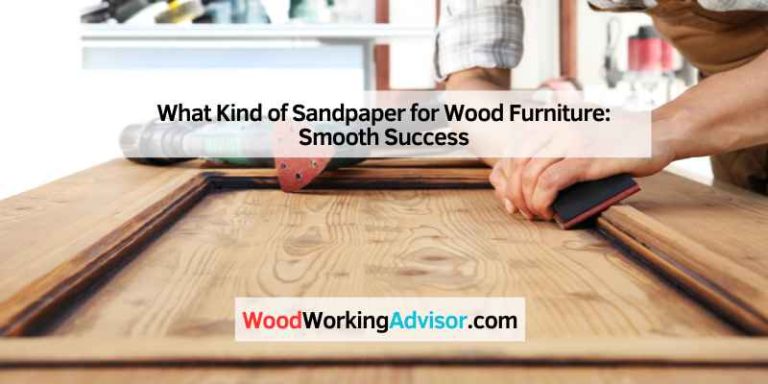
Sanding: For unfinished wood with surface mold or stains, careful sanding can remove the affected layers. Start with medium-grit sandpaper and finish with fine-grit to smooth the surface. Always wear a mask and eye protection when sanding, as this can stir up mold spores.
Wood Conditioners/Sealers: After cleaning and drying, applying a wood conditioner or sealer can help restore the wood’s surface and protect it from future moisture penetration.
Replacement: If the wood is severely damaged, rotten, or structurally compromised by mold, the safest and most effective solution is to remove and replace the affected section. This is especially important for load-bearing elements or areas where mold could pose a significant health risk.
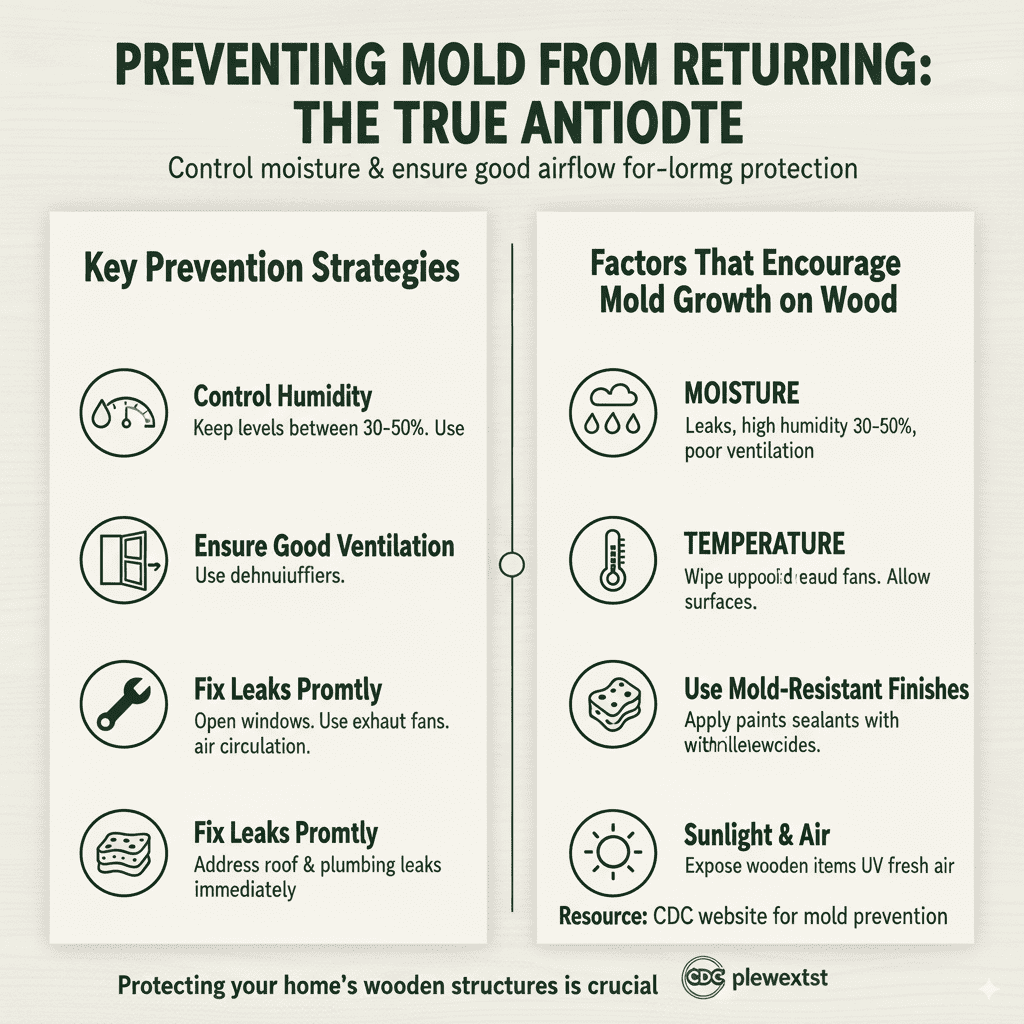
Preventing Mold from Returning: The True Antidote
Killing mold is only half the battle; preventing its return is key to long-term success. Mold needs moisture to grow. By controlling humidity and ensuring good airflow, you can keep your wood mold-free.
Key Prevention Strategies:
Control Humidity: Aim to keep indoor humidity levels between 30% and 50%. Use dehumidifiers in damp areas like basements or bathrooms.
Ensure Good Ventilation: Proper airflow is vital.
Open windows regularly to air out spaces.
Use exhaust fans in bathrooms and kitchens when cooking or showering.
Ensure furniture isn’t pushed tightly against walls, allowing air to circulate behind it.
In enclosed spaces like closets or cabinets, consider using moisture absorbers or small ventilation fans.
Fix Leaks Promptly: Address any roof leaks, plumbing issues, or condensation problems immediately.
Clean and Dry Spills: Don’t let water sit on wooden surfaces. Wipe up spills and ensure areas prone to moisture (like around sinks or windows) are kept dry.
Use Mold-Resistant Finishes: When painting or sealing wood, consider using products that contain mildewcides.
Sunlight and Air: If possible, expose wooden items to sunlight and fresh air periodically, as UV light and dry air can kill mold spores.
A great resource for understanding and preventing mold in homes can be found on the Centers for Disease Control and Prevention (CDC) website.
Comparing Mold Removal Methods
To help you choose the best approach, here’s a quick comparison of the common methods:
| Method | Best For | Pros | Cons |
|---|---|---|---|
| White Vinegar | Mild to moderate surface mold on most wood types. | Natural, inexpensive, readily available, sanitizes. | Can leave a strong odor (temporary), may require multiple applications for tough mold. |
| Borax Solution | Surface and slightly deeper mold, good for prevention. | Natural, effective fungicide, residue aids prevention, relatively safe. | Can leave a white residue if not wiped, requires mixing. |
| Hydrogen Peroxide (3%) | Light mold, surface stains, gentle on finishes. | Mild bleach effect, kills mold and bacteria, readily available. | Can sometimes lighten darker woods, avoid mixing with other cleaners. |
| Commercial Mold Removers | Stubborn or extensive mold infestations. | Specially formulated for efficiency, can be very powerful. | Can be more expensive, may contain harsh chemicals, requires strict adherence to safety instructions. |
| Sanding | Deeply embedded mold, stubborn stains on unfinished wood. | Physically removes affected material. | Creates dust (mold spores), requires protective gear, changes wood surface texture. |