How to Protect Outdoor Wood Furniture from Sun Damage
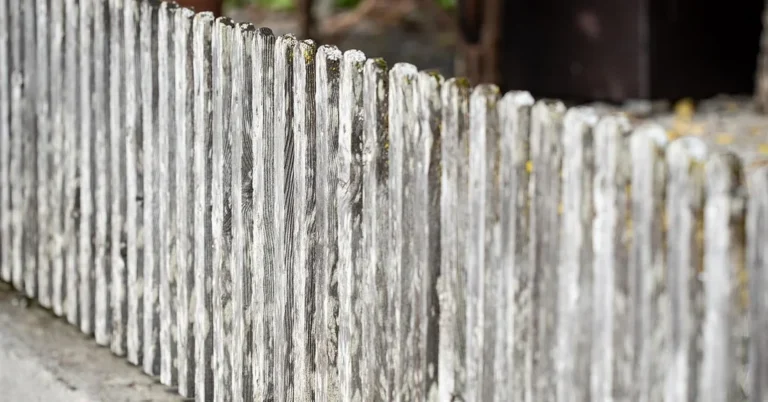
UV rays dry out wood’s natural oils and break down its lignin, which is what causes the graying, fading, and eventual cracking you see on unprotected outdoor furniture. A UV-rated sealant, oil, or pigmented finish — reapplied on a schedule, not just once — is what actually stops this, along with sensible shade and cover habits. Skip the kitchen-cabinet folk remedies (more on that below); they don’t do what people claim.
Choosing The Right Wood
Best For Teak, Cedar, And Other Outdoor Hardwoods
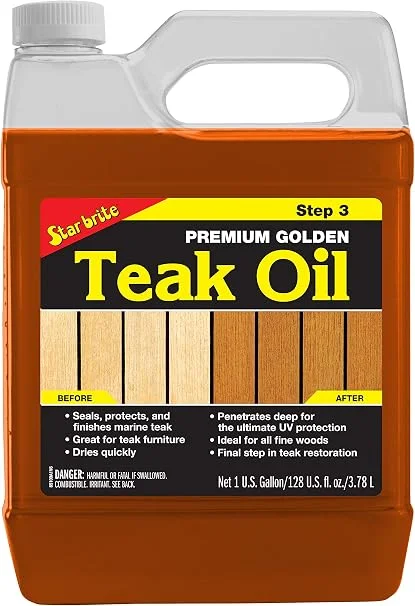 |
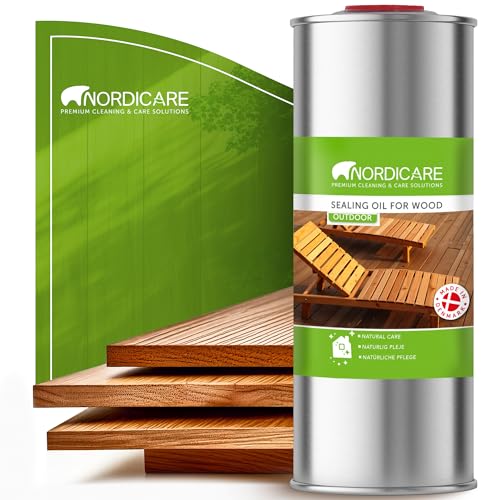
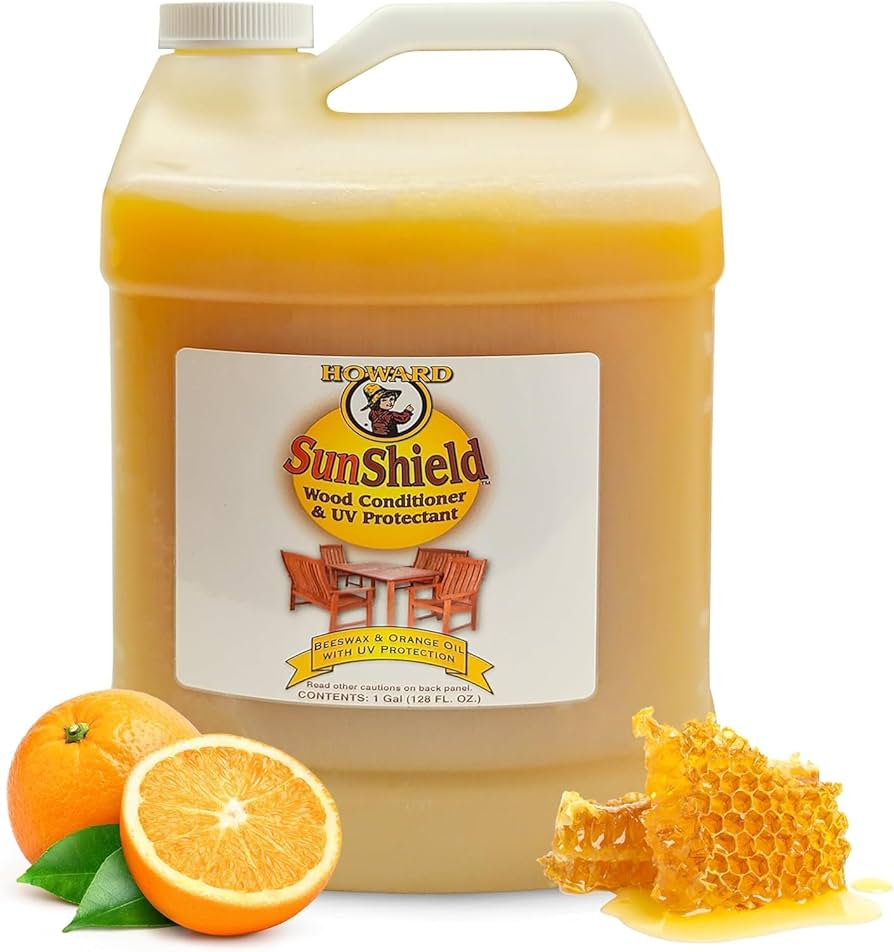
Star Brite Premium Golden Teak Oil – From $21.99 A real, marine-grade sealer and UV protectant built for exactly the job this article covers — unlike a homemade oil-and-vinegar mix, it’s actually formulated to block UV and repel water.
|
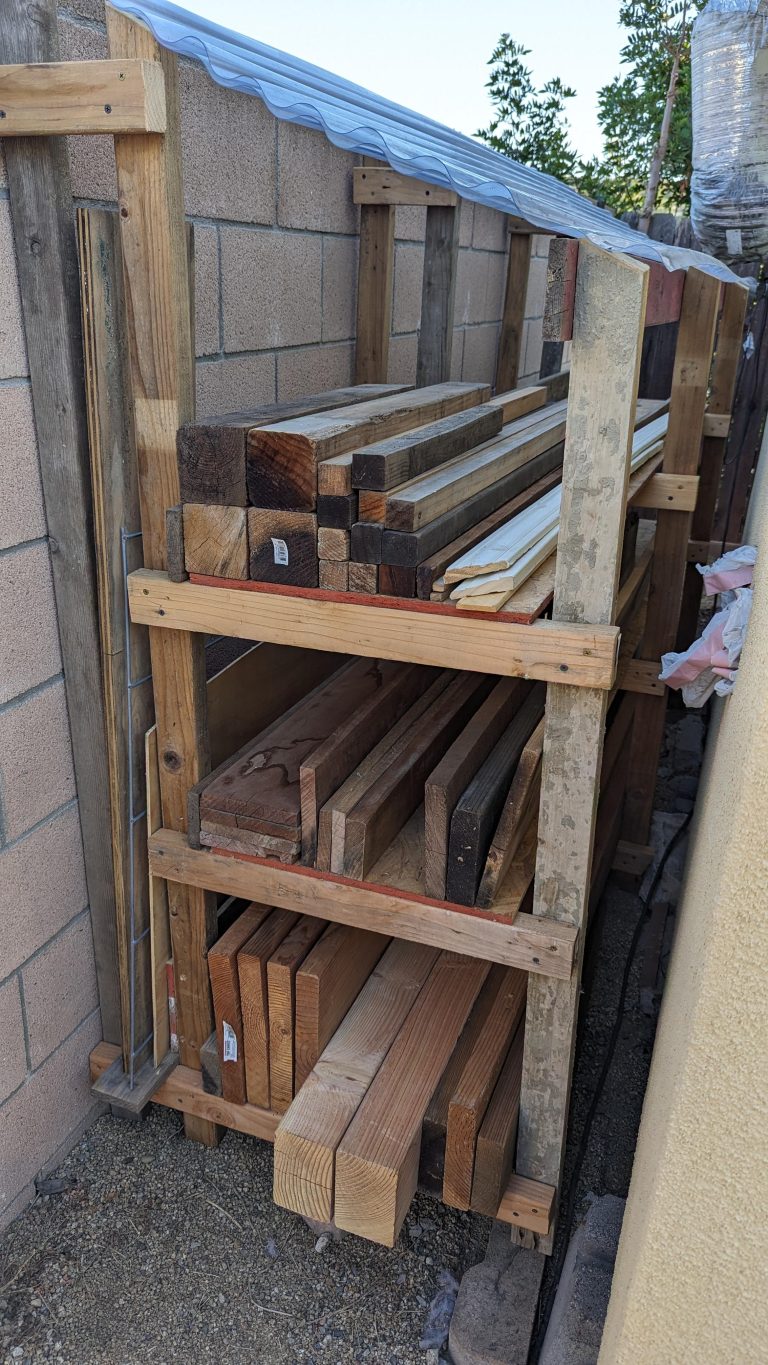
Some species genuinely hold up to sun and weather better than others because of their natural oil content and density. Teak’s high natural oil content makes it especially sun- and water-resistant even with minimal maintenance. Cedar’s natural oils also deter insects and resist rot. Redwood resists warping and holds its color well. Ipe is exceptionally dense and durable. Mahogany resists rot and pests with a refined look. All of these are real advantages, but “resistant” isn’t “immune” — even the best outdoor hardwood species will gray and dry out eventually without any protection at all.
Applying Protective Coatings
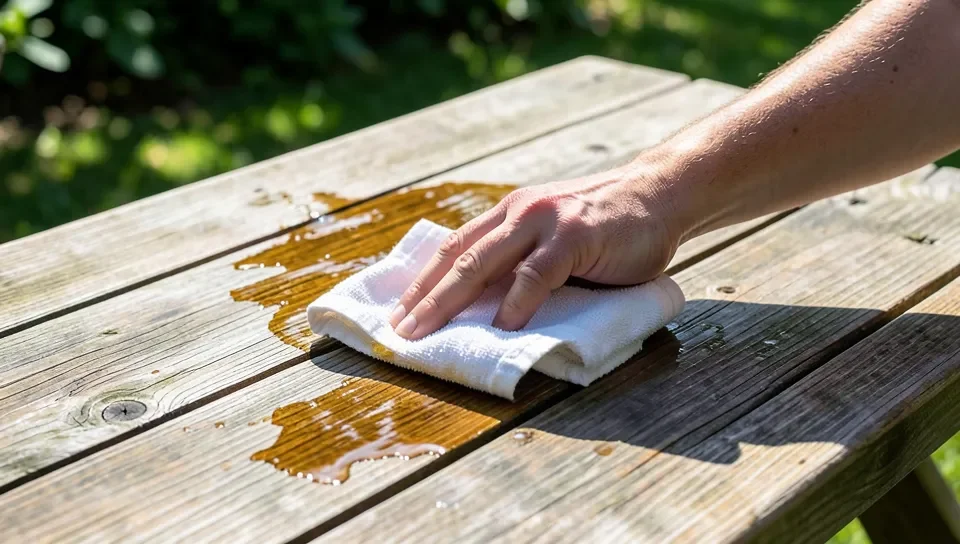
Not all clear finishes block UV equally — a plain clear sealant with no UV inhibitors added will still let wood gray and fade over time, just more slowly than bare wood. Look specifically for products labeled “UV-blocking,” “UV-resistant,” or “with UV inhibitors,” not just “outdoor” or “waterproof.” Pigmented stains and solid-color paints block UV far more effectively than any clear coating, since the pigment itself physically blocks the light — if color isn’t a concern, a pigmented exterior finish is the single most effective UV defense available. For a clear or natural look, a UV-rated teak oil or marine varnish reapplied on schedule is the realistic option, understanding it won’t match paint’s UV-blocking power.
Regular Maintenance Practices
Clean with mild soap and warm water and a soft brush, then rinse and let the piece dry in the shade to avoid water spots. Reapply oil or sealant on the schedule the product specifies — most UV-rated oils need reapplication once or twice a year, more often in intense sun. Inspect furniture each season for cracks, splits, or loose joints, and repair small issues before they become bigger ones; a compromised finish stops protecting the wood underneath immediately, not gradually.
Using Shade Solutions
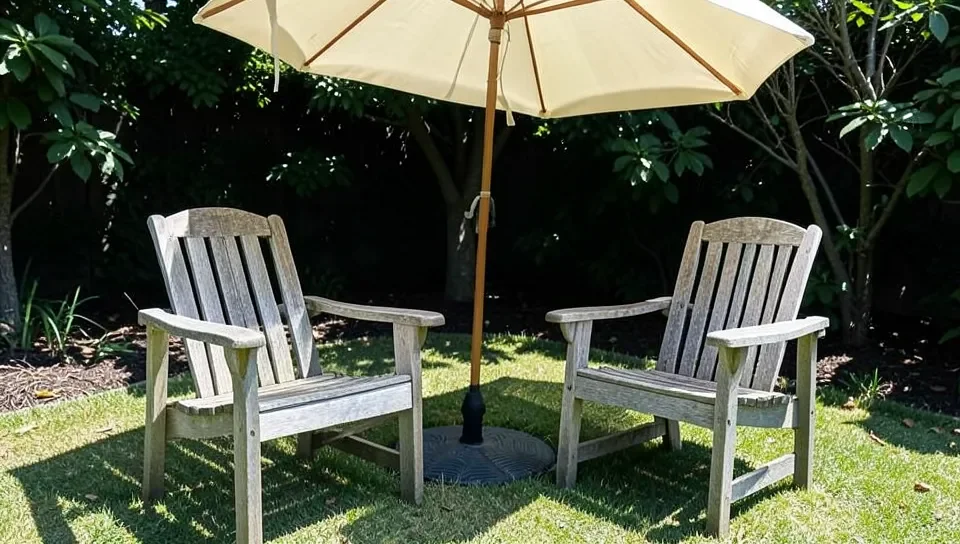
Umbrellas are flexible and easy to reposition through the day; canopies or pergolas give steadier, larger-area coverage without needing to be moved. Natural shade from trees or the shadow side of a building works just as well and costs nothing — if you can position furniture to catch afternoon shade specifically (when UV intensity peaks), that alone meaningfully extends a finish’s life between reapplications.
Custom Covers And Fabrics
A well-fitted, waterproof cover keeps rain and UV off furniture when it’s not in use, but a loose one can flap, chafe the finish, and blow away in wind — get one sized correctly and use straps or ties to secure it. Choose breathable outdoor fabric rather than a fully sealed plastic tarp; trapped moisture under a non-breathable cover promotes mold, which is its own separate problem for wood. Light-colored covers and cushion fabrics also run cooler in direct sun than dark ones.
What Doesn’t Actually Work
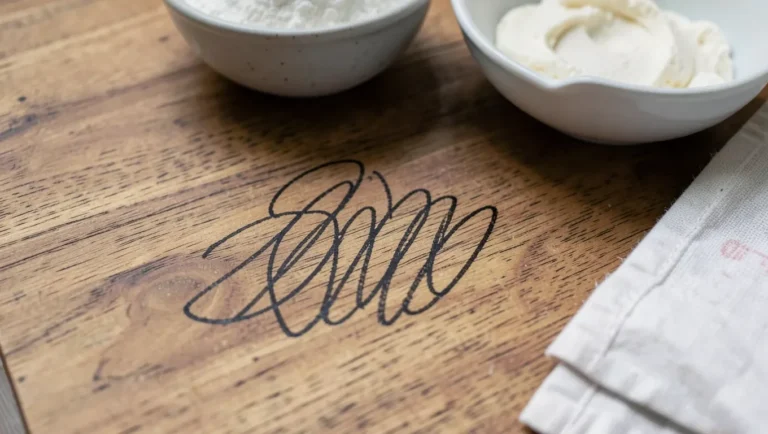
A few “natural” DIY remedies circulate online for sun-protecting wood furniture, and it’s worth being direct about why they don’t hold up: an olive oil and vinegar rub isn’t a UV-blocking treatment — olive oil isn’t a drying oil suited to wood finishing, it doesn’t cure into a protective film, and it can turn rancid or attract mold on furniture left outdoors. A milk-and-water spray has no real basis as sun protection at all; it has no UV-blocking properties and, again, can spoil and attract pests or mold outdoors. Neither method has any established mechanism for blocking UV, and both introduce real risks (odor, spoilage, staining) with no actual protective benefit. If you want a natural-oil approach, use an actual wood-finishing oil formulated for outdoor use (like teak oil) — not a pantry ingredient.
Consulting Professionals
For valuable or antique outdoor pieces, a professional refinisher can identify the right product and schedule for that specific wood species and its current condition — worth the cost when the alternative is guessing on an expensive piece. They can also spot early damage you might miss and recommend a maintenance plan tailored to your climate and sun exposure, rather than a generic once-a-year rule that may not fit your situation.
Frequently Asked Questions
How Can I Prevent Sun Damage On Wood Furniture?
Use a UV-rated sealant, oil, or pigmented finish made for outdoor use, reapplied on the schedule the product specifies. Combine that with shade (umbrellas, covers, or natural shade) and regular cleaning to extend how long the finish lasts between treatments.
What Are The Best Sealants For Outdoor Wood?
Look for marine-grade varnishes, UV-rated teak oil, or exterior polyurethane specifically labeled with UV protection — not just “waterproof.” Pigmented exterior paint or solid stain blocks UV more effectively than any clear coating, since the pigment itself blocks light.
Does Paint Protect Wood From Sun Damage?
Yes, and more effectively than most clear finishes — exterior-grade pigmented paint physically blocks UV light from reaching the wood. Use an exterior-rated product, check periodically for peeling, and reapply or touch up as needed to keep the barrier intact.
Do Homemade Oil Or Milk Sprays Protect Wood From The Sun?
No. Neither olive oil nor a milk-and-water spray has any real UV-blocking mechanism, and both can spoil, smell, or attract mold on furniture left outdoors. Use an actual outdoor wood oil or sealant formulated and rated for UV protection instead.
Conclusion
Real UV protection for outdoor wood comes down to the right product (a genuinely UV-rated oil, sealant, or pigmented finish), applied and reapplied on schedule, combined with shade and a well-fitted cover when the piece isn’t in use. Skip the kitchen-ingredient folk remedies — they don’t block UV and can actually cause their own problems. Get the fundamentals right and even a modest maintenance routine will keep outdoor furniture looking good for years.
Sponsored / affiliate links. As an Amazon Associate I earn from qualifying purchases. I may earn additional commission from eligible campaigns.