How Many Coats of Spar Urethane You Actually Need (It Depends on Exposure)
Most guides give you a flat number — “apply 3 coats” — regardless of what you’re actually finishing. That’s a reasonable starting point, but the right number of coats depends on how much sun and standing water the surface will see, and piling on coats past a certain point actually makes the finish more likely to crack, not more protective.
Here’s how to actually decide the coat count for your project, instead of guessing at a fixed number.
The Baseline: 3 Coats Minimum for Outdoor UV Protection
Best Spar Urethane for Most Outdoor Projects
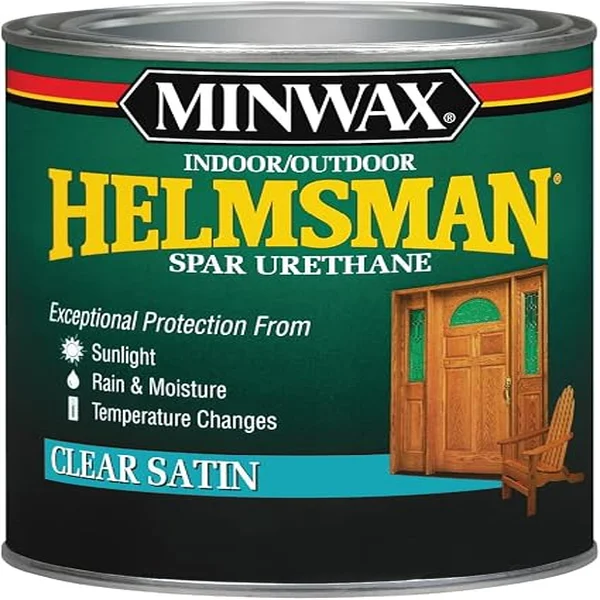 |
Minwax Helmsman Spar Urethane (Satin, Quart) – $23.49 A flexible, UV-blocking finish built to take multiple thin coats without becoming brittle, which is exactly what a proper multi-coat schedule needs.
|
Spar urethane’s UV blockers work by building up enough film thickness to actually absorb and reflect ultraviolet light before it reaches the wood. A single coat is too thin to do this reliably — the wood underneath will still gray and fade within a season even though it looks “finished” right after application. Three coats is the generally accepted minimum for any wood that sees regular outdoor UV exposure, and it’s the number most manufacturers list on the can for exterior use.
When You Need More Than 3
- Horizontal surfaces in full sun (tabletops, deck rails you can set a drink on, boat decks): these take direct overhead UV all day and can pool standing water after rain. 4-6 coats is standard here, and traditional marine brightwork (varnished boat trim) often gets 6-8+ thin coats precisely because the exposure is unusually harsh.
- Any surface exposed to standing water, not just full sun: water sitting on the surface (rather than running off) has more time to find any weak spot in the film, so more coats reduce that risk.
- Light or unstained wood you want to keep from ambering/graying: since UV protection scales with film thickness, a couple of extra coats measurably slows color change on wood where you’re trying to preserve a specific look.
When 2-3 Coats Is Actually Enough
- Vertical surfaces in partial shade (porch railings, trim, siding accents): rain runs off instead of sitting, and vertical surfaces catch less direct overhead UV than horizontal ones. 2-3 coats holds up reasonably well here.
- Indoor furniture or trim where spar urethane is being used just for its flexibility and durability, not its UV resistance: UV exposure indoors is much lower (especially away from direct window sun), so the extra coats aimed at outdoor UV protection aren’t doing much work.
Why More Coats Isn’t Always Better
Spar urethane is formulated to flex with the wood as it expands and contracts with temperature and humidity — that flexibility is the whole point of a “spar” (marine-grade) formula versus a rigid interior varnish. But that flexibility has a limit tied to film thickness. Piling on coat after coat past what the exposure actually calls for builds a thicker, less flexible film overall, which becomes more prone to cracking under the same wood movement it’s supposed to handle. There’s a real point of diminishing returns, generally somewhere past 6-8 thin coats for even harsh marine exposure, where additional coats add more risk of future cracking than additional protection.
Application Notes That Affect the Real Coat Count
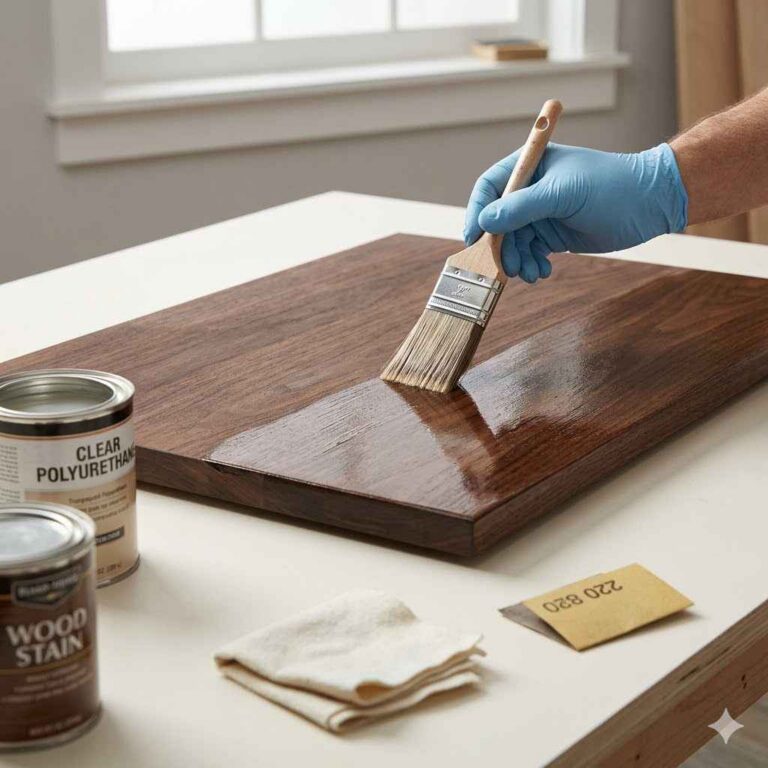
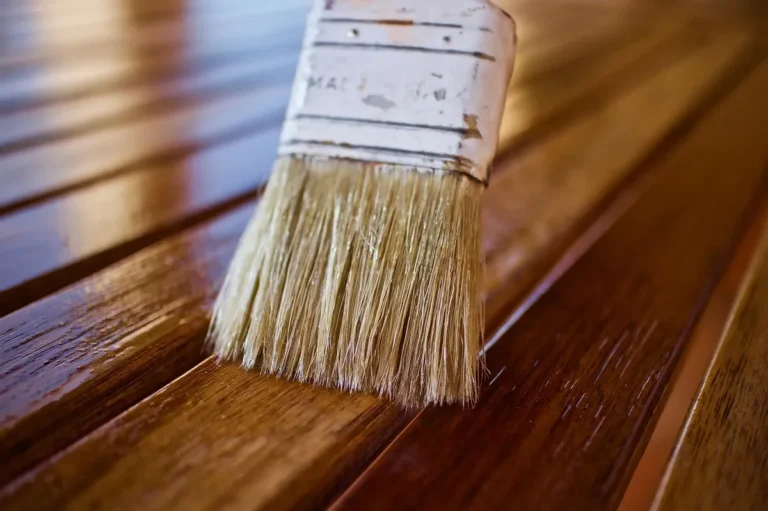
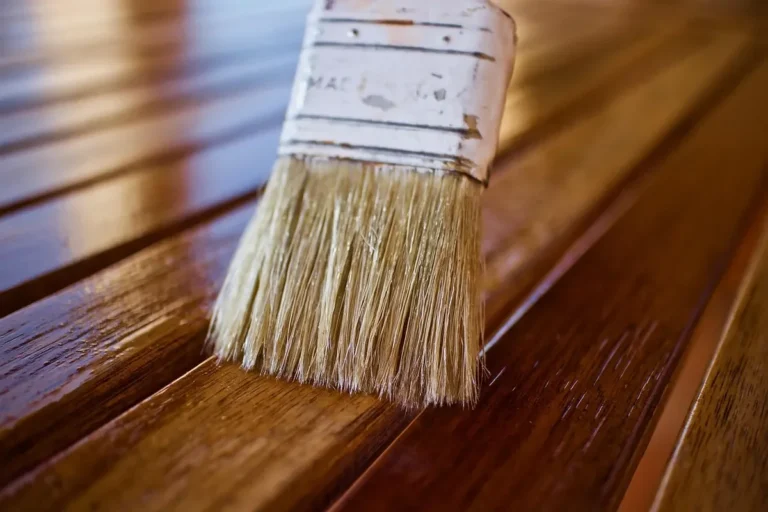
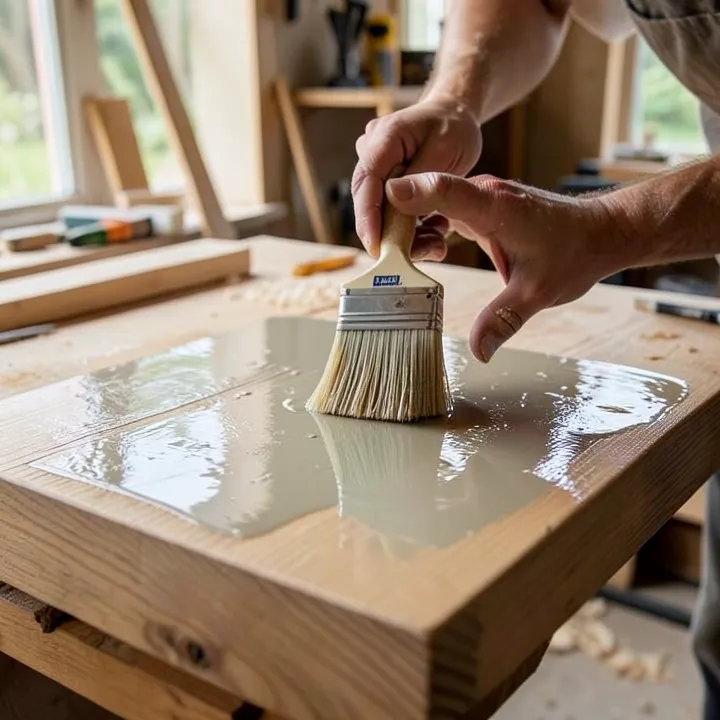
- Thin coats, not thick ones. Two thin coats build a stronger, clearer film than one thick coat, which is prone to sagging, trapping bubbles, and drying unevenly. When guides say “3 coats,” they mean 3 thin coats, not 3 heavy ones.
- Sand lightly between coats with 220-320 grit once each coat is dry to the touch. This isn’t optional for a film-forming finish — it gives the next coat something to mechanically grip, not just chemically bond to.
- Respect the recoat window on the label. Oil-based spar urethane often needs 4-6+ hours minimum between coats; water-based versions are typically faster. Recoating too soon can lift the previous coat; waiting too long past the label’s window sometimes requires a light scuff-sand even between coats of the same product.
Frequently Asked Questions
Is 2 coats of spar urethane enough for outdoor furniture?
For most outdoor furniture exposed to regular sun and rain, 2 coats is usually too thin for lasting UV protection — 3 coats is the generally accepted minimum. 2 coats can be acceptable for a shaded vertical surface with light exposure, but a horizontal surface like a tabletop should get more, not fewer.
Can you put too many coats of spar urethane on wood?
Yes. Past roughly 6-8 thin coats even for harsh marine exposure, the added film thickness starts working against the finish’s flexibility, making it more prone to cracking under normal wood movement rather than more protective. Match the coat count to actual exposure instead of assuming more is always safer.
How long should I wait between coats of spar urethane?
Check the specific product label, since oil-based and water-based formulas differ, but oil-based spar urethane commonly needs 4-6 or more hours between coats, while water-based versions often dry faster. Lightly sand with 220-320 grit once a coat is dry to the touch before applying the next one.
Sponsored / affiliate links. As an Amazon Associate I earn from qualifying purchases. I may earn additional commission from eligible campaigns.