Best Way to Remove Flaking Paint from Wood: Easy & Effective Tips
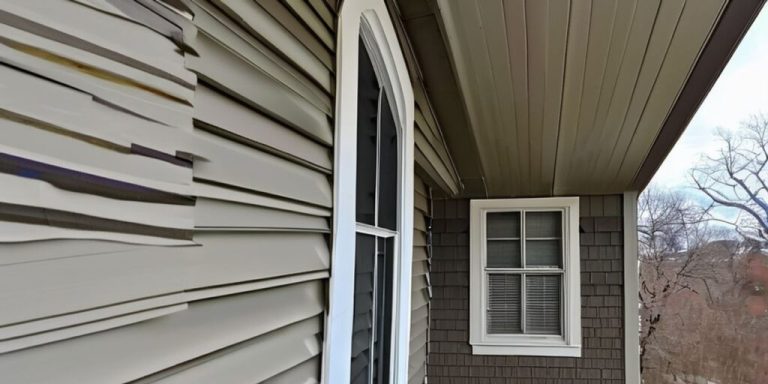
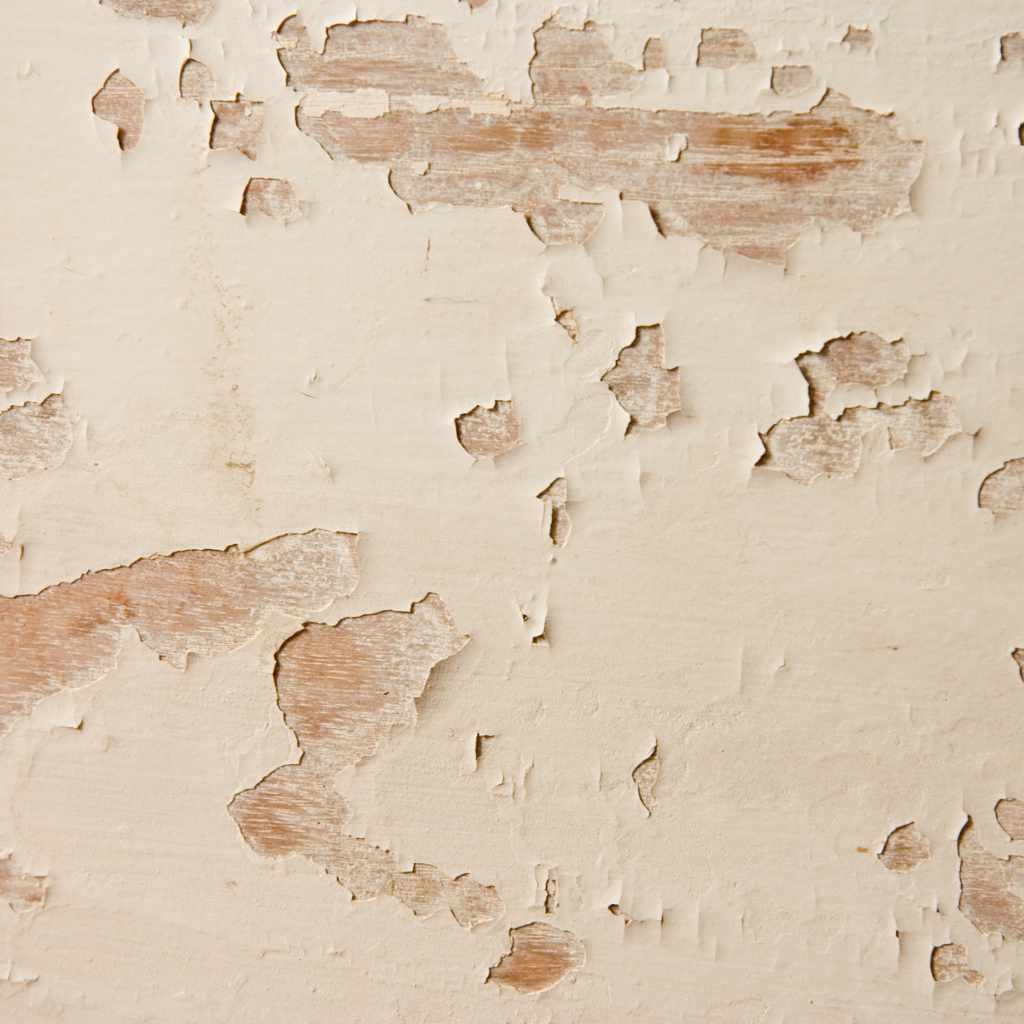
Are you tired of looking at that old, flaky paint ruining the beauty of your wooden surfaces? Removing flaking paint can feel like a tough, messy job, but it doesn’t have to be.
Imagine restoring your wood to its natural charm with a smooth, clean finish—without wasting time or effort on the wrong methods. You’ll discover the best way to remove flaking paint from wood quickly and easily. Keep reading, and you’ll learn simple steps that save you frustration and give your wood a fresh start.
Causes Of Flaking Paint
Flaking paint on wood is a common problem. It can ruin the look of your wood surfaces. Knowing why paint flakes helps you fix it better. Several causes make paint lose its grip on wood. Understanding these causes helps prevent future peeling and damage.
Moisture Issues
Moisture is a top cause of paint flaking. Water seeps into the wood from rain or humidity. Wet wood expands and pushes the paint away. Damp conditions make paint lose adhesion fast. Fixing leaks and drying wood stops this problem.
Poor Surface Preparation
Paint sticks best to clean, dry wood. Dirt, oil, or old paint cause poor grip. Skipping sanding or cleaning leads to flaking paint. Proper surface prep helps paint hold tightly. This step is crucial before painting any wood.
Old Or Low-quality Paint
Old paint loses flexibility and cracks easily. Cheap paint lacks strong binding agents. Both types peel off with little stress. Using fresh, high-quality paint improves durability. It keeps wood protected longer and looks better.
Environmental Factors
Sun, wind, and temperature changes harm paint. UV rays break down paint chemicals over time. Cold and heat cause wood and paint to expand and shrink. This movement makes paint crack and flake off. Choosing paint suited for weather helps resist damage.
Tools For Paint Removal
Removing flaking paint from wood requires the right tools. Using proper tools makes the job easier and faster. The choice of tools depends on the size and condition of the wood surface. Some tools work well for small areas, others for large surfaces.
Scrapers And Putty Knives
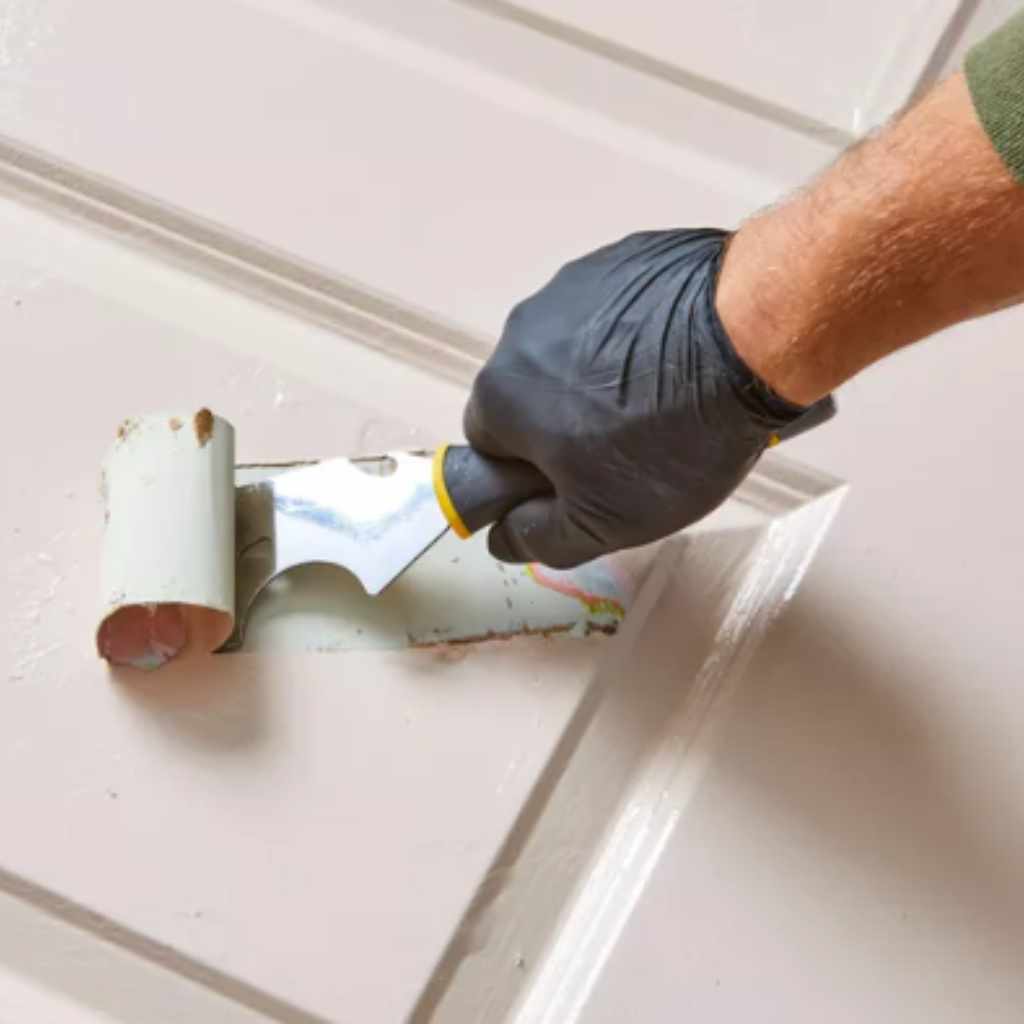
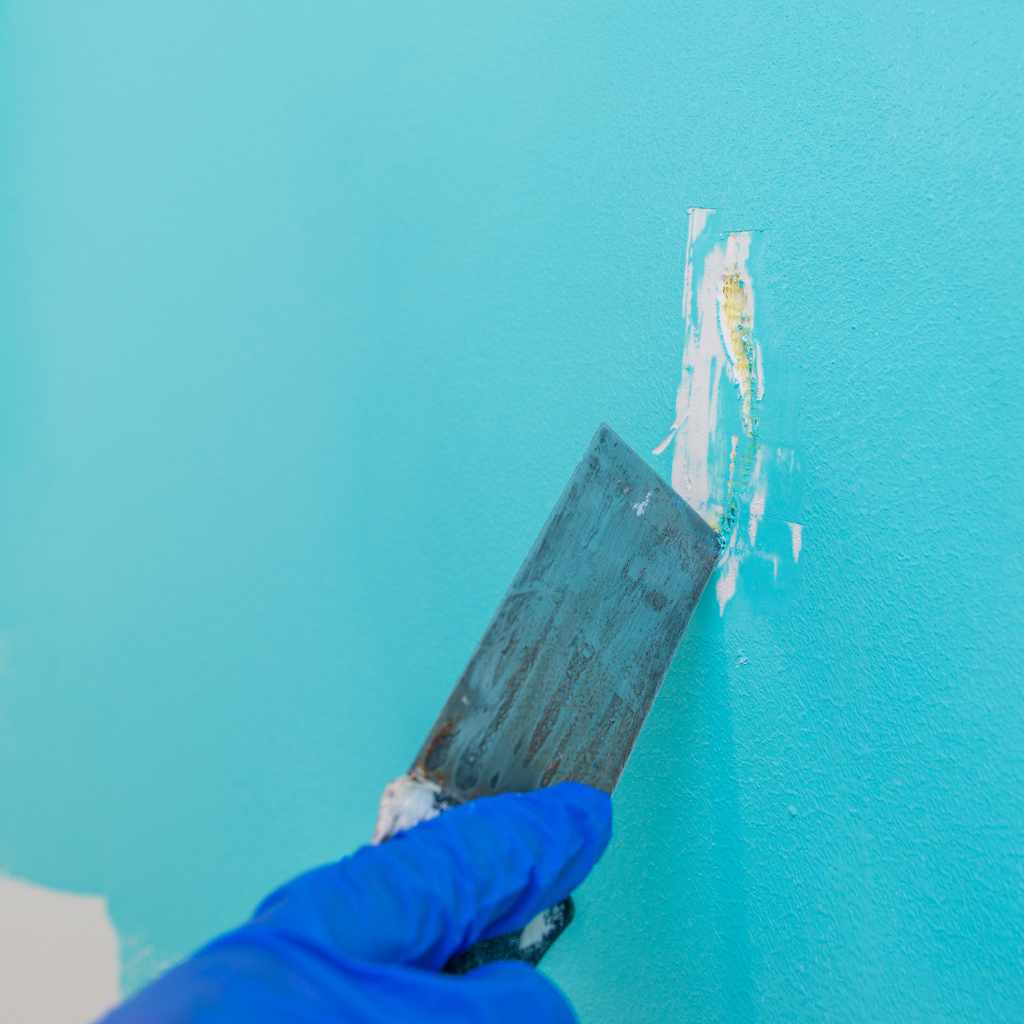
Scrapers and putty knives are basic tools for paint removal. They help lift loose and flaking paint gently. Use a sharp scraper to avoid damaging the wood. Putty knives come in different sizes for tight corners and flat areas. These tools are affordable and easy to use.
Sanding Tools
Sanding tools smooth the wood after scraping. Sandpaper or sanding blocks remove leftover paint and rough spots. Power sanders speed up the process on large surfaces. Start with coarse grit sandpaper, then use finer grit for a smooth finish. Sanding prepares the wood for new paint.
Heat Guns
Heat guns soften old paint for easy removal. The heat makes paint bubble and peel off quickly. Hold the gun a few inches from the wood surface. Use a scraper after heating to remove softened paint. Heat guns work well on thick or multiple paint layers.
Chemical Paint Strippers
Chemical paint strippers dissolve paint for easy scraping. Apply the stripper with a brush and wait for it to work. Scrape off the paint once it loosens. Use chemical strippers in well-ventilated areas and wear gloves. They work best on stubborn or multiple paint layers.
Step-by-step Removal Process
Removing flaking paint from wood requires a clear, easy process. Follow these steps to get a smooth, clean surface ready for new paint. Each step helps protect the wood and ensures lasting results.
Safety Precautions
Wear gloves to protect your hands. Use a dust mask to avoid breathing paint dust. Work in a well-ventilated area. Cover the floor with a drop cloth. Keep children and pets away from the work area.
Initial Scraping
Use a paint scraper or putty knife to remove loose paint. Hold the scraper at a 45-degree angle. Gently push the paint off without damaging the wood. Remove all peeling and flaking areas. Be patient and thorough.
Sanding For Smoothness
Use medium-grit sandpaper to smooth rough spots. Sand the entire surface lightly. Focus on edges where paint was removed. Switch to fine-grit sandpaper for a smooth finish. Wipe away dust with a dry cloth.
Cleaning The Surface
Use a damp cloth to clean the wood. Remove all dust and dirt. Let the wood dry completely before painting. Clean surfaces help paint stick better. Check for any remaining paint flakes and remove them.
Tips For Effective Paint Removal
Removing flaking paint from wood requires careful steps to avoid damage. Following simple tips can make the process smoother and more effective. Taking your time and working smart helps get better results.
Working In Small Sections
Divide the wood surface into small areas. Focus on one section at a time. This approach prevents the paint remover from drying out. It also makes cleanup easier. Small sections help maintain control and reduce mistakes.
Choosing The Right Tools
Select tools that match the task and wood type. Use a scraper with a plastic blade to avoid scratching. Sandpaper with medium grit works well for rough spots. Soft brushes help clean off loose paint. Picking proper tools saves effort and time.
Handling Difficult Areas
Use a detail brush for corners and grooves. A heat gun can soften stubborn paint layers. Be gentle near edges to protect the wood. Repeat light scraping instead of heavy force. Patience helps preserve the wood’s surface.
Disposal Of Paint Waste
Collect paint chips and dust carefully. Place waste in sealed bags to prevent spreading. Avoid washing paint residues into drains. Check local rules for disposing of paint waste. Proper disposal keeps the environment safe and clean.
Preventing Future Paint Flaking
Preventing future paint flaking is key to keeping wood surfaces beautiful and long-lasting. Flaking paint not only looks bad but can damage the wood underneath. Taking steps to stop flaking helps save time and money on repairs. Focus on preparing the surface well, choosing the right materials, keeping the wood in good shape, and controlling moisture around the wood.
Proper Surface Preparation
Start by removing all old, loose paint. Sand the wood smooth to create a good base. Clean the surface to remove dust and dirt. Dry the wood completely before painting. Proper preparation helps paint stick better and last longer.
Using Quality Primer And Paint
Choose a primer made for wood surfaces. It seals the wood and improves paint adhesion. Use high-quality paint designed for outdoor or indoor wood. Good paint resists peeling and fading. Apply the primer and paint evenly for best results.
Maintaining Wood Surfaces
Regularly check wood for cracks and damage. Fix problems early to stop paint from peeling. Clean the wood with mild soap and water. Avoid harsh chemicals that can harm the paint or wood. Keep wood dry and protected from sun and rain.
Controlling Moisture
Moisture is the main cause of paint flaking. Keep wood dry by fixing leaks and drainage issues. Use sealants on exposed wood edges. Ensure good ventilation in enclosed spaces. Prevent water from sitting on wood surfaces to protect paint.
Frequently Asked Questions
How Do I Safely Remove Flaking Paint From Wood?
Use a scraper or wire brush gently to remove loose paint. Sand the wood surface smoothly. Wear protective gear to avoid inhaling dust or fumes.
What Tools Work Best For Removing Flaking Paint On Wood?
A paint scraper, wire brush, and fine-grit sandpaper are ideal. These tools help remove paint without damaging the wood surface.
Can I Use Chemical Paint Removers On Wooden Surfaces?
Yes, but choose wood-safe chemical strippers. Follow instructions carefully and work in a well-ventilated area to avoid damage and health risks.
How Do I Prepare Wood After Removing Flaking Paint?
Clean the surface thoroughly and sand it smooth. Remove dust with a tack cloth before applying primer or new paint.
Conclusion
Removing flaking paint from wood takes patience and the right tools. Start by scraping gently to avoid damaging the wood. Sand the surface smooth to prepare for new paint. Clean the area well to remove dust and debris. Applying a primer helps the paint stick better and last longer.
Taking these steps protects your wood and improves appearance. A careful approach saves time and effort in the long run. Keep your wood surfaces looking fresh and well-maintained with simple care.