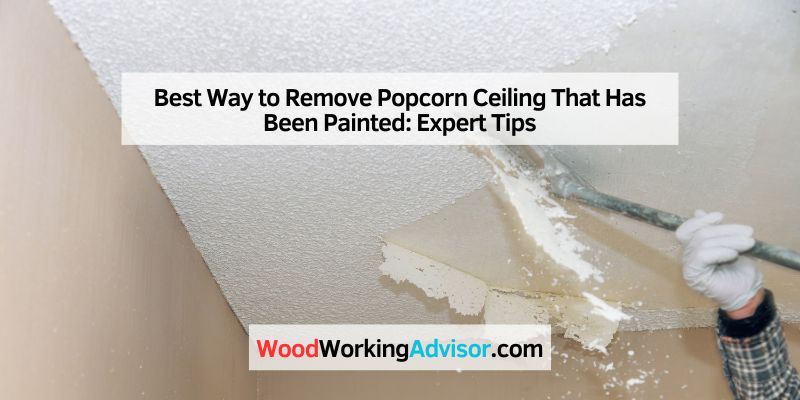
Best Way to Remove Popcorn Ceiling That Has Been Painted: Expert Tips
If you’ve ever glanced up at your ceiling and groaned at the sight of a painted popcorn texture, you’re not alone. Removing a painted popcorn ceiling might seem daunting, but it doesn’t have to be.
Imagine transforming your room into a sleek, modern space without the frustration of outdated textures. Picture the satisfaction of a fresh, smooth ceiling that complements your decor perfectly. You’ll discover the best methods to tackle this renovation challenge head-on. Whether it’s to refresh your home’s aesthetics or boost its market value, knowing the right steps can make all the difference.
Dive in, and let’s uncover how you can achieve a flawless finish with ease and confidence.
Preparation Steps
Gathering tools is a must. You will need a scraper. A spray bottle is also useful. Get a ladder for reaching high places. Plastic sheets help catch the mess. Safety goggles protect your eyes. A dust mask keeps your lungs safe. Buckets are good for water. Drop cloths cover floors. Painter’s tape secures plastic sheets. Gloves protect your hands. Have all tools ready before starting.
Furniture must be moved or covered. Use plastic sheets to cover the floors. This keeps them safe from paint and dust. Secure the sheets with painter’s tape. Make sure corners are taped well. Cover all windows too. Drop cloths can help cover large areas. Keep the room tidy. This helps in cleaning up later.

Credit: www.youtube.com
Assessing Painted Popcorn Ceilings
The first step is to check the paint. Use a sharp blade to cut a small square. Try not to damage the ceiling. Look at the cut piece carefully. Is the paint thick or thin? Thick paint might be harder to remove. Thin paint may peel off easily.
Recognize the type of ceiling. Is it a popcorn ceiling? Popcorn ceilings are bumpy and rough. They look like popcorn kernels. Some ceilings are smooth. Smooth ceilings need different tools. Check carefully to know your ceiling type.
Using Chemical Strippers
Picking a good chemical stripper is important. Some work better on paint. Others are safer for the environment. Always check the label. Make sure it is safe for indoor use. Look for non-toxic options. This keeps the air clean.
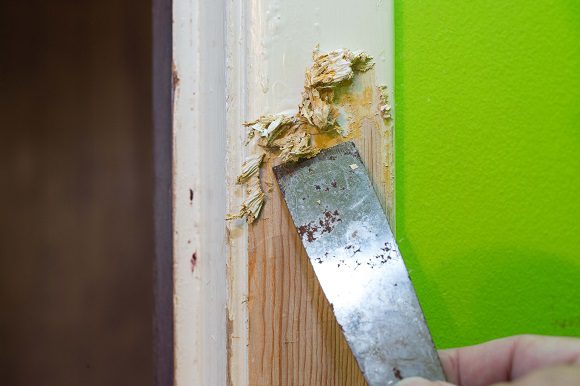
Wear gloves and goggles for safety. Apply the stripper on the ceiling. Use a paintbrush or roller. Wait for the paint to bubble. This means it’s working. Use a scraper to remove the popcorn texture. Be gentle to avoid damage. Work in small sections. This makes the job easier.
Mechanical Removal Methods
Scrapers help remove popcorn ceilings quickly. Use a wide-blade scraperfor better coverage. Hold the scraper at a low angle. This prevents damage to the ceiling. Sanders can also help. They smooth out rough spots. A pole sander makes it easier. Sanding dust can be messy. It spreads all around.
Dust makes breathing hard. Using a vacuum system can help. It catches dust while you work. Attach the vacuum to a sander. This keeps the air clean. Vacuum systems make cleanup easy too. They save time. No need to sweep up dust. Your room stays tidy. Breathing stays easy.
Safety Precautions
Prioritize safety by wearing goggles and masks when scraping painted popcorn ceilings. Ensure the room is well-ventilated and use plastic sheets to cover floors and furniture. Test for asbestos before starting the removal process to avoid health risks.
Protective Gear
Removing painted popcorn ceiling is messy. Always use protective gear. Wear a maskto keep dust out. Use gogglesto protect your eyes. Cover your hair with a cap. Wear old clothes that cover your skin. Gloves keep your hands safe. Protect yourself from dust and debris.
Ventilation Considerations
Good air flow is important. Open windows for fresh air. Use fans to blow air around. This helps dust move out. Avoid working in closed rooms. Dust can make breathing hard. Keeping the area well-ventilated is crucial. It ensures safety and comfort.

Credit: www.youtube.com
Post-removal Cleanup
Disposing of Wasteis very important after removing a popcorn ceiling. Gather all debris in strong bags. Make sure bags are sealed tightly. Check local rules for waste disposal. Some areas have special rules for construction waste. Don’t forget to recycle where possible. This reduces waste and helps the planet.
After cleanup, inspect the ceiling for Checking for Residue. Look closely at the ceiling surface. Some residue may remain after removing the popcorn texture. Use a damp cloth to wipe the area. A vacuum cleaner might help remove dust. Ensure the ceiling is smooth and residue-free before painting. This makes sure the new paint sticks well.
Repairing And Refinishing Ceilings
Removing painted popcorn ceilings can be tricky. Use a mixture of water and mild detergent to soften the paint. Gently scrape with a putty knife for a smooth finish.
Patch And Smooth Surface
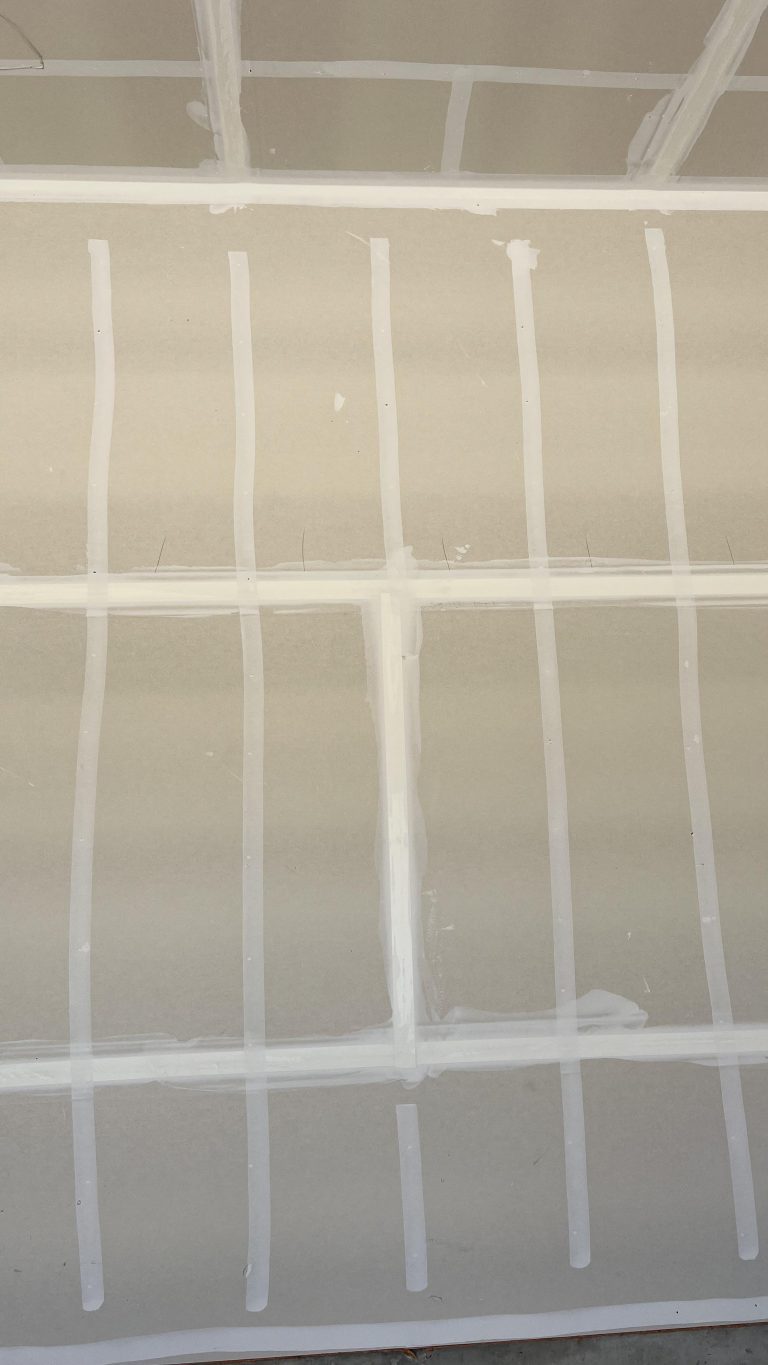
Old popcorn ceilings can look rough. Patching is the first step. Use a joint compound. Fill any holes or cracks. Smooth the surface with a putty knife. Let it dry. Sand the patched areas carefully. This makes the ceiling even. Check for any rough spots. Smooth them out. The ceiling should look flat and clean.
Painting Or Texturing Options
After smoothing, think about the finish. Painting is a simple choice. Use a ceiling paint for the best look. Pick a color that matches the room. Texturing adds style. Use a texture sprayer for patterns. Each option gives a different feel. Choose what fits your style. Ensure the area is well-ventilated. Drying takes time, so be patient.
Consulting Professionals
Sometimes, removing a painted popcorn ceiling can be tough. Experts know the right way to do it. They have special tools and skills. If the ceiling is high, it can be dangerous. Professionals use ladders safely. They also know if the ceiling has asbestos. Asbestos is harmful. Experts can remove it without risk. It’s best to call them for help.
Hiring experts can cost money. Prices vary based on ceiling size and paint thickness. Some charge by hour, others by project. Large rooms may cost more. Special care for asbestos removal can add to the price. But it’s safer and less stressful. It’s wise to compare quotes. Choose an expert you trust. This can save money in the long run.
Frequently Asked Questions
How Do You Remove Painted Popcorn Ceiling?
Removing painted popcorn ceiling involves scraping, soaking, and sanding. First, wet the ceiling with a water spray. This helps soften the paint. Use a scraper to gently remove the texture. If needed, sand the surface for smoothness. Always wear protective gear to avoid inhaling dust.
Can You Remove Popcorn Ceiling Without Scraping?
It’s challenging to remove popcorn ceiling without scraping. Alternative methods like covering with drywall or ceiling tiles exist. These methods avoid direct scraping, but they might not be cost-effective. Scraping remains the most common and efficient method for removal. Always consider professional help for large areas.
What Tools Are Needed For Popcorn Ceiling Removal?
Essential tools include a scraper, spray bottle, and sandpaper. A utility knife and drop cloths are also useful. Protective gear like goggles and masks are crucial. These tools help in safely and effectively removing the painted popcorn ceiling. Ensure the area is well-ventilated during the process.
Is It Safe To Remove Popcorn Ceiling Myself?
Yes, but take precautions to ensure safety. Always wear protective goggles and masks. Popcorn ceilings might contain asbestos, especially in older homes. Test for asbestos before starting. If present, hire professionals for safe removal. Ensure proper ventilation and follow safety guidelines throughout the process.
Conclusion
Removing painted popcorn ceilings can feel challenging. But it’s doable with care. Start by gathering the right tools. A scraper and spray bottle work best. Wet the ceiling to soften the texture. Scrape gently to avoid damage. Patience is key.
Work in small sections for best results. Safety is important. Wear goggles and a mask. Protect your floors and furniture. After removal, enjoy a smoother, modern ceiling. The effort pays off with a refreshed look. Ready for a new coat of paint or finish.
Your room will feel brighter and more open. A simple change makes a big difference.