What Happens If You Leave Painter’s Tape On Too Long?
Painter’s tape left on too long bonds tighter to the surface and can pull fresh paint off with it when removed — unless it’s rated for extended wear, like FrogTape’s up-to-21-day products. Standard tape can leave sun-baked, sticky residue in as little as 3 days of direct sun, and removing it after that risks jagged, peeled edges. This guide covers the exact removal window, what damage to expect at each stage, and how to safely remove tape that’s already stuck.
Adhesive Residue
Best Long-Release Tape Pick
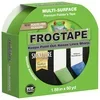 |
FrogTape Multi-Surface Painter’s Tape with PAINTBLOCK, 1.88 in x 60 Yds – $8.94 If the 24-48 hour removal window in this guide is too tight for your project, this is the tape to reach for instead — PaintBlock Technology seals the tape edge so paint can’t bleed underneath, and it releases cleanly for up to 21 days indoors instead of hardening onto the surface like standard tape.
|
As an Amazon Associate we earn from qualifying purchases.
The longer painter’s tape stays down, the more the adhesive cures and bonds into the surface underneath it, so what peels off easily on day one can leave a sticky, dirt-catching film by day five. Slow, deliberate removal limits the damage: pull the tape back on itself at roughly a 45-degree angle instead of straight up, which shears the adhesive away from the surface rather than tearing at it. Old tape that has already hardened is far more likely to snap mid-pull, leaving torn fragments behind that are harder to clean than the tape itself. If residue remains, warm soapy water lifts most of it; for stubborn spots, a diluted vinegar solution works without the harsh solvents that can dull a fresh paint finish. Wipe gently with a soft cloth — scrubbing hard risks scuffing paint that hasn’t fully cured yet.
How Long Is Too Long? A Removal Timeline
There isn’t one universal deadline — how long tape can stay down safely depends on the brand, the surface, and how much sun it gets. The table below breaks down the real risk at each stage for standard painter’s tape.
| Time Since Application | Risk Level | What Happens |
|---|---|---|
| 30–60 minutes (paint still tacky) | Ideal | Cleanest pull, sharpest lines, adhesive hasn’t started curing yet |
| 24–48 hours | Safe | Standard removal window most brands recommend once paint is dry |
| 3–14 days | Risk zone | Adhesive hardens; some extended-release tapes (rated up to 14–21 days) are still fine, standard tape usually isn’t |
| 14+ days, or any time in direct sun | High risk | Adhesive can bake onto the surface; expect torn paint, residue, or both on removal |
📊 Most standard painter’s tape is rated for a 24-48 hour removal window, but some multi-surface products are rated to release cleanly for up to 21 days indoors. — Source: FrogTape product specifications, 2026
Surface Damage
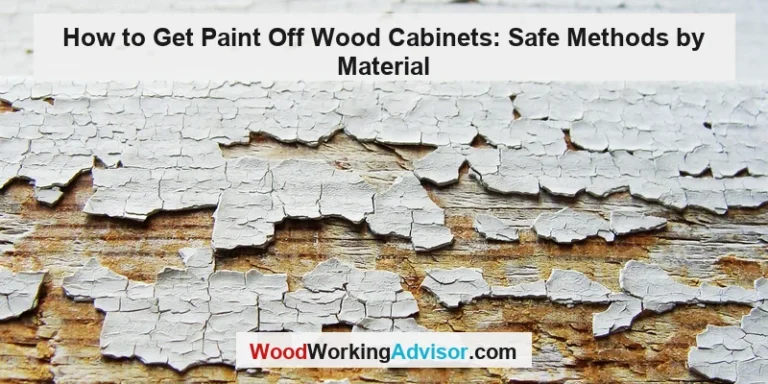
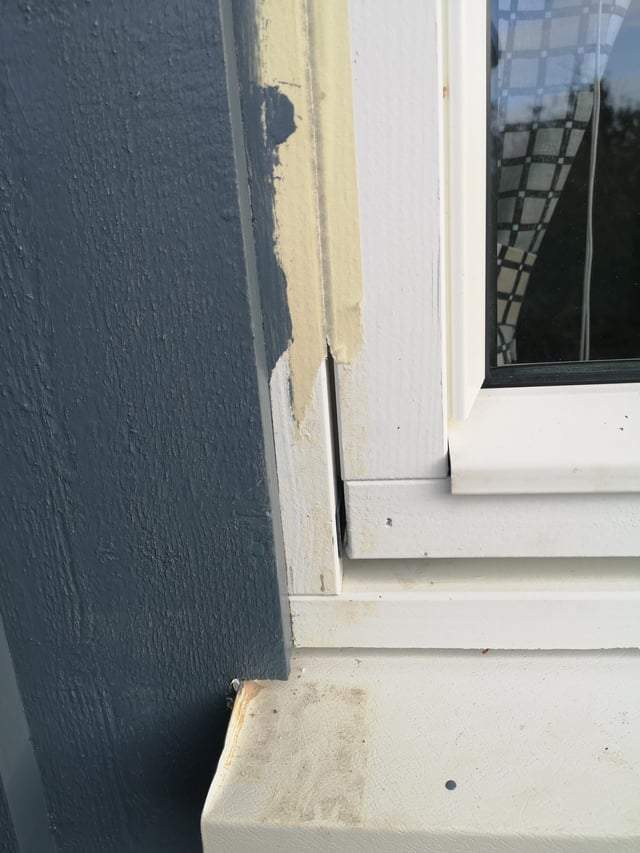
On freshly painted walls or trim, tape left too long can pull the paint film off with it — the paint hasn’t fully cured, so it bonds to the tape’s adhesive more strongly than it bonds to the surface underneath. This shows up as jagged, torn edges instead of the crisp line the tape was supposed to protect.
Wallpaper is even more vulnerable. Tape left on for several days can tear the paper itself when removed, since the adhesive has more time to work into the paper’s surface texture than it does on painted drywall.
On bare or finished wood, the risk is discoloration rather than tearing — leftover adhesive can trap dirt and UV exposure unevenly, leaving a lighter or darker patch shaped exactly like the tape once it’s finally removed. Cleaning the area soon after removal, rather than weeks later, keeps that patch from setting in.
Difficulty In Removal
Tape that’s been down too long gets harder to remove for two reasons: the adhesive hardens as its solvents evaporate, and any dirt or dust that settles on the exposed edge works its way into that adhesive, making it grip even tighter. The result is tape that tears instead of peeling in one clean strip.
How To Remove Tape That’s Already Stuck
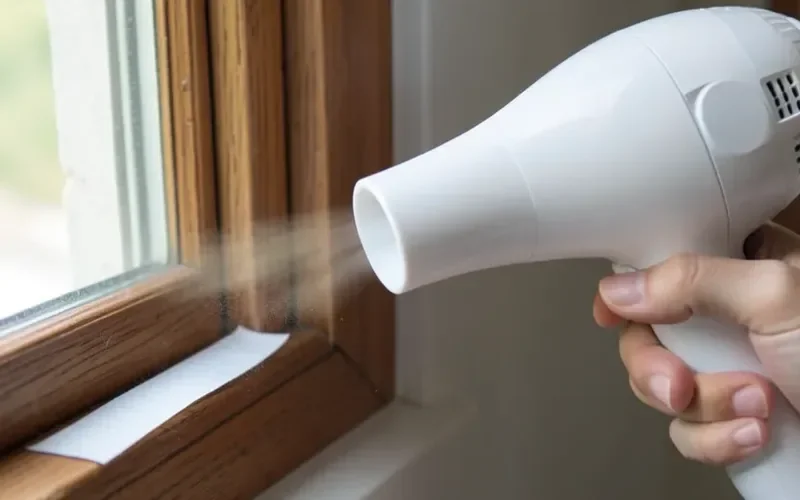
- Warm the adhesive: run a hairdryer on low heat 4–6 inches from the tape for 20–30 seconds to soften a hardened bond.
- Test a corner: lift one edge first to see how the tape is releasing before committing to a full pull.
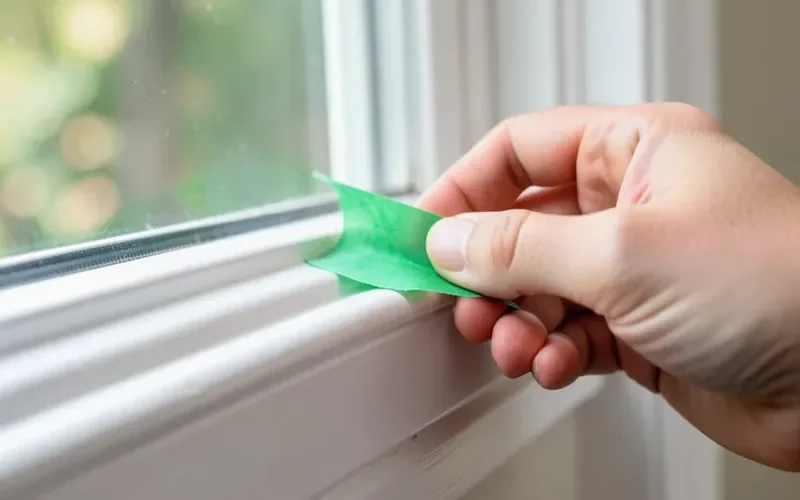
- Peel slowly at 45 degrees: pull the tape back on itself, not straight up off the surface, working in short, steady motions.
- Clean any residue: wipe leftover adhesive with warm soapy water or a diluted vinegar solution on a soft cloth.
- Spot-check the finish: inspect the edge in good light and touch up any lifted paint before it’s noticeable.
| Tool | Use |
|---|---|
| Hairdryer | Softens hardened adhesive before peeling |
| Warm water | Loosens residue for wiping |
| Dish soap | Breaks down sticky adhesive film |
| Plastic scraper | Lifts stubborn residue without scratching paint |
Impact On Project Finish
The most common visible problem is uneven edges. As tape ages, it loses grip along its own edge before it loses grip everywhere else, so paint can seep just underneath that loosened strip. When the tape finally comes off, the line looks feathered or fuzzy instead of sharp — and re-cutting a clean edge by hand takes far longer than removing tape on schedule would have.
Paint bleeding is the second issue. Once the tape’s seal weakens, wet paint can wick underneath it during application, leaving thin smudges just past the intended line. This usually isn’t visible until the tape comes off, which means the fix — carefully re-cutting the line with a sharp blade or a small artist’s brush — happens after the fact rather than before.
Environmental Effects
Temperature and humidity change how tape behaves the longer it sits. Both extremes make the eventual removal riskier, not safer, which is why “just leave it a bit longer” is rarely the right call once conditions swing.
Temperature Changes
Heat and direct sunlight soften the adhesive and press it deeper into the surface — this is the “baking on” effect that turns a normal pull into a scraping job. Cold weather has the opposite problem: the adhesive stiffens and the tape itself becomes brittle, so it’s more likely to snap into small pieces mid-removal instead of coming off in one strip. Sudden swings between the two, like a warm afternoon followed by a cold night, can also cause the tape to curl at the edges and lose its seal early.
Humidity Influence
High humidity weakens the adhesive’s grip over time, which can let edges lift on their own and let paint bleed underneath. Low humidity does the opposite — the bond stays tight and can be harder to release cleanly. Either way, moisture that gets underneath the tape’s edge is what causes bleeding, so a stable, moderate humidity during the whole application-to-removal window gives the most predictable result.
Preventive Measures
Most of the problems above come down to one thing: tape stayed down longer than the surface underneath could tolerate. Choosing the right product and removing it on schedule prevents nearly all of them.
Choosing The Right Tape
Standard painter’s tape is built for a short window and shouldn’t be treated as a multi-week solution. If a project genuinely needs the tape down longer — a multi-day job, or trim you can’t get back to right away — a tape rated for extended clean release is worth the extra cost over a standard roll. Run a quick spot check on delicate surfaces like fresh paint, wallpaper, or stained wood before committing to the whole job, since adhesion strength varies by tape design.
“For best results, remove painter’s tape while paint is still wet for super sharp paint lines and professional-looking results; test before use on all surfaces and when using solvent-based coatings.”
Optimal Tape Application Time
For standard tape, 24 to 48 hours after painting is the practical safe zone — long enough for the paint to set, short enough that the adhesive hasn’t hardened onto the surface. If a job runs longer than that, switch to an extended-release tape rather than letting standard tape sit past its window. When removal day comes, start at one corner, pull gently at a low angle, and warm any stubborn spots with a hairdryer rather than forcing it.
Frequently Asked Questions
Will Painter’s Tape Damage Wall Paint If Left On Too Long?
Yes. Leaving painter’s tape on too long can damage wall paint — remove it within 24–48 hours for best results. Past that window, the adhesive can harden and bond with the paint film, causing peeling or a sticky residue when you finally pull it off. Always test a small area first to confirm safe removal before working the whole edge.
Does Painter’s Tape Leave Residue After A Long Time?
Yes, especially past the 48-hour mark or after direct sun exposure. Choosing a higher-quality tape with a rated clean-release window reduces this risk. Proper surface preparation and timely removal are what actually prevent residue — no tape is fully immune if it’s left on well past its rated window.
Is Painter’s Tape Safe To Leave On Wood Or Marble Long-Term?
No. On wood, long-term tape can leave a discolored patch where trapped adhesive and uneven UV exposure change the surface tone. On marble and other natural stone, extended contact risks etching or a hazy residue mark that’s difficult to buff out. Both surfaces should be treated with the same 24–48 hour removal window as painted drywall, not longer.
How Do I Remove Painter’s Tape Left On Too Long?
Warm the adhesive with a hairdryer on low heat, then peel it off slowly at a shallow angle instead of straight up. If residue remains, wipe it with warm soapy water or a diluted vinegar solution on a soft cloth. This combination softens the bond first, so you’re peeling instead of scraping, which is what prevents paint damage underneath.
How Long Can You Leave Painter’s Tape On Wood Before Painting?
That depends on the tape and how it’s being used before the first coat goes on — see our full breakdown of pre-paint tape limits by brand for exact day counts. This guide covers what happens once painting is done and the tape needs to come off.
Conclusion
Painter’s tape has a real shelf life once it’s down: 24 to 48 hours for standard tape, up to 21 days for extended-release products, and never through direct sun exposure if you can help it. Past that window, the risk shifts from a clean pull to peeled paint, torn wallpaper, or stubborn residue. Remove tape on schedule, warm any stuck spots before forcing them, and test a small area first on delicate surfaces — that’s the difference between a crisp finish and a repaint.
Related reading: our full wood painting guide hub covers prep, priming, and finish troubleshooting beyond tape timing.
Sponsored / affiliate links. As an Amazon Associate I earn from qualifying purchases. I may earn additional commission from eligible campaigns.