Best Way to Remove Spray Paint From Metal: Genius Hacks
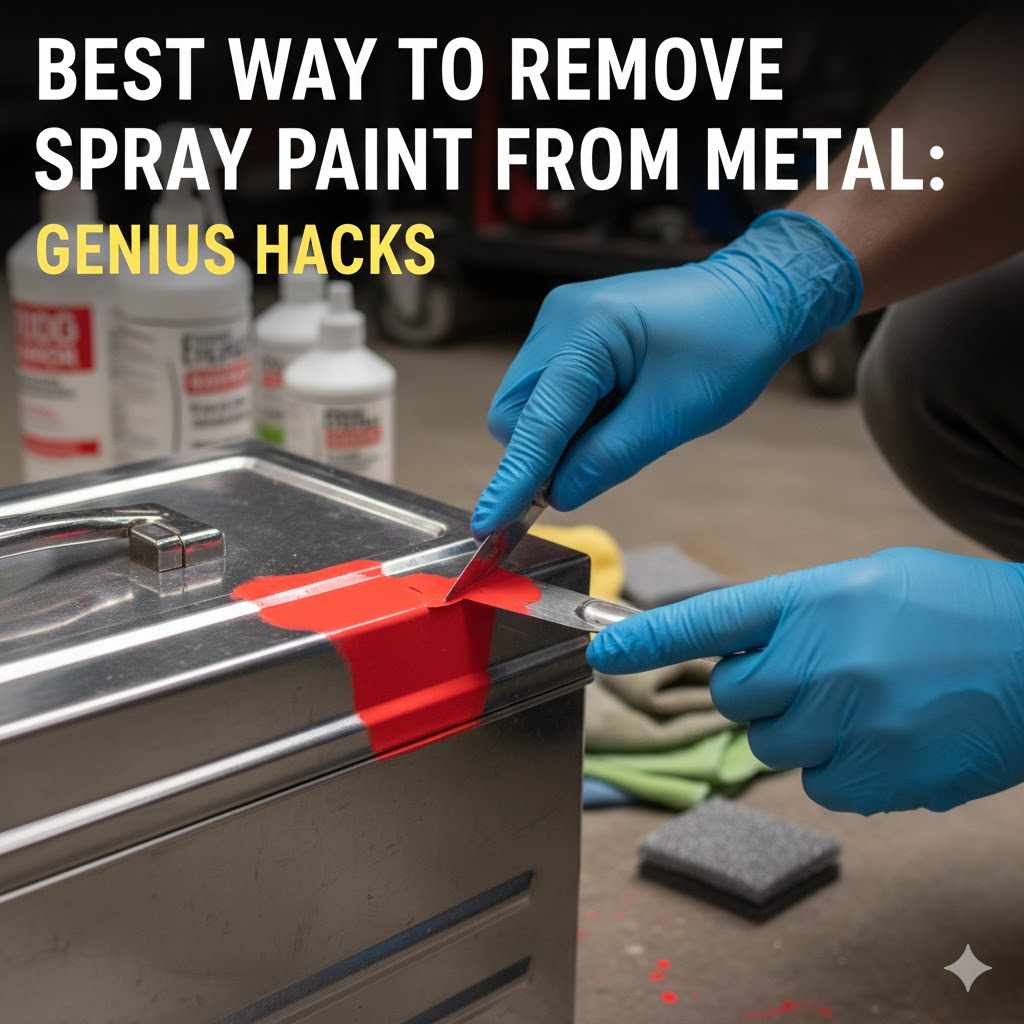
The best way to remove spray paint from metal often involves a chemical solvent. For fresh or light overspray, start with acetone or rubbing alcohol. For thick, cured paint, a commercial gel paint stripper is the most effective and efficient choice. Always prioritize safety by working in a well-ventilated area and wearing chemical-resistant gloves and safety glasses.
Hello, fellow makers! Md Meraj here, your friend in the workshop. Have you ever faced that frustrating moment? You find a perfect metal piece for a project, or maybe an accidental overspray happens, and now you’re staring at a layer of stubborn spray paint. It feels like a roadblock, but I’m here to tell you it’s just a small bump in the road. Getting spray paint off metal is easier than you think.
It’s a common problem we all face in our DIY adventures. Whether it’s an old sign, a piece of outdoor furniture, or a tool you want to restore, that unwanted paint has to go. Don’t worry, you don’t need a fancy sandblaster or harsh industrial chemicals. We can handle this with a few simple methods. In this guide, I’ll walk you through my favorite ways to remove spray paint from metal, from gentle hacks to more powerful solutions. Let’s get that metal looking clean and new again!
Safety First: Your Most Important Tool
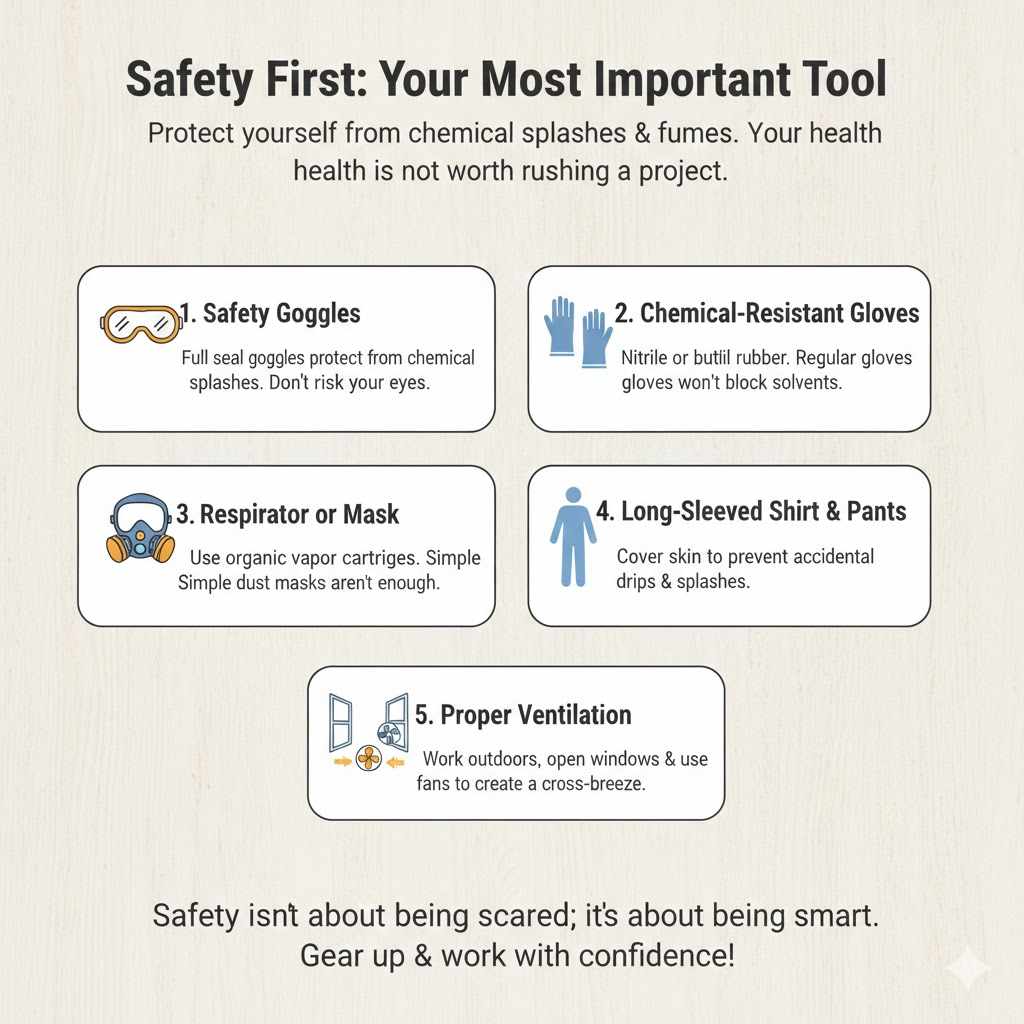
Before we touch any tools or chemicals, let’s talk about the most important thing: keeping yourself safe. Working with paint removers and solvents can be risky if you don’t take precautions. Trust me, spending a few extra minutes getting your safety gear ready will save you a lot of trouble later. Your health is not worth rushing a project.
Here’s the basic gear you’ll need to protect yourself:
- Safety Goggles: Not just glasses, but full goggles that seal around your eyes. Chemical splashes are a real danger, and your eyes are too precious to risk.
- Chemical-Resistant Gloves: Your regular workshop gloves won’t do. You need nitrile or butyl rubber gloves that won’t break down when they come in contact with solvents or strippers.
- Respirator or Mask: The fumes from these products can be harmful to breathe. A simple dust mask isn’t enough. Use a respirator with organic vapor cartridges, especially when working indoors or with strong chemicals.
- Long-Sleeved Shirt and Pants: Cover your skin to protect it from accidental drips and splashes.
- Proper Ventilation: This is crucial. Always work outdoors if you can. If you must be indoors, open every window and door. Use fans to create a cross-breeze that blows the fumes away from you.
Remember, safety isn’t about being scared; it’s about being smart. Once you’re geared up, you can work with confidence.
Understanding Your Metal and the Paint
Not all metals are the same, and not all paint removers are suitable for every type of metal. Knowing what you’re working with helps you choose the best way to remove spray paint from metal without causing any damage. For example, a method that works great on steel might be too harsh for a softer metal like aluminum.
First, identify your metal. Is it steel, iron, aluminum, brass, or copper? Steel and iron are very tough and can handle strong chemical strippers and abrasive methods. Aluminum is softer and can be scratched easily or damaged by highly alkaline or acidic chemicals. Brass and copper are also soft and can tarnish if the wrong product is used.
Next, consider the paint. Is it a thin, single coat of overspray, or are there multiple thick layers that have been curing for years? Fresh paint is much easier to remove than old, baked-on paint. Your approach will change depending on how tough the job is.
Matching the Method to the Metal
Here’s a simple table to help you match the right approach to your specific metal. This is a great starting point for any project.
| Metal Type | Best Removal Methods | Methods to Use with Caution |
|---|---|---|
| Steel / Iron | Chemical Strippers, Acetone, Sanding, Wire Brushing | Be mindful of creating scratches you can’t buff out. |
| Aluminum | Gentle Solvents (Rubbing Alcohol, Acetone), Baking Soda Paste, careful use of specific “Aluminum Safe” strippers. | Avoid harsh abrasives (deep scratches) and caustic strippers which can discolor or etch the surface. |
| Brass / Copper | Gentle Solvents, Household Oils (for very fresh paint), soft cloths. | Aggressive scraping, wire brushes, and harsh acids can easily scratch or tarnish these soft metals. |
| Galvanized Metal | Mild solvents, Plastic scrapers. | Sanding or aggressive wire brushing can remove the protective zinc coating, leading to rust. |
Method 1: Gentle Hacks for Fresh Paint
Sometimes, you don’t need to bring out the heavy-duty chemicals. If you’ve just made a mistake or the spray paint is a very light coat, a gentler approach can work wonders. These methods are safe, use common household items, and are great for small touch-ups.
Using Household Oils
It might sound strange, but basic cooking oil or even a product like WD-40 can break down fresh spray paint. The oil helps to dissolve the paint’s binder, making it easier to wipe away. This works best on paint that is only a few hours old.
What you’ll need:
- Cooking oil (vegetable, olive) or WD-40
- A clean rag or cloth
- A bit of patience
Steps:
- Apply a generous amount of oil directly onto the spray paint.
- Let the oil sit on the paint for at least 5-10 minutes. This gives it time to work.
- Using your clean cloth, start rubbing the area in a circular motion. You should see the paint start to lift and smudge.
- Continue rubbing, applying more oil if needed, until the paint is gone.
- Once the paint is removed, clean the oily residue off the metal with soap and water.
Baking Soda Paste
For a slightly more abrasive but still gentle option, a baking soda paste is a fantastic choice. Baking soda is a mild abrasive that can help scrub away paint without scratching most metal surfaces. This is a great hack for metals you don’t want to damage, like aluminum.
What you’ll need:
- Baking soda
- Water
- A bowl for mixing
- A non-abrasive scrub pad or old toothbrush
Steps:
- In the bowl, mix baking soda with a small amount of water to form a thick paste. Think the consistency of toothpaste.
- Apply the paste generously over the spray-painted area.
- Let the paste sit for about 15 minutes. It will start to dry a little.
- Use your scrub pad or toothbrush to scrub the area in a circular motion. The mild abrasion from the baking soda will help lift the paint.
- Rinse the area thoroughly with water and check your progress. You might need to repeat the process for more stubborn spots.
Method 2: Using Solvents for More Stubborn Paint
When oils and baking soda aren’t enough, it’s time to move up to solvents. Solvents work by chemically dissolving the paint, breaking it down so you can wipe it away. These are much more effective than the gentle methods but require more safety precautions.
Choosing Your Solvent
There are several common solvents you can find at any hardware store. Each has its own strengths.
- Rubbing Alcohol (Isopropyl Alcohol): This is the mildest of the solvents. It’s great for fresh paint on delicate surfaces and doesn’t produce very harsh fumes.
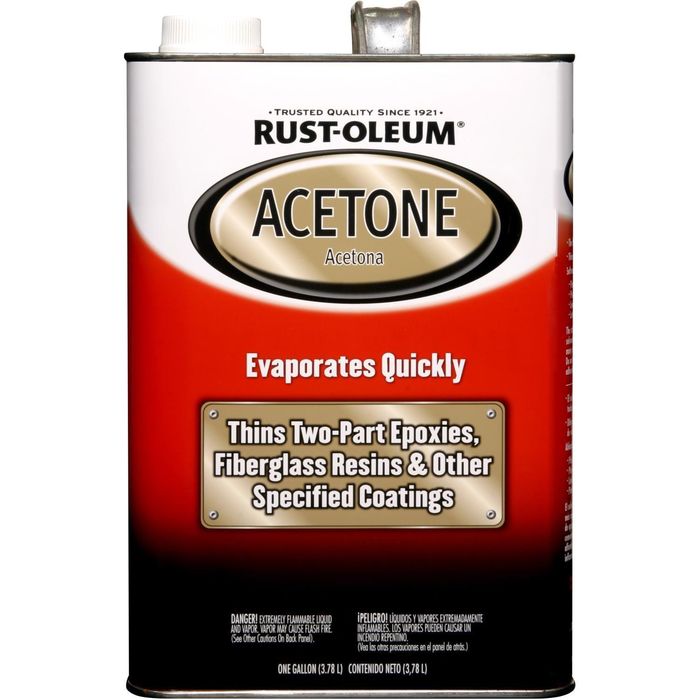
- Acetone: This is a powerful, fast-acting solvent that is very effective on many types of paint. It’s the main ingredient in most nail polish removers. Acetone evaporates very quickly, so you have to work fast.
- Lacquer Thinner: This is a very strong blend of different solvents and is extremely effective at removing lacquer-based and enamel spray paints. It has very strong fumes and must be used with excellent ventilation.
Step-by-Step Guide to Using Solvents
No matter which solvent you choose, the process is largely the same. Remember your safety gear for this part!
What you’ll need:
- Your chosen solvent (acetone, rubbing alcohol, etc.)
- Chemical-resistant gloves and safety goggles
- A respirator mask
- Clean rags
- A plastic scraper or a stiff-bristle brush
Steps:
- Get Set Up: Make sure you are in a very well-ventilated space. Put on your gloves, goggles, and respirator.
- Test First: Always test the solvent on a small, hidden area of your metal piece first. This ensures it won’t cause any discoloration or damage.
- Apply the Solvent: Dampen a clean rag with the solvent. Don’t pour it directly on the metal, as this is wasteful and messy.
- Wipe and Rub: Place the solvent-soaked rag over the painted area and let it sit for 30-60 seconds to start dissolving the paint. Then, begin rubbing firmly. You should see the paint start to come off on the rag.
- Scrub if Needed: For thicker layers, you may need to apply more solvent and use a plastic scraper or stiff brush to gently agitate the paint. A plastic scraper is better than a metal one to avoid scratching the metal underneath.
- Wipe Clean: As the paint loosens, use a clean rag to wipe it away. You’ll likely need to use several rags.
- Final Clean-Up: Once all the paint is gone, wipe the metal down with a rag dampened with mineral spirits or soapy water to remove any leftover solvent residue.
Method 3: Commercial Paint Strippers for the Toughest Jobs
When you’re dealing with multiple layers of old, baked-on spray paint, a commercial paint stripper is going to be your best friend. These products are specifically designed for this job and are incredibly effective. They come in liquid, gel, or aerosol form. I personally prefer the gel strippers because they cling to vertical surfaces and don’t evaporate as quickly.
Using these products requires the highest level of safety. The Environmental Protection Agency (EPA) has specific warnings about certain chemicals in paint removers, so always read the label and choose a newer, safer formulation if possible.
How to Use Paint Strippers Safely and Effectively
What you’ll need:
- A gel-based paint stripper
- Full safety gear (gloves, goggles, respirator)
- A cheap, disposable paintbrush (natural bristles work best)
- A plastic or metal paint scraper
- Steel wool or a stiff brush for detailed areas
- Mineral spirits or a neutralizer (check the product label)
- Cardboard or plastic sheeting to protect your work surface
Steps:
- Prep Your Area: Lay down your protective sheeting. Make sure your ventilation is excellent. Read the instructions on the paint stripper can from start to finish.
- Apply a Thick Coat: Use your disposable brush to apply a thick, even layer of the stripper over the paint. Don’t “paint” it back and forth; lay it on in one direction and leave it. A thick coat is key.
- Wait Patiently: This is the most important step. You need to let the stripper do its job. The can will tell you how long to wait—it could be anywhere from 15 minutes to several hours. You’ll know it’s working when the paint starts to bubble and wrinkle.
- Scrape it Off: Once the paint is fully bubbled, use your scraper to lift it off. Push the scraper at a low angle. The paint should come off in gooey sheets. Scrape all the gunk into a cardboard box or disposable container.
- Detail Work: For any curves or hard-to-reach spots, use steel wool or a stiff brush dipped in a little more stripper to scrub away the remaining bits.
- Neutralize and Clean: Many strippers need to be “neutralized” after use. The product label will specify what to use, which is often mineral spirits or just water. This step stops the chemical action. Wipe the entire piece down to remove all residue.
- Dispose Properly: The stripped paint and all your used rags and tools are considered hazardous waste. Let them dry out completely on a non-flammable surface, away from any heat source, then check with your local waste management facility for proper disposal instructions.
| Method Comparison | Best For | Effort Level | Safety Concerns |
|---|---|---|---|
| Gentle Hacks (Oils, Baking Soda) | Very fresh paint (hours old), small overspray spots, delicate surfaces. | Low | Minimal. Standard good practice is enough. |
| Solvents (Acetone, Alcohol) | Moderately fresh paint, single layers on durable metal. | Medium | Moderate. Requires good ventilation, gloves, and eye protection. Flammable. |
| Commercial Paint Strippers | Thick, old, baked-on layers of paint. The toughest jobs. | High (due to setup and cleanup) | High. Requires excellent ventilation, full PPE (respirator, gloves, goggles). Chemicals are hazardous. |
Method 4: Abrasive Techniques (When All Else Fails)
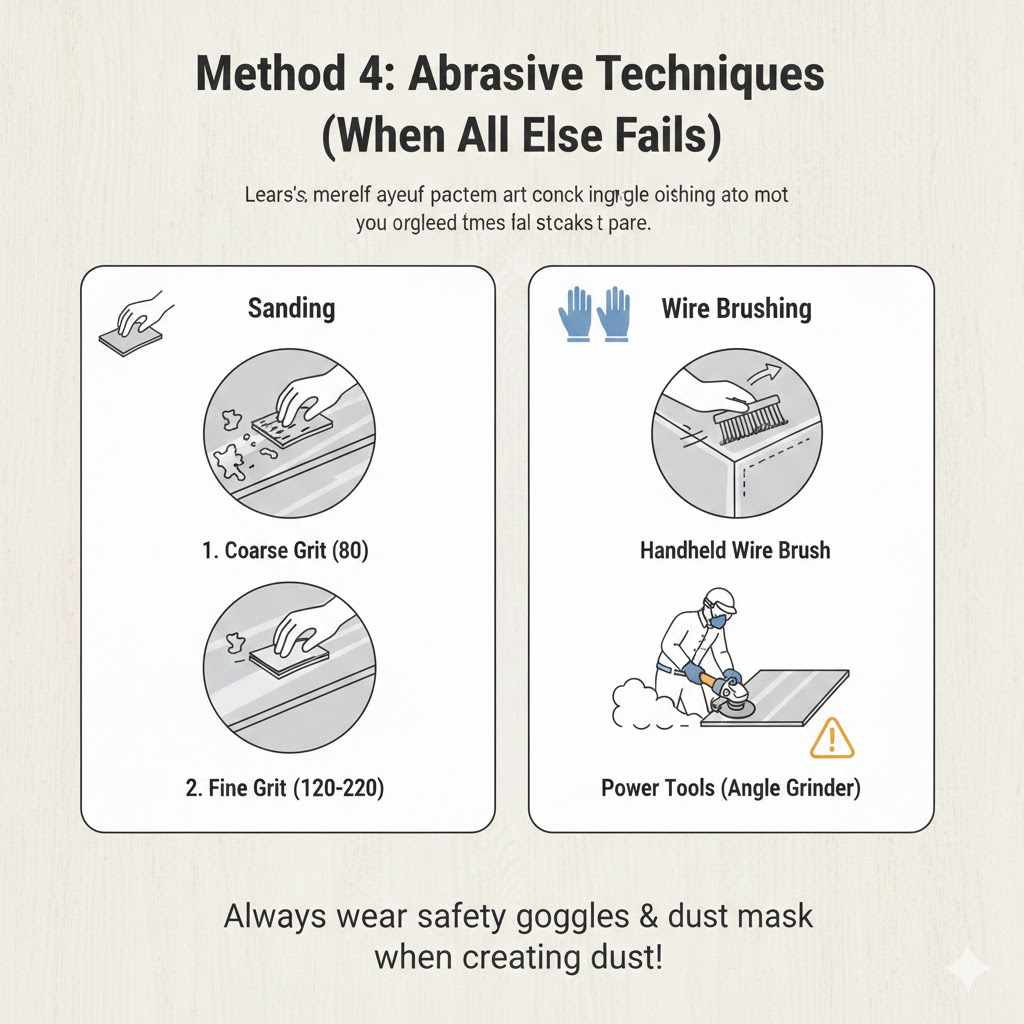
Sometimes, you just have to physically grind the paint off. Abrasive methods work by wearing the paint away layer by layer. This approach is best for tough metals like steel and is great for preparing a surface for a fresh coat of paint, as it also etches the metal slightly for better adhesion. The main downside is that it can easily scratch or gouge softer metals.
Sanding and Wire Brushing
For smaller jobs, good old-fashioned elbow grease is a reliable option.
- Sandpaper: Start with a coarse-grit sandpaper (like 80-grit) to break through the main layers of paint. Once most of it is gone, move to a finer grit (like 120 or 220-grit) to smooth out the surface and remove the final traces.
- Wire Brush: A handheld wire brush is excellent for getting into textured surfaces, seams, or corners. Use a firm, back-and-forth motion. Be aware that this will leave a brushed finish on the metal.
- Power Tools: For larger, flat surfaces, a random orbit sander can save you a ton of time and effort. An angle grinder with a wire wheel or flap disc is also extremely effective but very aggressive. This is for experienced users only, as it can quickly remove metal along with the paint if you aren’t careful. Always wear your safety goggles and a dust mask when creating dust!
Frequently Asked Questions (FAQ)
Can I use nail polish remover to get spray paint off metal?
Yes, you can! Most nail polish removers contain acetone, which is a powerful solvent. It’s great for small spots of paint. Just apply some to a cloth, let it sit on the paint for a minute, and then rub it away. Be sure to test it on a hidden area first.
Will WD-40 remove spray paint from metal?
WD-40 can be effective on very fresh spray paint that hasn’t had time to cure. It acts as a lubricant and mild solvent, helping to lift the paint. Spray it on, let it soak for a few minutes, and wipe firmly with a clean cloth. It’s less effective on old, hardened paint.
How long does it take for paint stripper to work on metal?
This depends on the brand of stripper, the type of paint, and how many layers there are. It can take anywhere from 15 minutes to several hours. The key is to watch for the paint to bubble up and wrinkle across the entire surface. Always follow the specific instructions on the product can.
What’s the safest way to remove spray paint?
The safest methods are the non-chemical ones, like using baking soda paste or household oils. While they only work for fresh or light coats, they don’t involve harsh fumes or chemicals. For any method, working outdoors with proper ventilation is the most important safety step you can take.
Can I just paint over the old spray paint?
You can, but I almost never recommend it. Painting over old, chipping, or poorly bonded spray paint will lead to a bad finish. The new paint won’t stick well and will likely peel or chip off later. Taking the time to properly strip the surface will give you a beautiful, long-lasting result you can be proud of.
Will pressure washing remove spray paint from metal?
A strong pressure washer can sometimes remove flaky, poorly adhered spray paint, especially from rough-textured metal. However, it’s generally not effective against well-bonded, cured spray paint. You can damage softer metals or inject water into seams, so use it with caution.
Final Thoughts
There you have it—a full toolbox of techniques to tackle that unwanted spray paint. Remember, the best way to remove spray paint from metal always starts with the gentlest method first. You can always move to a stronger approach if needed. More importantly, it’s about working safely and smartly.
Every project in the workshop is a chance to learn and build your skills. Stripping paint might not seem glamorous, but restoring a piece of metal to its original state is incredibly satisfying. It’s the first step in giving it a new life. So put on your safety gear, choose your method, and get to work with confidence. You’ve got this!