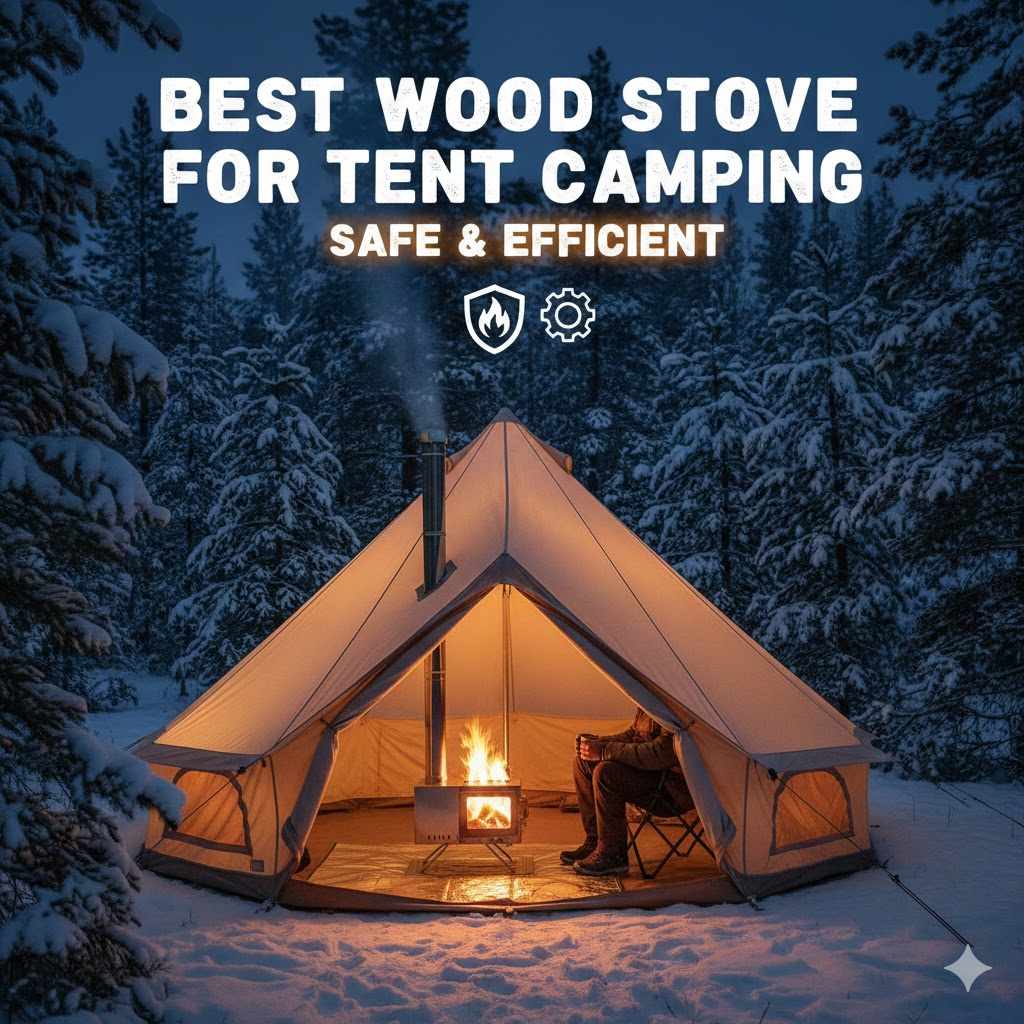
Best Wood Stove for Tent Camping (Safe & Efficient)
Finding the Best Wood Stove for Tent Camping (Safe & Efficient) might seem tricky for newcomers. You want warmth and a way to cook, but safety is key. Plus, you need something that works well without being too bulky.
Don’t worry; this guide makes it easy. We will walk through everything you need to know, step by step. Get ready to make your camping trips much cozier and simpler.
Choosing the Best Wood Stove for Tent Camping Safe Efficient
Selecting the Best Wood Stove for Tent Camping (Safe & Efficient) is a big decision for anyone who loves the outdoors. It’s about more than just heat; it’s about creating a safe and comfortable living space in the wilderness. Many campers, especially beginners, find this choice overwhelming due to the variety of options and the critical importance of safety.
You need a stove that provides reliable warmth without the risk of fire or carbon monoxide poisoning. Efficiency is also a major factor, as you want to maximize heat output while using minimal fuel. This section will help you understand what makes a wood stove suitable for tent camping.
Understanding Tent Camping Wood Stove Needs
When you’re thinking about a wood stove for your tent, a few things are super important. You need something that is built just for this kind of use. Regular stoves you might use at home just won’t work.
They are too big and not safe for a tent. You need a stove that is small and light enough to carry. It also needs to be designed so it won’t easily tip over.
The chimney system is also a big deal. It has to safely vent smoke and gases outside your tent. This prevents dangerous fumes from building up inside.
Safety features are at the top of the list. This includes things like a stable base and good heat shielding. You want to make sure the outside of the stove doesn’t get too hot to touch.
This protects you and your tent fabric from accidental burns or fires. Many stoves made for camping have double walls. This helps keep the outside cooler.
They also often come with grates or racks to place pots and pans on. This makes them functional for cooking too.
Efficiency means how well the stove burns fuel. A good camping stove will use less wood to produce more heat. This is helpful because you won’t have to carry as much wood.
It also means less ash and fewer sparks to manage. Some stoves are designed with special air intake systems. These help the fire burn hotter and cleaner.
This leads to less smoke and better use of your fuel. Thinking about these needs will help you pick the right stove.
Key Features of Safe Tent Camping Stoves
Safety is not optional when you use a wood stove in a tent. Stoves designed for this purpose have specific features to keep you safe. One key feature is a robust chimney system.
This is crucial for venting smoke and carbon monoxide. Without proper venting, these dangerous gases can fill your tent, leading to serious health risks. Look for stoves with adjustable or collapsible chimneys that can be securely attached to the tent’s exit port.
Another vital safety element is the stove’s construction and stability. A stove with a wide, stable base is less likely to tip over. Some stoves have legs that fold out for extra support.
Materials matter too. Stainless steel is a popular choice because it’s durable and can withstand high temperatures. Double-wall construction is also a great safety feature.
It creates an air gap that helps insulate the outer surface, making it cooler to the touch and reducing the risk of burns or igniting tent material.
Heat management is also a safety concern. Stoves designed for tents often have built-in heat shields. These can be on the sides or the bottom.
They help protect your tent floor and walls from radiant heat. Spark arrestors are another good feature to have. They catch hot embers and sparks, preventing them from escaping the chimney and potentially starting a fire.
Finally, always look for stoves with easy-to-use air controls. These let you manage the burn rate, which helps prevent overheating and provides better temperature regulation.
Here are some important safety features to look for:
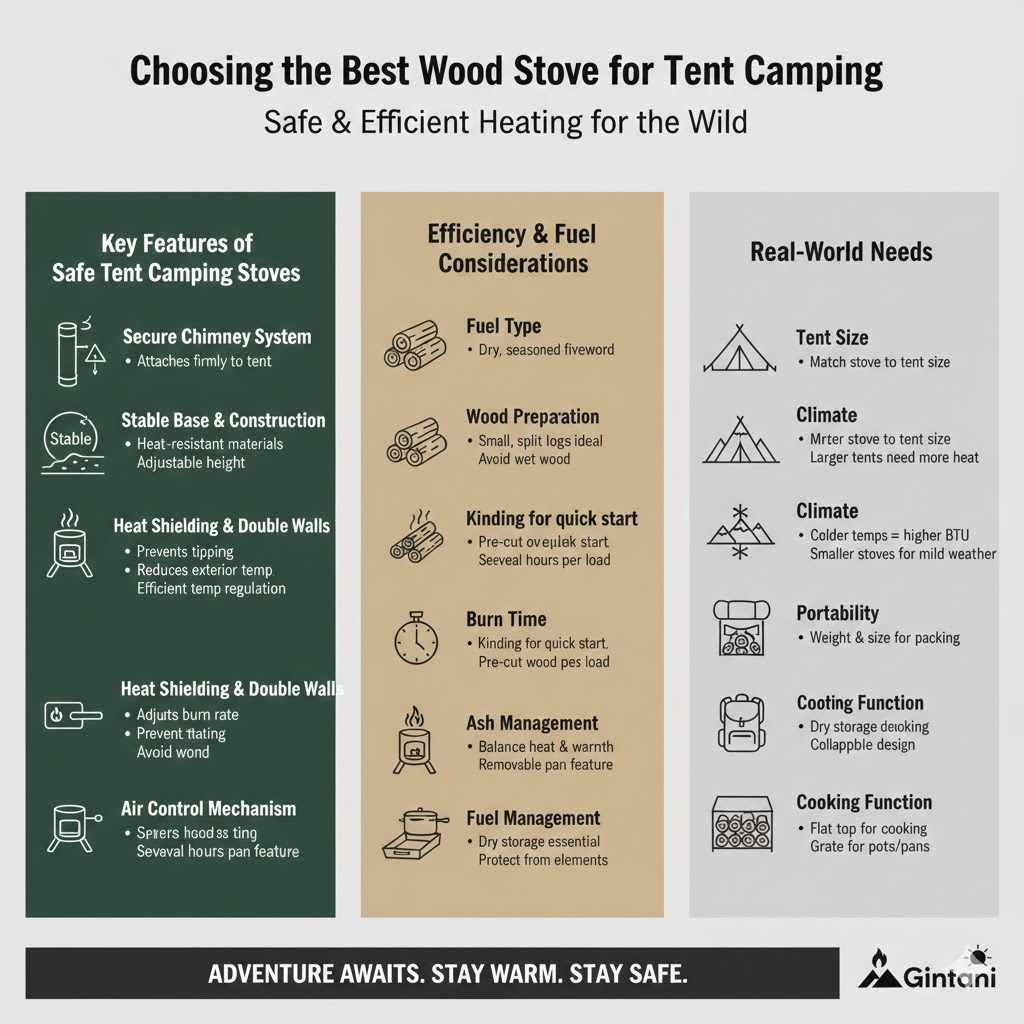
- Secure Chimney System: A chimney that attaches firmly to the tent and is designed to direct smoke and fumes away from the interior. It should be made of heat-resistant materials and ideally be adjustable for height.
- Stable Base and Construction: The stove needs to sit firmly on the ground. Legs or a wide, flat base prevent tipping. The overall build should be sturdy to withstand outdoor conditions and frequent use.
- Heat Shielding and Double Walls: Features like side heat shields or double-wall construction minimize the exterior temperature of the stove. This protects the tent fabric and reduces the risk of accidental burns.
- Spark Arrestor: A mesh or baffle system at the top of the chimney that catches flying embers. This significantly reduces the risk of stray sparks igniting nearby flammable materials.
- Air Control Mechanism: A way to easily adjust the airflow into the stove. This allows you to control the intensity of the fire, preventing it from getting too hot and allowing for more efficient fuel burning.
Efficiency and Fuel Considerations
When you pick a wood stove for tent camping, efficiency is as important as safety. An efficient stove burns wood completely, giving you more heat for less fuel. This means you’ll carry less wood, which is great for hiking or if you have limited space.
It also means less ash and smoke, making your camping experience more pleasant. Stoves with good airflow designs tend to be more efficient. They allow oxygen to reach the fire effectively, leading to a hotter, cleaner burn.
Fuel type is also something to think about. Most camping wood stoves are designed to burn dry, seasoned firewood. Smaller pieces of wood work best.
You might also consider bringing a small amount of kindling to get the fire started quickly. Some people use compressed wood logs, which can be very dense and burn for a long time. However, they can be more expensive.
Always make sure the wood you burn is dry. Wet wood produces more smoke and less heat.
The size of the stove also plays a role in fuel consumption. Smaller stoves generally require less fuel to heat a given space. However, a very small stove might struggle to keep a large tent warm in very cold weather.
You need to balance efficiency with the heating capacity you require for your camping environment. Think about how big your tent is and how cold it typically gets where you camp. This will help you choose a stove that is just right.
Consider these points regarding efficiency and fuel:
- Fuel Type: Most stoves work best with dry, seasoned firewood. Small, split logs are ideal. Avoid using green or wet wood, as it creates more smoke and less heat.
- Wood Preparation: Bringing your own dry kindling can help start fires quickly. Pre-cut and split wood saves time and effort at the campsite.
- Burn Time: Look for stoves that offer a good balance between quick heating and sustained warmth. Some stoves can burn for several hours on a single load of wood.
- Ash Management: Efficient stoves produce less ash, making cleanup easier. A removable ash pan is a very convenient feature for quick disposal.
- Fuel Storage: Consider how much wood you will need and how you will store it at your campsite. Dry storage is essential to maintain the quality of your fuel.
Popular Types of Tent Camping Wood Stoves
There are a few main types of wood stoves designed for tent camping. Each has its own advantages and disadvantages. Understanding these types will help you find one that fits your needs best.
From super compact, foldable designs to more robust, cabin-style units, there’s a stove for almost every kind of camper and camping scenario. We’ll explore the most common ones, highlighting what makes them a good choice for outdoor adventures.
Portable Folding Wood Stoves
These are very popular for backpackers and campers who need something light and easy to pack. They are designed to fold down flat or into a small package. This makes them ideal for carrying in a backpack or fitting into tight spaces in a vehicle.
Despite their compact size, they can produce a surprising amount of heat. Many are made from lightweight yet durable materials like stainless steel.
The setup for these stoves is usually quite simple. You unfold the walls, attach the chimney, and you’re ready to go. They often have a separate compartment for the wood.
This design helps to burn the wood more completely and efficiently. The chimneys are typically sectional and can be stored inside the stove body when not in use. This is a great space-saving feature.
While great for portability, these stoves might require more frequent refueling. Because they are smaller, they hold less wood than larger models. You might also find that they are best suited for smaller tents or for heating a small area.
Always ensure they are placed on a stable, non-flammable surface. Double-check that the chimney is securely attached to vent smoke properly outside the tent.
Here’s a look at their benefits:
- Ultra-Portable: Folds down very small, perfect for hiking and travel.
- Lightweight: Made from materials that reduce overall weight.
- Quick Setup: Simple to unfold and assemble.
- Efficient Burning: Many have designs that promote good airflow for cleaner burns.
- Versatile: Can be used for heating and cooking.
Cabin Style Wood Stoves
Cabin-style wood stoves are generally larger and more robust than their folding counterparts. They often resemble miniature versions of the wood stoves you might find in a small cabin or rustic home. These stoves are built for durability and can provide a significant amount of heat, making them suitable for larger tents or colder climates.
They usually have a more substantial firebox, allowing them to hold more wood and burn for longer periods.
The construction of cabin-style stoves often includes features like a glass door. This allows you to see the fire, adding to the ambiance of your campsite. They may also have an integrated oven or a larger cooking surface.
The chimneys on these models are often more permanent or easier to assemble, designed for repeated use. Because they are heavier, they are typically transported in vehicles rather than carried on foot.
These stoves are excellent for car camping or base camps where portability is less of a concern. Their larger size means they require more space inside and outside the tent. You’ll also need to consider their weight when planning your trip.
Despite these considerations, their heating power and longer burn times make them a very attractive option for extended stays or serious winter camping.
Think about these points for cabin-style stoves:
- High Heat Output: Capable of heating larger spaces or keeping a tent warm in very cold conditions.
- Long Burn Times: The larger firebox holds more wood, requiring less frequent refueling.
- Durable Construction: Built to last with robust materials, often including cast iron or heavy-gauge steel.
- Ambiance Features: Some models include glass doors to view the fire, enhancing the camping experience.
- Larger Cooking Area: Often provide more space for pots and pans.
Stove Pipe and Ventilation Essentials
No wood stove is safe or effective without proper ventilation. The stove pipe, also known as the chimney, is the most critical part of this system. Its primary job is to safely carry smoke, soot, and carbon monoxide away from your tent and into the open air.
For tent camping, these pipes are usually made of sections of stainless steel that connect together. They need to be heat-resistant and form a tight seal to prevent leaks.
When setting up your stove pipe, ensure it extends well above the tent’s highest point. This helps ensure smoke doesn’t blow back into your shelter. Most tent stoves come with a specific way to exit the tent.
This is usually a specially designed port or window made of fire-resistant material. You must use this port and ensure the stove pipe is securely sealed within it. This is a non-negotiable safety step.
Regularly inspect your stove pipe for any signs of damage, corrosion, or loose connections. A damaged pipe can leak dangerous fumes. You should also be aware of creosote buildup.
This is a flammable substance that can form inside the chimney over time. Cleaning your stove pipe periodically is important for fire safety. A simple brush designed for stove pipes can help.
Always allow the stove and pipe to cool completely before attempting any cleaning or maintenance.
Here are key aspects of stove pipe and ventilation:
- Material Quality: Use high-quality, heat-resistant stainless steel pipe sections. They must be able to withstand the high temperatures of smoke and soot.
- Secure Connections: Ensure each section of the stove pipe connects tightly. Loose connections can allow smoke and carbon monoxide to escape into the tent.
- Proper Extension: The chimney should extend at least 2-3 feet above the highest point of the tent. This aids in proper smoke drafting and prevents downdrafts from pushing smoke back inside.
- Tent Exit Port: Use the designated fire-resistant exit port on your tent. Seal the stove pipe within this port to prevent any drafts or leaks.
- Maintenance and Cleaning: Regularly inspect the pipe for damage and clean out creosote buildup. This is essential for preventing chimney fires and ensuring safe operation.
Setting Up Your Tent Wood Stove Safely
Setting up your wood stove correctly is paramount for both safety and comfort. A well-set-up stove will provide reliable heat and cooking capabilities without posing a risk to you or your gear. This involves careful placement, secure connections, and understanding the surrounding environment.
Taking the time to do this right means you can relax and enjoy the warmth.
Choosing the Right Location Inside Your Tent
Where you place your wood stove inside the tent is extremely important. The ideal spot is usually in the center of the tent, or slightly towards one side if that offers better space utilization. The key is to ensure there is ample clearance around the stove.
You need at least 3-4 feet of open space in all directions. This space should be free of sleeping bags, clothing, gear, and any other flammable materials.
The ground beneath the stove must be stable and non-flammable. Most tent floors are made of nylon or polyester, which can melt or catch fire. You absolutely need a heat-resistant mat or a layer of non-combustible material, like fire bricks or sand, beneath the stove.
This protects your tent floor. Many portable stoves come with their own integrated heat shield or base, but an extra layer of protection is always a good idea.
Consider the tent’s ventilation points as well. The stove pipe needs to exit the tent through a designated port. Make sure your chosen location allows for a straightforward and secure connection to this exit.
Avoid placing the stove too close to the tent walls, even with heat shields, as radiant heat can still be a concern. A well-chosen location maximizes safety and ensures efficient heat distribution throughout the tent.
When picking a spot, ask yourself these questions:
- Is there enough clearance? Ensure at least 3-4 feet of space around the stove.
- Is the ground protected? Use a heat mat or fire bricks under the stove.
- Is it stable? The ground should be level and firm to prevent the stove from tipping.
- Can the chimney connect easily? Position it for a secure fit with the tent’s exit port.
- Is it out of the main pathway? Place it where it’s less likely to be bumped into.
Connecting the Stove Pipe and Tent Port
Connecting the stove pipe to the tent’s exit port is a critical safety step. Most modern camping tents designed for wood stoves have a specialized port. This port is usually made from a heat-resistant fabric or has a metal heat shield integrated into it.
It’s designed to safely guide the stove pipe through the tent fabric without compromising the tent’s integrity or creating a fire hazard.
When connecting, ensure the stove pipe sections fit together snugly. Any gaps can allow smoke or hot air to escape. Use any provided clamps or locking mechanisms to secure the pipe.
The pipe should then extend through the tent port and be angled upwards. The goal is to have the chimney extend at least two to three feet higher than the highest point of your tent. This helps with proper draft and ensures that smoke is carried away effectively.
After the stove pipe is in place, double-check all connections. Gently tug on the pipe to ensure it’s secure. Make sure the tent port is sealed around the pipe as much as possible to prevent drafts that could draw smoke back into the tent.
If your tent port is a simple fabric opening, consider using high-temperature sealant or silicone tape to create a more secure and airtight seal. Never force the stove pipe; if connections are difficult, re-evaluate your setup.
Follow these steps for a safe connection:
- Align the Pipe: Carefully insert the first section of the stove pipe into the tent’s designated exit port.
- Secure the Pipe: Use clamps, screws, or any provided hardware to fasten the pipe securely to the tent port.
- Extend Upwards: Connect subsequent pipe sections, ensuring a tight fit, and extend the chimney to the required height above the tent.
- Seal Gaps: Use heat-resistant tape or sealant to close any small gaps between the pipe and the tent port.
- Test Stability: Gently check that the entire chimney system is stable and won’t easily fall over or disconnect.
First Fire and Monitoring Your Stove
Starting your first fire in a new tent stove is an exciting moment, but it requires caution. Begin with a small amount of dry kindling and a few small pieces of seasoned firewood. Light the kindling and allow the fire to establish itself gradually.
As the fire grows, you can add slightly larger pieces of wood. Avoid overloading the stove, especially during the initial burns, as this can cause overheating.
It is crucial to monitor your stove constantly, especially when it is first fired up. Pay attention to how the smoke is behaving. If you see smoke coming into the tent, immediately check the chimney connections and airflow.
A proper draft should pull the smoke up and out. Always have a carbon monoxide detector running in your tent when using a wood stove. These devices are inexpensive and can be life-saving.
Test the detector regularly.
Also, keep an eye on the temperature inside and outside the stove. The exterior of the stove will get hot, but it should not be so hot that it’s glowing red, which can indicate it’s too hot for the tent environment. Ensure the tent fabric remains a safe distance from the stove and chimney.
Regularly check that no embers are escaping from the chimney. Having a fire extinguisher or a bucket of water nearby is always a good safety practice.
Here are tips for your first fire:
- Start Small: Use minimal kindling and small wood pieces to get the fire going.
- Gradual Fueling: Add wood slowly, allowing each piece to catch fire before adding more.
- Constant Supervision: Never leave a lit stove unattended.
- Monitor Smoke: Ensure all smoke is exiting through the chimney; any indoor smoke is a danger sign.
- Temperature Awareness: Watch the stove’s external temperature and the tent’s interior heat to prevent overheating.
Maintaining Your Tent Wood Stove
Keeping your tent wood stove in good condition is key to its safe and efficient operation. Regular maintenance ensures it works reliably on every trip and lasts for many seasons. Ignoring maintenance can lead to safety hazards and reduced performance.
This section covers the essential care steps you should take.
Cleaning and Ash Removal
Regular cleaning is vital for any wood stove. After each use, and before packing it away, you should remove all ashes from the firebox. Ashes can absorb moisture and cause corrosion, especially if the stove is stored without being thoroughly dried.
Many stoves have a removable ash pan, which makes this process much easier. Simply let the ashes cool completely, then remove the pan and dispose of the ashes responsibly.
If your stove doesn’t have an ash pan, use a small shovel or brush designed for stoves to carefully scoop out the cooled ashes. Be thorough, as leftover ash can impede airflow and reduce the stove’s efficiency. Inspect the inside of the firebox for any soot buildup or debris.
A wire brush can be useful for gently cleaning stubborn deposits. Ensure all cleaning tools are dry before storing them with the stove.
Beyond ash removal, periodically check the stove’s exterior. Wipe it down with a damp cloth to remove any dirt or grime. If your stove is made of stainless steel, you can use a specialized stainless steel cleaner to keep it looking good and prevent rust.
Proper cleaning not only extends the life of your stove but also ensures that it operates at peak efficiency.
Cleaning steps include:
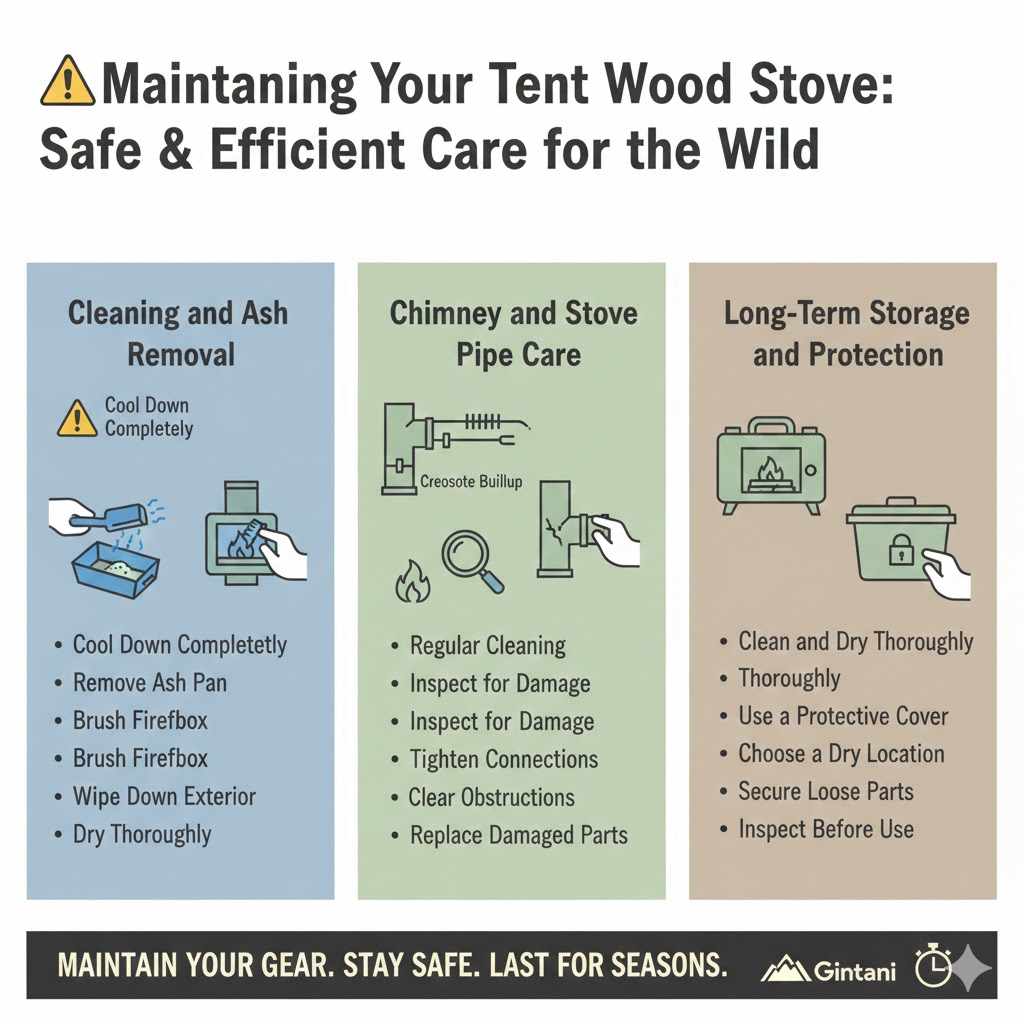
- Cool Down Completely: Always wait for the stove and ashes to cool entirely before cleaning.
- Remove Ash Pan: If your stove has one, remove the ash pan and empty it outdoors.
- Brush Firebox: Use a brush to clear out remaining ash and debris from the firebox.
- Wipe Down Exterior: Clean the outside of the stove with a damp cloth.
- Dry Thoroughly: Make sure all parts are completely dry before storing to prevent rust.
Chimney and Stove Pipe Care
The chimney and stove pipe are critical components for safe operation. They need regular inspection and cleaning to prevent dangerous situations. Creosote, a flammable tar-like substance, builds up inside the chimney from the smoke.
If too much creosote accumulates, it can ignite, causing a chimney fire. This is a serious risk when camping.
After each trip, or at least a few times during the camping season, you should clean your stove pipe. Use a chimney brush that is the same diameter as your pipe. You can often find flexible rods that attach to the brush, allowing you to clean the entire length of the pipe.
Work the brush up and down the pipe to dislodge any creosote buildup. Make sure to do this outdoors, as the dislodged creosote can be messy.
While cleaning, also inspect the stove pipe sections for any signs of damage. Look for dents, holes, or corrosion. Ensure all connections are still tight and secure.
If you notice any significant damage, the pipe section may need to be replaced. Proper care of your chimney system is just as important as the stove itself for safe and efficient heating.
Key chimney care actions:
- Regular Cleaning: Brush out creosote buildup after every few uses or at least seasonally.
- Inspect for Damage: Check pipes for holes, rust, or severe dents that could compromise safety.
- Tighten Connections: Ensure all pipe sections fit together securely to prevent leaks.
- Clear Obstructions: Make sure the top of the chimney is not blocked by debris or snow.
- Replace Damaged Parts: Don’t use damaged stove pipes; replace them immediately for safety.
Long-Term Storage and Protection
When your camping season ends, proper long-term storage will protect your wood stove and ensure it’s ready for the next season. First, make sure the stove is completely clean and dry. Remove all ash and any debris from inside.
Wipe down the exterior thoroughly. Any moisture left behind can lead to rust and corrosion, especially on steel components.
If your stove has a carrying case or bag, use it. This will protect the stove from dust, scratches, and accidental damage. If you don’t have a dedicated case, consider covering the stove with a tarp or a sturdy plastic sheet.
Store the stove in a dry, protected location, such as a garage, shed, or basement. Avoid storing it outdoors where it can be exposed to the elements.
Pay attention to any moving parts, like legs or handles. Ensure they are functioning correctly before storing. If there are any parts that can be removed for easier storage, do so.
Keep these parts in a sealed bag and store them with the stove so they don’t get lost. A little care during storage can significantly extend the lifespan of your tent wood stove.
For proper storage:
- Clean and Dry Thoroughly: Ensure the stove is spotless and completely dry before storing.
- Use a Protective Cover: Store in a bag or cover it to protect from dust and damage.
- Choose a Dry Location: Store in a garage, shed, or basement away from moisture.
- Secure Loose Parts: Remove and store any detachable parts safely with the stove.
- Inspect Before Use: Before the next camping trip, inspect the stove for any signs of damage that may have occurred during storage.
Frequently Asked Questions
Question: How do I know if my tent is safe for a wood stove
Answer: Tents designed for wood stoves have specific fire-resistant materials and a designated exit port for the chimney. Standard camping tents are not safe and can easily catch fire. Always check the manufacturer’s specifications for your tent.
Question: What is the most important safety feature for a tent wood stove
Answer: The most critical safety feature is a properly functioning chimney system that safely vents smoke and carbon monoxide outside the tent. A stable base and heat shielding are also extremely important.
Question: How much wood do I need for a night
Answer: This depends on the stove’s efficiency, the outside temperature, tent size, and the type of wood. A good rule of thumb is to bring more than you think you’ll need, especially for your first trip. Start with smaller amounts and adjust as you learn your stove’s fuel consumption.
Question: Can I use any kind of wood
Answer: It is best to use dry, seasoned hardwoods. Avoid using green (wet) wood, treated lumber, or softwoods like pine as they produce more smoke, creosote, and can be less efficient. Always ensure your wood is well-seasoned.
Question: What should I do if I smell carbon monoxide
Answer: If you smell carbon monoxide or experience symptoms like headache, dizziness, or nausea, immediately open all tent vents and exit the tent. Do not re-enter until the source of the carbon monoxide has been identified and fixed, and the tent is well-ventilated. Always have a working carbon monoxide detector.
Wrap Up
Choosing the Best Wood Stove for Tent Camping (Safe & Efficient) makes your outdoor trips warmer and more comfortable. Prioritize safety with proper setup and ventilation. Regular cleaning and maintenance ensure your stove works well for years. Enjoy the cozy heat and cooking capabilities your chosen stove offers for many adventures to come.