Birch Vs Pine Plywood: Ultimate Comparison for Your Projects
Choosing the right plywood can make all the difference in your project’s success. When it comes to Birch vs Pine plywood, you might wonder which one fits your needs best.
Both have unique qualities that affect durability, appearance, and cost. By understanding these differences, you’ll feel confident picking the perfect plywood for your work. Keep reading to discover what sets Birch and Pine plywood apart—and how to make the right choice for your next project.
Birch Plywood Features
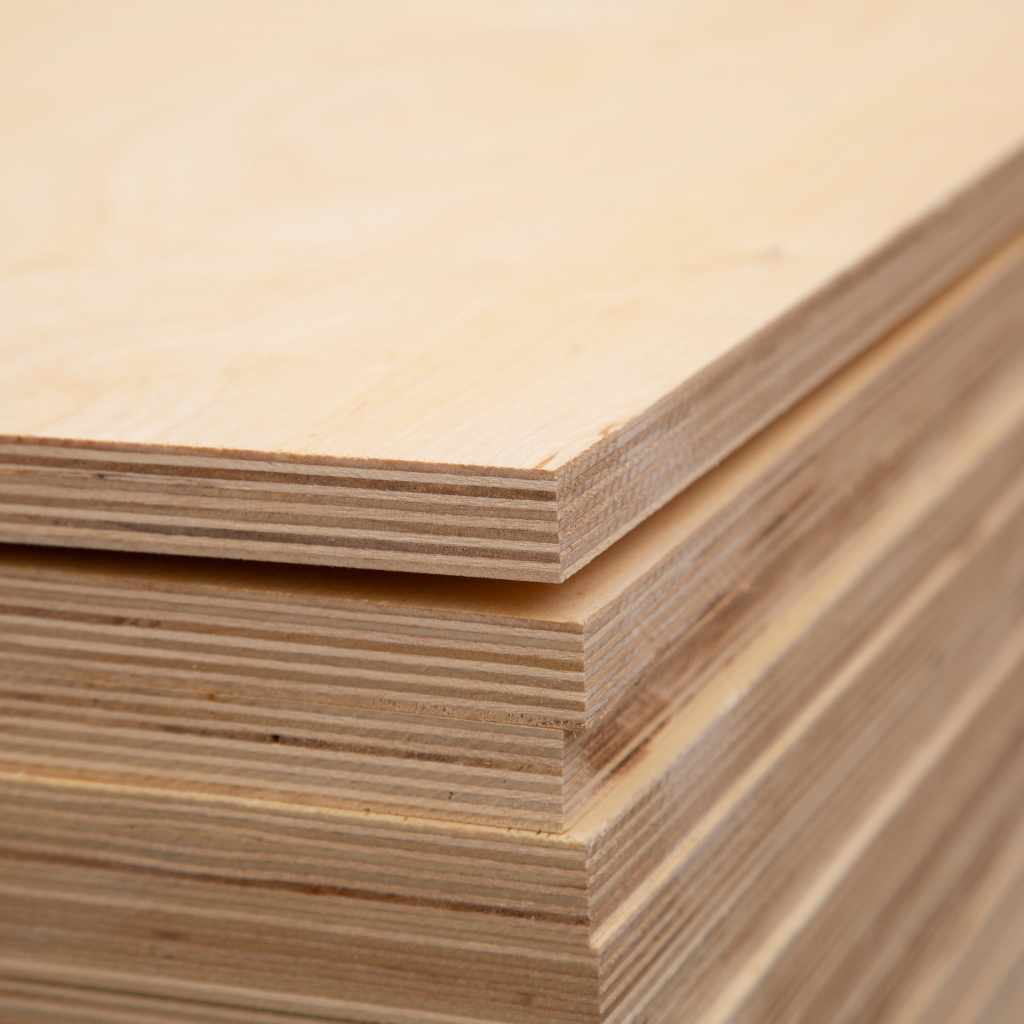
Birch plywood stands out for its unique features. It offers a good balance of beauty and strength. This makes it a popular choice for many projects. Understanding its key traits helps you decide if it fits your needs.
Grain And Texture
Birch plywood has a smooth and fine grain. The texture is consistent across the surface. This makes it easy to paint or stain. It also feels pleasant to touch. The even grain gives a clean and neat look.
Strength And Durability
Birch plywood is strong and resists bending well. It holds nails and screws tightly. This plywood lasts long under regular use. It can handle weight and pressure without cracking. Its durability suits furniture and flooring projects.
Color And Appearance
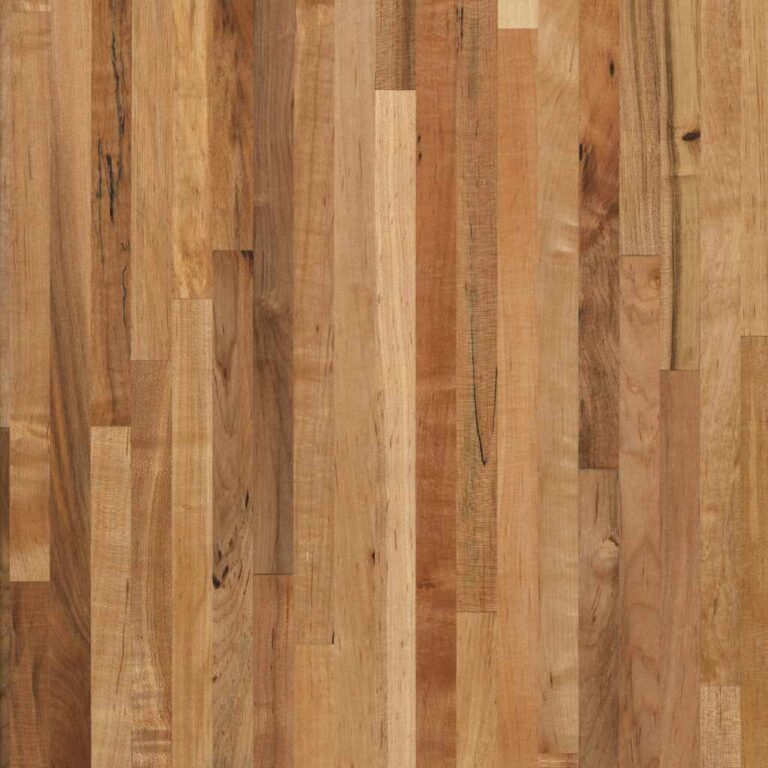
The color of birch plywood is light cream to pale yellow. It has a warm and natural look. The surface shines softly when polished. This bright color helps brighten rooms. It fits well with many decor styles.

Pine Plywood Features
Pine plywood is a popular choice for many woodworking and construction projects. It offers unique qualities that make it suitable for various uses. Understanding these features helps in selecting the right plywood for your needs.
Grain And Texture
Pine plywood has a distinct grain pattern. The grain is usually straight and even. This makes it easy to cut and shape. The texture feels smooth but may have small knots. These knots add character without affecting strength.
Strength And Durability
Pine plywood is strong enough for furniture and cabinets. It resists impact and holds nails well. Though softer than hardwood plywood, it still lasts long. Proper sealing protects it from moisture damage. It is suitable for indoor use mostly.
Color And Appearance
The color of pine plywood ranges from pale yellow to light brown. It has a warm, natural look. Pine takes stain and paint easily, allowing for many finishes. Its appearance fits well with rustic and casual styles.
Performance In Projects
Choosing between birch and pine plywood affects project results. Each type performs differently in various settings. Understanding their strengths helps pick the right plywood.
Indoor Applications
Birch plywood offers smooth surfaces and strong durability indoors. It resists dents and scratches better than pine. Ideal for furniture, cabinets, and flooring. Pine plywood is softer and lighter. It suits walls, ceilings, and decorative panels. Pine works well for projects needing easy cuts and shaping.
Outdoor Applications
Both birch and pine plywood need treatment for outdoor use. Untreated, they absorb water and may warp. Birch plywood is denser, so it stands up to weather longer. Pine plywood can swell and weaken faster outdoors. Applying sealants or paint extends their life. Choose plywood with waterproof glue for better outdoor performance.
Workability And Finishing
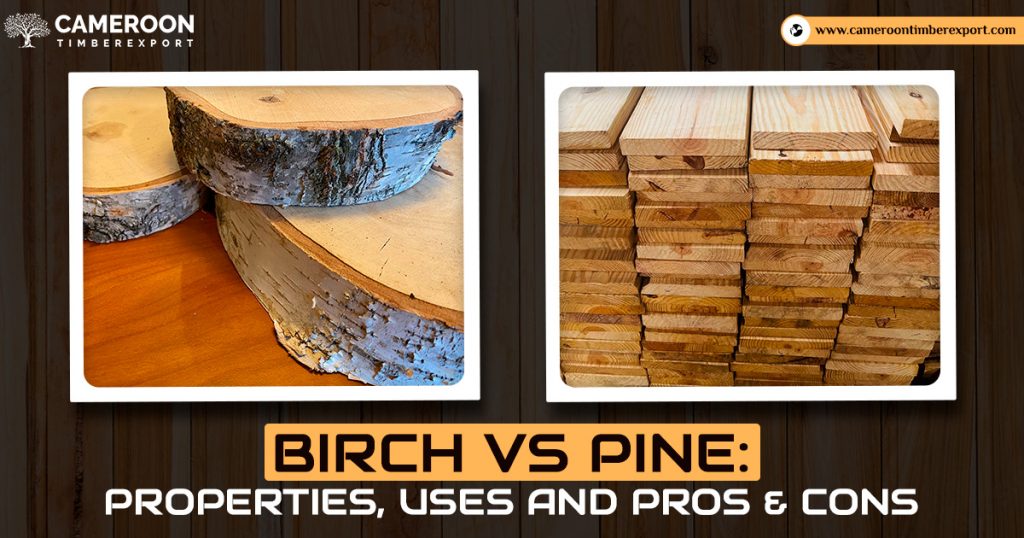
Pine plywood is easier to cut and shape. Its soft texture lets tools work quickly. Birch plywood requires sharper tools due to hardness. Birch’s tight grain creates a smooth finish. Pine’s open grain absorbs stains unevenly. Birch is better for clear finishes. Pine suits painted projects well.
Cost And Availability
Cost and availability play a big role in choosing between birch and pine plywood. Both types have unique price points and market presence. Understanding these factors helps buyers make smart decisions. Let’s explore how they compare in price, availability, and sustainability.
Price Comparison
Birch plywood usually costs more than pine plywood. This is because birch is denser and stronger. It requires more processing and care. Pine plywood is softer and grows faster, making it cheaper. Budget projects often prefer pine for cost savings. Birch is chosen for quality and durability despite the higher price.
Market Availability
Pine plywood is widely available in most markets. Its fast growth means supply stays steady. Builders and hobbyists find pine plywood easily in stores. Birch plywood is less common and may be harder to find. It comes mostly from specific regions and suppliers. Planning ahead helps secure birch plywood for a project.
Sustainability Factors
Pine grows quickly, making it a more renewable resource. Harvesting pine plywood impacts forests less over time. Birch grows slower, so it is less renewable. Some suppliers offer certified sustainable birch plywood. Checking for eco-labels ensures responsible sourcing. Choosing the right plywood can support forest health.
Choosing The Right Plywood
Choosing the right plywood is key for any woodworking project. Birch and pine plywood offer different strengths. Picking the right one can affect your work’s quality and look. Consider your project needs carefully. Understanding the differences helps make a smart choice.
Project Requirements
Think about what the plywood must do. Birch plywood is strong and smooth. It suits furniture and cabinets. Pine plywood is lighter and softer. It works well for simple projects and crafts. Match the plywood to your project’s strength and durability needs.
Budget Considerations
Cost matters in choosing plywood. Birch plywood usually costs more. It offers better strength and finish. Pine plywood is more affordable. It fits smaller budgets and less demanding projects. Balance quality and price to find the best fit for you.
Aesthetic Preferences
Look at the plywood’s appearance. Birch has a fine, even grain. It paints and stains well. Pine shows natural knots and a rustic feel. It adds character to projects. Choose the plywood that matches your style and design vision.

Frequently Asked Questions
What Are The Main Differences Between Birch And Pine Plywood?
Birch plywood is denser and stronger, offering a smooth finish. Pine plywood is lighter, softer, and more affordable. Birch suits high-quality furniture, while pine is ideal for general construction and budget projects.
Which Plywood Is More Durable: Birch Or Pine?
Birch plywood is more durable due to its hardwood nature. It resists wear and tear better than pine. Pine plywood is less durable but easier to work with for light-duty applications.
Is Birch Or Pine Plywood Better For Furniture Making?
Birch plywood is better for furniture due to its strength and smooth surface. Pine plywood is softer, making it less ideal for heavy-use furniture but suitable for rustic styles.
How Does The Cost Of Birch Compare To Pine Plywood?
Birch plywood is generally more expensive because of its quality and durability. Pine plywood is budget-friendly, making it a popular choice for cost-sensitive projects.
Conclusion
Birch plywood offers strength and a smooth finish for fine projects. Pine plywood is lighter and easier to cut for quick jobs. Both types serve well but suit different needs and budgets. Choose birch for durability and a clean look.
Pick pine for cost savings and easy handling. Understanding these basics helps you select the right plywood. Your project will benefit from the best fit. Simple choices lead to better results.