Is Birch Wood Good for Burning? What You Need to Know
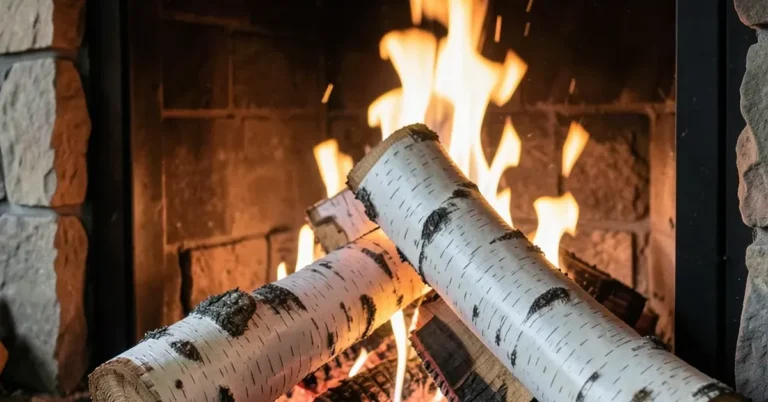
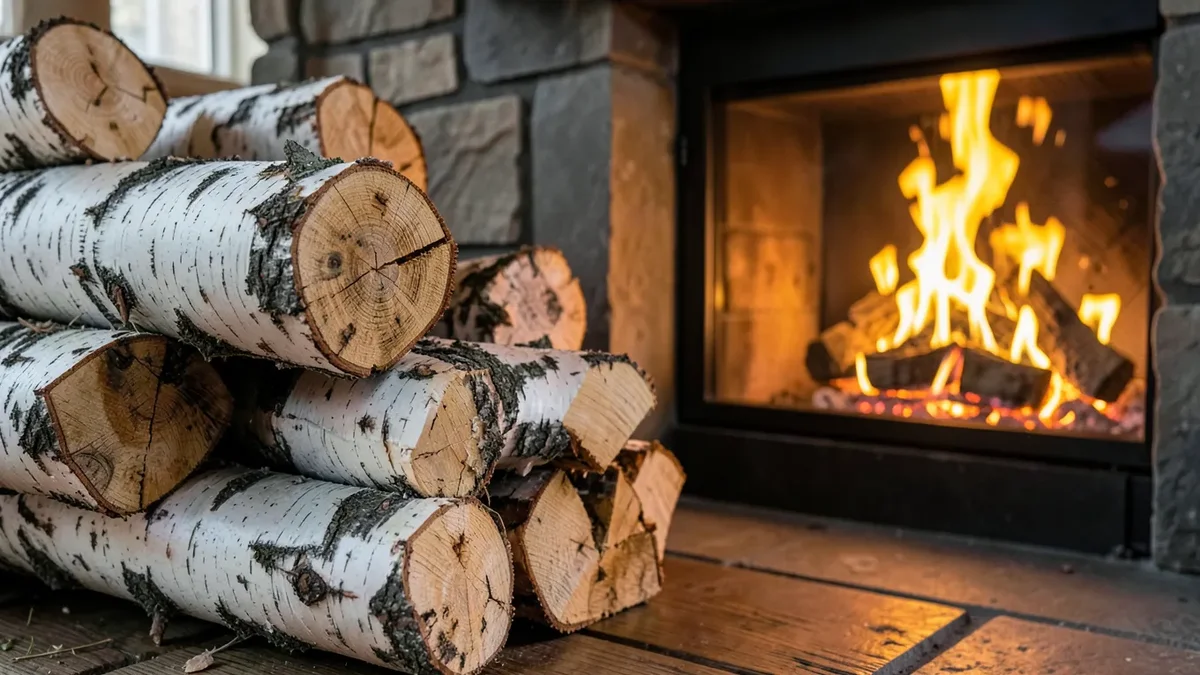
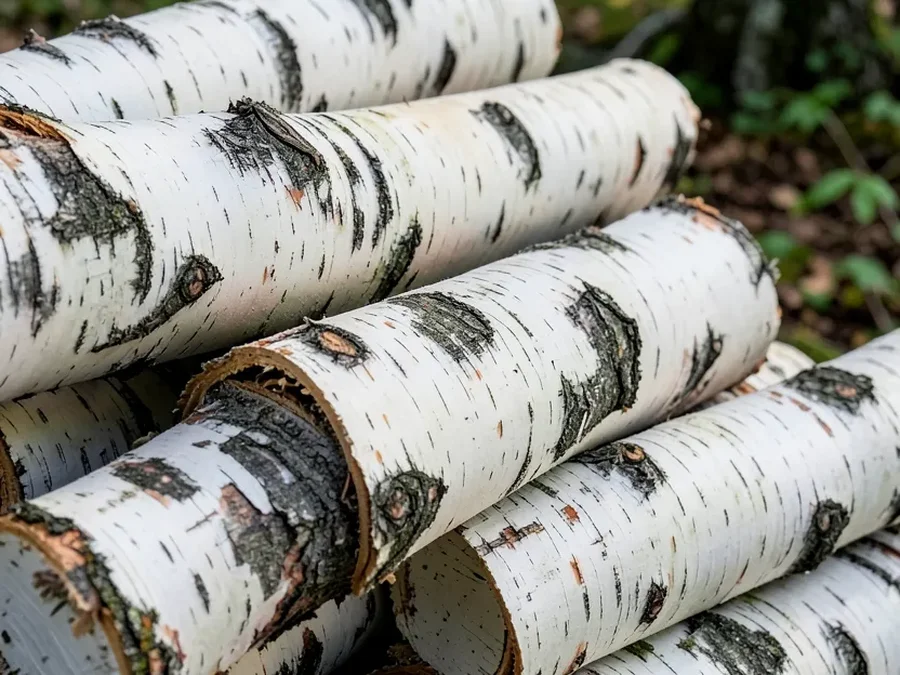
Yes, birch wood is good for burning. It’s a medium-density hardwood that lights easily (especially thanks to its oily, papery bark), burns hotter and brighter than softwoods like pine, and gives off a mild, pleasant aroma. Its main tradeoff is burn time: birch burns faster than dense hardwoods like oak or maple, so you’ll reload more often.
Birch sits in an unusual middle spot among firewoods, and that’s exactly why it confuses people shopping for a wood stove or fireplace fuel. It’s not a soft, fast-burning junk wood like pine, but it’s also not the slow-smoldering overnight-burn champion that oak is. Here’s where it actually fits, the numbers that matter, and how to get the most out of a stack of it.
Where Birch Sits on the Firewood Spectrum
Best for Checking Firewood Readiness
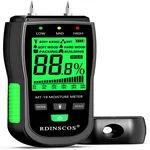 |
RDINSCOS Wood Moisture Meter for Firewood – Check Current Price Gives an actual moisture percentage from a freshly split log face instead of guessing from sound or end-cracks alone.
|
Birch is a medium-density hardwood, which puts it in a genuinely useful middle position: denser and longer-burning than softwoods like pine or spruce, but noticeably less dense than premium slow-burn hardwoods like oak, hickory, or sugar maple. In BTU terms, seasoned birch typically produces somewhere in the 20-24 million BTUs per cord range, compared to roughly 24-30 million for oak and closer to 14-17 million for pine — solidly mid-pack, not a top performer but far from a weak one.
That density also explains its personality as a fuel: it ignites more readily than the densest hardwoods (their tight grain structure resists catching), burns with a noticeably brighter, steadier yellow flame, and produces a distinctly mild, faintly sweet smell that many people find preferable to the heavier, more resinous scent of pine or the sometimes pungent smell of burning maple.
Why Seasoning Birch Matters More Than the Species Itself
Freshly cut (“green”) birch carries a high moisture content, and burning it before it’s dried wastes most of your fire’s energy just boiling off water instead of heating your room. The unburned moisture also condenses in your chimney as creosote, which is the actual mechanism behind chimney fires — so this isn’t a minor efficiency issue, it’s a safety one.
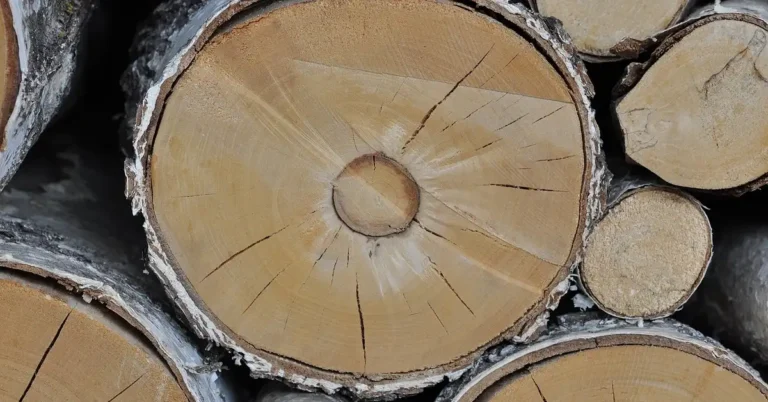
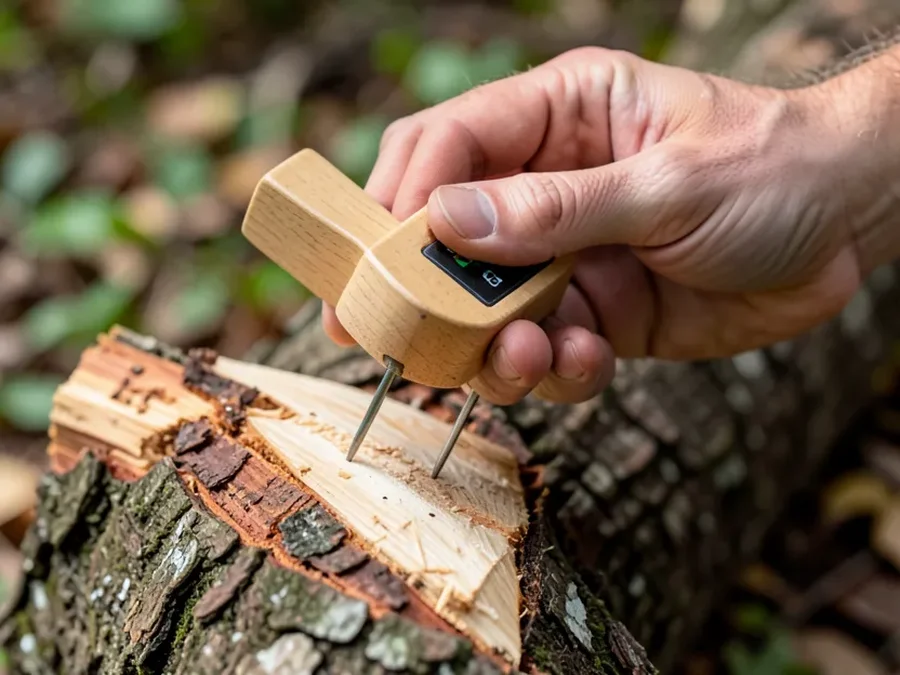
Properly seasoned birch should sit at 15-20% moisture content, which typically takes 6-12 months of stacking with good airflow — noticeably faster than oak’s 12-24 month seasoning window, which is one of birch’s real practical advantages if you’re not planning years ahead. You can estimate readiness by sound (well-dried logs give a hollow crack rather than a dull thud when struck together) and by sight (checking cracks radiating from the log ends), but a wood moisture meter with pins pushed into a freshly split face gives you an actual number instead of a guess.
Birch Compared to Other Common Firewoods
| Wood | Density | Approx. BTU/Cord | Seasoning Time | Ease of Ignition |
|---|---|---|---|---|
| Pine (softwood) | Low | 14-17 million | 6-12 months | Very easy |
| Birch | Medium | 20-24 million | 6-12 months | Easy |
| Maple | Medium-high | 24-27 million | 12 months | Moderate |
| Oak | High | 24-30 million | 12-24 months | Moderate to hard |
Versus pine: pine ignites even faster than birch and burns hotter in the first few minutes, but it burns out quickly, throws more sparks, and its higher resin content builds creosote faster. Birch trades a little of that instant blaze for a longer, steadier, cleaner burn.
Versus oak or maple: these denser hardwoods win decisively on overnight burns and total heat per log, but they’re harder to get lit and take twice as long to season. Birch’s advantage is availability sooner after cutting and a much easier start, which matters if you’re actively tending a fire rather than trying to bank coals for eight hours.
Real Considerations, Not Just Selling Points
Birch’s medium density is a genuine tradeoff, not just a footnote: expect a single birch log to burn for roughly 45-90 minutes depending on size and airflow, meaningfully shorter than an equivalent oak or maple log. If you’re heating overnight without tending the fire, birch alone will leave you with a cold stove by 3 a.m.
Birch logs also split and crack more than most hardwoods as they season, which sounds like a defect but is mostly just how it dries — the tradeoff is that heavily split wood burns even faster, so don’t over-split birch the way you might oak. Store it off the ground and under cover, since its bark’s water-resistant coating (birch bark famously survives being wet on the outside far longer than the wood underneath would tolerate) can actually trap moisture against the log if it’s laid flat on damp ground, encouraging rot rather than preventing it.
Getting the Most Out of a Stack of Birch
The single best technique for birch is mixing it with a denser hardwood rather than treating it as your only fuel. Light your fire with birch (helped along by a handful of its own bark as natural kindling, used sparingly since it flares up fast) to get a strong bed of coals quickly, then add oak or maple once the fire is established. You get birch’s easy start and pleasant early aroma, plus the denser wood’s extended overnight burn once the coal bed is hot enough to sustain it.
Keep your chimney clean and your stove’s damper open enough for good airflow — birch’s medium density means it wants slightly more air than a dense hardwood to combust completely, and incomplete combustion is where both smoke and creosote come from, not from the species of wood itself.
Frequently Asked Questions
Is birch wood safe to burn in a fireplace?
Yes, as long as it’s properly seasoned to around 15-20% moisture. Burning green birch causes excessive smoke and faster creosote buildup, which is a genuine chimney fire risk, while properly dried birch burns cleanly and hot.
How long does a log of birch wood burn?
A typical birch log burns for roughly 45-90 minutes depending on its size and how much airflow it’s getting, which is shorter than an equivalent oak or maple log due to birch’s lower density.
Can I use birch bark as kindling?
Yes, birch bark is highly flammable even when the wood underneath is still somewhat green, thanks to natural oils in the bark, and it makes excellent kindling. Use it sparingly, though, since it flares up and burns out very quickly.
What’s the best way to store birch firewood?
Stack it off the ground on a pallet or rack with good airflow underneath, and keep it covered from rain in a woodshed or open-sided rack. Avoid laying birch directly on damp ground — its water-resistant bark can trap moisture against the log rather than shedding it, encouraging rot.
Does burning birch wood produce a lot of creosote?
Properly seasoned birch produces a moderate amount of creosote, meaningfully less than resinous softwoods like pine. The biggest factor in creosote buildup is complete combustion, which depends more on moisture content and airflow than on birch specifically being the species you’re burning.
The Bottom Line
Birch is genuinely good firewood for the right use case: easy ignition, a pleasant clean burn, and availability sooner after cutting than premium hardwoods. It’s not the wood for an unattended overnight burn on its own, but paired with a denser hardwood once your coal bed is established, it covers the gap that pine and oak both leave on their own.
Season it to 15-20% moisture before burning, store it off the ground and covered, and don’t over-split it during seasoning. Do that and a stack of birch earns its place next to the denser hardwoods in any wood shed.
Sponsored / affiliate links. As an Amazon Associate I earn from qualifying purchases. I may earn additional commission from eligible campaigns.