Maple vs Birch Baseball Bats: Which Breaks Less?
Maple gives you the loudest crack off the barrel, but a bat that stiff has almost nowhere to send the shock of a mishit except straight through its own grain. Birch flexes just enough to absorb that shock, so it tends to split gradually instead of failing all at once — which is the real reason it holds up longer for hitters who don’t consistently square up the sweet spot. MLB’s own injury data backs this up: in the final three months of the 2008 season alone, 756 bats suffered “multi-piece failures” on the field, and maple was roughly three times more likely to fail that way than ash. That’s exactly why the league now requires a maple bat’s grain to run straighter than 3 degrees off true before it can be used in a game. Here’s how the two woods actually compare, and what that safety data means for the bat sitting in your cart.
Maple Wood Bats: Maximum Pop, Less Room for Error
Best Birch Wood Bat Pick
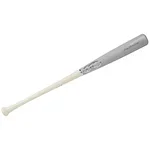 |
Rawlings Big Stick Elite 110 Birch Wood Bat – $69.95 Birch’s blend of flex and hardness (covered below) makes it the more forgiving pick for anyone who isn’t squaring up the sweet spot on every swing.
|
As an Amazon Associate we earn from qualifying purchases.
Hard maple is the densest of the three woods MLB allows — roughly 10-15% denser than ash, with birch landing in between. That extra density is what gives maple its signature hard “crack” and pushes more energy into the ball on a well-struck pitch, which is why maple took over professional baseball in the early 2000s once players felt how firm it was off the barrel.
The tradeoff shows up the moment contact goes wrong. Maple’s stiffness means it has almost no give, so a mishit near the label or the far end of the barrel concentrates all of that stress in one narrow band of grain instead of spreading it out. When a maple bat finally lets go, it usually does so all at once — a full barrel snap rather than a slow crack — which is exactly the failure pattern that pushed MLB to regulate the wood in the first place.
Birch Wood Bats: The Flex That Keeps It Together
Birch sits between ash and maple on both hardness and flexibility, and that middle ground is the whole appeal. Instead of channeling the full shock of an off-center hit straight into the barrel’s structure, birch’s fibers give slightly, which softens the sting through the handle and lowers the odds of a sudden, total failure. When a birch bat does finally wear out, it more often splits along the grain first — you’ll usually see a hairline crack forming before it ever separates into pieces.
Nothing about birch is free, though. Its surface starts out softer than maple’s, so it picks up small compression dents (“cup marks”) faster from repeated contact, and a brand-new birch bat generally needs a real break-in stretch of solid, centered hits before it reaches full performance. A new maple bat, by comparison, is close to peak output right out of the wrapper.
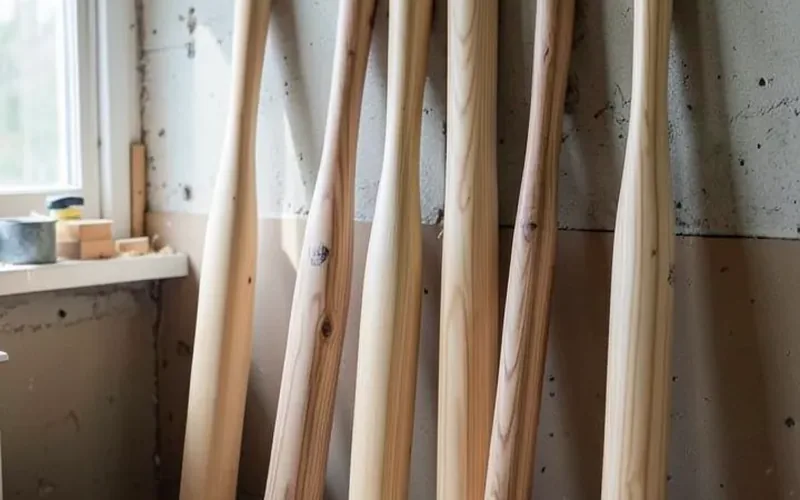
Maple vs Birch: Side-by-Side Comparison
| Property | Maple | Birch |
|---|---|---|
| Relative density | Highest of the three MLB woods | Slightly less dense than maple |
| Feel on contact | Hard “crack,” minimal give | Softer “thwack,” slight flex |
| Break-in needed | Minimal — near peak output new | Some — firms up after consistent hits |
| Failure mode | Sudden, can shatter into fragments | Tends to split gradually before shattering |
| MLB usage share | ~75-80% of hitters | #2 wood, has passed ash |
| Typical price | $55-$130+ for pro-grade bats | $55-$130+, comparable to maple |
MLB’s Slope-of-Grain Rule: The Real Fix for Shattering Bats
Maple’s shattering reputation isn’t just folklore — it’s the reason MLB now regulates the wood at all. Over the final three months of the 2008 season, more than 2,000 bats broke across the league, and 756 of those breaks were classified as multi-piece failures: bats that split into two or more sharp fragments instead of just cracking. Forest Service researchers who studied the wreckage found maple bats were roughly three times more likely than ash to fail that way, and traced the cause to “slope of grain” — how much the wood’s fiber direction wanders off the bat’s own centerline instead of running perfectly straight down the handle.
📊 MLB’s response was a hard number: every maple bat used in a game must now measure under roughly 3 degrees of slope of grain in the handle and taper, checked with an ink-dot test at the factory and spot-checked in the clubhouse. Low-density maple stock was outlawed outright. No equivalent rule exists for birch, because birch’s flex means it doesn’t fail the same fragmenting way maple does. Source: BaseballBats.net, MLB low-density maple regulation history.
The practical takeaway if you’re buying: a modern maple bat from a reputable manufacturer that passes the ink-dot slope-of-grain check is far safer than the bats that caused the 2008 crisis. But the underlying physics hasn’t changed — stiff wood concentrates stress instead of flexing it away — which is exactly why birch stays the more forgiving choice for anyone who doesn’t connect on the barrel’s sweet spot every time.
Caring for Your Wood Bat
- Inspect before every use: rotate the bat under good light and check for hairline cracks near the label and barrel — both woods can hide early fractures under the finish.
- Rotate your contact point: hitting the same spot on the barrel repeatedly, especially with the logo facing the pitcher, wears down maple and birch alike.
- Store it indoors at stable humidity: swings in temperature and moisture stress the wood’s cell structure over time regardless of species.
- Never swing a wood bat at anything but a real baseball or softball: tennis balls, rocks, and fence posts are a leading cause of premature failure in both woods.
- Give a new birch bat a real break-in period: aim for solid, centered contact on the first 200-300 swings instead of trying to overpower pitches right away.
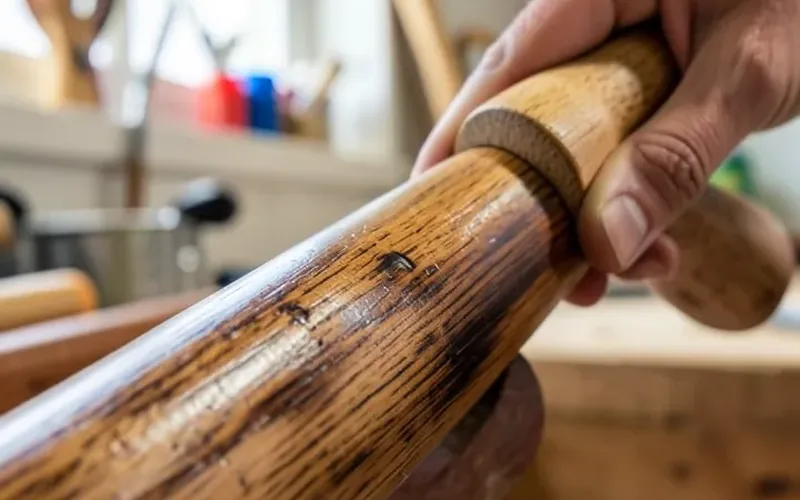
Which Should You Choose?
- Choose maple if: you consistently square up the sweet spot and want maximum pop with almost no break-in period.
- Choose birch if: you’re still developing consistent contact, want a more forgiving miss, or prefer a bat that wears down gradually instead of failing suddenly.
- Either way: buy from a manufacturer whose maple bats pass the current ink-dot slope-of-grain check — that single regulation is the biggest safety factor in play, per the MLB data above.
Our hard maple vs soft maple guide explains why bat makers only turn the hard variety, and our birch wood characteristics guide covers how birch performs outside of bats. If you’re shopping wood bats for league play, our wood bat tournament rules guide covers what other equipment restrictions might apply.
Frequently Asked Questions
Which lasts longer, a birch or maple baseball bat?
Birch typically lasts longer in everyday use because it flexes slightly and tends to split gradually instead of shattering all at once. Maple hits harder and offers more pop, but when it fails, it usually fails completely in one swing. A modern maple bat that passes MLB’s slope-of-grain check is far more durable than the low-density maple that caused problems in the 2000s, but birch still has the edge for players who don’t always connect on the sweet spot.
Why did MLB regulate maple bat density and grain?
In the final three months of the 2008 season, 756 MLB bats broke into multiple pieces on the field, and maple was found to be roughly three times more likely than ash to fail that way. Forest Service research traced the cause to slope of grain — wood fiber that wanders off the bat’s centerline. MLB responded by requiring maple bats to measure under about 3 degrees of slope of grain, verified with an ink-dot test, and by banning low-density maple stock outright.
Is birch or maple better for a beginner?
Birch is generally the better choice for beginners and developing hitters. Its slight flex forgives off-center contact more than maple does, which means fewer broken bats while a player is still learning to consistently find the sweet spot.
Do maple and birch bats cost the same?
Pro-grade maple and birch bats from major manufacturers are usually priced in the same $55-$130+ range for a comparable model tier. Wood species alone isn’t the main price driver — the bat maker, turning model, and finish quality matter more than whether it’s maple or birch.
What percentage of MLB players use maple vs birch?
Maple remains the dominant choice at roughly 75-80% of MLB hitters. Birch has grown enough in recent years to pass ash as the league’s second most-used bat wood, though it’s still well behind maple in overall share.
Conclusion
Maple hits harder and needs almost no break-in, but its stiffness means one bad mishit can end its life in a single swing — which is exactly the failure pattern that led MLB to require every maple bat to pass a slope-of-grain check after 756 bats broke into pieces in three months back in 2008. Birch trades a little of that pop for flex that resists sudden failure and softens off-center hits, which is why it tends to last longer for anyone who doesn’t square up the barrel every time. Whichever wood you choose, buy from a manufacturer meeting current MLB standards — that regulation exists specifically because of how maple used to fail.
Sponsored / affiliate links. As an Amazon Associate I earn from qualifying purchases. I may earn additional commission from eligible campaigns.