Bosch vs DeWalt Table Saw: The Fence and Stand Actually Differ
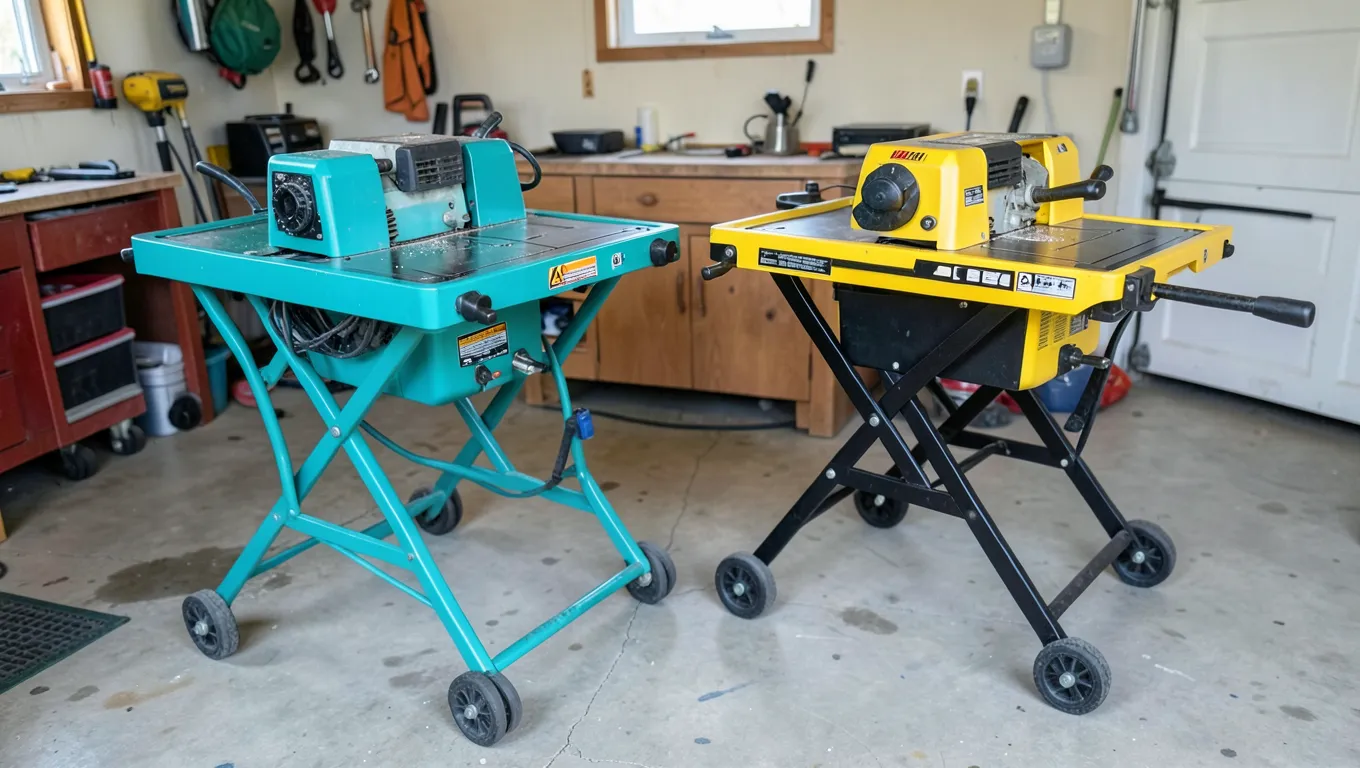
The comparison that actually matters for most buyers is Bosch’s 4100-10 (also sold as the GTS1041A) against DeWalt’s DWE7491RS — the two flagship 10″ jobsite table saws each brand is best known for. The real difference isn’t build quality (both are solid); it’s how each one handles the fence and the stand, which changes how you’ll actually use it day to day.
Below is what actually differs between them, not generic “both brands make quality tools” filler. For the bigger picture beyond table saws, see which brand has the strongest warranty in our woodworking tool brand comparison.
Fence System — the Biggest Real Difference
Widest Rip Capacity Pick
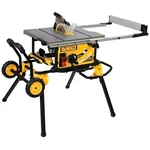 |
DEWALT DWE7491RS 10″ Table Saw – $599.00 The rack-and-pinion fence closed DeWalt’s old gap with Bosch, and the 32-1/2″ rip capacity and 3-year warranty make it the stronger pick if you break down full sheet goods solo.
|
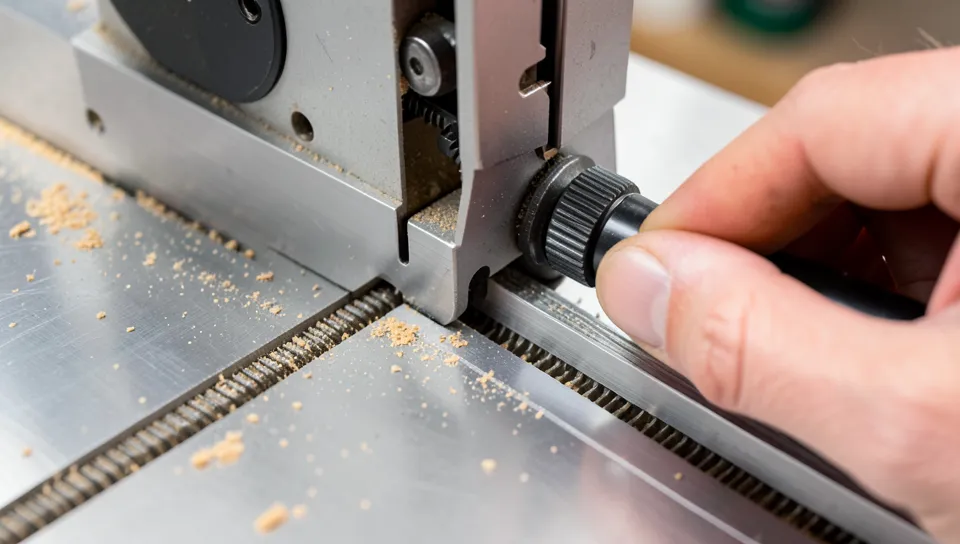
Bosch’s signature feature on the 4100-10 is its rack-and-pinion fence (Bosch calls it the Gravity-Rise system on the stand side, but the fence itself uses a rack-and-pinion rail) — turn the front knob and the fence glides smoothly along a toothed rail, locking square every time with no need to re-check alignment after moving it. DeWalt’s DWE7491RS also uses a rack-and-pinion fence, which is actually the bigger shift in this comparison than most guides mention: for years DeWalt jobsite saws used telescoping rails, and the rack-and-pinion fence on the 7491RS was a genuine upgrade that closed a real gap with Bosch. At this point, both brands’ current flagship jobsite saws use the same fence technology — the older “Bosch has better fence, DeWalt doesn’t” narrative is out of date.
Stand and Portability
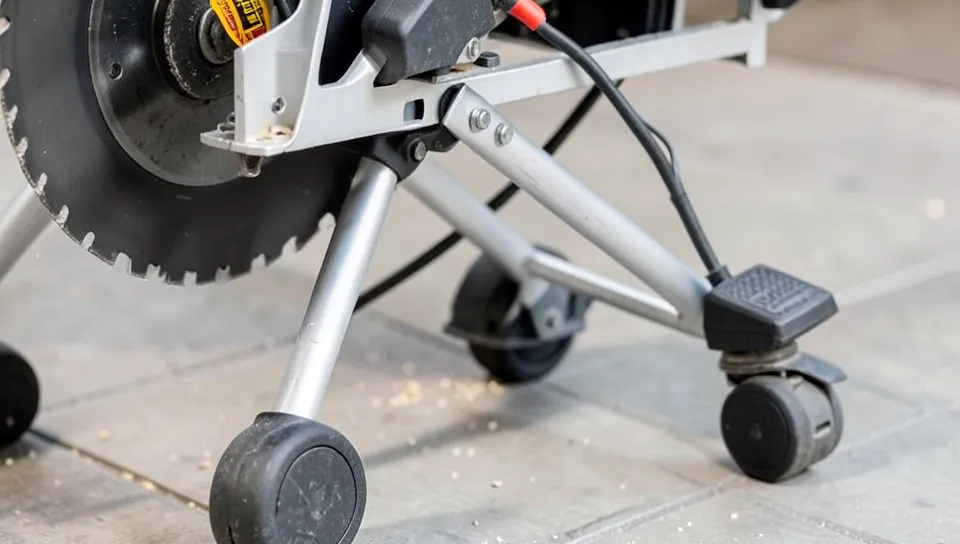
This is where the two saws genuinely diverge. Bosch’s gravity-rise wheeled stand deploys and folds using the saw’s own weight — step on a pedal and the stand’s legs drop and lock, no separate assembly. DeWalt’s rolling stand also folds compactly but uses a different fold-and-latch mechanism rather than a gravity-rise action. Neither is objectively “better” — the Bosch mechanism is often described as faster to deploy solo, while DeWalt’s stand is a proven, simpler design with fewer moving parts to eventually wear out. If you’re moving the saw on and off a truck daily, actually try both mechanisms in person before deciding; this is one case where the spec sheet doesn’t tell the full story.
Rip Capacity and Motor
Both saws run a 15-amp motor and use a 10″ blade, which puts them in the same power class — neither has a meaningful edge cutting through standard 3/4″ hardwood or sheet goods. Rip capacity differs by model and is worth checking against the current listed spec for each, since manufacturers occasionally revise dimensions between production runs; as of their current listings, DeWalt’s rack-and-pinion fence extends further to the right of the blade than Bosch’s, which matters if you regularly break down full 4’x8′ sheets solo without an outfeed table.
Dust Collection and Dado Capability
Bosch has historically had an edge in dust collection on its jobsite saws, with a more enclosed blade guard shroud. DeWalt’s dust port has closed most of that gap on current models but still tends to let more fine dust escape at the blade slot than Bosch’s design. On dado capability: the Bosch 4100-10 accepts a stacked dado set up to 13/16″ wide, which covers the vast majority of standard dado blade sets — always check your specific dado set’s max width against the saw’s throat plate capacity before buying, since exceeding it means you can’t use the stock insert.
Price and Warranty
Street pricing on both saws tends to land in a similar range and shifts with sales, so check current pricing rather than relying on a fixed number here. Warranty coverage differs more meaningfully: DeWalt backs its power tools with a 3-year limited warranty, while Bosch’s standard tool warranty is 1 year (extendable to additional years through their program if you register within a set window after purchase) — this is worth checking directly on each brand’s site since warranty terms and registration windows do change.
Which One to Pick
- Pick the Bosch 4100-10 if you value the gravity-rise stand’s one-motion deploy and slightly better dust collection, and you don’t need maximum rip capacity for full sheet goods.
- Pick the DeWalt DWE7491RS if you want the longer warranty out of the box and the widest rip capacity for breaking down sheet goods solo.
- If both are genuinely close for your use case, let the warranty terms and current sale pricing be the tiebreaker — the core cutting performance is close enough that either will serve most home shops and jobsites well.
Frequently Asked Questions
What Is The Best Brand Of Table Saw?
There’s no single “best” brand — Bosch and DeWalt’s flagship jobsite saws are close enough in core performance that the deciding factors are usually the stand mechanism, warranty length, and price at the time you buy, not raw cutting ability.
Where Are Bosch Table Saws Made?
Bosch is a German company, but like nearly every major power tool brand, its consumer and jobsite tools — including its table saws — are manufactured across its global facilities, primarily in Asia, not in Germany. Check the specific model’s packaging or manual for its country of origin rather than assuming based on the brand’s headquarters.
Does Dewalt Make A Good Table Saw?
Yes. The DWE7491RS in particular is a widely-used jobsite saw known for its rack-and-pinion fence, wide rip capacity, and 3-year warranty, and it’s a legitimate alternative to Bosch’s 4100-10 rather than a lesser option.
Can You Use A Dado Blade On A Bosch 4100 Table Saw?
Yes, the Bosch 4100-10 accepts a stacked dado blade set up to 13/16 inch wide. Confirm your specific dado set’s width against this limit before buying, since a wider stack won’t fit the stock throat plate.
Conclusion
Both flagship saws now use rack-and-pinion fences, which erases what used to be Bosch’s clearest advantage. What’s actually left to decide on is the stand mechanism, rip capacity for sheet goods, and warranty length — pick based on which of those three matters most for how you’ll use the saw.
Sponsored / affiliate links. As an Amazon Associate I earn from qualifying purchases. I may earn additional commission from eligible campaigns.