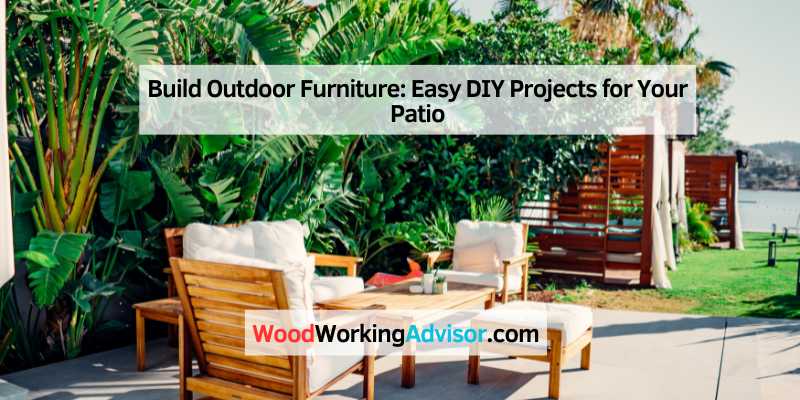
Build Outdoor Furniture: Easy DIY Projects for Your Patio
To build outdoor furniture, you can save money by sourcing affordable materials and utilizing your own labor, resulting in substantial cost savings without compromising on quality. Choosing stable wood that has natural resistance to bugs, rot, checking, and distortion is essential.
Some good options for outdoor furniture include cypress, redwood, cedar, mahogany, teak, and ipe. Hardwoods such as cedar, acacia, eucalyptus, and teak are top-of-the-line and make fine choices for outdoor furniture. By following step-by-step instructions and getting creative, you can build your own outdoor furniture with confidence and save big bucks.
Check out free DIY outdoor furniture plans available online and watch tutorials on YouTube to learn more about the building process.
Introduction To DIY Outdoor Furniture
Welcome to the world of DIY outdoor furniture, where you have the opportunity to create custom pieces that perfectly fit your space and style. Building your own outdoor furniture can be a rewarding and cost-effective endeavor, allowing you to showcase your creativity while enjoying the satisfaction of using furniture that you’ve crafted with your own hands.
Benefits Of Building Your Own
When you build your own outdoor furniture, you have full control over the design, size, and materials, ensuring that it perfectly suits your outdoor space. Additionally, building your own furniture can result in significant cost savings compared to purchasing pre-made pieces. By sourcing affordable materials and utilizing your own labor, you can create high-quality furniture at a fraction of the cost.
Assessing Your Skill Level
Before diving into a DIY outdoor furniture project, it’s important to assess your skill level and choose a project that aligns with your abilities. Whether you’re a seasoned woodworker or a novice DIY enthusiast, there are plenty of outdoor furniture plans available to suit various skill levels. By selecting a project that matches your expertise, you can ensure a successful and enjoyable building experience.
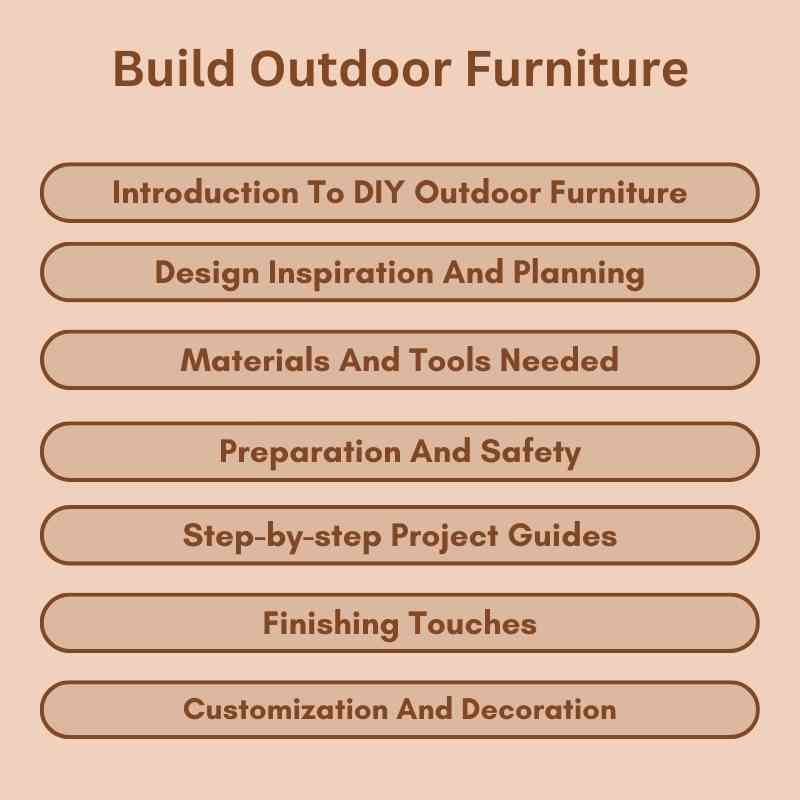
Design Inspiration And Planning
Discover design inspiration and planning tips for building outdoor furniture. Learn about cost-effective DIY options, suitable wood choices, and the advantages of making your own furniture. Explore step-by-step guides and project plans to create custom outdoor pieces for your space.
Selecting The Right Project For Your Space
When it comes to building outdoor furniture, selecting the right project for your space is crucial. Whether you have a small patio or a spacious backyard, choosing the right furniture design will ensure that it fits perfectly and enhances the overall aesthetics of your outdoor area.
Before diving into the project, take some time to assess your space and consider factors such as the size, shape, and layout. This will help you determine the type of furniture that will best suit your needs and make the most of the available space.
Additionally, think about how you intend to use your outdoor furniture. Are you looking to create a cozy seating area for relaxation or a dining space for entertaining guests? Understanding your specific requirements will guide you in selecting the right project that fulfills both form and function.
Gathering Your Design Ideas
Gathering design ideas is an essential part of the planning process when building outdoor furniture. It allows you to explore different styles, materials, and features that can inspire your own unique creation.
Start by browsing through magazines, websites, and social media platforms dedicated to outdoor design and DIY projects. Look for furniture designs that catch your eye and align with your personal taste and outdoor aesthetic.
You can also visit local furniture stores or outdoor living showrooms to get a hands-on experience of different furniture styles and materials. This will help you gain a better understanding of the textures, colors, and finishes that appeal to you.
Creating a mood board or a collection of design inspirations can be a helpful visual reference throughout the planning and building process. This will ensure that you stay focused and maintain a cohesive design direction.
Remember, the key is to gather a variety of design ideas and adapt them to fit your space and personal preferences. This will result in a truly unique and customized outdoor furniture piece that reflects your style and enhances your outdoor living experience.
Materials And Tools Needed
Building outdoor furniture can be a rewarding and cost-effective way to enhance your outdoor living space. Before diving into the project, it’s essential to gather the necessary materials and tools. From choosing the right wood for durability to selecting the essential tools for the job, careful consideration at this stage can lead to a successful and long-lasting outdoor furniture creation.
Choosing The Best Wood For Durability
When it comes to selecting the wood for your outdoor furniture, durability is paramount. The best woods for outdoor furniture are those that can withstand the elements and resist decay. Here are some options to consider:
- Cedar: Known for its natural resistance to insects and decay, making it an excellent choice for outdoor furniture.
- Teak: Renowned for its weather-resistant properties and durability, teak is often used in high-end outdoor furniture.
- Eucalyptus: A sustainable choice that is resistant to rot and decay, making it suitable for outdoor use.
- Acacia: With its natural oils that make it resistant to decay, acacia is a popular choice for outdoor furniture.
Essential Tools For The Job
Equipping yourself with the right tools can streamline the building process and ensure the quality of your outdoor furniture. Here are some essential tools to have on hand:
- Tape Measure: Essential for taking accurate measurements and ensuring precision in your cuts.
- Saw: Whether it’s a circular saw, miter saw, or hand saw, having the right cutting tool is crucial for shaping the wood.
- Drill and Bits: A drill is essential for creating holes and assembling the furniture, while a variety of drill bits will provide versatility.
- Sander: Smooth out rough edges and surfaces with a quality sander for a polished finish.
- Screwdriver Set: A set of screwdrivers will come in handy for securing fasteners during assembly.
- Clamps: Clamps are invaluable for holding pieces together securely during the construction process.
Preparation And Safety
When it comes to building outdoor furniture, preparation and safety should be your top priorities. By taking the necessary steps to prepare your workspace and adhering to safety guidelines, you can ensure a smooth and accident-free project.
Prepping Your Workspace
Before you begin building your outdoor furniture, it’s important to set up a suitable workspace. Here are some steps you can take to prep your area:
- Clean and clear the area: Remove any debris, obstacles, or clutter that may hinder your workspace.
- Choose a well-ventilated area: Ensure that your workspace has proper ventilation to avoid inhaling fumes or dust particles.
- Organize your tools and materials: Keep your tools and materials within reach and neatly organized for easy access.
- Protect your work surface: Lay down a protective covering, such as a tarp or drop cloth, to prevent damage to your work surface.
Safety Guidelines To Follow
When working with power tools and materials, it’s crucial to prioritize safety. Here are some safety guidelines to follow:
- Wear protective gear: Always wear safety goggles, gloves, and a dust mask to protect yourself from potential hazards.
- Use tools correctly: Familiarize yourself with the proper usage of each tool and follow the manufacturer’s instructions.
- Work in a well-lit area: Ensure that your workspace is well-lit to prevent accidents and improve visibility.
- Keep children and pets away: Create a safe zone by keeping children and pets away from the construction area.
- Secure your workpiece: Use clamps or other appropriate methods to secure your workpiece while cutting or drilling.
- Take breaks when needed: Avoid overexertion by taking regular breaks to prevent fatigue and maintain focus.
By following these prepping and safety guidelines, you can create a safe and organized workspace for building your outdoor furniture. Remember to prioritize safety at all times to ensure a successful and injury-free project.
Step-by-step Project Guides
Discover the joy of building your own outdoor furniture with our step-by-step project guides. From patio chairs to storage boxes, our guides provide easy-to-follow instructions to help you create beautiful and cost-effective pieces. Say goodbye to expensive store-bought furniture and hello to personalized creations that save you money without compromising on quality.
Step-by-Step Project Guides are an excellent way to tackle your outdoor furniture DIY project. With clear instructions and helpful tips, you can build your own outdoor furniture with confidence. Here are some step-by-step guides to get you started:
Building An Outdoor Bench
Building an outdoor bench is a great way to add seating to your patio or backyard. With the right tools and materials, you can create a sturdy and stylish bench. Here are some steps to follow when building an outdoor bench:
- Cut your wood to the correct size using a saw.
- Assemble the bench frame using screws and a drill.
- Add slats to the top of the frame to create the seat.
- Sand the bench to remove rough edges and splinters.
- Apply a protective finish to the wood to protect it from the elements.
Creating A Patio Table
A patio table is an essential piece of outdoor furniture for entertaining guests or enjoying a family meal. With a few simple steps, you can create a beautiful and functional patio table. Here are some steps to follow when creating a patio table:
- Cut your wood to the correct size using a saw.
- Assemble the table frame using screws and a drill.
- Add slats to the top of the frame to create the table surface.
- Sand the table to remove rough edges and splinters.
- Apply a protective finish to the wood to protect it from the elements.
DIY Outdoor Seating Solutions
In addition to benches and tables, there are many other DIY outdoor seating solutions you can create. From Adirondack chairs to outdoor sofas, the possibilities are endless. When building outdoor seating solutions, consider using materials that are suitable for outdoor use, such as cedar or teak. Follow the same basic steps for building an outdoor bench or table and adapt them to fit your specific project. With a little creativity and some basic DIY skills, you can create custom outdoor furniture that fits your style and budget.
Finishing Touches
When it comes to building outdoor furniture, don’t forget the finishing touches. Adding a coat of outdoor wood finish can protect your furniture from the elements and give it a polished look. Choose the best wood for outdoor furniture, such as cedar or teak, and save money by building it yourself.
When it comes to building outdoor furniture, the finishing touches are just as important as the design and construction. Outdoor furniture is exposed to the elements, making it necessary to apply protective coatings to ensure its longevity. In this section, we will cover the important aspects of finishing your outdoor furniture, including selecting outdoor-friendly finishes and applying protective coatings.
Selecting Outdoor-friendly Finishes
When selecting finishes for your outdoor furniture, it’s important to choose products that can withstand exposure to the elements. Look for finishes that are specifically designed for outdoor use, such as marine-grade varnishes and paints. These products are formulated to resist moisture, mildew, and UV rays, which can cause fading and discoloration over time. Additionally, consider using natural finishes such as oils and waxes, which can help protect the wood while preserving its natural beauty.
Applying Protective Coatings
Once you’ve selected the appropriate finish for your outdoor furniture, it’s time to apply a protective coating. Begin by ensuring that the surface is clean and dry. If necessary, sand the wood to remove any rough spots or imperfections. Apply the finish in thin, even coats using a brush or roller, following the manufacturer’s instructions for drying time and re-coating. Be sure to apply the finish to all surfaces, including the underside of the furniture, to ensure complete protection.
To ensure your outdoor furniture stays protected, it’s important to reapply the finish periodically. How often you need to reapply will depend on the specific product you’ve used and the amount of exposure your furniture receives. Keep an eye out for signs of wear and tear, such as fading or cracking, and touch up as necessary. With the right finish and proper maintenance, your outdoor furniture will stay looking great for years to come.
In conclusion, finishing your outdoor furniture is a crucial step in the building process. By selecting outdoor-friendly finishes and applying protective coatings, you can help ensure that your furniture stays looking great and lasts for years to come. Remember to follow the manufacturer’s instructions for best results, and to reapply the finish periodically to keep your furniture protected.
Customization And Decoration
When it comes to building outdoor furniture, customization and decoration play a crucial role in creating a unique and personalized space. Adding your personal flair to the furniture not only enhances its visual appeal but also allows you to create a comfortable and inviting outdoor oasis. In this section, we will explore two key aspects of customization and decoration: Adding Personal Flair with Paint and Stain, and Cushions and Upholstery for Comfort.
Adding Personal Flair With Paint And Stain
Paint and stain are powerful tools that can transform plain outdoor furniture into eye-catching pieces that reflect your personal style. Whether you prefer vibrant colors or a more natural look, the right paint or stain can make all the difference. Here are a few key points to consider:
- Color Selection: Choose colors that complement your outdoor space and create the desired ambiance. Bold and bright colors can add a playful touch, while neutral tones can create a serene and elegant atmosphere.
- Finishes: Experiment with different finishes such as matte, glossy, or distressed to achieve the desired effect. Each finish has its own unique charm and can add depth and character to the furniture.
- Protection: Opt for paints and stains that provide protection against weather elements, such as UV rays and moisture. This will ensure that your furniture stays vibrant and lasts longer.
By carefully selecting the paint or stain and applying it with precision, you can customize your outdoor furniture to match your personal taste and create a stunning visual impact.
Cushions And Upholstery For Comfort
While the aesthetic aspect of outdoor furniture is important, comfort should not be overlooked. Cushions and upholstery can greatly enhance the comfort level of your outdoor seating. Here are a few considerations:
- Material Selection: Choose fabrics that are specifically designed for outdoor use, such as weather-resistant and easy-to-clean materials. This will ensure that your cushions and upholstery withstand the elements and remain comfortable for extended periods.
- Thickness and Support: Select cushions with the right thickness and support to provide optimal comfort. Consider the intended use of the furniture and the preferences of those who will be using it.
- Style and Design: Use cushions and upholstery to add a touch of personality to your outdoor furniture. Experiment with different patterns, colors, and textures to create a cohesive and inviting look.
By investing in high-quality cushions and upholstery, you can create a comfortable and inviting outdoor space where you can relax and unwind.
Maintenance And Care
Proper maintenance and care are essential to ensure that your outdoor furniture remains in top condition for years to come. By following some simple seasonal care and long-term preservation tips, you can protect your investment and enjoy your outdoor furniture to the fullest.
Seasonal Care For Outdoor Furniture
It’s important to perform seasonal maintenance on your outdoor furniture to protect it from the elements. Here are some key tips to keep in mind:
- Regularly clean the furniture using a mild soap and water solution to remove dirt and debris.
- Inspect for any signs of wear and tear, such as rust or chipping paint, and address these issues promptly.
- Apply a protective sealant or coating as needed to shield the furniture from moisture and UV exposure.
- Store cushions and fabric materials in a dry, covered area during inclement weather to prevent mold and mildew growth.
Long-term Preservation Tips
For long-term preservation of your outdoor furniture, consider the following strategies:
- Regularly apply a fresh coat of sealant or protective finish to maintain the wood’s integrity and color.
- Store furniture in a covered area or use protective covers during the off-season to shield it from harsh weather conditions.
- Inspect and tighten any loose bolts or hardware to prevent structural issues and ensure safety.
- Consider investing in quality, weather-resistant materials that are designed to withstand outdoor exposure for extended periods.
Cost Analysis And Savings
When it comes to building outdoor furniture, one of the main advantages is the potential cost savings compared to buying pre-made pieces from a store. Not only can building your own furniture be a rewarding DIY project, but it can also help you save a significant amount of money. By sourcing affordable materials and utilizing your own labor, you can create high-quality outdoor furniture without breaking the bank.
Budgeting For Your DIY Project
Before diving into your outdoor furniture project, it’s important to establish a budget. Determining how much you’re willing to spend will help guide your material choices and design decisions. Take into consideration the size and complexity of the furniture you plan to build, as well as any additional tools or supplies you may need.
Creating a budget will not only help you stay on track financially, but it will also ensure that you make cost-effective choices throughout the construction process. By setting a realistic budget, you can maximize your savings and still achieve the desired outcome for your outdoor space.
Comparing DIY Vs. Store-bought
When comparing the cost of building your own outdoor furniture to buying pre-made options from a store, the savings can be quite significant. Store-bought outdoor furniture often comes with a premium price tag, especially for high-quality pieces made from top-of-the-line hardwoods.
By opting for a DIY approach, you have the opportunity to save money on both materials and labor costs. You can source affordable materials, such as cypress, redwood, or cedar, which have natural moisture-wicking properties and make fine choices for outdoor furniture. Additionally, you can utilize your own labor to assemble and finish the furniture, eliminating the need to pay for professional installation.
Furthermore, building your own outdoor furniture allows you to customize the design to fit your specific needs and preferences. You have the freedom to choose the dimensions, style, and finishes that align with your outdoor space, ensuring a personalized and unique result.
Overall, the cost savings of building your own outdoor furniture can be substantial. By budgeting effectively, comparing prices, and putting in the effort to construct the furniture yourself, you can create a beautiful and functional outdoor space while keeping your expenses in check.
Additional Resources And Plans
When it comes to building outdoor furniture, having access to additional resources and plans can make the process easier and more enjoyable. Whether you’re a seasoned DIY enthusiast or a beginner looking to embark on a new project, the availability of free project plans and community forums can provide valuable guidance and inspiration.
Where To Find Free Project Plans
If you’re on the lookout for free project plans for building outdoor furniture, there are several online platforms that offer a wide range of designs and blueprints. Websites such as Ana White and DIY Network provide a plethora of free plans for various outdoor furniture pieces, including chairs, tables, benches, and more. These plans often come with detailed instructions, material lists, and cutting diagrams, making it easier for DIY enthusiasts to embark on their projects with confidence.
Community Forums For DIY Enthusiasts
Engaging with a community of like-minded individuals can be incredibly beneficial when undertaking a DIY project. Community forums dedicated to woodworking and furniture building allow DIY enthusiasts to seek advice, share their own experiences, and learn from others. Platforms like Woodworking Talk and The Family Handyman forum provide valuable insights, tips, and troubleshooting solutions for individuals at every skill level. Engaging with these communities can not only provide support and guidance but also foster a sense of camaraderie among DIY enthusiasts.

Frequently Asked Questions
Is It Cheaper To Make Your Own Patio Furniture?
Cost savings: Building your own patio furniture can be cheaper than buying pre-made furniture, especially for high-quality pieces. You can save money by sourcing affordable materials and utilizing your own labor without compromising on quality. However, it’s important to choose stable wood that has natural resistance to bugs, rot, checking, and distortion, such as cedar, redwood, or teak, for outdoor furniture.
What Type Of Wood Should Be Used For Outdoor Furniture?
The best wood for outdoor furniture is typically hardwoods such as cedar, acacia, eucalyptus, and teak. These woods are durable and have natural moisture-wicking properties. Softwoods like cypress, redwood, and cedar are also good options. Building your own outdoor furniture can save money without compromising quality.
Regular lumber can be used, but it’s important to choose stable wood that is resistant to bugs, rot, and distortion.
Is It More Expensive To Build Your Own Furniture?
Building your own furniture can save money by cutting labor costs and using affordable materials.
Can I Use Regular Lumber For Outdoor Furniture?
Yes, you can use stable wood like cedar, redwood, or teak for outdoor furniture. These woods naturally resist bugs, rot, and checking, making them suitable for outdoor use.
Conclusion
Building your own outdoor furniture can be a cost-effective and rewarding project. By sourcing affordable materials and utilizing your own labor, you can save a significant amount of money without compromising on quality. Choosing the right type of wood, such as cedar, acacia, eucalyptus, or teak, ensures durability and longevity for your furniture.
Whether you follow DIY tutorials or use free project plans, building your own outdoor furniture allows you to customize and create a patio space that you and your family will love. So why not embark on this DIY adventure and enjoy the satisfaction of creating your own unique outdoor oasis?