What Tools Did Sam Maloof Use? Full Shop and Hand Tool List
Sam Maloof’s shop held two table saws, an 18-inch planer, two jointers, and three lathes — but his signature rocker arms were shaped almost entirely by hand, with three graduated Nicholson rasps and a Stanley Surform he modified himself. Skip a step in that rasp sequence and you tear the grain instead of smoothing it. This guide covers his actual machine list, the specific hand tools behind the shaping, and where to buy modern equivalents today.
Insert your Affiliate Disclosure reusable block here
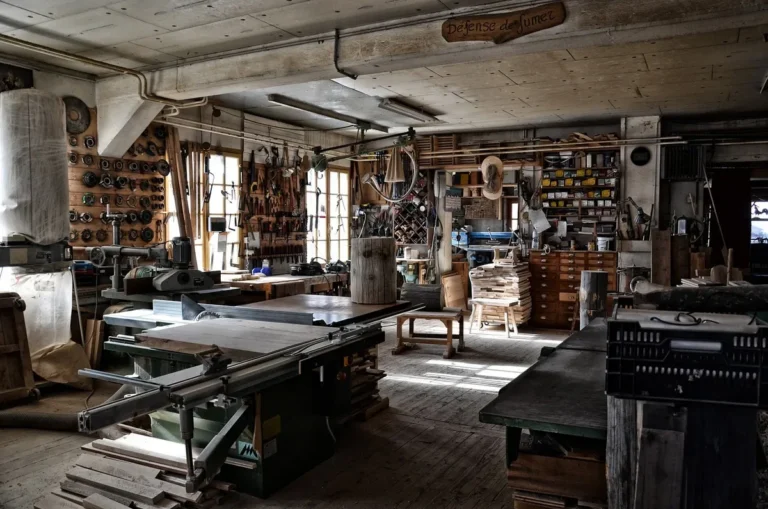
Sam Maloof’s Shop Machines
Best Rasp Set Pick
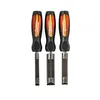
Nicholson 3-Pc Combination Rasp Set
The closest modern match to the graduated rasp progression Maloof used to take a chair arm from rough-cut to nearly finished by hand.
- Best for: shaping curved chair arms and seats from rough stock
- Why we picked it: same Nicholson brand Maloof’s own rasps came from, in a starter-friendly 3-piece set
- Main drawback: coarser than Maloof’s actual 3-rasp progression, so final passes still need hand-sanding
Compare more Maloof-style shaping tools
 Option 1 Surform Shaver Tool
|
 Option 2 JORGENSEN No.59F Spokeshave
|
 Option 3 Nicholson File and Rasp Cleaner
|
As an Amazon Associate we earn from qualifying purchases.
Maloof’s shop was built around standard mid-century cabinet-shop machinery: two table saws, an 18-inch planer, two jointers (a 16-inch and an 8-inch), a 20-inch sanding machine, two disc sanders, and three lathes. A bandsaw handled the freehand cutting — Maloof roughed out organic chair-arm shapes by eye at the bandsaw rather than working from a template.
His router use was unusual for the era: he ran it one-handed to sculpt joints freehand, the same way most woodworkers today only use a router with a fence or jig. That freehand control is what let him carve the interlocking rail-and-seat joint that furniture historians now call the Maloof joint — you can see the full build sequence for that joint in our Sam Maloof joinery guide.
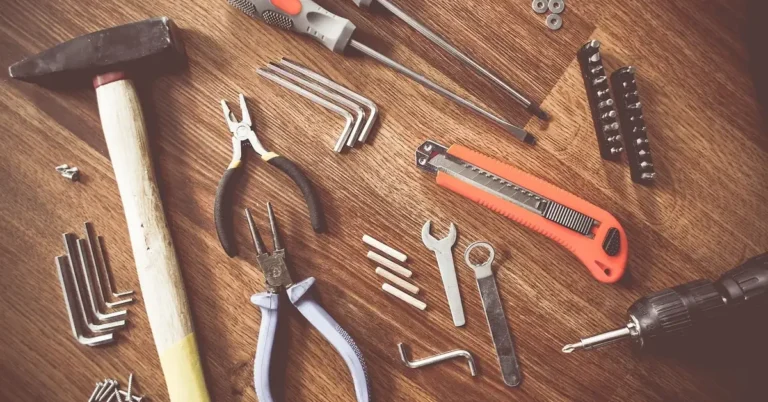
The Hand Tools Behind the Sculpted Arms
The machines got a chair arm to rough shape. Everything after that was done by hand. Maloof typically worked through three Nicholson rasps in sequence — starting coarse with a No. 11, moving to a No. 48, and finishing with a fine No. 1 — using both the flat and rounded sides depending on the contour he was smoothing.
According to Fine Woodworking’s account of his shop practice, Maloof also used a Stanley Surform Shaver (model No. 295) on roughed-out arms — a tool that removes wood fast without worrying about grain direction, similar to a spokeshave. He cut the factory handle off so he could hold it closer to the work and feel what the blade was doing. In his earlier furniture, before he leaned this heavily on rasps, he shaped chair arms with a drawknife, a spokeshave, and a rasp.
We cover the exact rasp-by-rasp sequence and the full coopered-seat shaping process step by step in our Sam Maloof wood shaping techniques guide — this page focuses on the tool list itself, not the shaping sequence.
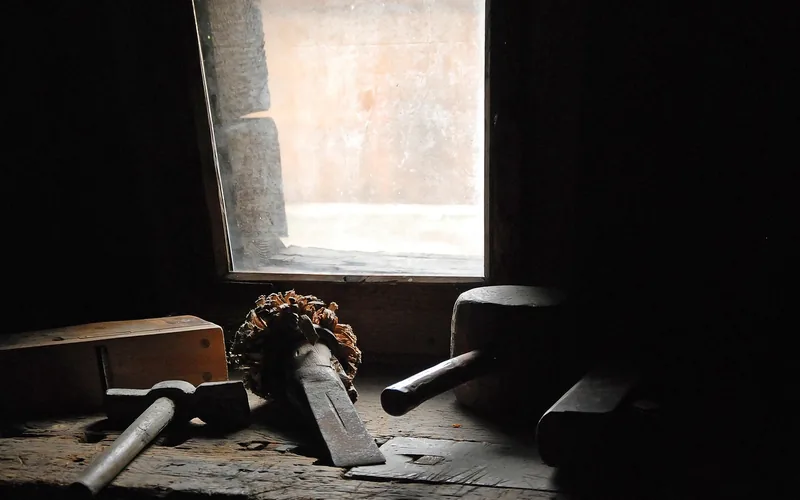
Modern Equivalents You Can Buy Today
You don’t need a 1960s tool cabinet to shape a chair arm the way Maloof did. The Nicholson rasp numbers he used are still in production, the Stanley Surform is barely changed from the model he modified, and a decent spokeshave covers the earlier drawknife-and-spokeshave stage of his process.
Joinery and Chisel Work
Maloof relied on mortise-and-tenon joints for structural strength and dovetail joints where the joint itself became part of the design. Chisels, hand saws, and bench planes handled the fitting work that the router and table saw couldn’t finish cleanly. For the specific joint sequence he’s best known for, see our dedicated joinery breakdown.
Keeping Rasps and Blades Working Like Maloof’s
- Clear packed sawdust out of rasp teeth with a file card after every session — clogged teeth stop cutting and start burnishing the wood instead.
- Store rasps and files separately, teeth not touching other steel, so the teeth don’t dull against each other in a drawer.
- Wipe bare-steel rasps and Surform blades with a light coat of oil before long storage; shop humidity rusts uncoated teeth fast.
- Replace a spokeshave or Surform blade once it stops taking a continuous shaving and starts tearing — a dull blade forces more pressure, which is when grain tear-out happens.
Safety When Shaping Curved Furniture by Hand
- Rasps and Surforms have exposed, aggressive teeth — keep your off-hand behind the cutting edge, never in front of it.
- Clamp the workpiece or brace it against a bench stop; a curved chair part that shifts mid-stroke is how most rasp-related cuts happen.
- Wear a dust mask when sanding after shaping — hand-sanding a full chair seat generates far more fine dust than most people expect.
- Keep the router unplugged whenever you’re changing bits for freehand joint work, not just switched off.
Frequently Asked Questions
What tools did Sam Maloof use to build his furniture?
Maloof built furniture with a mix of shop machines and hand tools: two table saws, an 18-inch planer, two jointers (16-inch and 8-inch), a 20-inch sanding machine, two disc sanders, three lathes, and a bandsaw for freehand cutting. For the final shaping, he set the machines aside and worked chair arms and seats by hand with rasps, a modified Stanley Surform, and files.
Did Sam Maloof rely on machines or hand tools?
Both, at different stages. Machines did the rough milling, joinery cuts, and bulk stock removal. Once a chair arm or seat was roughed out on the bandsaw, Maloof switched entirely to hand tools — rasps, a Surform, and sandpaper — because a spinning machine cutter can’t follow a compound curve the way a hand-guided rasp can.
Are Sam Maloof’s exact tools still available today?
The Nicholson rasp numbers he favored (No. 11, No. 48, and No. 1) are still manufactured, and the Stanley Surform Shaver he modified is still sold today, largely unchanged. His shop machines were standard mid-century cabinet-shop equipment — no longer made in those exact models, but directly comparable to any current 16-inch jointer or cabinet-grade table saw.
What would it cost to build a starter version of his hand-tool kit?
A close starter kit runs under $100: a 3-piece Nicholson combination rasp set (about $24), a Surform shaver (about $9), a spokeshave for the earlier-stage curves (about $42), and a file card to keep the rasp teeth clear (about $15). That covers the hand-shaping side; the machine side depends entirely on what shop equipment you already own.
What was in Sam Maloof’s tool cabinet?
Alongside his rasps and files, his tool cabinet was stocked with routers — which he used one-handed to sculpt joints freehand, not just to cut straight grooves. Chisels, hand saws, and planes rounded out the cabinet for joinery work like his mortise-and-tenon and dovetail joints.
Conclusion
Sam Maloof’s shop proves that big machines and fine hand work aren’t opposites — his table saws and jointers did the heavy milling, and a $9 Surform and a set of Nicholson rasps did the shaping that actually defines his furniture. Start with the rasp set and Surform above, add a spokeshave once you’re comfortable, and use our shaping techniques guide for the step-by-step sequence.
Sponsored / affiliate links. As an Amazon Associate I earn from qualifying purchases. I may earn additional commission from eligible campaigns.