Callery Pear Vs Dogwood: Which Tree Is Right For Your Yard?
Choosing between a Callery Pear and a Dogwood involves understanding their unique traits. This guide breaks down their growth, care, and environmental impact to help you make the best decision for your garden. Both offer spring beauty, but one is often a better long-term choice.
Callery Pear vs. Dogwood: Understanding the Basics
When you think of spring blooms, trees often come to mind. Two trees that bloom around the same time are the Callery Pear and the Dogwood. They offer pretty white flowers.
They also have nice fall colors. But there are big differences. One tree has caused quite a stir.
The other is a classic favorite.
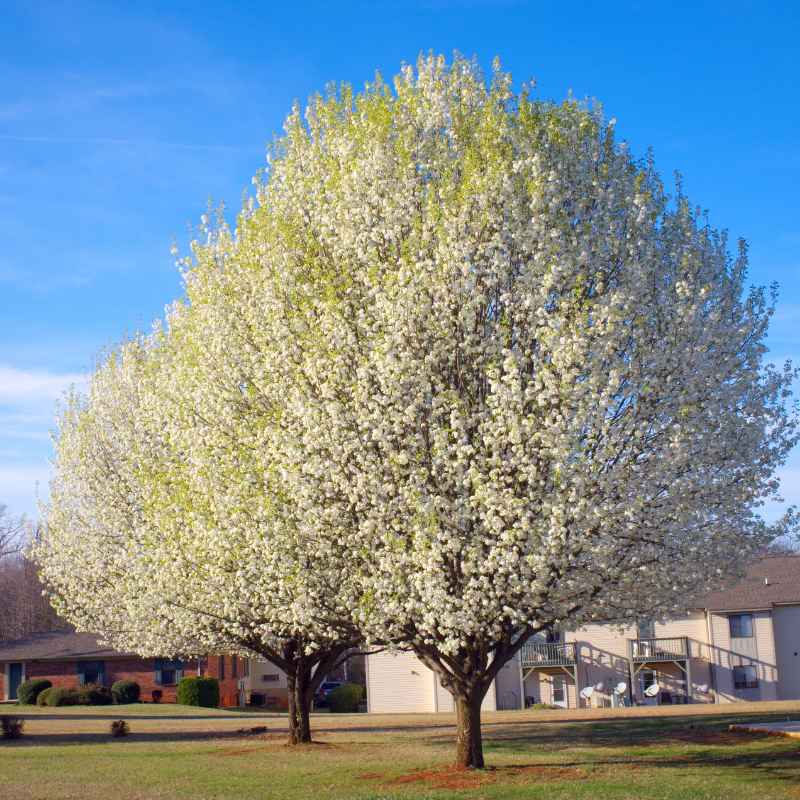
The Callery Pear, often called the Bradford Pear, was once very popular. It was praised for its fast growth. It also had a nice shape and bright white flowers.
Many people planted them. They thought they were low-maintenance and pretty. However, over time, problems became clear.
The Dogwood tree is a different story. It’s a native American tree. It has a longer history in many landscapes.
Dogwoods are known for their elegant shape. They have beautiful, unique flowers. They also support local wildlife.
There are many types of Dogwoods. This means you can find one for almost any yard.
So, while both trees bloom in spring, their stories are quite different. One has a troubled reputation. The other is a reliable beauty.
Understanding these core differences is the first step. It helps you see which tree might be a better fit for your home. It’s about more than just pretty flowers.
It’s about how the tree grows and impacts your environment.
My Own Tree Tale: A Bradford Pear Surprise
I remember when my parents first bought our house. The yard was mostly a blank slate. The previous owners had planted a few things.
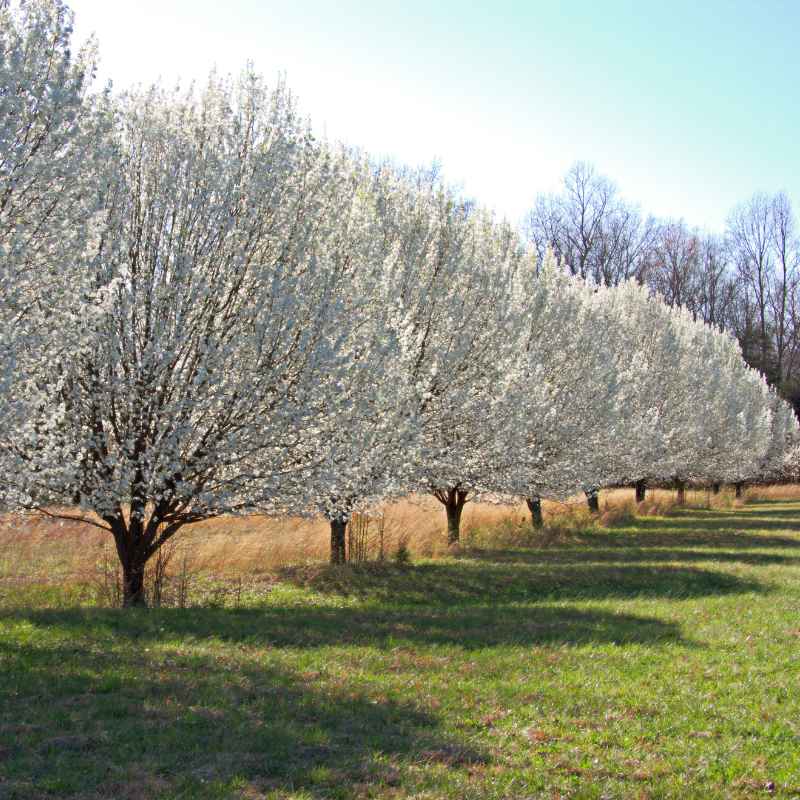
One was a small, upright tree with delicate white flowers. It was still young. We loved it.
Every spring, it exploded with blooms. It smelled sweet, too. We didn’t know what it was.
We just knew it was lovely.
As the years went by, that tree grew. And it grew. And it grew.
It became quite large. But then, a problem started. It seemed to break very easily.
Every strong windstorm meant losing a branch. Sometimes, large limbs would just snap off. It looked messy.
We were always worried about it falling on the car or the house. It made me feel a bit uneasy.
Then, one day, I was reading an article about invasive plants. And there it was: the Bradford Pear. The article explained how these trees spread everywhere.
They choked out native plants. They also had weak wood that broke easily. I felt a bit tricked.
This tree that I thought was a gift was actually causing problems. That’s when I started looking into other options. I wanted a tree that was beautiful and also good for my yard.
I wanted a tree that didn’t break apart. I learned about Dogwoods then. It was like a light bulb went off.
Callery Pear: The Rise and Fall of a Popular Tree
The Callery Pear tree (Pyrus calleryana) became incredibly popular for many reasons. Its story is a good example of how a well-intentioned planting can have unintended consequences. It’s important to know its history to understand why many people now avoid it.
Initially, the Callery Pear was brought to the U.S. from Asia. It was seen as a solution to a problem.
Chinese elms were susceptible to Dutch elm disease. Pears were also getting a disease called fire blight. So, scientists looked for a pear tree that was resistant to fire blight.
The Callery Pear fit the bill. It was tough.
Its early success was due to several traits:
- Disease Resistance: It didn’t get fire blight. This was a big deal for pear growers.
- Adaptability: It could grow in many different soil types. It didn’t need perfect conditions.
- Fast Growth: It shot up quickly. People liked seeing a mature-looking tree soon.
- Uniform Shape: Many varieties, like the Bradford Pear, grew in a neat, oval shape. This made them look good in formal plantings.
- Beautiful Spring Flowers: Those frothy white flowers in early spring were a major draw. They appeared before the leaves, making a big impact.
These qualities made it a favorite for landscaping and street trees. Nurseries sold millions of them. They were seen as a low-maintenance, attractive option for any yard.
But the story took a turn. Scientists realized that the Callery Pear had a major flaw. While individual trees were often sterile or only produced a few fertile seeds, when different varieties of Callery Pear were planted near each other, they could cross-pollinate.
This created fertile seeds. Birds ate these seeds. They spread them far and wide.
This led to the Callery Pear becoming an invasive species in many parts of the United States. It outcompeted native plants. It took over fields, forests, and roadsides.
It produced sharp thorns that made areas difficult to navigate. The wood of many Callery Pear varieties is also quite weak. They often break in storms, causing damage and becoming a hazard.
Today, many states and organizations have listed the Callery Pear as a noxious weed or invasive plant. Planting them is discouraged or even banned in some areas. This shift from a beloved landscape tree to a problematic invader is a key part of its story.
Callery Pear: Key Traits & Issues
Pros:
- Fast-growing.
- Showy white spring flowers.
- Tolerant of many conditions.
- Resistant to fire blight.
Cons:
- Invasive in many areas.
- Produces thorny, aggressive seedlings.
- Weak wood breaks easily.
- Flowers can have an unpleasant fishy smell to some.
- Often requires removal due to invasiveness.
Dogwood Trees: A Native Treasure
Dogwood trees (Cornus florida and related species) are iconic in North American landscapes. They have a long history and are treasured for their beauty and ecological value. Unlike the Callery Pear, Dogwoods are native.
This means they have evolved alongside local wildlife and plant communities.
The most common Dogwood in the eastern U.S. is the Flowering Dogwood (Cornus florida). It’s a small to medium-sized understory tree.
This means it naturally grows beneath taller forest trees. This gives it a graceful, spreading habit.
Here’s what makes Dogwoods special:
- Stunning Flowers: The true flowers are small and greenish. What we often see as petals are actually large, colorful bracts. These come in white, pink, or deep red. They bloom in spring, usually a bit later than Callery Pears.
- Beautiful Shape: Dogwoods have a natural tiered or horizontal branching pattern. This creates an elegant, layered look. They are beautiful in winter too, with their distinctive form.
- Wonderful Fall Color: Their leaves turn vibrant shades of red, purple, and yellow in the fall. This adds another season of beauty to the yard.
- Berries for Wildlife: In the fall, Dogwoods produce small clusters of red berries. These are a vital food source for birds, including robins, bluebirds, and cedar waxwings.
- Support for Ecosystems: As native plants, Dogwoods provide habitat and food for many insects, birds, and other animals. They are a keystone species in many forests.
- Variety: Besides Cornus florida, there are other native Dogwoods. The Kousa Dogwood (Cornus kousa) is a popular Asian species often recommended as a more disease-resistant alternative to Cornus florida. It has star-shaped flowers and edible fruit.
Dogwoods do have a few challenges. They can be susceptible to a fungal disease called Dogwood Anthracnose. However, newer cultivars and the Kousa Dogwood are often more resistant.
They also prefer well-drained soil and some shade, especially in hotter climates. They don’t tolerate drought or waterlogged soil well.
Despite these needs, the Dogwood is a beloved tree. Its beauty, ecological benefits, and manageable size make it a superior choice for most landscapes. It offers beauty without the invasive tendencies or structural weaknesses of the Callery Pear.
Dogwood: A Native Favorite
Pros:
- Beautiful, distinctive flowers (bracts).
- Elegant, layered branching structure.
- Vibrant fall foliage color.
- Provides food for birds and wildlife.
- Native to North America; supports local ecosystems.
- Many beautiful cultivars available.
Cons:
- Can be susceptible to Dogwood Anthracnose.
- Prefers well-drained soil.
- Needs some protection from harsh sun and wind.
- Slower growing than Callery Pear.
Comparing Bloom Times and Appearance
One of the first things people notice about trees is their flowers. Both Callery Pear and Dogwood offer a spectacular spring show. But there are subtle differences.
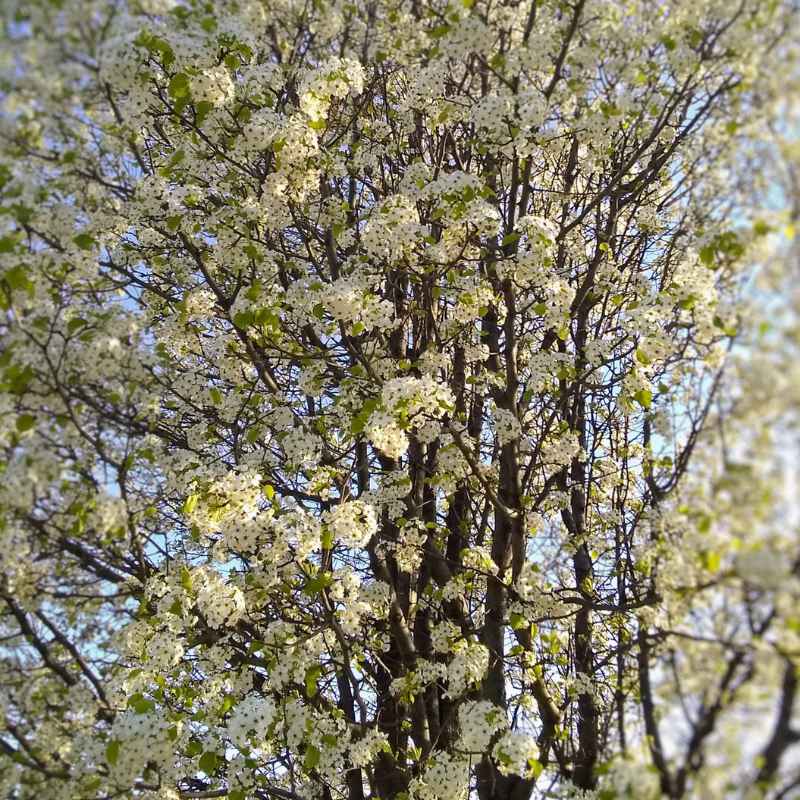
Callery Pears usually bloom very early in spring. They often start flowering before many other trees or plants. Their flowers are small, five-petaled, and pure white.
They appear in dense clusters. The sheer number of flowers can make the whole tree look like a white cloud. This early bloom is a major attraction.
It signals the end of winter.
The Flowering Dogwood’s bloom follows shortly after. Its “flowers” are actually four large, petal-like bracts. These surround a small cluster of true flowers.
The bracts are often described as looking like delicate white or pink petals. They have a notch at the tip, which is a classic Dogwood feature. They appear a little later than the pear’s blooms.
The appearance of the trees also differs. Callery Pears, especially the older Bradford types, grow in a naturally upright, oval shape. They look very symmetrical.
This can be appealing for formal landscapes. However, this tight growth pattern contributes to their weak branching. Many branches grow at narrow angles.
Dogwoods have a more natural, spreading form. Their branches tend to grow in horizontal layers. This gives them a softer, more organic look.
They are often described as elegant or graceful. This form makes them ideal for a more natural garden setting.
Flower Focus: Pear vs. Dogwood
Callery Pear:
- Bloom Time: Very early spring.
- Flower Type: Small white flowers in dense clusters.
- Effect: Tree covered in white.
- Shape: Upright, oval, symmetrical.
Dogwood (Flowering):
- Bloom Time: Mid-spring.
- Flower Type: Large white or pink bracts with a notched tip.
- Effect: Delicate, star-like blooms.
- Shape: Spreading, horizontal branching, layered.
Pest and Disease Resistance: A Tale of Two Trees
When choosing a tree, thinking about pests and diseases is smart. Nobody wants a tree that’s constantly sick or infested. The Callery Pear and Dogwood have very different track records here.
As mentioned, Callery Pears were originally chosen for their resistance to fire blight. This is a serious bacterial disease that affects fruit trees. So, in that regard, they are strong.
However, their resistance to other problems is not as robust. Their biggest issue is their weak wood. This makes them prone to storm damage.
They can also be affected by certain borers and leaf spots.
The main problem with Callery Pears isn’t really disease. It’s their invasive nature. Once they start spreading, they are hard to control.
Their seedlings can be very thorny. This makes them a nuisance.
Dogwoods, on the other hand, have a different set of challenges. The most well-known disease is Dogwood Anthracnose (Discula destructiva). This fungal disease can cause leaf spots, twig dieback, and eventually kill the tree.
It was particularly devastating to native Cornus florida populations in the 1990s. It thrives in wet, humid conditions.
However, there’s good news. Many newer cultivars of Cornus florida have been bred for better resistance to anthracnose. Even better, the Kousa Dogwood (Cornus kousa) is highly resistant to this disease.
It’s also resistant to powdery mildew, which can sometimes affect other Dogwoods.
For general vigor and pest resistance, Dogwoods, especially resistant varieties or Kousa Dogwoods, are often considered more reliable. They are less prone to structural failure than Callery Pears. While they can get diseases, these are often manageable with the right choice of cultivar and good care.
Health Check: Pear vs. Dogwood
Callery Pear:
- Resistant to fire blight.
- Prone to structural failure (weak branches).
- Can be affected by borers and leaf spots.
- Primary “pest” is its invasive nature and thorny seedlings.
Dogwood:
- Can be susceptible to Dogwood Anthracnose (Discula destructiva).
- Susceptible to powdery mildew in some cases.
- Newer cultivars and Kousa Dogwoods show improved disease resistance.
- Generally more structurally sound than Callery Pears.
Environmental Impact: Native vs. Invasive
This is perhaps the biggest deciding factor for many people today. The environmental impact of a tree is crucial. And here, the difference is stark.
The Callery Pear is classified as an invasive species in many parts of the U.S. What does this mean?
- Outcompetes Native Plants: Callery Pear seedlings spread rapidly. They can grow in fields, forests, and disturbed areas. They form dense thickets. These thickets shade out and prevent native wildflowers and shrubs from growing.
- Reduces Biodiversity: When native plants are crowded out, the animals that depend on them for food and shelter also suffer. This leads to a decrease in local wildlife diversity.
- Thorns and Hazards: Many Callery Pears, especially their seedlings, are very thorny. These thorns can make areas difficult for people and animals to pass through.
- Cost of Removal: In areas where they are invasive, removing Callery Pears can be expensive and difficult. They can resprout from roots.
It’s a shame because the tree was introduced with good intentions. But its aggressive growth and seed production made it a significant environmental problem.
Dogwoods, being native to North America, do the opposite. They support the local environment.
- Habitat and Food for Wildlife: Dogwood berries are a favorite food for many songbirds. The trees also provide shelter. Many native insects rely on Dogwoods as a host plant. This creates a food web that supports more wildlife.
- Supports Pollinators: While not the primary pollinators for Dogwoods, bees and other insects visit them.
- Healthy Ecosystems: Native plants like Dogwoods are the foundation of healthy local ecosystems. They have co-evolved with other native species.
- No Invasive Tendencies: Dogwoods grow at a more moderate pace. They don’t aggressively take over natural areas.
Choosing a Dogwood is choosing to enhance your local environment. Choosing a Callery Pear, especially in regions where it’s invasive, is contributing to an ecological problem.
Environmental Scorecard:
Callery Pear:
- Status: Invasive in many U.S. regions.
- Impact: Reduces native plant diversity, harms wildlife habitat, can form dense thorny thickets.
- Recommendation: Avoid planting. Consider removal if already present and invasive.
Dogwood:
- Status: Native to North America.
- Impact: Supports local wildlife, provides food and shelter, enhances biodiversity.
- Recommendation: Excellent choice for native landscaping.
Size and Growth Habits
When you’re planning your yard, the mature size of a tree is a critical factor. You don’t want a tree that will soon be too big for its spot.
Callery Pears are known for their fast growth. A young tree can gain significant height in just a few years. The Bradford Pear variety typically reaches a height of 30-40 feet with a spread of about 20-25 feet.
However, as we’ve discussed, this rapid growth comes with weak wood.
The growth habit of Callery Pears is generally upright and pyramidal or oval. This makes them seem tidy and compact when young. But they can eventually become quite large trees, even if their structure is compromised.
Dogwood trees are typically smaller than Callery Pears. The Flowering Dogwood (Cornus florida) usually grows to a height of 15-30 feet with a spread of 15-30 feet. They have a more horizontal, spreading form.
This makes them look wider than they are tall, especially as they mature.
Kousa Dogwoods tend to be similar in size, perhaps a bit taller, reaching up to 30-40 feet with a comparable spread. They also have a beautiful spreading habit. Their structure is generally much stronger than the Callery Pear.
The slower growth rate of Dogwoods means they take longer to reach mature size. But this also often means a stronger, healthier tree in the long run. They fit well into smaller yards or as understory trees beneath larger specimens.
Size Matters: Mature Dimensions
Callery Pear:
- Mature Height: 30-40 feet.
- Mature Spread: 20-25 feet.
- Growth Rate: Fast.
- Habit: Upright, oval, sometimes dense.
- Weakness: Weak branching structure.
Dogwood (Flowering):
- Mature Height: 15-30 feet.
- Mature Spread: 15-30 feet.
- Growth Rate: Moderate.
- Habit: Spreading, horizontal, layered.
- Strength: Stronger structure.
Care and Maintenance: What to Expect
When deciding on a tree, consider how much work it will require. Both trees have different care needs.
Callery Pears were once promoted as low-maintenance. Their disease resistance was a big part of that. They could tolerate poor soil and drought once established.
However, the reality is often different.
- Pruning: Because their wood is weak, they often require significant pruning to try and correct narrow crotch angles and remove damaged limbs. This can be labor-intensive.
- Invasive Seedlings: In areas where they are invasive, you’ll spend a lot of time pulling out seedlings. These can pop up everywhere.
- Debris: The branches that break off can create a lot of yard work and potential hazards.
Dogwoods, while not entirely maintenance-free, generally require less problematic care.
- Pruning: Pruning is mainly for shaping or removing dead or crossing branches. Their natural form is usually attractive.
- Watering: They need consistent moisture, especially when young. During dry spells, supplemental watering is important.
- Soil: They prefer slightly acidic, well-drained soil. Adding compost can improve soil structure.
- Disease Management: If disease is an issue, choosing resistant varieties or the Kousa Dogwood is the best strategy. Good air circulation also helps.
- Mulching: Keeping a layer of mulch around the base of the tree helps retain moisture and regulate soil temperature.
Overall, Dogwoods require more thoughtful care regarding water and soil. But they avoid the structural issues and the massive problem of invasive spread associated with Callery Pears.
Maintenance Needs
Callery Pear:
- Requires frequent pruning due to weak wood.
- Management of invasive seedlings is often necessary.
- Cleanup from broken branches.
- Low disease concern (but invasiveness is a major concern).
Dogwood:
- Requires consistent watering, especially during dry periods.
- Prefers well-drained, slightly acidic soil.
- Pruning for shape and health.
- Choose disease-resistant varieties to minimize issues.
Where Do They Grow Best? Climate and Soil
Understanding a tree’s preferred conditions is key to its success.
Callery Pears are famously adaptable. They can grow in a wide range of soils, from sandy to clay. They tolerate urban pollution well.
They are also very cold-hardy, surviving in USDA hardiness zones 4-8 or 9. This adaptability is part of why they spread so easily. They can thrive in many different environments.
Dogwoods have slightly more specific needs, but they are still adaptable to many climates in the U.S.
- Flowering Dogwood (Cornus florida): This species thrives in USDA zones 5-9. It prefers well-drained, acidic soil rich in organic matter. It does best with some shade, particularly from hot afternoon sun. It tolerates average moisture levels but dislikes soggy feet or extreme drought.
- Kousa Dogwood (Cornus kousa): This species is generally hardier, thriving in USDA zones 4-8. It’s more tolerant of a wider range of soil conditions and is more drought-tolerant once established than Cornus florida. It also handles full sun better.
So, while Callery Pears will grow almost anywhere, Dogwoods thrive in specific conditions that are common in many American yards. The key for Dogwoods is good drainage and not letting them dry out completely, especially in their first few years.
Growing Conditions
Callery Pear:
- USDA Zones: 4-9.
- Soil: Tolerates wide range, including clay and poor soils.
- Sun: Full sun to partial shade.
- Tolerances: Drought, urban pollution, heat.
Dogwood (Flowering):
- USDA Zones: 5-9.
- Soil: Prefers well-drained, acidic, organic-rich soil.
- Sun: Partial shade is ideal, especially protection from hot afternoon sun.
- Tolerances: Needs consistent moisture; dislikes drought and waterlogging.
Dogwood (Kousa):
- USDA Zones: 4-8.
- Soil: Adaptable, prefers well-drained.
- Sun: Full sun to partial shade.
- Tolerances: More drought-tolerant than Cornus florida.
Real-World Scenarios: When is Which Tree Appropriate?
Let’s look at some common yard situations and see which tree fits better.
Scenario 1: A New Home with a Blank Yard
You’ve just bought a house. The yard is empty, and you want to add some curb appeal. You’re thinking about planting a beautiful tree for spring blooms.
- Callery Pear: While it offers quick beauty, it’s a risky choice. If you live in an area where it’s invasive, you’ll be planting a future problem. Even if not strictly invasive in your specific location, its weak wood can be a constant worry. It might look good for a few years, but its lifespan and safety can be compromised.
- Dogwood: This is a much better choice. A Flowering Dogwood or a Kousa Dogwood will provide lovely spring flowers, good fall color, and a beautiful shape for years to come. Its slower growth means you’ll have time to enjoy it. It also supports local wildlife. The initial investment in a slightly slower-growing tree pays off in long-term beauty and ecological value.
Scenario 2: An Existing Landscape with Space Issues
You have a garden with mature trees. You need a smaller tree for a specific spot, perhaps near a patio or a walkway.
- Callery Pear: Its upright, fast growth might seem appealing for filling a gap quickly. However, the tendency for branches to break can make it a hazard near seating areas or pathways. Also, if it’s an older Bradford variety, you might already have neighbors dealing with its seedlings.
- Dogwood: The moderate size and graceful spreading habit of a Dogwood make it perfect for these situations. A Flowering Dogwood fits beautifully as an understory tree. A Kousa Dogwood offers beautiful blooms and unique fruit. They add beauty without dominating the space or posing a significant structural risk.
Scenario 3: A Property Bordering Natural Areas
Your property backs onto a woods or a meadow. You want to plant something that complements the natural environment.
- Callery Pear: This is a definite no-no. Planting an invasive species near natural areas is incredibly damaging. It can easily escape your yard and spread into the wild, displacing native plants and harming the local ecosystem.
- Dogwood: A Dogwood is an excellent choice here. As a native plant, it will blend seamlessly with the natural surroundings. It provides food and habitat for local wildlife that might move between your yard and the natural area. It enhances biodiversity rather than detracting from it.
Yard Situation Match-Up
New Home: Dogwood recommended for long-term beauty and ecological benefit. Callery Pear is risky due to invasiveness and weak wood.
Tight Spaces: Dogwood’s elegant shape is ideal. Callery Pear’s weak branches can be hazardous.
Near Natural Areas: Dogwood is essential for supporting native ecosystems. Callery Pear should be strictly avoided.
What This Means for You: When is Each Tree Okay?
So, after all this, when is it okay to even consider a Callery Pear? And when is a Dogwood the clear winner?
You might consider a Callery Pear ONLY if:
- You are in a region where it is NOT considered invasive and has no history of spreading.
- You are planting a very specific, sterile cultivar that has been proven not to produce fertile seeds, AND you understand its structural weaknesses.
- You are prepared for the potential need for significant pruning and may have to deal with broken branches.
- You are aware of the unpleasant smell some people notice from its flowers.
Honestly, even with these conditions, it’s a very risky choice. The overwhelming consensus among arborists and conservationists is to avoid them.
You should almost always choose a Dogwood if:
- You want a beautiful, well-structured tree with seasonal interest (spring flowers, fall color).
- You care about supporting local wildlife and ecosystems.
- You want a tree that is less likely to become a hazard due to breaking branches.
- You are looking for a tree that fits well into traditional or naturalistic landscapes.
- You want a tree that is a celebrated part of North American flora.
For the vast majority of homeowners, the Dogwood is the superior choice. It offers beauty, environmental benefits, and structural integrity. It’s a tree that adds value to your property and your local environment for decades.
Quick Fixes & Tips
If you already have a Callery Pear, what can you do? If you’re thinking of planting a Dogwood, what are some quick tips?
For Existing Callery Pears:
- Prune for Strength: If you must keep it, prune out branches with narrow V-shaped crotches. Favor wider U-shaped crotches. Remove any branches that look weak or damaged. This is an ongoing task.
- Monitor for Seedlings: Be vigilant about pulling up any seedlings that appear in your yard or nearby. This helps limit their spread.
- Consider Removal: In many areas, removal is the most responsible long-term solution. Consult a certified arborist for the safest and most effective way to remove it.
For New Dogwood Plantings:
- Choose Wisely: Select a disease-resistant cultivar for your area. If anthracnose is a known problem, opt for a Kousa Dogwood or a highly resistant Cornus florida variety.
- Plant in the Right Spot: Give it good drainage. Protect it from harsh winds and intense, prolonged sun if you chose Cornus florida.
- Water Consistently: Water deeply and regularly, especially during the first few years after planting, to help establish a strong root system.
- Mulch Well: Apply a 2-3 inch layer of organic mulch around the base, keeping it a few inches away from the trunk. This conserves moisture and suppresses weeds.
- Avoid Over-Fertilizing: Dogwoods don’t need heavy fertilization. Too much can actually encourage disease.
Frequently Asked Questions
What is the main reason people are avoiding Callery Pears?
The main reason people avoid Callery Pears is that they have become an invasive species in many parts of the United States. They spread aggressively, outcompete native plants, and can create dense, thorny thickets that harm local ecosystems and wildlife.
Are Dogwood trees difficult to grow?
Dogwood trees are not overly difficult, but they do have some preferences. They need well-drained soil and consistent moisture, especially when young. The Flowering Dogwood (Cornus florida) benefits from some shade protection in hot climates. Kousa Dogwoods are generally more adaptable and drought-tolerant.
Which tree has better flowers, Callery Pear or Dogwood?
Both have lovely spring flowers, but they are different. Callery Pears offer masses of small, white flowers that cover the tree. Dogwoods have larger, more distinctive petal-like bracts that come in white, pink, or red and are notched at the tip. Many find the Dogwood’s display more elegant.
Can Callery Pear trees be pruned to prevent them from breaking?
While pruning can help remove weak branches and improve structure to some extent, Callery Pears inherently have weak wood due to how their branches grow. Pruning can mitigate some risk, but it cannot fully eliminate the problem of breakage, especially in strong winds.
Is it true that Callery Pear flowers smell bad?
Some people find the flowers of the Callery Pear to have an unpleasant smell, often described as fishy. This smell is more noticeable in warm weather and can be a deterrent for some homeowners.
Which tree is better for attracting birds?
Dogwood trees are significantly better for attracting birds. Their bright red berries in the fall are a valuable food source for many songbirds. Callery Pears offer little to no food value for native wildlife.
Should I remove a Bradford Pear tree if I have one?
If you have a Bradford Pear or other Callery Pear, and you live in an area where it’s considered invasive, removal is often the most responsible choice. Consult with a local extension office or a certified arborist to understand the invasiveness in your specific region and the best way to remove it.
Conclusion
Choosing between a Callery Pear and a Dogwood is a decision with long-term consequences for your yard and local environment. While the Callery Pear offered quick beauty and adaptability, its invasive nature and weak structure make it a problematic choice today. The Dogwood, a native treasure, provides enduring beauty, supports wildlife, and offers a more structurally sound and ecologically responsible addition to any landscape.
For a healthier, more beautiful, and more sustainable yard, the Dogwood is the clear winner.